Oxygen sensor failure (upstream/downstream)
high- Typically appears
- 60–120k mi
- Estimated repair
- $150 – $350
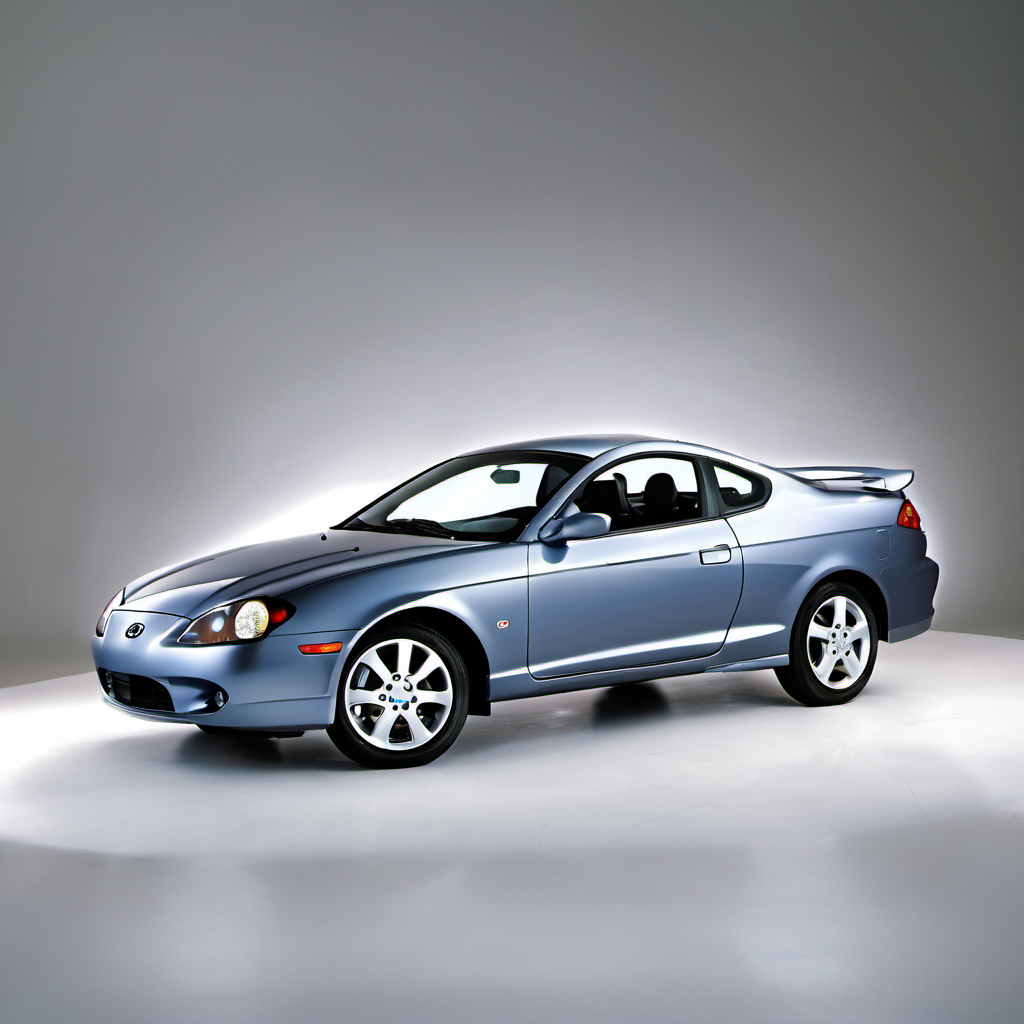
2005 Hyundai
Coupe
The 2005 Hyundai Tiburon is a front-wheel-drive sports coupe that represented Hyundai's most performance-oriented offering of the era. Styled aggressively for its time and priced well below Japanese and European rivals, it carved out a niche as an affordable sport coupe for younger buyers who wanted looks and a manual gearbox without a big payment. Under the hood, the base car carries a 2.0L four-cylinder making 138 hp, while the GT trim steps up to a 2.7L V6 with 172 hp — both paired to either a 5-speed manual or a 4-speed automatic. The chassis is tighter than most econoboxes, and the car genuinely rewards spirited driving. Don't expect sports car performance, but it's engaging for what it is. By 2005 this was the second-generation (GK) Tiburon, which addressed many of the first-gen's build-quality complaints. It still isn't a long-haul reliability legend, but with routine care and an eye on the cooling system and oxygen sensors, many have crossed 150k miles without major drama. Parts availability is decent and independent shop costs are reasonable.
The 2005 Hyundai Tiburon is a front-wheel-drive sports coupe that represented Hyundai's most performance-oriented offering of the era. Styled aggressively for its time and priced well below Japanese and European rivals, it carved out a niche as an affordable sport coupe for younger buyers who wanted looks and a manual gearbox without a big payment. Under the hood, the base car carries a 2.0L four-cylinder making 138 hp, while the GT trim steps up to a 2.7L V6 with 172 hp — both paired to either a 5-speed manual or a 4-speed automatic. The chassis is tighter than most econoboxes, and the car genuinely rewards spirited driving. Don't expect sports car performance, but it's engaging for what it is. By 2005 this was the second-generation (GK) Tiburon, which addressed many of the first-gen's build-quality complaints. It still isn't a long-haul reliability legend, but with routine care and an eye on the cooling system and oxygen sensors, many have crossed 150k miles without major drama. Parts availability is decent and independent shop costs are reasonable.
The 2.0L is an interference engine. A snapped belt means bent valves and a multi-thousand-dollar repair bill. Replace the water pump at the same time since labor is already open.
Hyundai's factory coolant degrades and becomes acidic, attacking the water pump, thermostat, and head gasket sealing surfaces. In Wisconsin winters, a weak cooling system also risks freeze damage.
Worn plugs on the 2.0L cause misfires and put extra strain on ignition coils, which are not cheap on this platform.
Upstream sensor failures affect fuel trim and mileage; downstream failures often go unnoticed but will fail emissions. Address early to avoid catalytic converter damage downstream.
Brake fluid absorbs moisture over time, lowering its boiling point. Critical for a sporty driver who uses the brakes hard, and especially important after Wisconsin winters where moisture infiltration is higher.
This car's rockers and rear arches are rust-prone. In Lake Geneva's salt environment, catching surface rust early and treating it costs $20 in spray; ignoring it costs $1,500 in bodywork.
A stock battery near the end of its 4–5 year life that starts fine at 50°F will often fail to turn the engine over at -10°F. Load test every autumn, replace proactively.
A dirty air filter on a small-displacement engine noticeably hurts performance and fuel economy. Cabin filter is often skipped on older Hyundais and leads to reduced heat/defrost efficiency — a real comfort issue in Wisconsin winters.
Always defer to the manufacturer's service manual for warranty-mandated intervals.
The Tiburon is cheap to buy but not quite as cheap to own as a Civic or Corolla. The sport coupe insurance surcharge is real, and if the timing belt or head gasket is ever neglected, a single repair can dwarf a year's worth of routine costs. Stay current on the big-ticket preventive items and annual costs are very manageable on a tight budget.
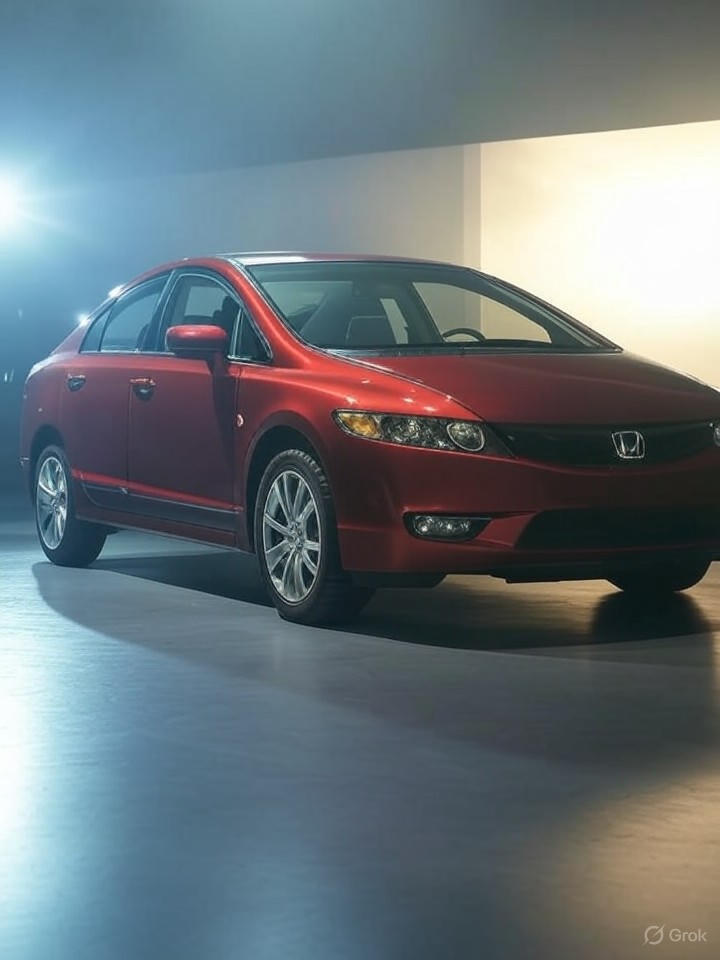
Similarly priced sport coupe with a high-revving i-VTEC engine. Better long-term reliability reputation and stronger resale, but less visual flair.
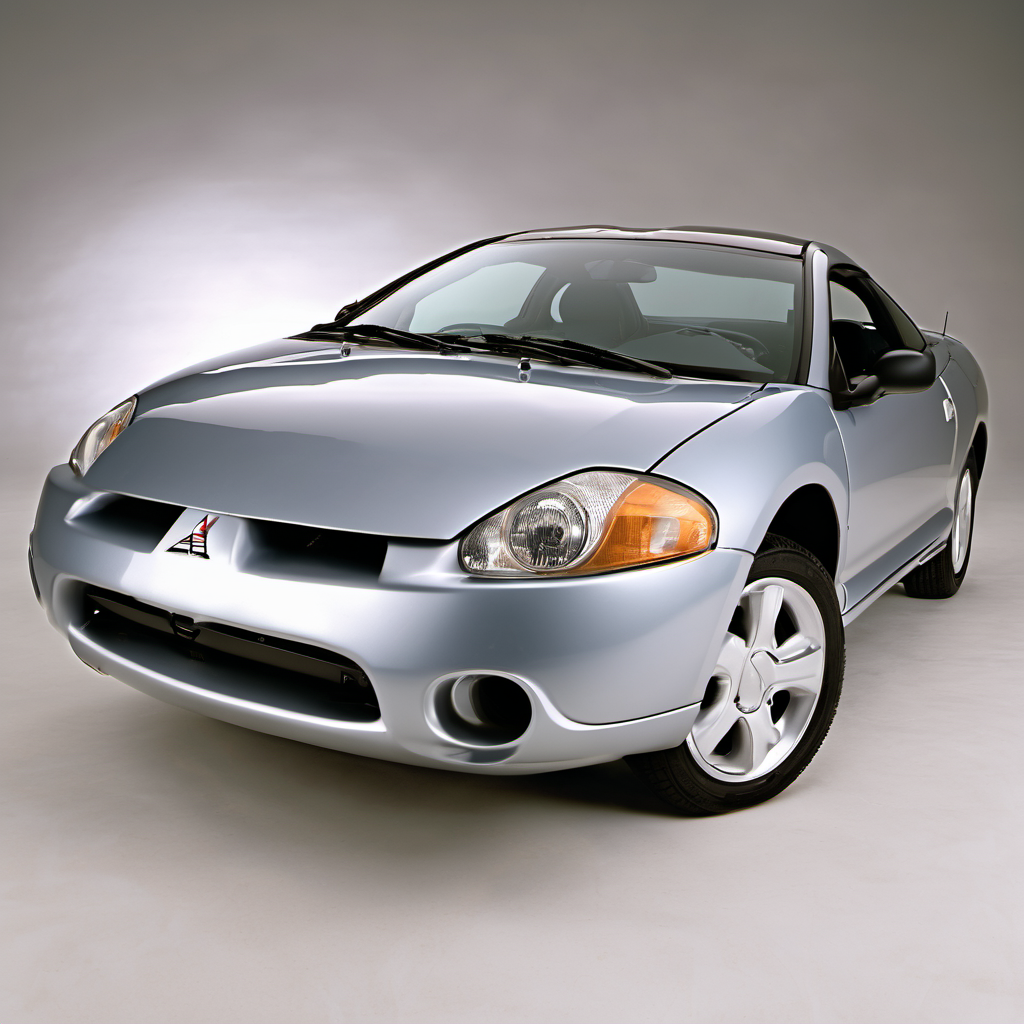
Direct segment competitor — sporty FWD coupe at a similar price point. The Eclipse has more power options but worse long-term reliability and pricier parts.
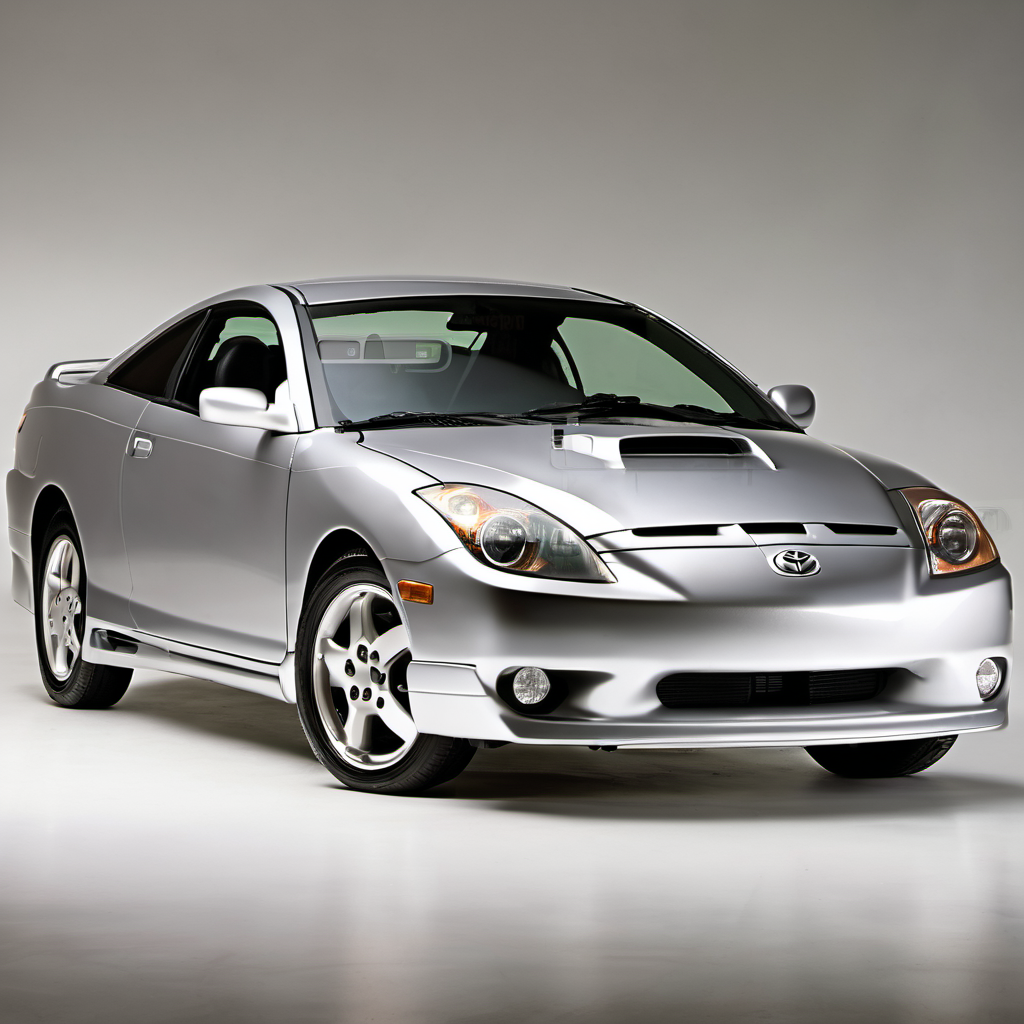
Last-generation Celica was winding down in 2005 but represents the same budget sport-coupe niche with Toyota's typically stronger reliability track record.
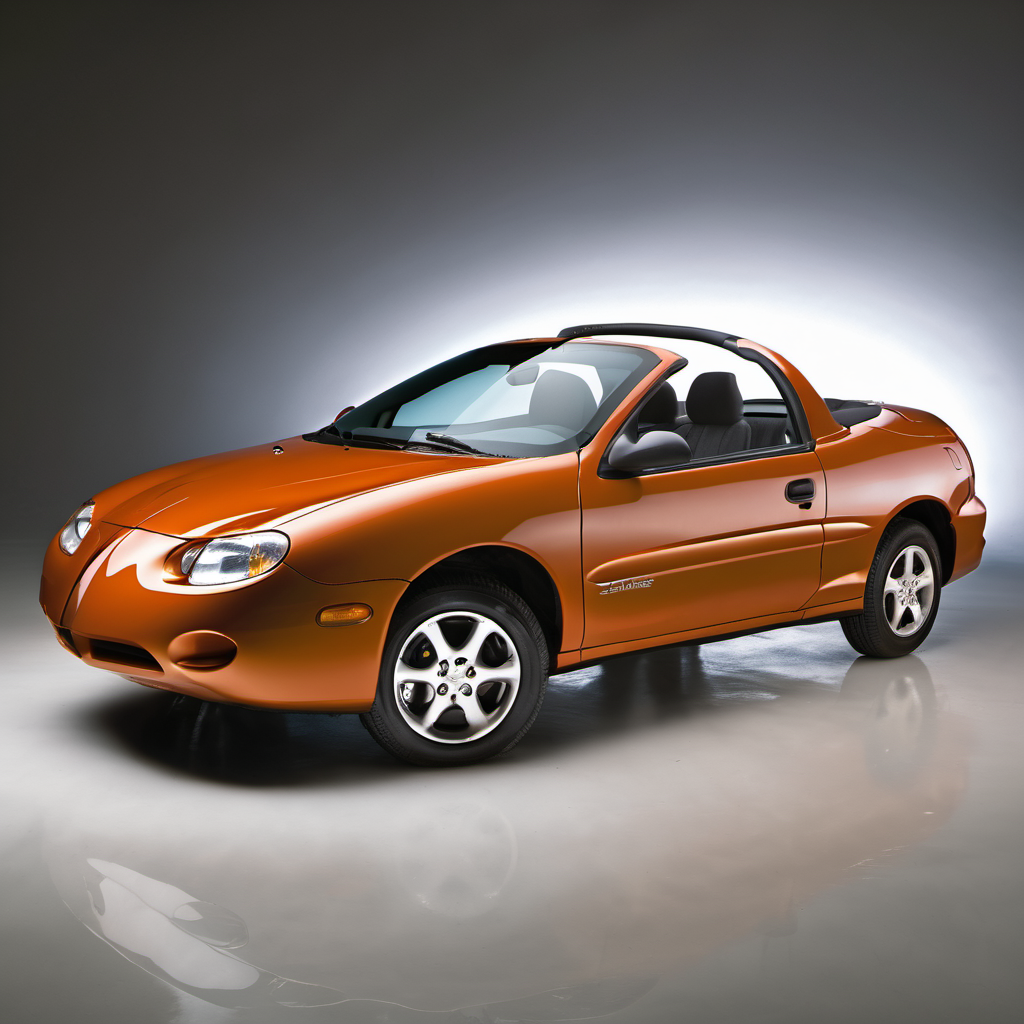
Lower-cost FWD coupe alternative. Less sporty in character and feel, but cheaper to insure and with widely available GM parts. A practical budget comparison.