VVT-i Oil Sludge / Camshaft Timing Issues
medium- Typically appears
- 80–150k mi
- Estimated repair
- $300 – $1,200
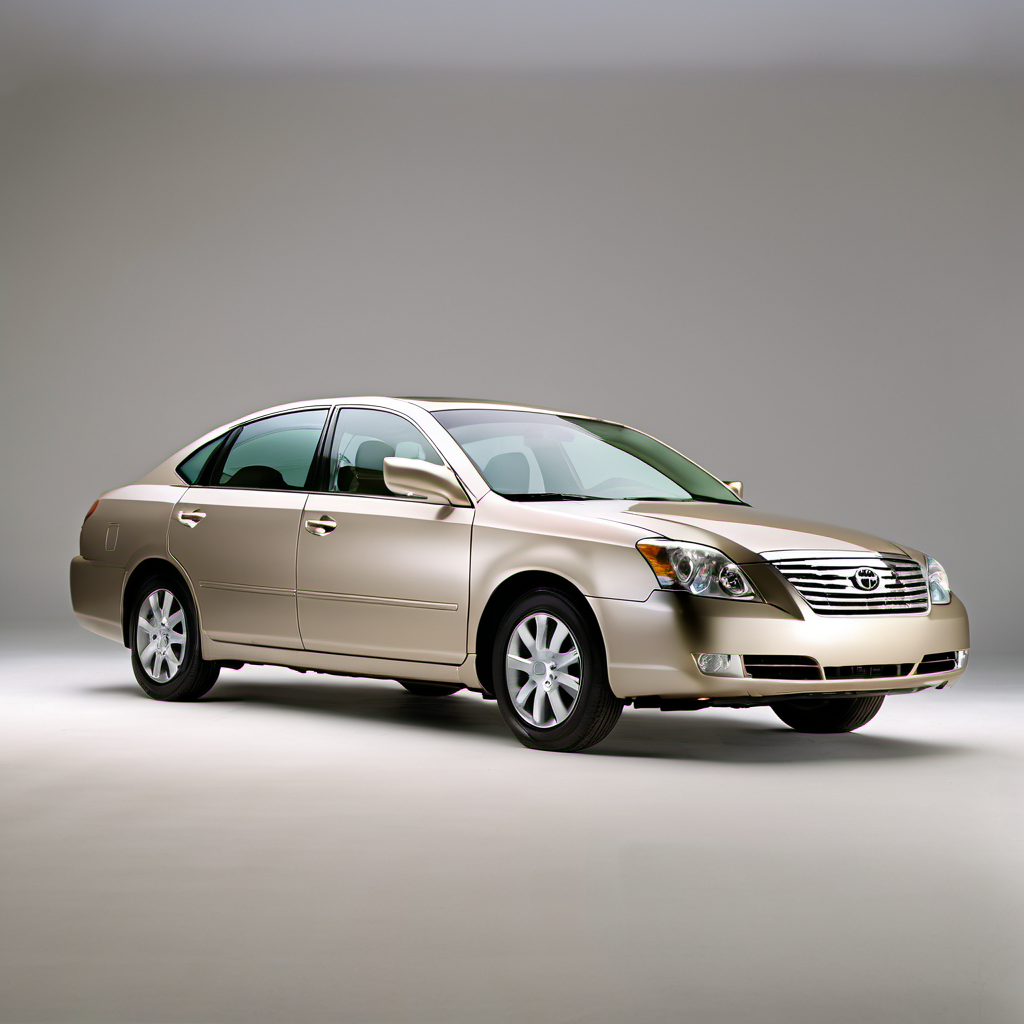
2005 Toyota
Sedan
The 2005 Toyota Avalon is the first model year of the third generation (XX30), a significant leap from its predecessor. Toyota aimed squarely at the full-size American luxury sedan market, offering a spacious cabin, a silky 3.5L V6, and a notably quieter ride than the outgoing model. For the money — new or used — it punched well above its weight in refinement and long-term durability. This generation Avalon became a favorite among buyers who wanted Lexus-level comfort without the Lexus price tag. The interior is genuinely roomy, especially in the rear, and the powertrain is one of Toyota's most proven combinations. Fuel economy is reasonable for a car this size. On the downside, it's not a driver's car — handling is soft and steering is light by design. Road presence is understated. But for high-mileage commuters, long-distance travelers, and anyone who needs a reliable, comfortable daily driver, the 2005 Avalon is hard to beat in its price range today.
The 2005 Toyota Avalon is the first model year of the third generation (XX30), a significant leap from its predecessor. Toyota aimed squarely at the full-size American luxury sedan market, offering a spacious cabin, a silky 3.5L V6, and a notably quieter ride than the outgoing model. For the money — new or used — it punched well above its weight in refinement and long-term durability. This generation Avalon became a favorite among buyers who wanted Lexus-level comfort without the Lexus price tag. The interior is genuinely roomy, especially in the rear, and the powertrain is one of Toyota's most proven combinations. Fuel economy is reasonable for a car this size. On the downside, it's not a driver's car — handling is soft and steering is light by design. Road presence is understated. But for high-mileage commuters, long-distance travelers, and anyone who needs a reliable, comfortable daily driver, the 2005 Avalon is hard to beat in its price range today.
The 2GR-FE's VVT-i system is oil-pressure dependent. Extended intervals build varnish that clogs oil control valves and triggers expensive camshaft timing faults. Use 5W-30 full synthetic. This is the single most important maintenance item on this car.
Most used Avalons have never had this done. Dark fluid causes shift complaints and shortens transmission life. On high-mileage cars, do a drain-and-fill rather than a full flush to avoid disturbing worn seals.
Toyota's long-life pink coolant has a finite service life. Depleted coolant becomes acidic and attacks the water pump and radiator. On a 20-year-old car, inspect the condition now regardless of mileage.
The 2GR-FE uses iridium plugs with a 60k service interval. Worn plugs cause misfires and can mask VVT-i issues by producing similar symptoms. Rear bank plugs require intake manifold removal — budget 2–3 hours of labor.
Brake fluid absorbs moisture over time. In Wisconsin winters with large temperature swings, degraded fluid can boil during heavy braking. A flush is inexpensive insurance.
Cold-cranking amps drop significantly in sub-zero temperatures. A battery that seems fine in October can leave you stranded in January. At 20 years old, this car has likely had at least one replacement — verify its age and CCA rating before winter.
A clogged cabin filter reduces defrost and heat output — a real problem in Wisconsin winters. Easy DIY access behind the glove box.
Worn struts on a FWD full-size sedan affect braking stability on slippery roads. Given Wisconsin's freeze-thaw road damage, inspect annually on any high-mileage example.
Always defer to the manufacturer's service manual for warranty-mandated intervals.
The 2005 Avalon is a genuinely low-cost car to own when maintained. Parts are widely available, labor is straightforward on most jobs, and the powertrain rarely requires major attention with proper oil changes. The biggest financial risk is buying a neglected example — VVT-i repairs and suspension work can push first-year costs to $2,000–$3,000. A pre-purchase inspection is money well spent.
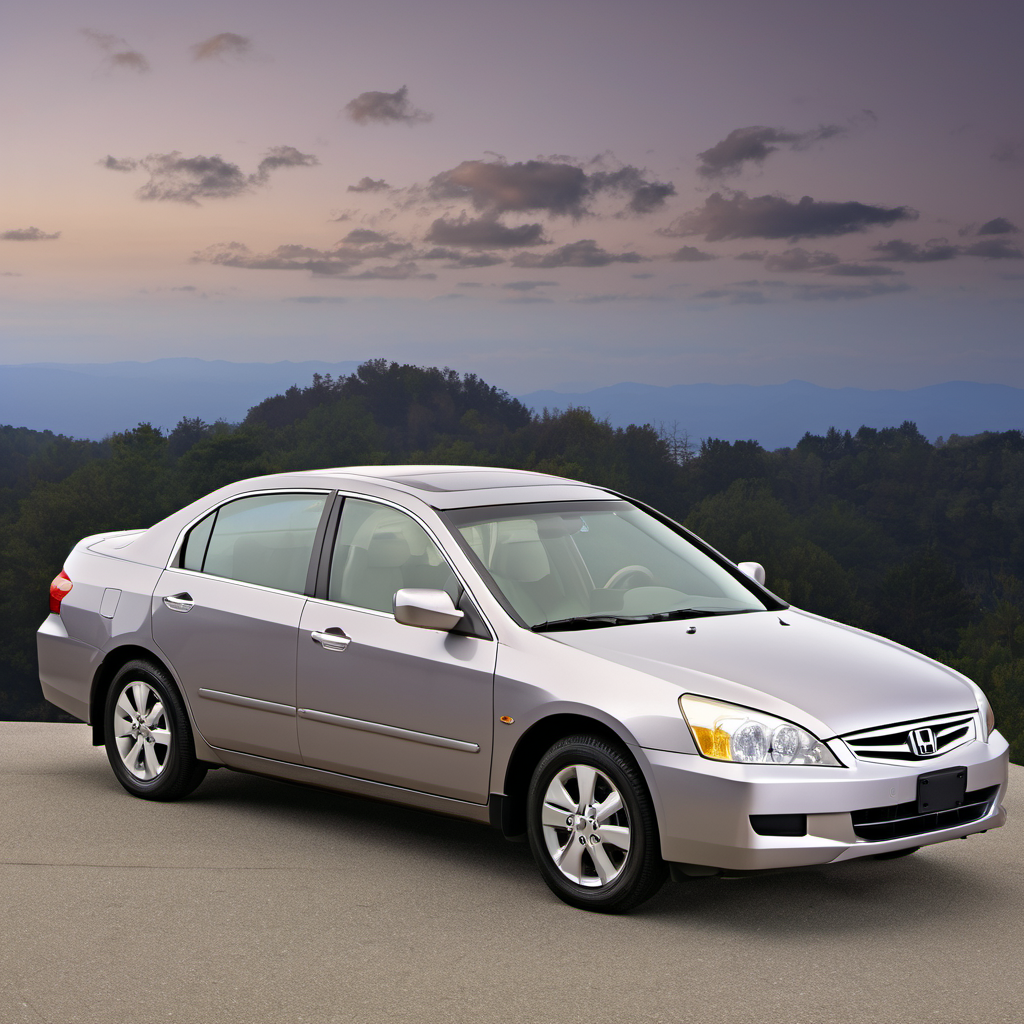
Same era, same FWD full-size sedan mission, similar V6 refinement. The Accord is sportier and slightly smaller; the Avalon wins on rear-seat space and isolation. Both are highly reliable.
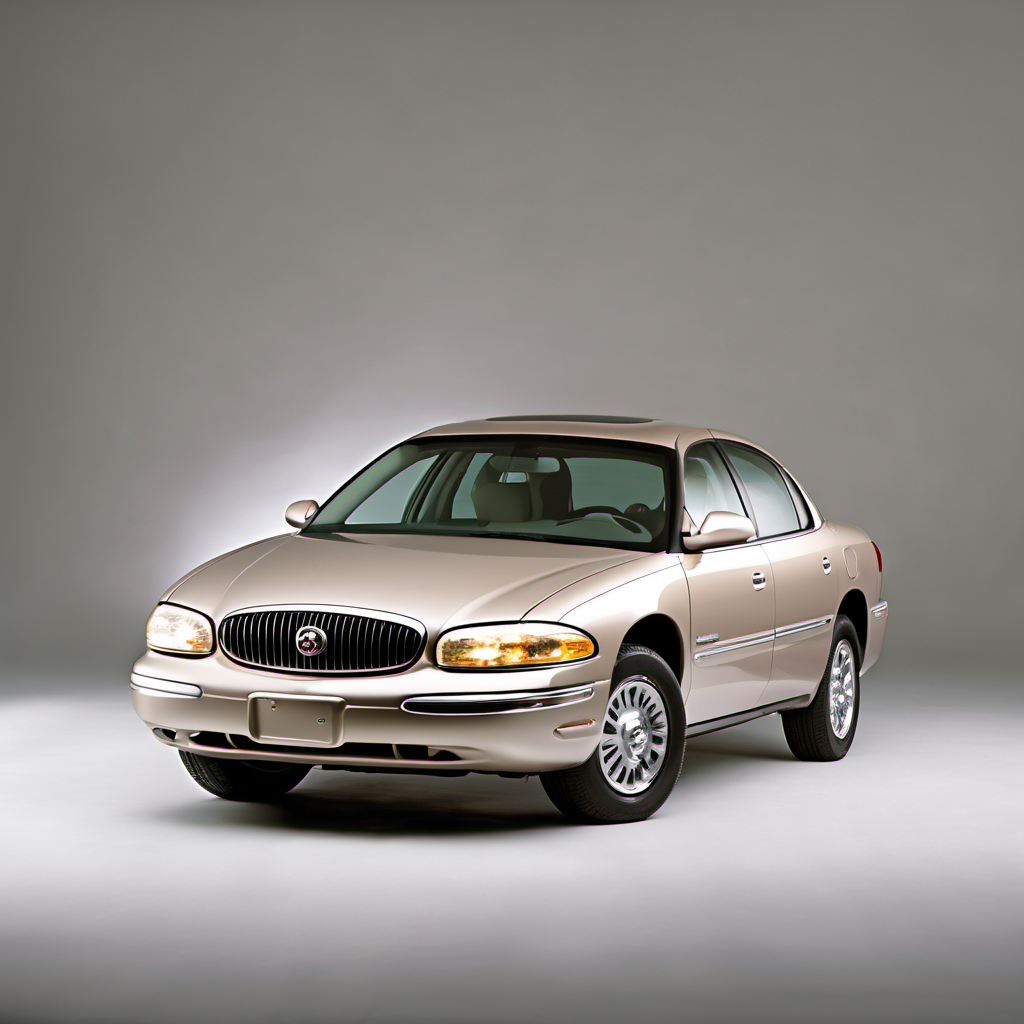
Direct domestic competitor targeting the same comfort-focused buyer. The LeSabre is softer and heavier; the Avalon is more refined and more durable long-term. LeSabre costs less used but more to maintain.
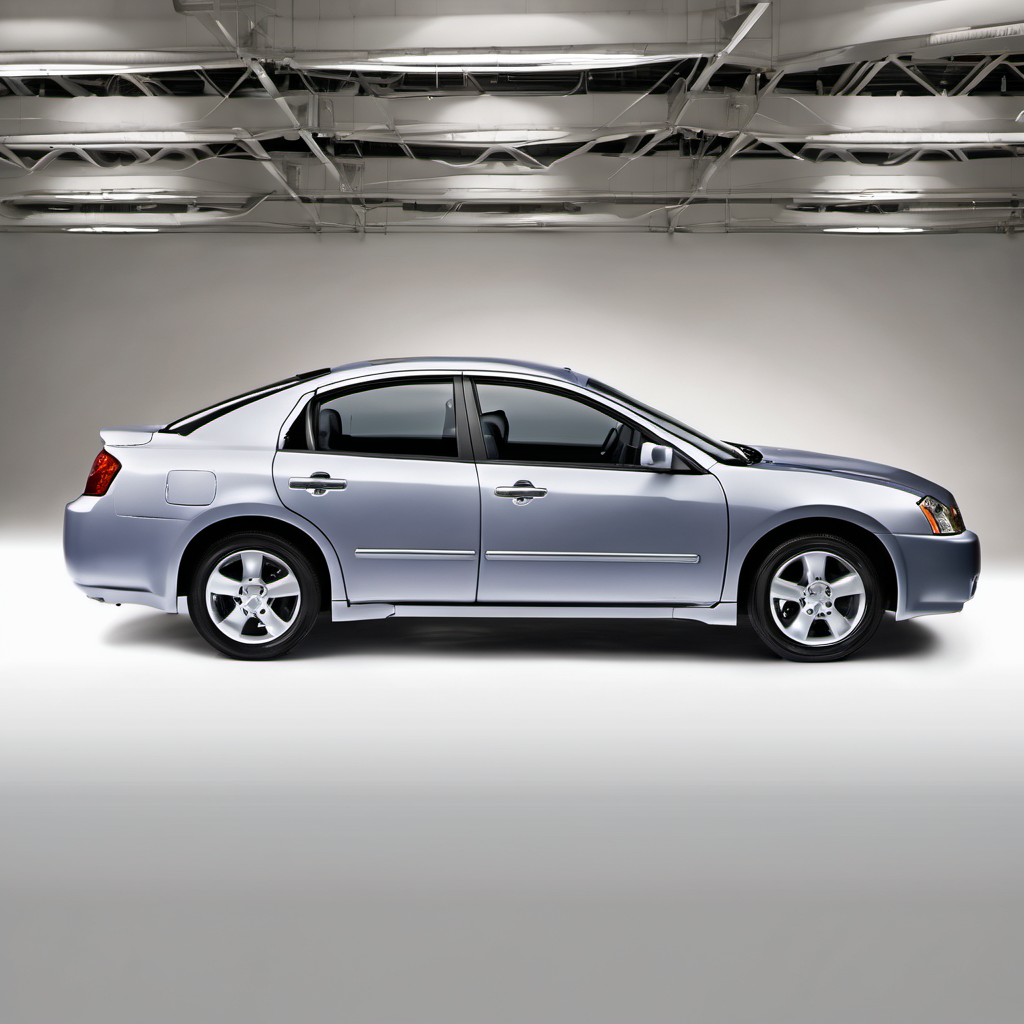
V6-powered FWD full-size sedan from the same era. The Maxima is more driver-focused and sporty; the Avalon is quieter and roomier. Maxima reliability is solid but a step below Avalon.
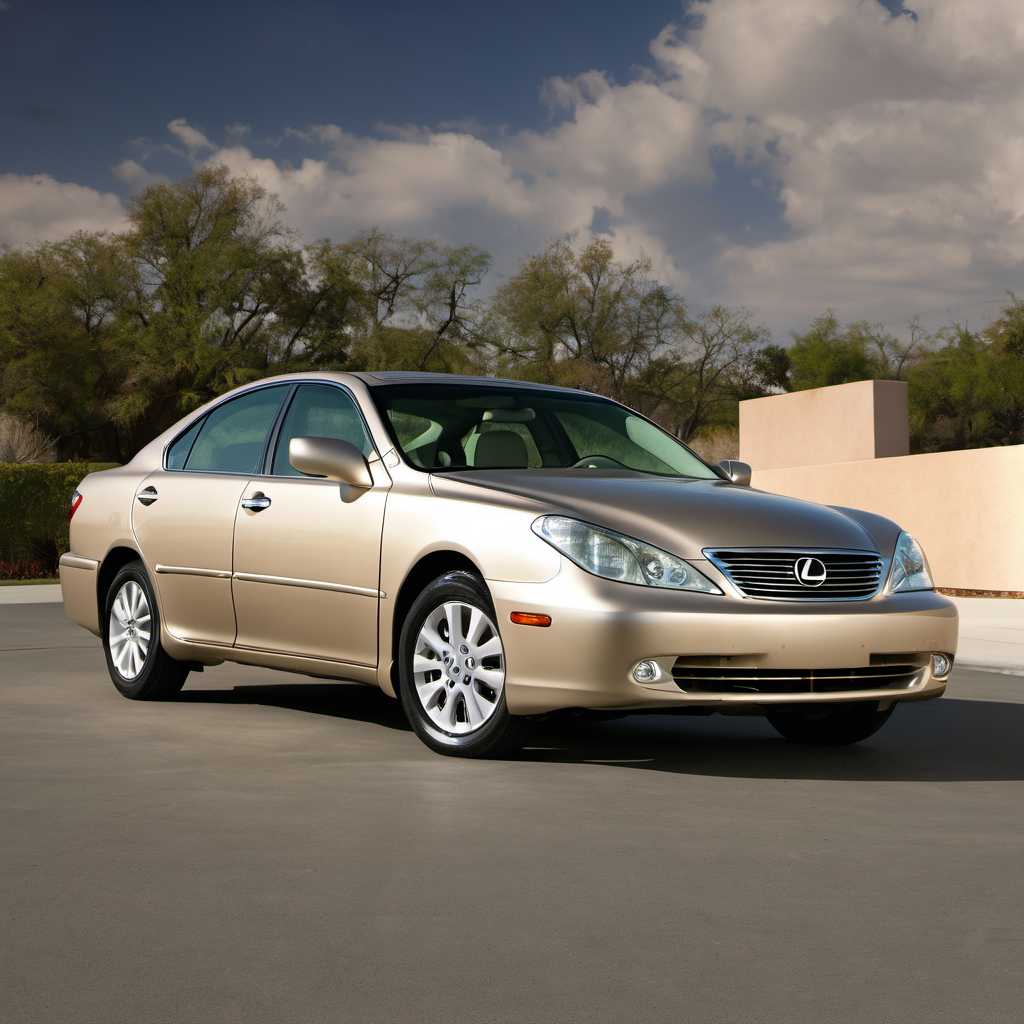
Shares Toyota's DNA and overlaps in mission — luxury, comfort, FWD V6. The ES 330 is more prestigious and has better interior materials, but costs significantly more used. The Avalon delivers 85% of the ES experience at 60% of the price.