Intake Manifold Gasket Leak (3.8L)
high- Typically appears
- 60–120k mi
- Estimated repair
- $250 – $500
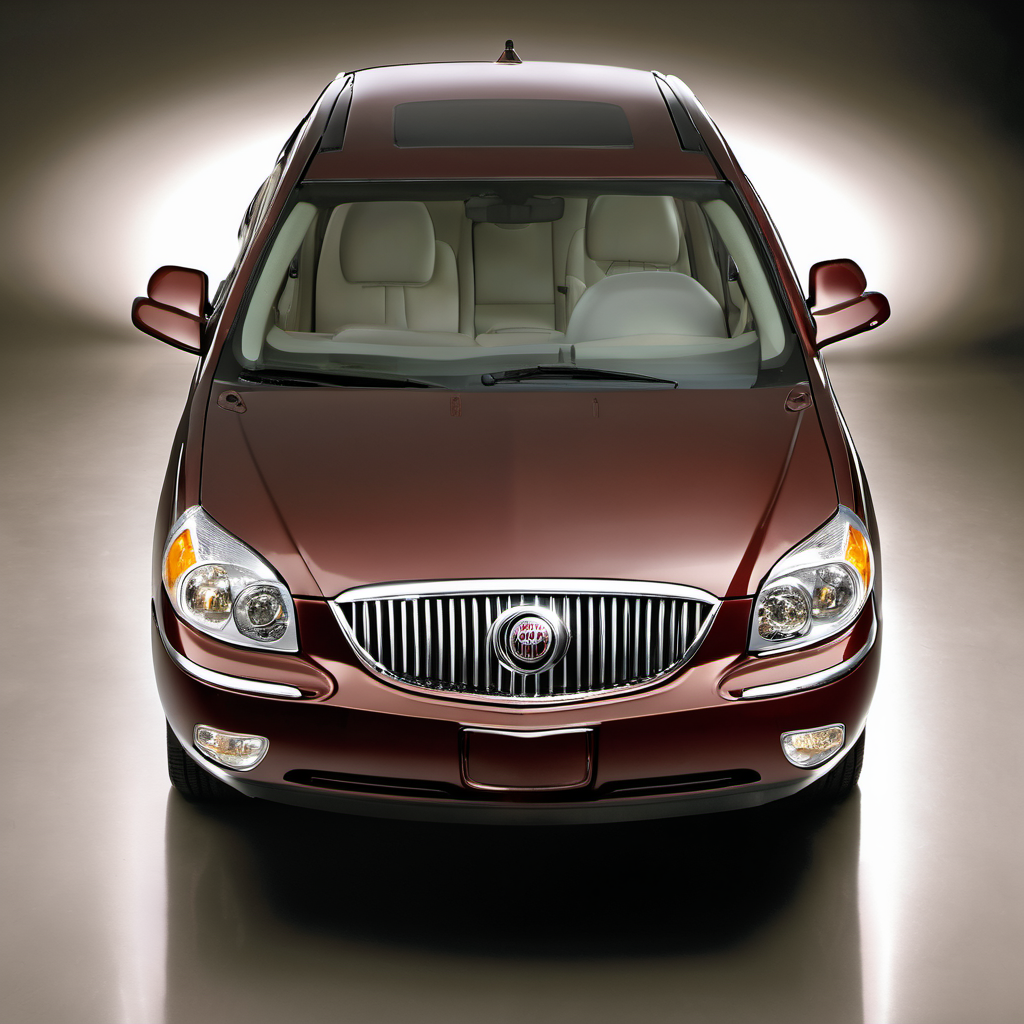
2005 Buick
3.8L V6 (Series III) · Sedan
The 2005 Buick LaCrosse was GM's replacement for the long-running Century and Regal, landing squarely in the mid-size front-wheel-drive sedan market. Built on GM's W-body platform, it shared underpinnings with the Pontiac Grand Prix and Chevrolet Impala of the same era. It was aimed squarely at comfort-oriented buyers who wanted a quiet, roomy American sedan with a premium feel without the premium price tag. The LaCrosse came in three trim levels (CX, CXL, CXS) with engine choices ranging from a base 3.8L V6 to a 240-hp 3.6L V6 in the CXS. The interior was a step up from the outgoing Century — more refined materials, better sound deadening, and a longer, more formal roofline. Ride quality and highway cruising were its strongest suits. As a used buy in 2025, a well-maintained first-gen LaCrosse can be a reliable, inexpensive daily driver. These cars are cheap to insure, easy to work on, and parts availability is excellent. The main concerns are typical for mid-2000s GM: intake manifold gaskets on the 3.8L, cooling system upkeep, and age-related electrical gremlins.
The 2005 Buick LaCrosse was GM's replacement for the long-running Century and Regal, landing squarely in the mid-size front-wheel-drive sedan market. Built on GM's W-body platform, it shared underpinnings with the Pontiac Grand Prix and Chevrolet Impala of the same era. It was aimed squarely at comfort-oriented buyers who wanted a quiet, roomy American sedan with a premium feel without the premium price tag. The LaCrosse came in three trim levels (CX, CXL, CXS) with engine choices ranging from a base 3.8L V6 to a 240-hp 3.6L V6 in the CXS. The interior was a step up from the outgoing Century — more refined materials, better sound deadening, and a longer, more formal roofline. Ride quality and highway cruising were its strongest suits. As a used buy in 2025, a well-maintained first-gen LaCrosse can be a reliable, inexpensive daily driver. These cars are cheap to insure, easy to work on, and parts availability is excellent. The main concerns are typical for mid-2000s GM: intake manifold gaskets on the 3.8L, cooling system upkeep, and age-related electrical gremlins.
The 3.8L relies on clean oil for sludge prevention. These engines can develop sludge buildup if intervals are stretched, which accelerates wear on the valve train and shortens engine life.
The plastic lower intake manifold gaskets are coolant-path components. Old, acidic coolant eats the gaskets faster and causes the #1 repair on these cars. Keeping fresh coolant is the best prevention.
The 4T65-E automatic is durable but dislikes degraded fluid. Independent shops in Wisconsin see more transmission failures on cars whose owners followed the extended factory interval.
The tensioner spring weakens with age, causing belt slip and accessory failures. Cold Wisconsin winters make a worn belt more likely to crack without warning.
Worn plugs on the 3.8L cause misfires and fuel economy loss. On the 3.6L VVT, plug condition also affects VVT system performance.
The conventional hydraulic rack is prone to slow leaks at high mileage. Keeping clean fluid slows seal degradation.
Moisture-saturated brake fluid lowers boiling point and promotes ABS module corrosion — a real concern in Wisconsin's salt-heavy winters.
Road salt in Lake Geneva area winters attacks brake lines, fuel lines, and subframe hardware. Catching rust-through early on brake lines is a safety matter.
Always defer to the manufacturer's service manual for warranty-mandated intervals.
The 3.8L LaCrosse is one of the more affordable mid-size sedans to own. Routine maintenance is inexpensive and parts are widely available at independent shops. The biggest cost risk is deferred coolant and gasket maintenance leading to a $500+ intake manifold job — stay ahead of it and the car is very economical. Budget more if you're looking at the 3.6L CXS, where VVT-related repairs can climb quickly.
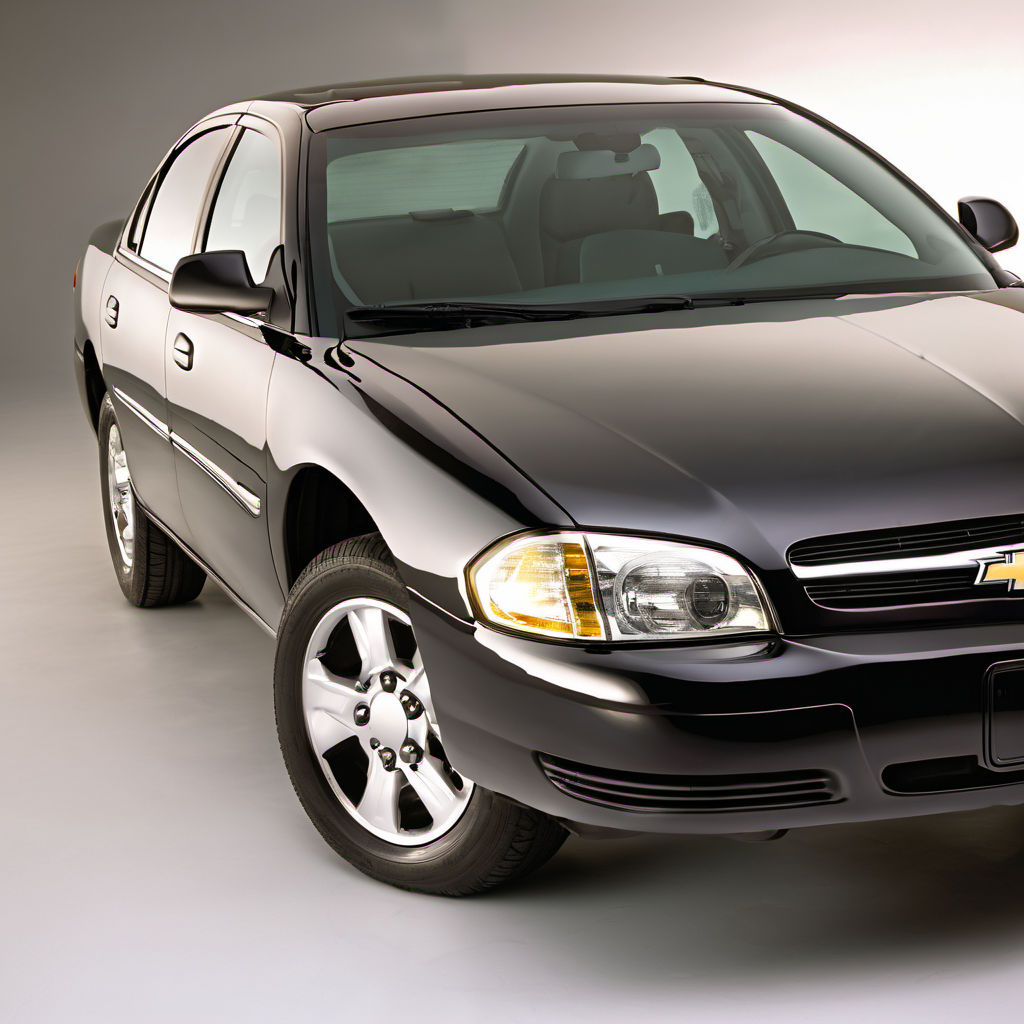
Same W-body platform, same 3.8L V6, nearly identical ownership costs. The Impala is slightly more common, making parts marginally cheaper, but the LaCrosse has a quieter cabin and more upscale interior.
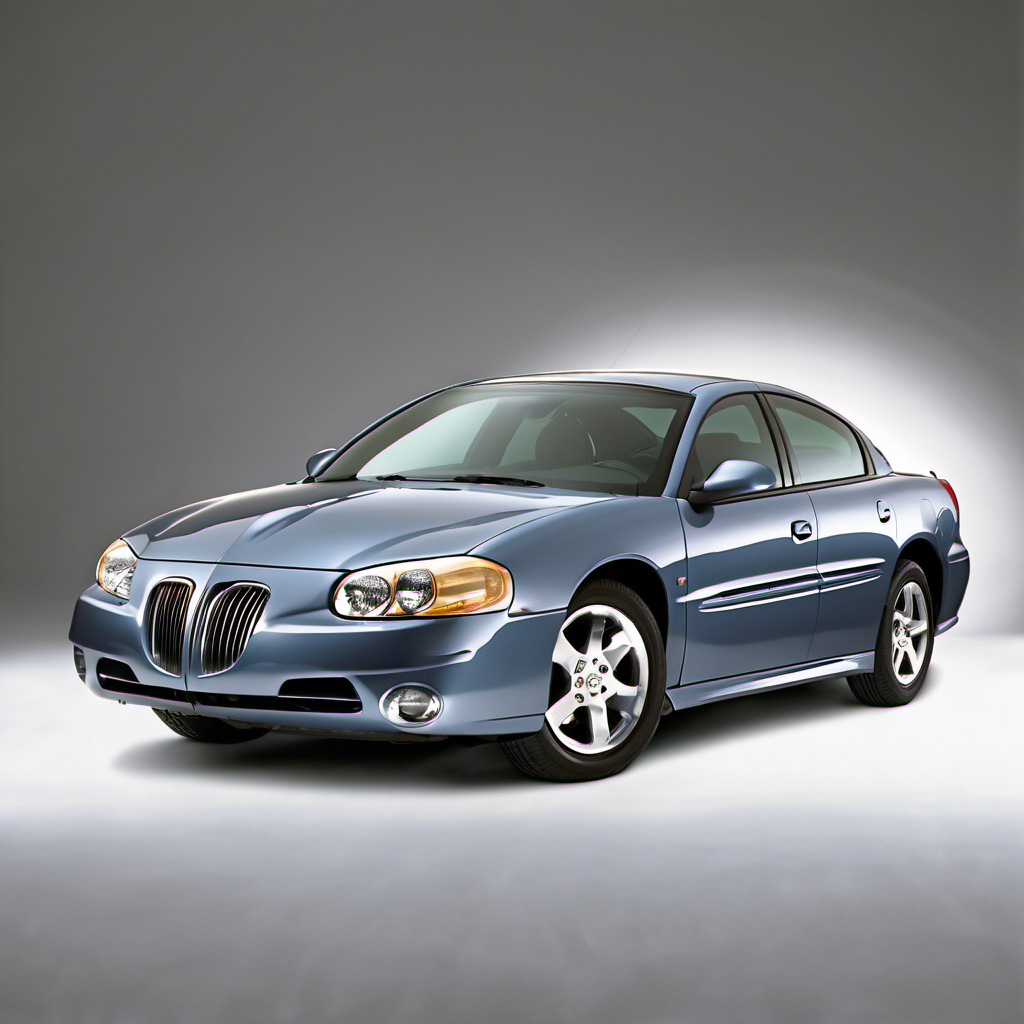
W-body sibling with a sportier suspension tune and available supercharged 3.8L. Good alternative for a buyer who wants the same platform reliability with a firmer ride.
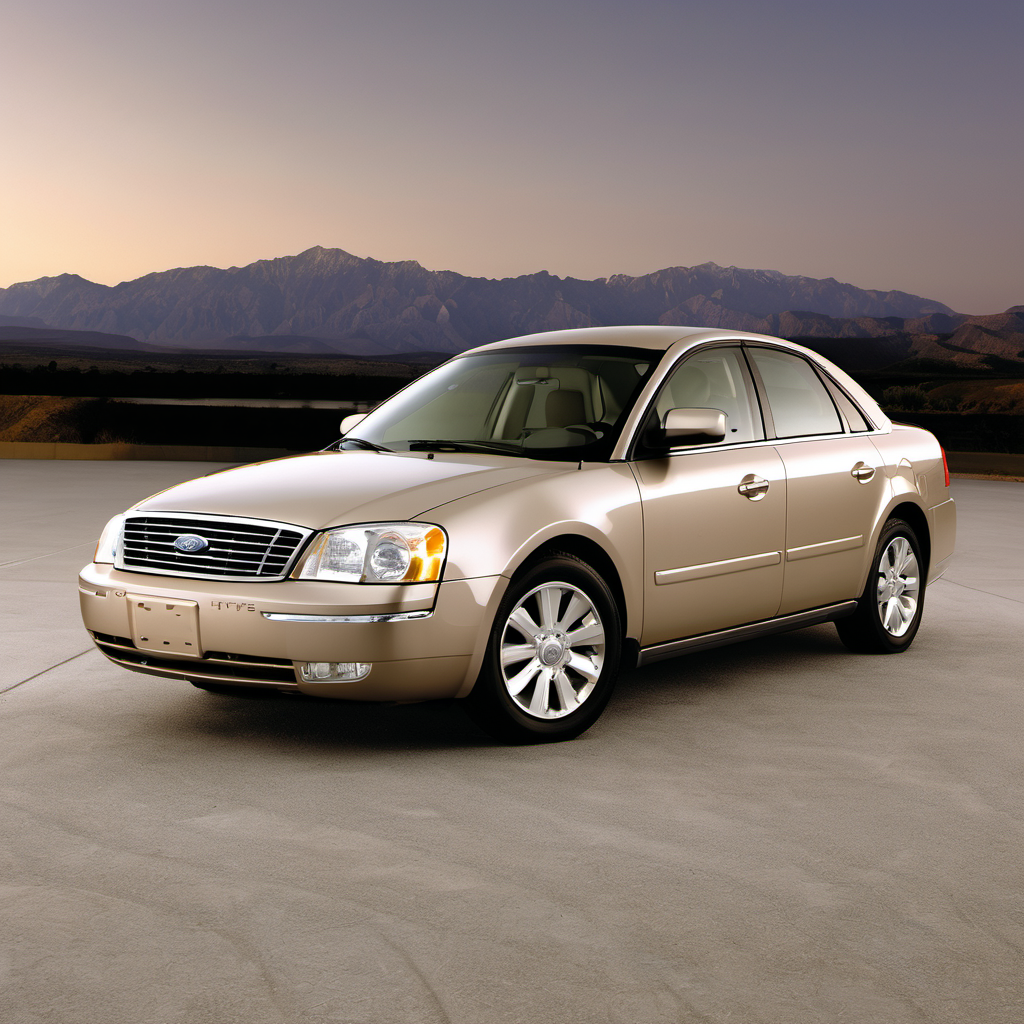
Competing full-size front-wheel-drive sedan from Ford. More modern platform with a CVT option, slightly better safety ratings, but CVT reliability at high mileage is a concern.
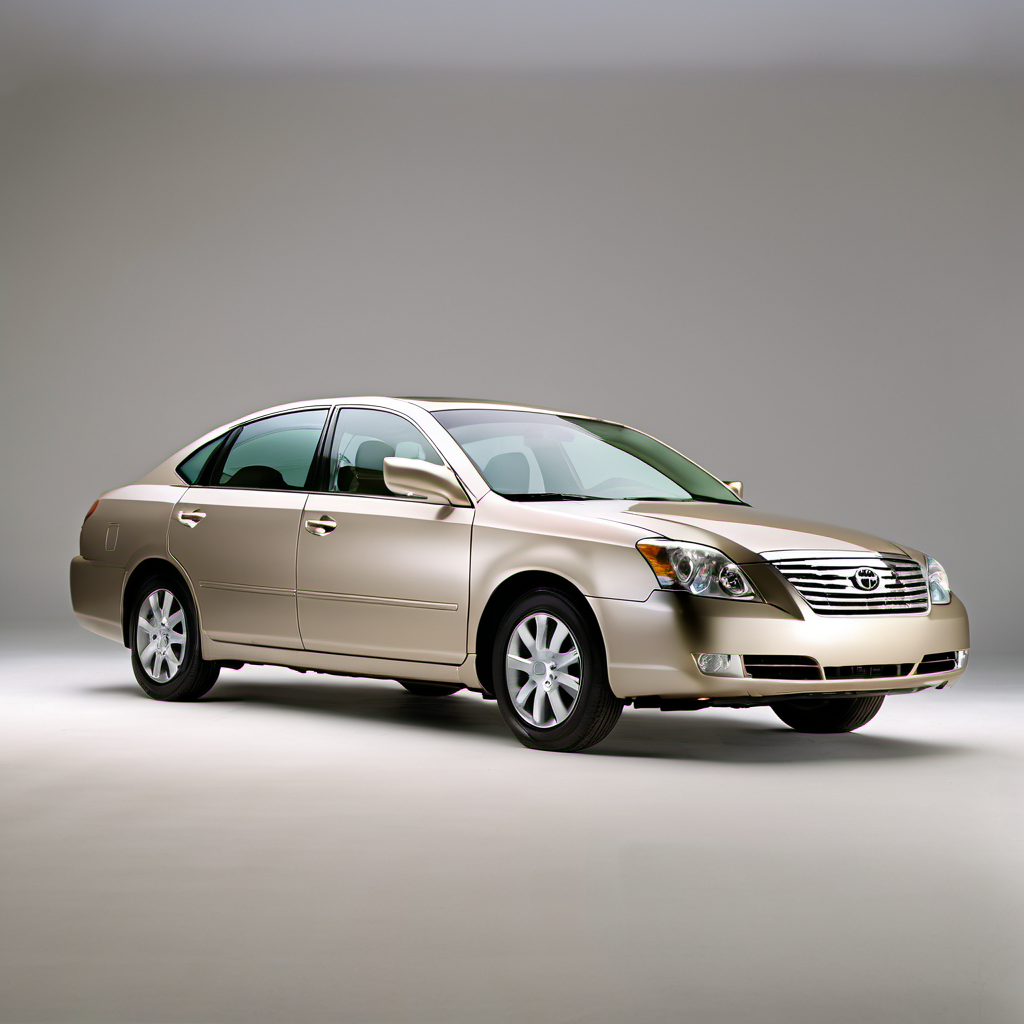
Premium full-size FWD sedan alternative. More expensive to buy used, but strong reliability reputation and fewer age-related powertrain surprises. Worth paying extra for if the budget allows.