Timing Belt Failure / Overdue Service
high- Typically appears
- 60–105k mi
- Estimated repair
- $350 – $650
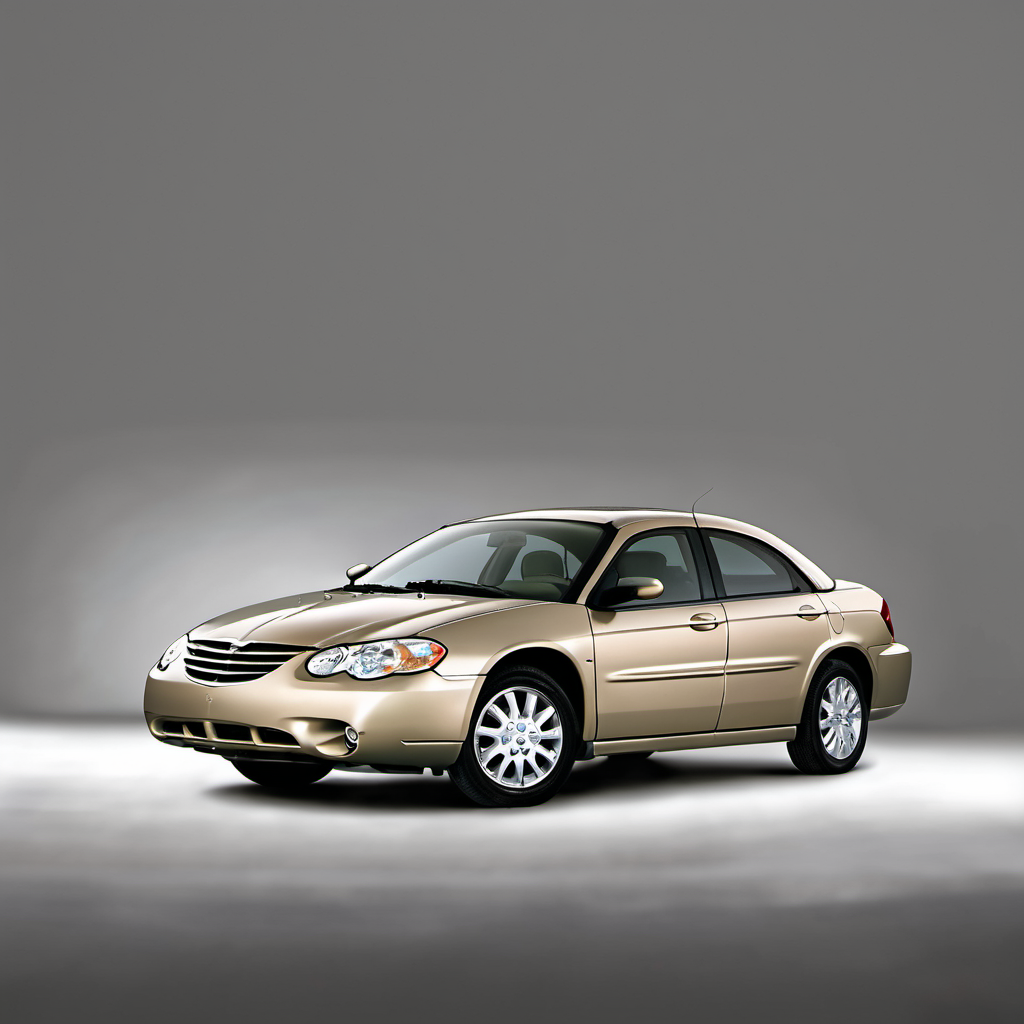
2005 Chrysler
Coupe
The 2005 Chrysler Sebring Coupe is a front-wheel-drive compact coupe built on a Mitsubishi platform — a joint venture between Chrysler and Mitsubishi that resulted in a car that was more Mitsubishi Eclipse underneath than true Chrysler. It was positioned as an affordable sporty coupe for daily commuters. By 2005 the Sebring Coupe was in its final model year before Chrysler retired the nameplate from the coupe segment entirely. The 2.4L SOHC four-cylinder is the base engine and is generally reliable mechanically, though it's no performance standout. The car is reasonably comfortable for two occupants and handles adequately, but its shared Mitsubishi architecture means some parts cross-reference Mitsubishi Eclipse of the same era — which can actually be an advantage for sourcing used parts cheaply. At 20 years old, any surviving Sebring Coupe is well into high-mileage territory. Rust — especially in the lower rocker panels, rear wheel arches, and floor pans — is the number-one enemy of Wisconsin examples. Buy only what you can put on a lift and inspect thoroughly.
The 2005 Chrysler Sebring Coupe is a front-wheel-drive compact coupe built on a Mitsubishi platform — a joint venture between Chrysler and Mitsubishi that resulted in a car that was more Mitsubishi Eclipse underneath than true Chrysler. It was positioned as an affordable sporty coupe for daily commuters. By 2005 the Sebring Coupe was in its final model year before Chrysler retired the nameplate from the coupe segment entirely. The 2.4L SOHC four-cylinder is the base engine and is generally reliable mechanically, though it's no performance standout. The car is reasonably comfortable for two occupants and handles adequately, but its shared Mitsubishi architecture means some parts cross-reference Mitsubishi Eclipse of the same era — which can actually be an advantage for sourcing used parts cheaply. At 20 years old, any surviving Sebring Coupe is well into high-mileage territory. Rust — especially in the lower rocker panels, rear wheel arches, and floor pans — is the number-one enemy of Wisconsin examples. Buy only what you can put on a lift and inspect thoroughly.
The 2.4L SOHC is an interference engine. A snapped timing belt causes piston-to-valve contact and destroys the engine. On any used purchase, replace immediately if history is unknown. Always do the water pump at the same time — it's driven by the belt.
Chrysler's 4-speed unit in this era runs hot and degrades fluid faster than the owner's manual suggests. Fresh fluid is the cheapest transmission insurance you can buy.
Aged coolant becomes acidic and attacks the aluminum engine components and heater core. A corroded heater core is an expensive in-dash repair — preventable with regular flushes.
Road salt accelerates rust on the subframe, brake lines, and fuel lines. Catch compromised brake lines early — a failed line is a safety emergency. Treat exposed metal with rust inhibitor each fall.
Wisconsin sub-zero temperatures can kill a marginal battery overnight. A battery that starts the car fine at 50°F can fail completely at 0°F. Load-test in September or October.
The SOHC 2.4L runs conventional platinum plugs on this vintage. Worn plugs increase misfires, hurt fuel economy, and stress the ignition coils — which are not cheap to replace on this platform.
Aging seals allow debris and moisture into the HVAC box. A clogged or mold-laden cabin filter degrades heat output — a real comfort and safety issue during Wisconsin winters.
Steel brake and fuel lines on salt-belt cars of this age frequently show external rust and pinhole corrosion. A failed brake line is an immediate safety hazard. Inspect the full run from front to rear each spring.
Always defer to the manufacturer's service manual for warranty-mandated intervals.
The Sebring Coupe is inexpensive to insure and fuel, but a 20-year-old example can surprise you with deferred maintenance costs. Budget for a timing belt service on any purchase, and set aside a transmission fund. Rust remediation costs are the wild card — a clean, garaged car has very different economics than a typical Wisconsin daily driver.
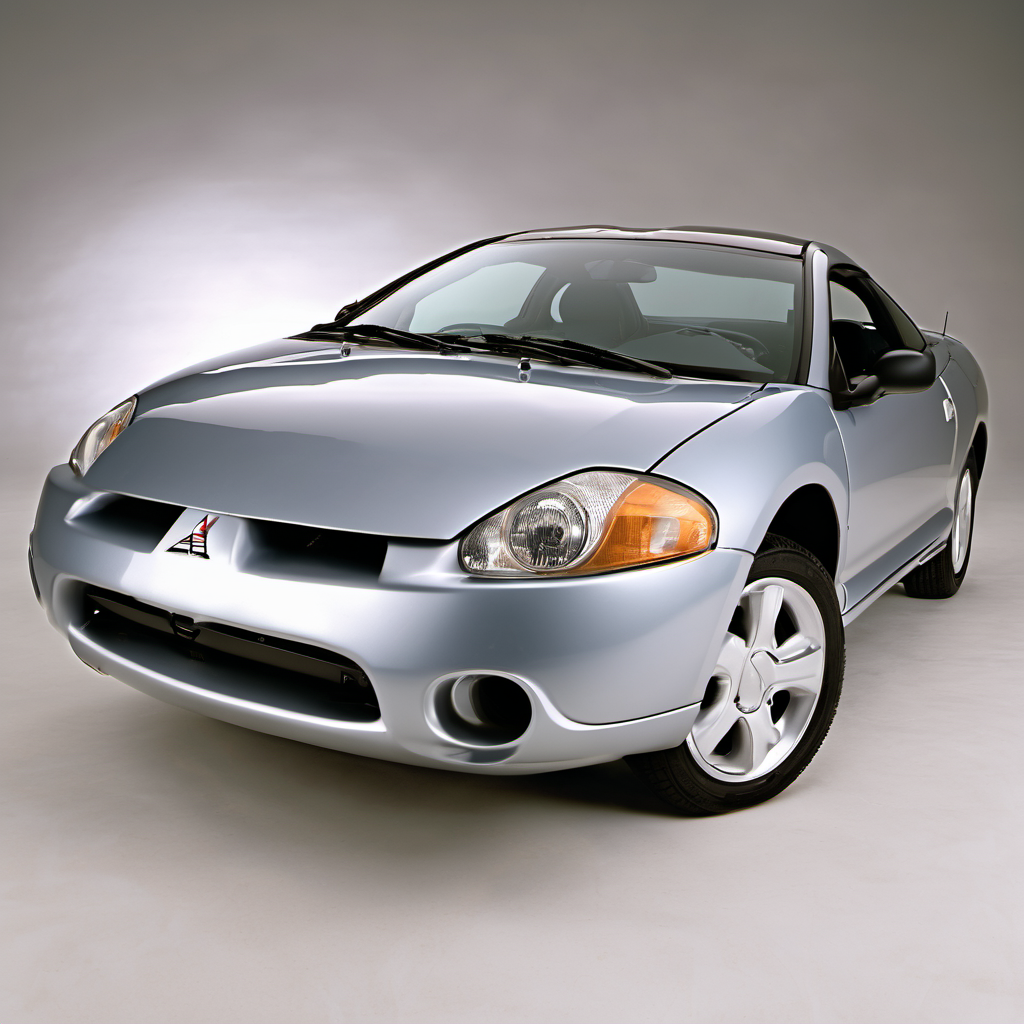
Shares the same basic platform and many drivetrain components. Often better supported for parts, with a stronger enthusiast following and similar pricing on the used market.
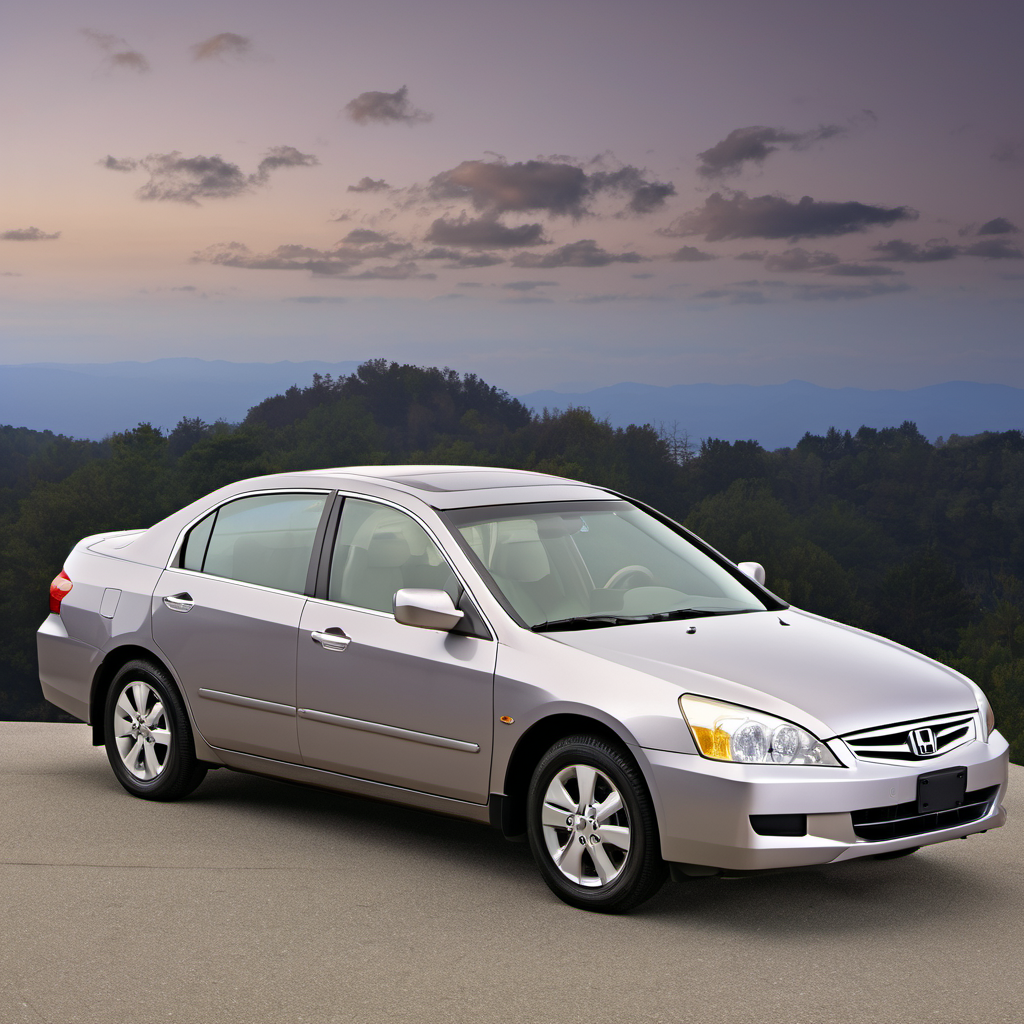
Same segment and era, significantly better long-term reliability reputation, stronger resale, and easier parts availability — worth the slightly higher used asking price.
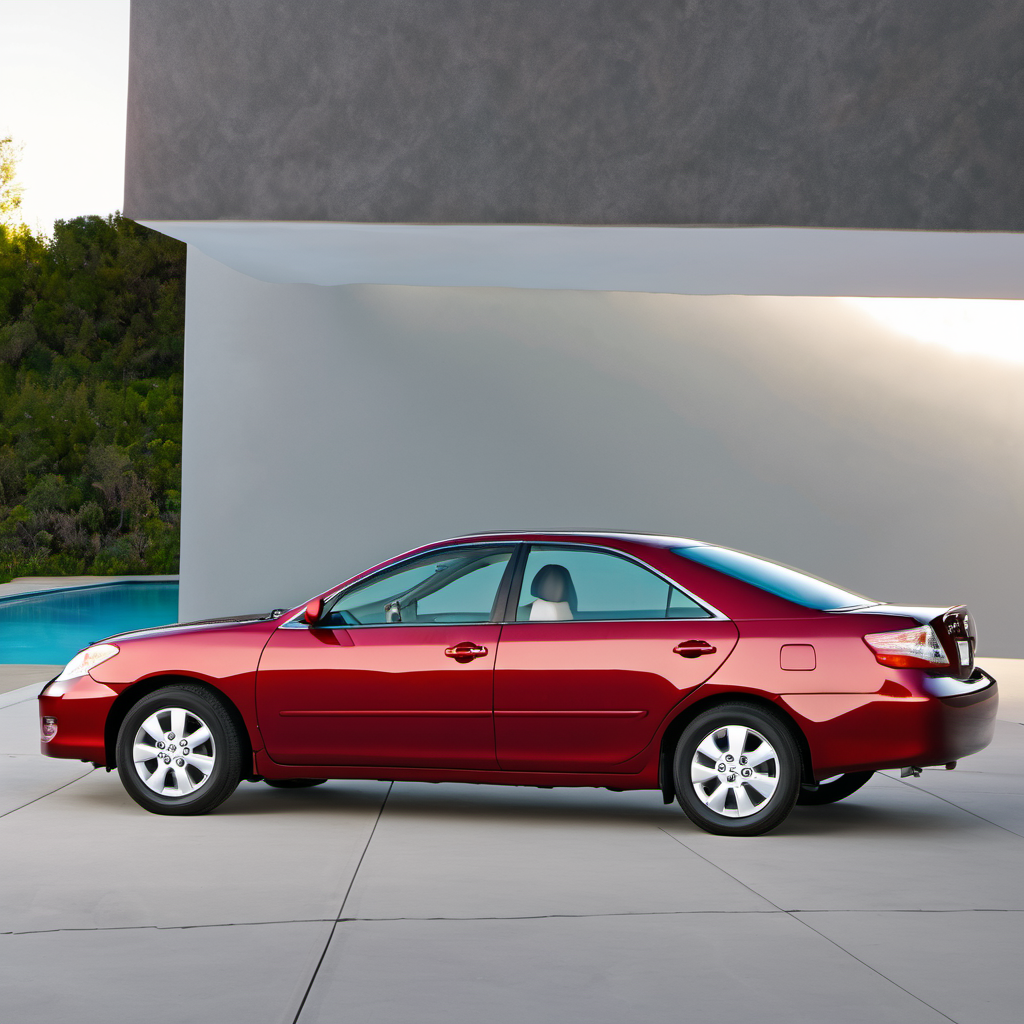
FWD coupe of the same era with Toyota's reliability track record. A better bet for long-term ownership at a comparable used price point.
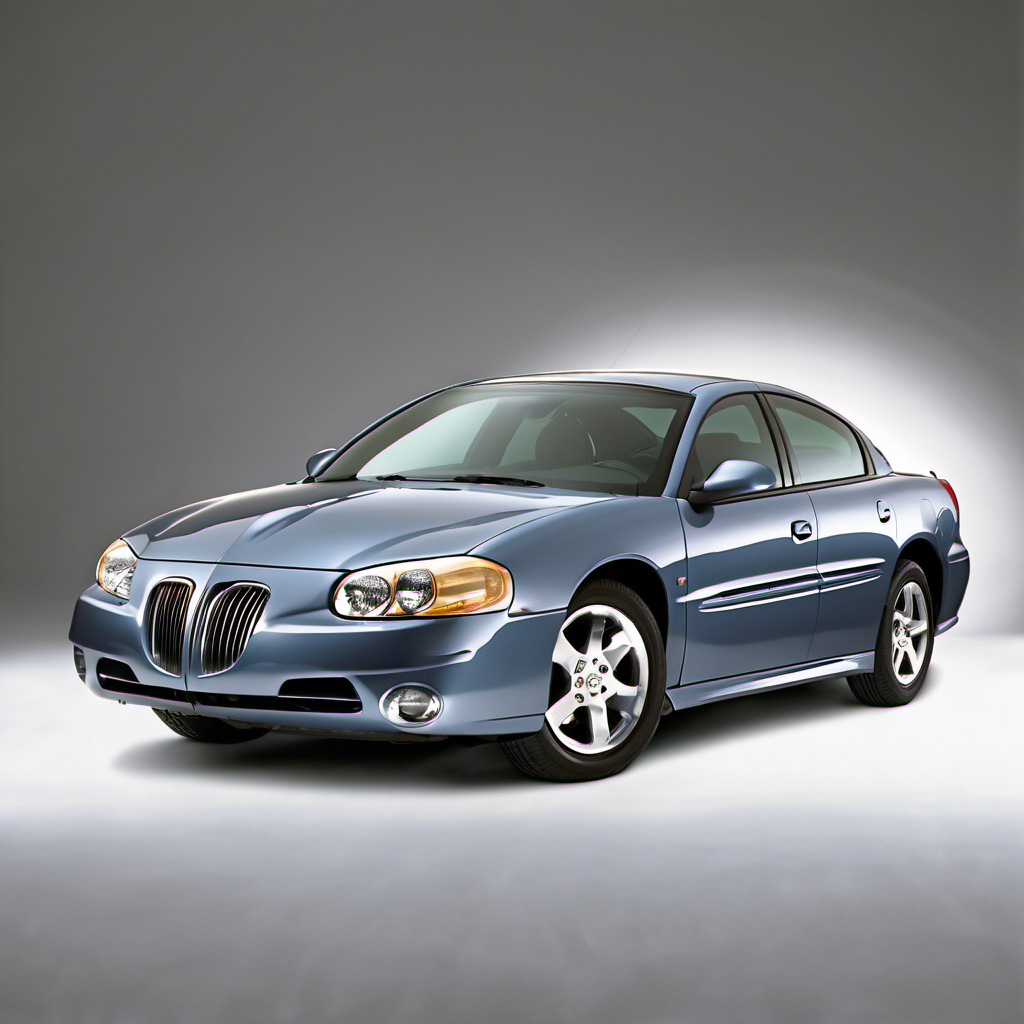
GM-based front-wheel-drive coupe/sedan from the same period. More powerful V6 options, similar pricing, and arguably better long-term parts availability in the Midwest.