VTEC Solenoid Sludge / Oil Pressure Switch Failure
high- Typically appears
- 80–150k mi
- Estimated repair
- $150 – $450
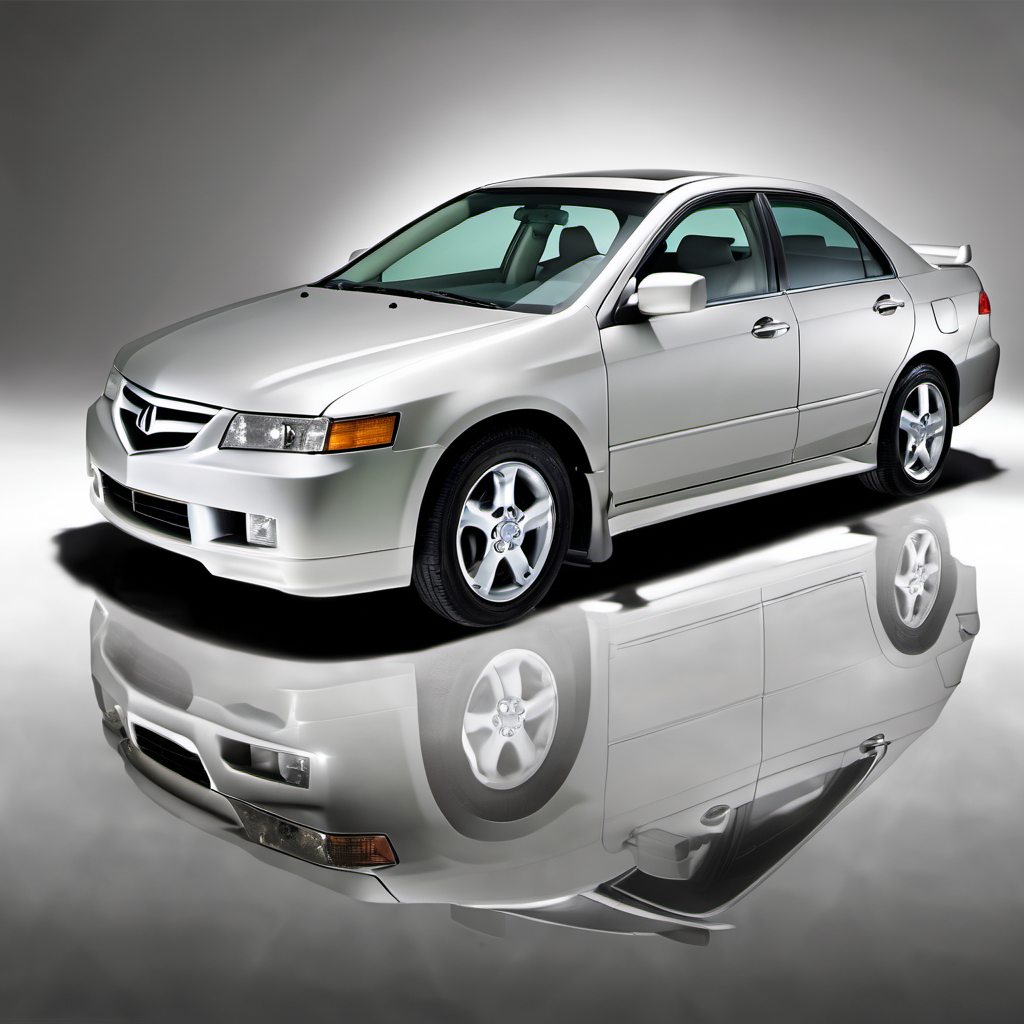
2005 Acura
Sedan
The 2005 Acura TSX is a compact sport sedan built on Honda's Accord Euro R platform, sold exclusively in North America. It punches well above its price class with a high-revving 2.4L i-VTEC four-cylinder, a slick 6-speed manual (or 5-speed automatic), and a chassis tuned sharper than almost anything else in its segment. It was Acura's entry-level sedan but never felt cheap — the interior fit and finish, steering feel, and overall refinement were genuinely impressive for the money. By 2005 the TSX had a year of production refinements behind it, making it one of the stronger model years in the first generation. It's a driver's car first: low and connected, with a naturally aspirated engine that rewards higher RPM use. It requires premium fuel, which is the one recurring grumble from owners. These cars age well when maintained. A clean, well-kept TSX at high mileage is common; a neglected one with oil change gaps will show it quickly in the VTEC system and timing chain area. Buy a good one and it'll reward you. Buy a rough one and the repair list adds up fast.
The 2005 Acura TSX is a compact sport sedan built on Honda's Accord Euro R platform, sold exclusively in North America. It punches well above its price class with a high-revving 2.4L i-VTEC four-cylinder, a slick 6-speed manual (or 5-speed automatic), and a chassis tuned sharper than almost anything else in its segment. It was Acura's entry-level sedan but never felt cheap — the interior fit and finish, steering feel, and overall refinement were genuinely impressive for the money. By 2005 the TSX had a year of production refinements behind it, making it one of the stronger model years in the first generation. It's a driver's car first: low and connected, with a naturally aspirated engine that rewards higher RPM use. It requires premium fuel, which is the one recurring grumble from owners. These cars age well when maintained. A clean, well-kept TSX at high mileage is common; a neglected one with oil change gaps will show it quickly in the VTEC system and timing chain area. Buy a good one and it'll reward you. Buy a rough one and the repair list adds up fast.
The K24 i-VTEC system is oil-pressure sensitive. Sludge buildup from extended intervals is the single leading cause of VTEC solenoid failures and VTC actuator wear on this engine. Use 5W-30 meeting API SN or better. OEM filter P/N 15400-PLM-A02; drain plug torque 29 ft-lb.
The VTC actuator rattle on cold starts is a known K24 issue. Catching it early (actuator + tensioner replacement) avoids a much more expensive timing chain service later.
The TSX uses iridium plugs with a 30K service interval. Worn plugs on this high-compression engine noticeably affect throttle response and fuel economy. Use OEM or OEM-equivalent iridium plugs.
Honda MTF for the 6-speed manual; Honda ATF-Z1 or DW-1 for the automatic. Using the correct Honda fluid is important — off-brand ATF causes shift quality issues and can accelerate clutch pack wear in the automatic.
Honda Blue coolant is pre-mixed and long-life, but it does degrade. Old coolant becomes acidic and attacks aluminum components. Critical in Wisconsin where freeze protection matters — verify the mix is good to at least -34°F.
DOT 3/4 fluid absorbs moisture over time, lowering its boiling point. In a sporty car that sees spirited driving, degraded fluid can cause brake fade under hard use.
Clogged sunroof drains are a consistent source of interior water damage on this generation TSX. Flush with low-pressure compressed air or water before Wisconsin winters begin — a wet headliner or floor mat in January is a frustrating and expensive fix.
The hydraulic rack seal life is extended by clean fluid. Use Honda PSF only — this system is picky. Low fluid level at any inspection warrants an immediate rack leak check.
Always defer to the manufacturer's service manual for warranty-mandated intervals.
The TSX is an inexpensive car to own when maintained properly. Routine service costs are low, parts are widely available, and independent Honda-specialist shops can handle everything. The two budget items to plan for: premium fuel every fill-up, and a potential A/C compressor job if it hasn't been done yet. Avoid buying a high-mileage example with unknown oil change history — the savings on purchase price will evaporate quickly.
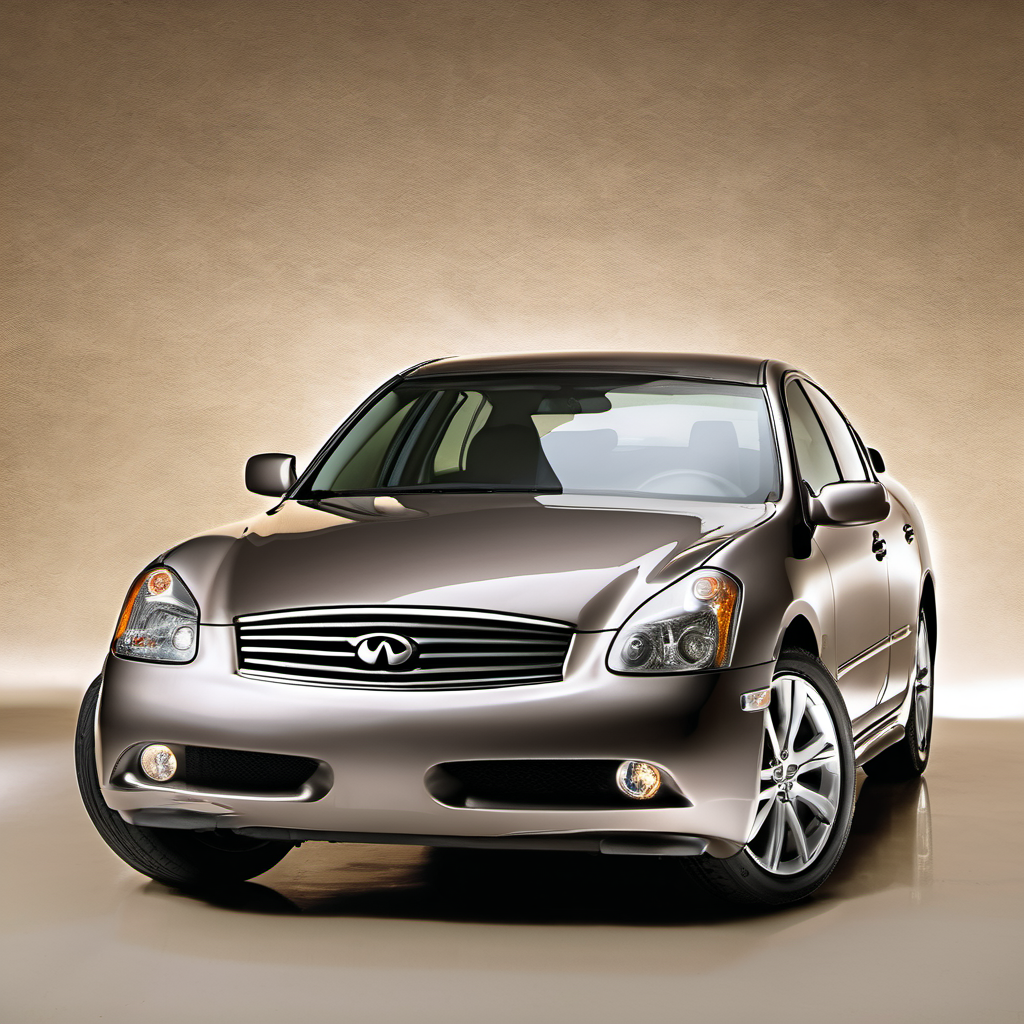
Similar sport-sedan mission and used price range, but RWD with a larger V6. More power, higher running costs, and bigger fun-to-drive gap — but also more expensive to maintain and harder on rear tires in Wisconsin winters.
/2005_Volkswagen_Jetta_(New)_91052e72_00001_.png)
Direct segment competitor with a turbocharged 1.8T or 2.0T, sharp handling, and similar pricing used. Offers a manual option. Less long-term reliability than the TSX; maintenance costs run noticeably higher at an independent shop.
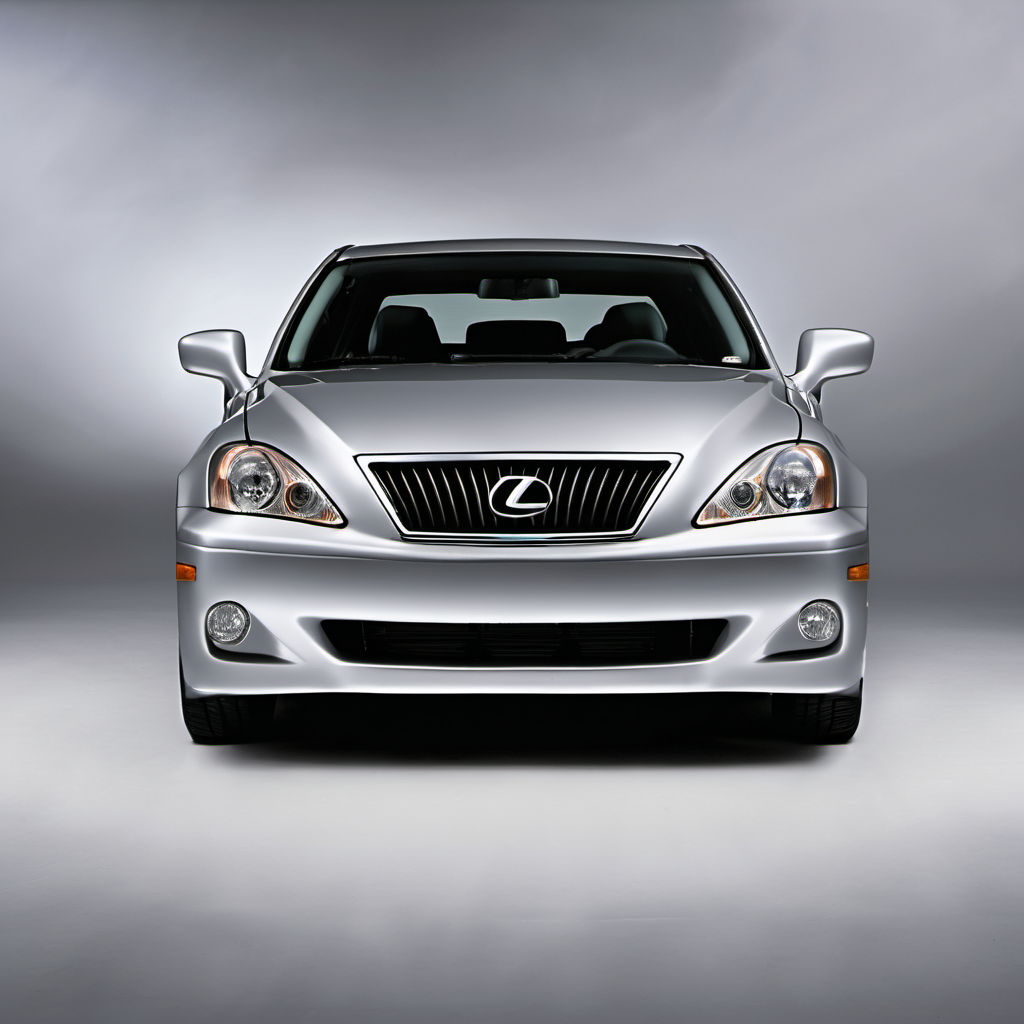
RWD sport sedan with Toyota reliability credentials. The IS300's 3.0L inline-6 is smooth and durable. Slightly larger, not quite as sharp to drive, but comparable used pricing and excellent long-term dependability.
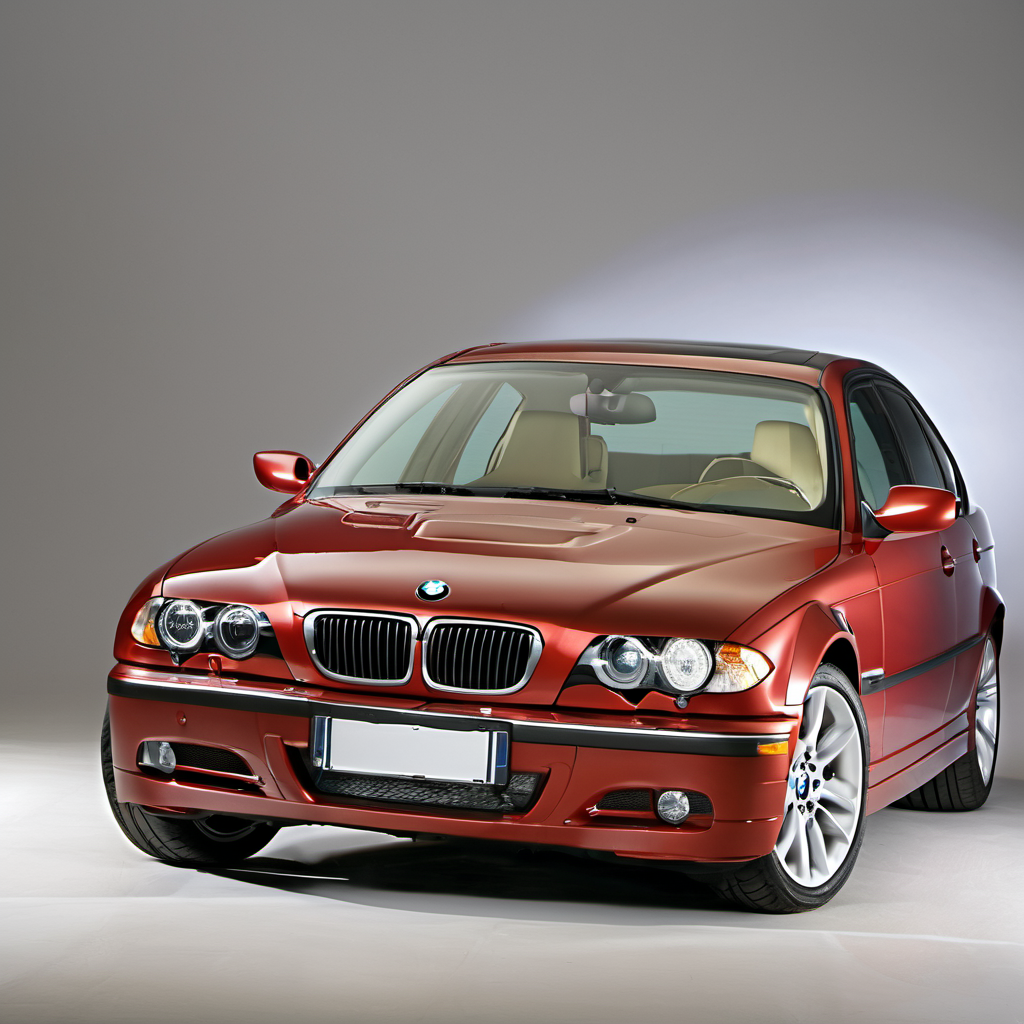
The benchmark of the segment for handling and driver feel. A used 325i is compelling on paper, but out-of-warranty German maintenance costs (especially at Wisconsin independent shop rates) frequently exceed what the car is worth. The TSX is the more practical buy for most owners.