VTC Actuator Rattle / Variable Valve Timing Fault
high- Typically appears
- 60–120k mi
- Estimated repair
- $400 – $950
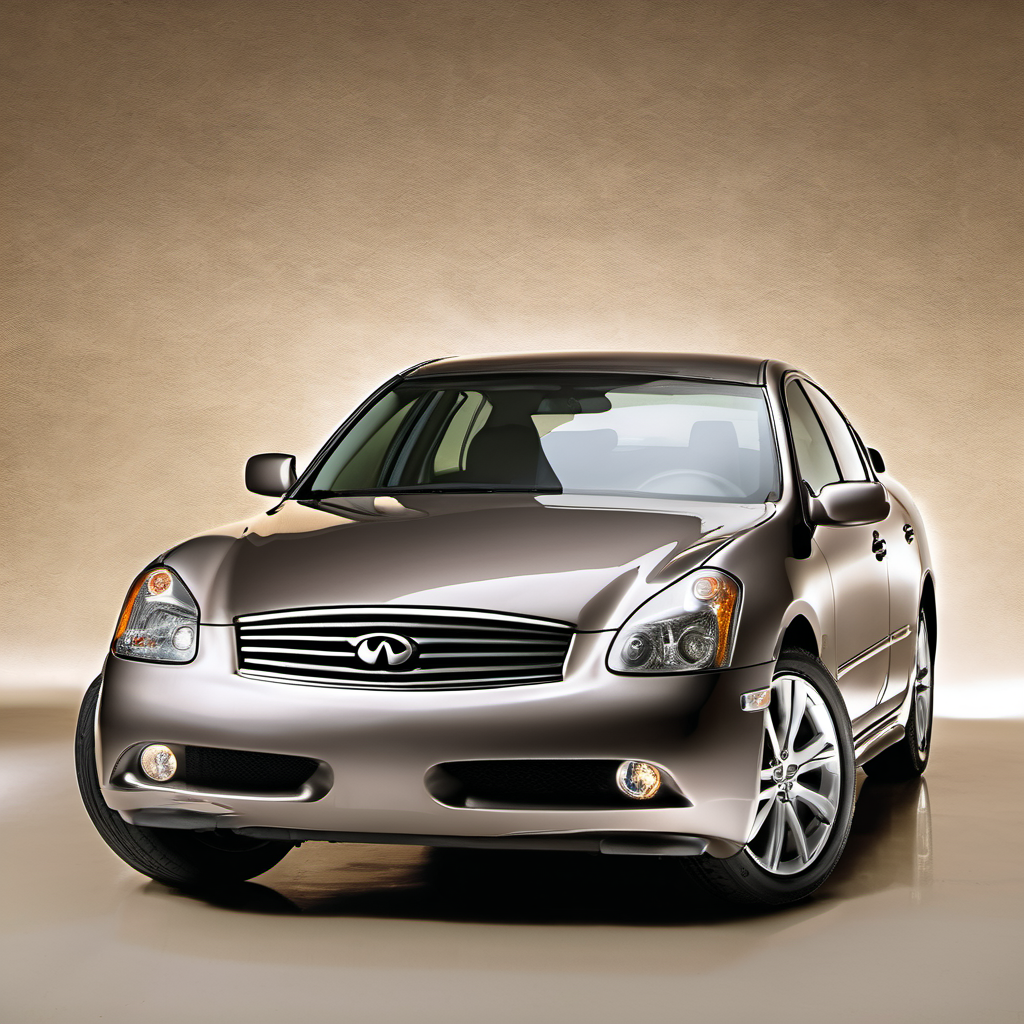
2005 INFINITI
3.5L V6 (VQ35DE) · Coupe
The 2005 Infiniti G35 Coupe is the second-generation (V35 platform) G35, sharing its FM platform and 3.5L VQ35DE V6 with the Nissan 350Z. It blends genuine sports-car performance with a livable interior, rear-wheel drive as standard, and available 6-speed manual or 5-speed automatic. This generation earned a strong following for its steering feel, engine character, and build quality — it's a legitimate driver's car wearing luxury badges. At 20 years old, a well-kept example is still a rewarding ownership experience, but deferred maintenance catches up quickly on the VQ35 engine — particularly anything related to the VVEL/VTC variable valve timing system and cooling. Rust is a real concern on cars that spent their lives in the Salt Belt, and this is Lake Geneva country, so inspect the undercarriage carefully. Parts availability is excellent — the G35 Coupe shares a huge amount with the 350Z, meaning both OEM and aftermarket supply chains are healthy. Running costs at an independent shop are reasonable for a 20-year-old sports coupe, as long as you stay on top of oil changes and don't ignore early warning codes.
The 2005 Infiniti G35 Coupe is the second-generation (V35 platform) G35, sharing its FM platform and 3.5L VQ35DE V6 with the Nissan 350Z. It blends genuine sports-car performance with a livable interior, rear-wheel drive as standard, and available 6-speed manual or 5-speed automatic. This generation earned a strong following for its steering feel, engine character, and build quality — it's a legitimate driver's car wearing luxury badges. At 20 years old, a well-kept example is still a rewarding ownership experience, but deferred maintenance catches up quickly on the VQ35 engine — particularly anything related to the VVEL/VTC variable valve timing system and cooling. Rust is a real concern on cars that spent their lives in the Salt Belt, and this is Lake Geneva country, so inspect the undercarriage carefully. Parts availability is excellent — the G35 Coupe shares a huge amount with the 350Z, meaning both OEM and aftermarket supply chains are healthy. Running costs at an independent shop are reasonable for a 20-year-old sports coupe, as long as you stay on top of oil changes and don't ignore early warning codes.
The VQ35DE's VTC actuators and oil-control solenoids are extremely sensitive to oil degradation. Sludge from extended intervals is the single biggest cause of expensive VTC and timing chain repairs on this engine.
The cooling system radiator and hoses age quickly on a 20-year-old car. A failed thermostat or slow coolant leak can go unnoticed until overheating damages the engine. Inspect hoses, clamps, and the radiator plastic tanks.
The VQ35 uses iridium plugs with a long service life, but access to the rear bank requires removing the intake plenum — labor adds up, so don't skip the interval.
Infiniti's factory 'lifetime' fluid spec is optimistic for a 20-year-old transmission. Fresh Matic J or equivalent fluid keeps the RE5R05A shifting crisply and extends clutch pack life.
The open or LSD rear diff on this RWD coupe takes abuse in spirited driving. Old fluid breaks down and accelerates wear on the ring and pinion. Use the correct hypoid gear oil; LSD-equipped cars need a friction modifier.
Brake fluid absorbs moisture over time, lowering boiling point and promoting internal corrosion in calipers and ABS hardware. Critical on a performance-oriented RWD car used in all seasons.
Salt Belt corrosion on the subframe, control arm mounting points, and brake lines is an existential threat to this car's safety and value. Annual inspection and touch-up rustproofing on exposed metal is cheap insurance.
Belt failure leaves you stranded and can damage ancillaries. On a 20-year-old car, inspect every oil change and replace proactively if any cracking or glazing is visible.
Always defer to the manufacturer's service manual for warranty-mandated intervals.
A well-maintained G35 Coupe is an affordable sports car to run at an independent shop. Routine maintenance (oil, fluids, plugs, brakes) runs $600–$1,400/year. The risk is deferred maintenance catching up: a VTC actuator job is $400–$950, a timing chain service can hit $2,500, and subframe rust repair on a Salt Belt car can easily exceed $1,500–$3,000. Keep up with oil changes and address cam timing codes immediately, and this car rewards you with low day-to-day costs.
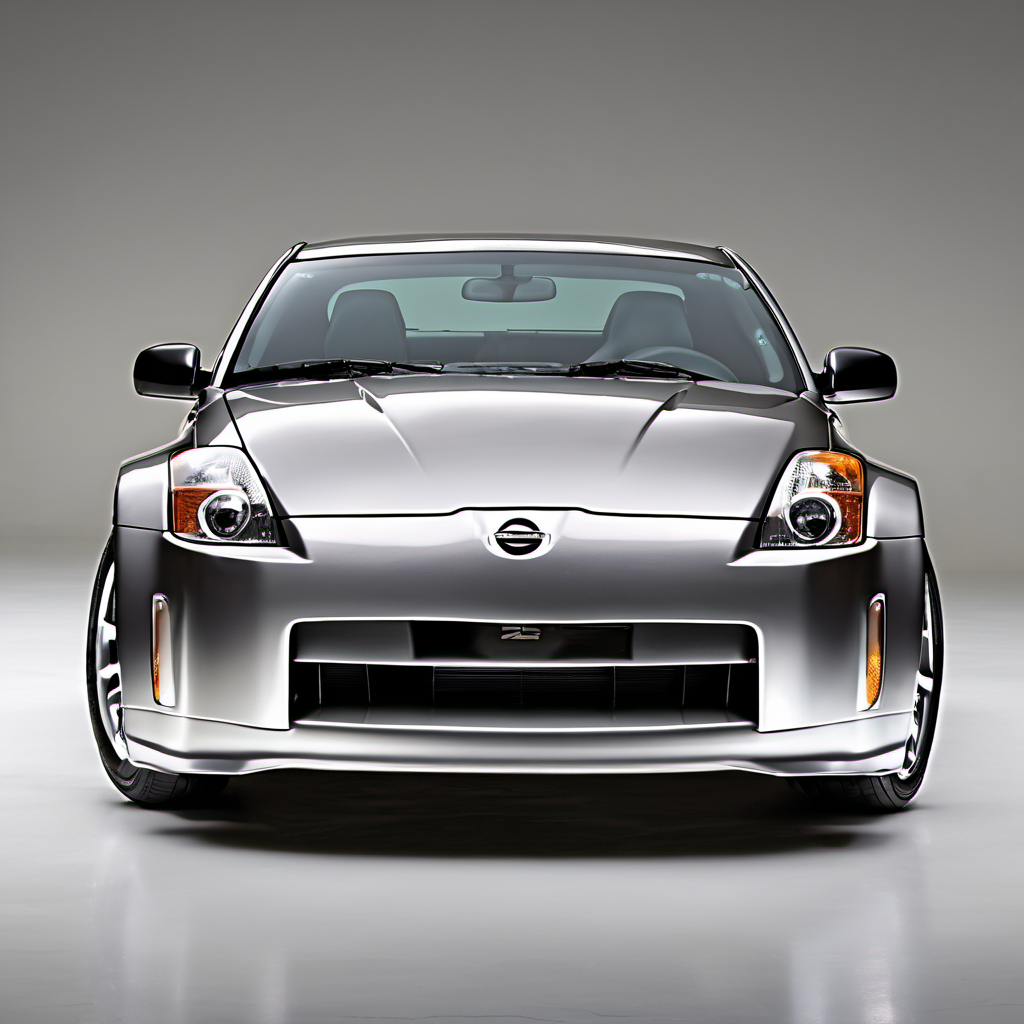
Shares the identical VQ35DE engine and FM platform. Sportier and lighter but strictly 2-seat. Parts are fully interchangeable in most cases, making it an easy cross-shop.
Comparable RWD sports coupe with inline-6 power and a similar luxury-sport balance. Strong driver engagement and similar pricing used, though BMW repair costs at an independent shop run notably higher.
No catalog match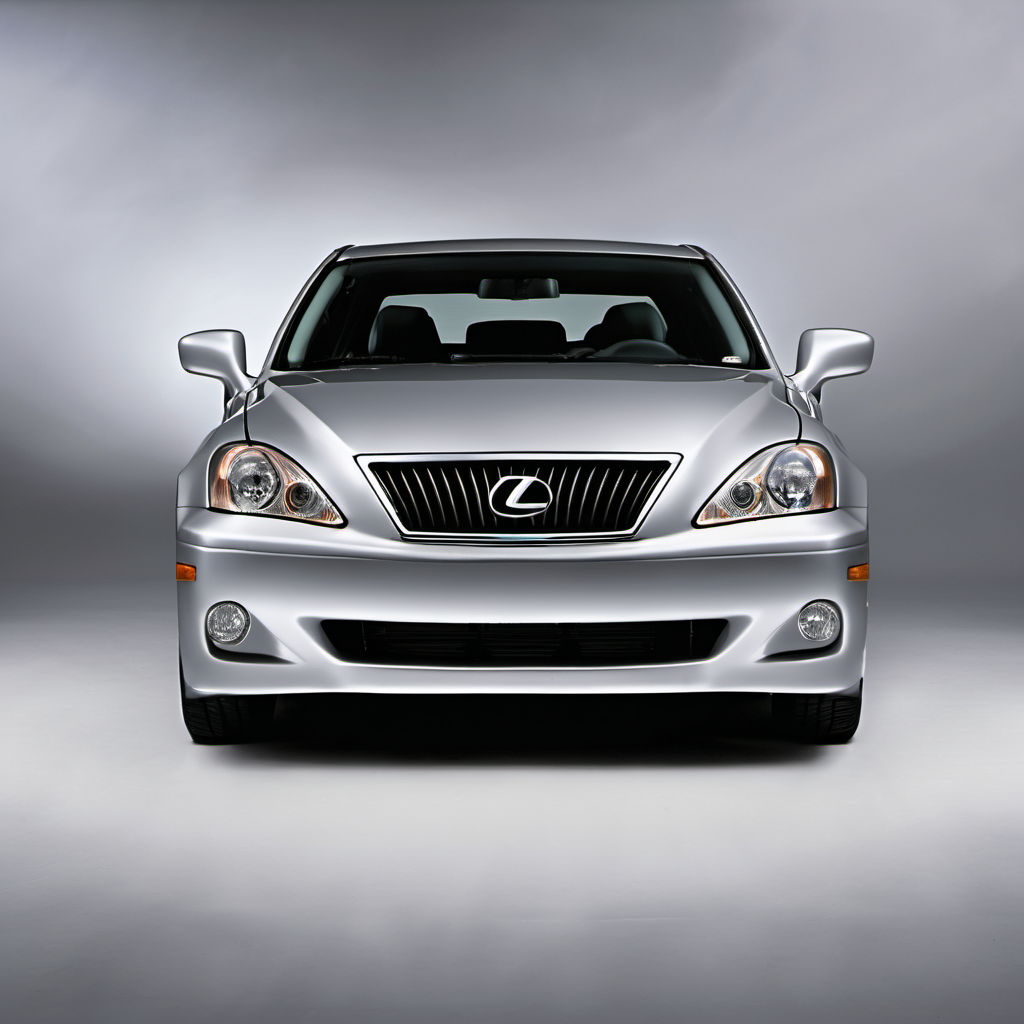
RWD sport sedan from a competing Japanese luxury brand in the same era. Slightly less power but exceptional reliability and a more understated character. Good alternative if road-salt rust on the G35 is a concern.
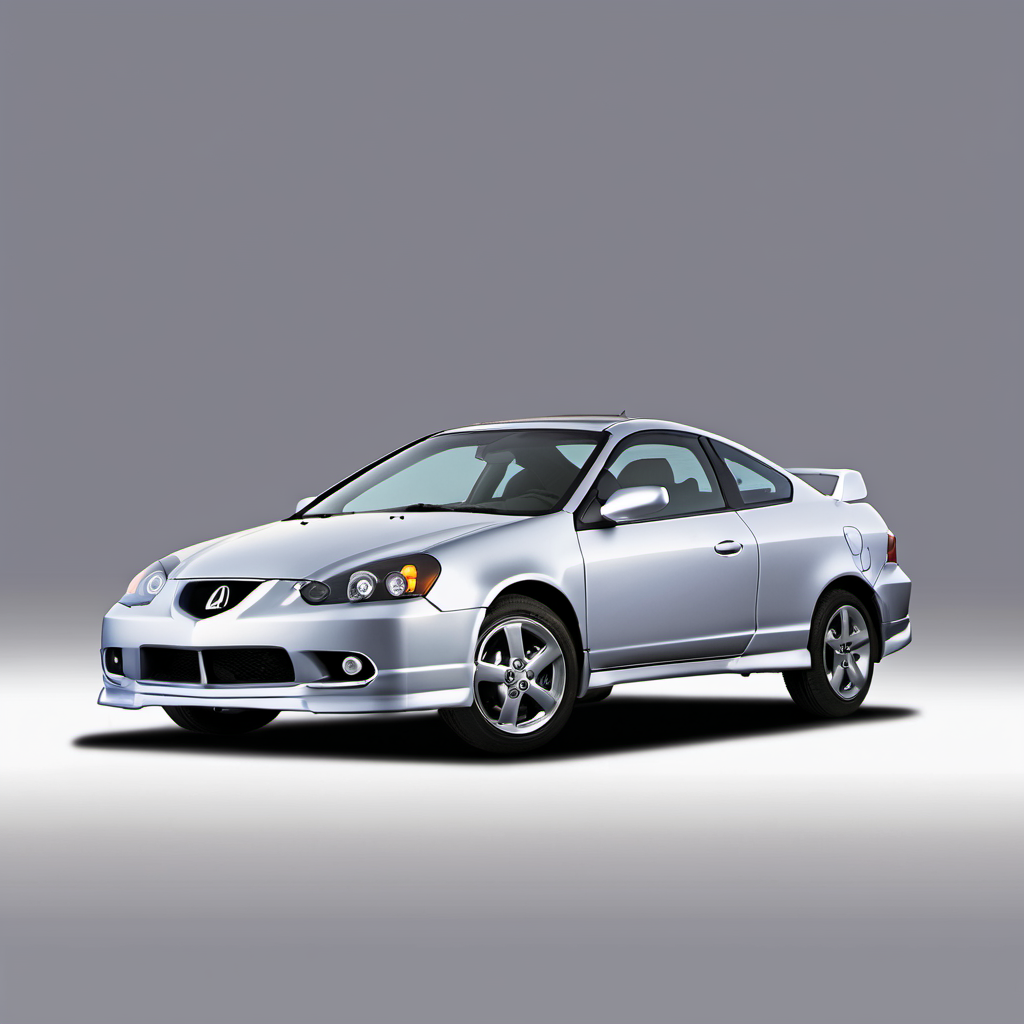
Front-wheel drive, so handling character differs, but it's a strong competitor as a Japanese sport coupe from the same period — lower running costs and slightly more practical for Wisconsin winters.