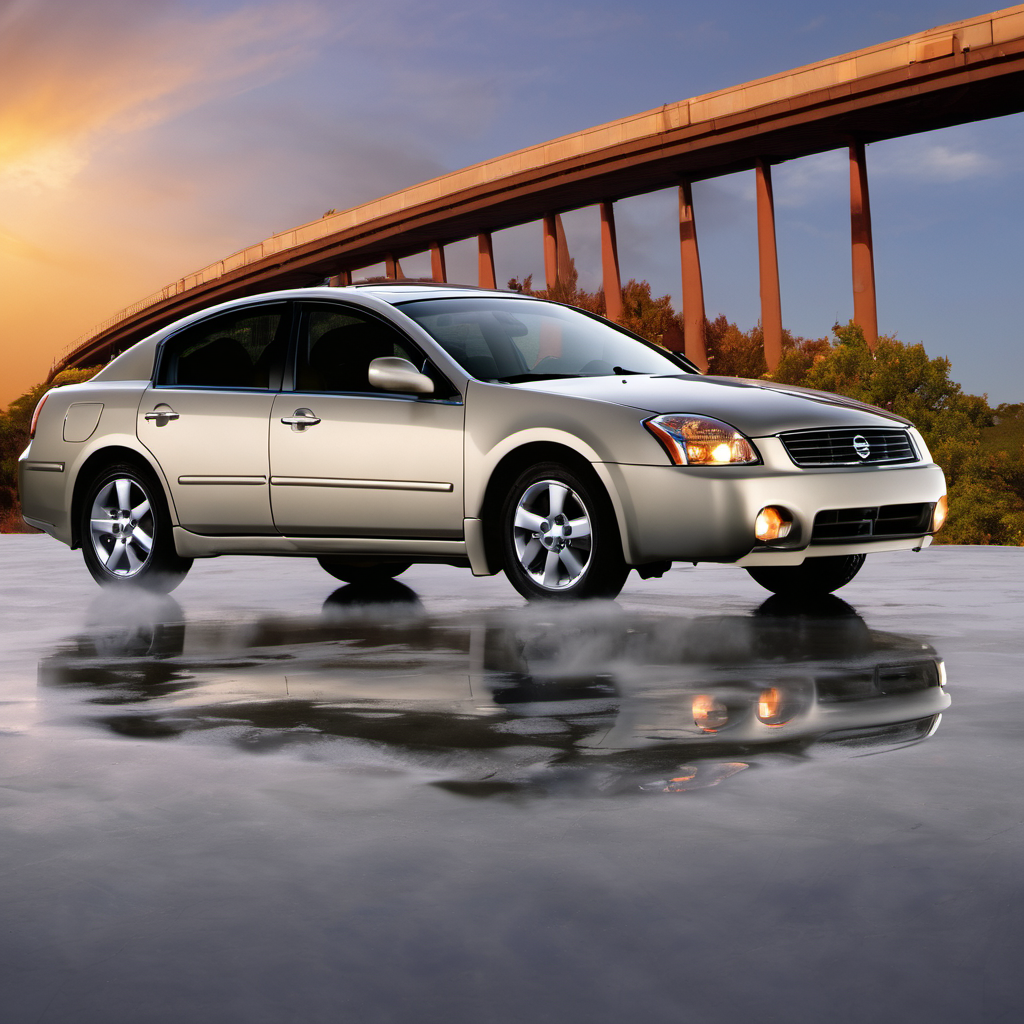
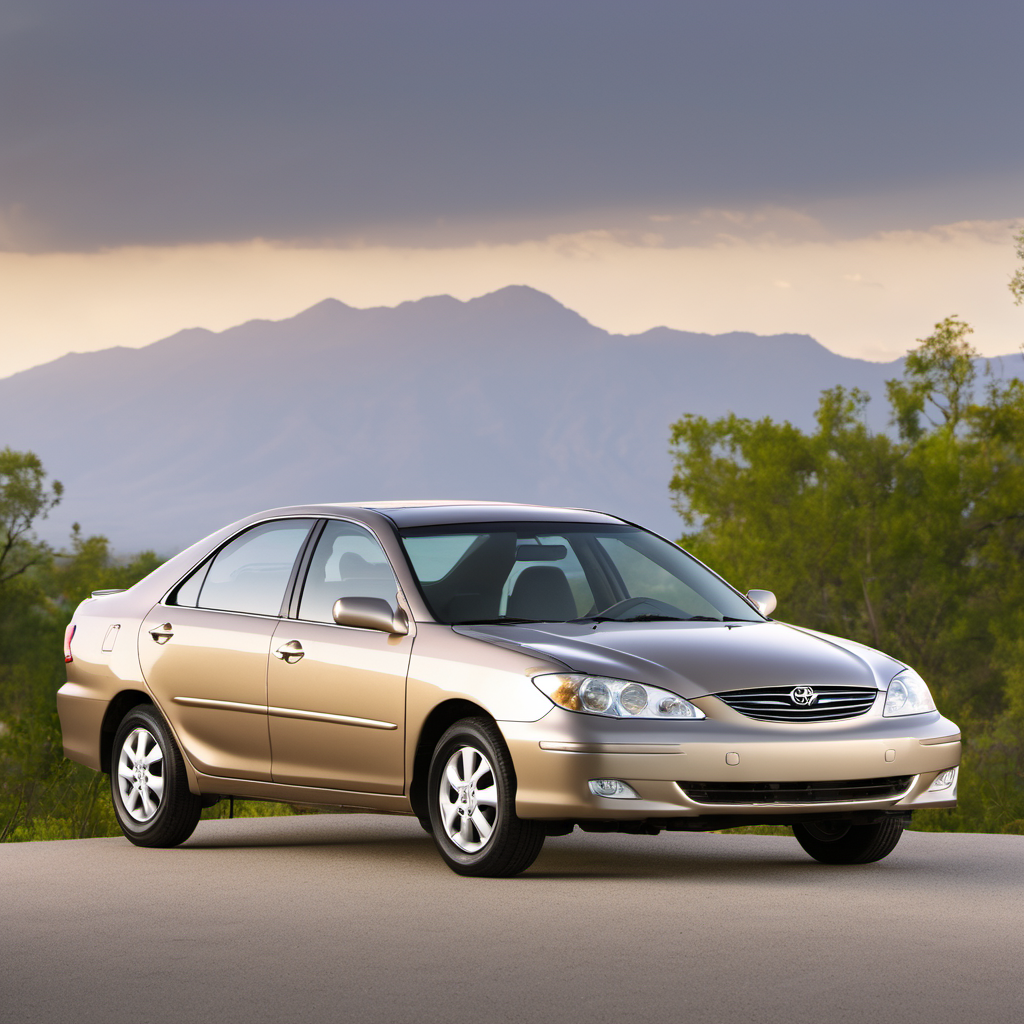
2004 Nissan Maxima Sedan

2004 Nissan

MaximaSedan

Sedan

The 2004 Nissan Maxima is the sixth generation of Nissan's flagship front-wheel-drive sport sedan, sharing its VQ35DE V6 platform with the Altima and 350Z. Nissan marketed it as a '4-Door Sports Car,' and with 265 horsepower on tap, the label wasn't entirely off-base. It's a roomy, driver-focused sedan that punches above its weight in performance while still being practical enough for daily use. The VQ35DE engine is one of the most celebrated V6s of its era — smooth, responsive, and genuinely durable when maintained properly. The 6-speed manual was rare but prized; most buyers got the CVT-adjacent 'Xtronic' or the conventional 5-speed automatic. At 20 years old, a used example today lives or dies by how well its previous owners treated the drivetrain and whether rust has had its way with the undercarriage. For a Lake Geneva buyer, the FWD layout handles winter snow reasonably well, but these cars are low to the ground and not designed for deep accumulation. Rust is the primary enemy on a 2004 Wisconsin car — budget for a thorough underbody inspection before purchase.

Reliability
3/5
Verified data
Specs shown for Maxima — the most common configuration. Other trims may vary in engine, drivetrain, or fuel economy. Sign in to see your vehicle's exact specs.
Engine
[object Object]
Drivetrain
FWD
Fuel
Gasoline
MPG
18 city / 25 hwy / 21 combined
Seats
Doors
Body
Midsize Cars

Overview

AI-curated

The 2004 Nissan Maxima is the sixth generation of Nissan's flagship front-wheel-drive sport sedan, sharing its VQ35DE V6 platform with the Altima and 350Z. Nissan marketed it as a '4-Door Sports Car,' and with 265 horsepower on tap, the label wasn't entirely off-base. It's a roomy, driver-focused sedan that punches above its weight in performance while still being practical enough for daily use. The VQ35DE engine is one of the most celebrated V6s of its era — smooth, responsive, and genuinely durable when maintained properly. The 6-speed manual was rare but prized; most buyers got the CVT-adjacent 'Xtronic' or the conventional 5-speed automatic. At 20 years old, a used example today lives or dies by how well its previous owners treated the drivetrain and whether rust has had its way with the undercarriage. For a Lake Geneva buyer, the FWD layout handles winter snow reasonably well, but these cars are low to the ground and not designed for deep accumulation. Rust is the primary enemy on a 2004 Wisconsin car — budget for a thorough underbody inspection before purchase.

Known for
  • Powerful and refined VQ35DE 3.5L V6
  • Sporty handling for a front-wheel-drive sedan
  • Upscale interior feel relative to its price class
  • Strong engine longevity when oil changes are kept up
  • Available 6-speed manual transmission (rare for the segment)
Best for
  • Drivers who want near-sports-car performance in a practical sedan
  • Highway commuters who can take advantage of the V6's power band
  • Budget-conscious buyers seeking a premium feel at used-car prices
  • Owners comfortable with DIY or independent-shop maintenance
Watch for
  • Rust on subframe, floor pans, and wheel wells on Midwest/Wisconsin cars
  • CVT or automatic transmission wear on high-mileage examples
  • Oil consumption on neglected VQ35DE engines
  • Catalytic converter deterioration (common on aging examples)
  • Timing chain tensioner wear if oil changes were skipped

Common issues by mileage

6 known

Catalytic Converter Failure

high
Typically appears
80–150k mi
Estimated repair
$400 – $900

Automatic Transmission Slipping or Harsh Shifts

medium
Typically appears
100–180k mi
Estimated repair
$800 – $3,200

Oxygen / Air-Fuel Sensor Failure

medium
Typically appears
80–130k mi
Estimated repair
$150 – $400

Undercarriage / Subframe Rust (Wisconsin Specific)

high
Typically appears
Any mileage on Midwest cars
Estimated repair
$500 – $3,500

Timing Chain Tensioner Wear

low
Typically appears
120k+ mi (neglected oil changes)
Estimated repair
$600 – $1,400

Maintenance schedule

  1. 1
    Every 5,000 miles or 6 months Engine oil and filter change

    The VQ35DE's variable valve timing system is oil-pressure dependent. Dirty or low oil accelerates tensioner and VTC actuator wear, leading to costly camshaft timing codes.

  2. 2
    Every 30,000 miles Transmission fluid change

    Nissan's factory interval is longer, but independent shops and real-world experience suggest 30k is safer for preserving the automatic — especially on a car this age. Use the correct Nissan Matic fluid specification.

  3. 3
    Every 30,000 miles or 2 years Coolant flush

    Degraded coolant accelerates corrosion inside the cooling system. Critical before a Wisconsin winter to ensure freeze protection is adequate for sub-zero temps.

  4. 4
    Every 60,000 miles Spark plug replacement

    The VQ35DE has 6 plugs but rear bank access is labor-intensive. Don't skip this — worn plugs cause misfires, rough idle, and can mask bigger issues.

  5. 5
    Every 2 years Brake fluid flush

    Brake fluid absorbs moisture over time, lowering its boiling point. On a car used in Wisconsin winters with road salt, caliper and line corrosion makes fresh fluid even more important.

  6. 6
    Every 15,000 miles or annually Inspect and lubricate brake calipers and slides

    Road salt causes caliper slides to seize, leading to uneven pad wear and brake drag. Common on all Midwest cars of this vintage.

  7. 7
    Every 15,000–20,000 miles Air filter replacement

    A dirty air filter robs the VQ35DE of the airflow it needs to perform efficiently and can trigger MAF-related codes.

  8. 8
    Annually, before winter Undercarriage rust inspection and treatment

    2004 Maximas from the Midwest are prime candidates for subframe and floor pan rust. Annual inspection and spot treatment can extend the car's safe service life significantly.

Always defer to the manufacturer's service manual for warranty-mandated intervals.

Cost of ownership

Annual maintenance
$600 – $1,400
Fuel
At ~21 MPG combined and Wisconsin average gas prices, expect roughly $1,800–$2,400/year for a typical 12,000-mile driver using regular 87 octane (Nissan allows it; premium improves performance slightly).
Insurance
Typically moderate — full coverage on a 20-year-old Maxima runs roughly $900–$1,400/year depending on driver history and carrier. Actual cash value is low, so some owners drop to liability-only.

A well-maintained 2004 Maxima is a relatively affordable car to own. Routine maintenance at an independent shop is the main yearly cost. The big risks are deferred transmission service or a rust-compromised body — either can turn a $4,000 car into a money pit fast. Budget an extra $500–$1,000 for surprise items on any example over 120k miles.
Seasonal care

Lake Geneva, WI
Winter
  • Test the battery before temperatures drop — cold cranking a 3.5L V6 at -10°F demands a strong battery. Replace any battery over 4 years old proactively.
  • Check coolant freeze protection with a test strip or refractometer; should be protected to at least -34°F for Lake Geneva winters.
  • Switch to a winter-rated washer fluid rated for -20°F or colder. The low nose on the Maxima puts the windshield in the direct line of road spray.
  • Inspect wiper blades and consider winter-style blades; the curved windshield can cause standard blades to skip when ice-loaded.
  • Flush brake system and inspect calipers before winter — road salt accelerates slide seizure and line corrosion on this vintage.
  • Rinse the undercarriage frequently through the salt season, paying attention to the subframe and rear wheel wells where rust starts on these cars.
Summer
  • Check tire pressure monthly — Wisconsin summer heat causes pressure to rise; overinflation causes center-tread wear and reduces grip.
  • Inspect the A/C system for refrigerant leaks before peak heat; the Maxima's cabin heats up quickly with a dark interior.
  • Check the coolant level and watch for any signs of overheating — a 20-year-old cooling system may have a tired thermostat or weak radiator cap.
  • Inspect serpentine belt and tensioner — heat accelerates rubber degradation and a snap leaves you stranded.
  • Clean the cabin air filter if equipped; summer pollen loads it fast and reduces A/C effectiveness.

Comparable vehicles

If you're shopping for one

Red flags
  • Any visible rust holes in the floor pan, subframe, or rocker panels — walk away.
  • No transmission service history on a car over 80k miles.
  • Check engine light on or recently cleared (request OBD scan history).
  • Cold-start knock or rattle that disappears after warm-up — timing system wear that will only get worse.
  • Coolant or oil leaks around the valve covers or intake manifold gaskets.
  • Mismatched or peeling paint panels suggesting a repaired collision with possible frame/structural damage.
What to inspect
  • Undercarriage: crawl under and look at the subframe mounts, floor pans, and rear wheel wells for rust perforation — this is the #1 deal-breaker on Wisconsin cars.
  • Transmission: test drive includes hard acceleration from a stop and highway-speed downshift. Any slip, shudder, or hesitation warrants a fluid inspection and possibly a specialist look.
  • Check engine oil condition and level — milky or sludgy oil signals a neglected VQ35DE that may have timing chain or VTC issues.
  • Listen for a rattling or ticking on cold start (first 30 seconds) — can indicate timing chain tensioner wear or VTC actuator trouble.
  • Verify both front catalytic converters are original and functional — replacements are common but quality varies widely.
  • Test all power accessories: windows, moonroof, seat adjusters — electrical gremlins are common on 20-year-old examples.
  • Inspect brake rotors for deep rust grooving beyond normal surface rust — common on cars that sit in Wisconsin winters.
AI profile generated 8 days ago · claude-sonnet-4-6 · v2.