VVT-i Oil Control Valve (OCV) / Cam Actuator Sludge
medium- Typically appears
- 80–150k mi
- Estimated repair
- $200 – $900
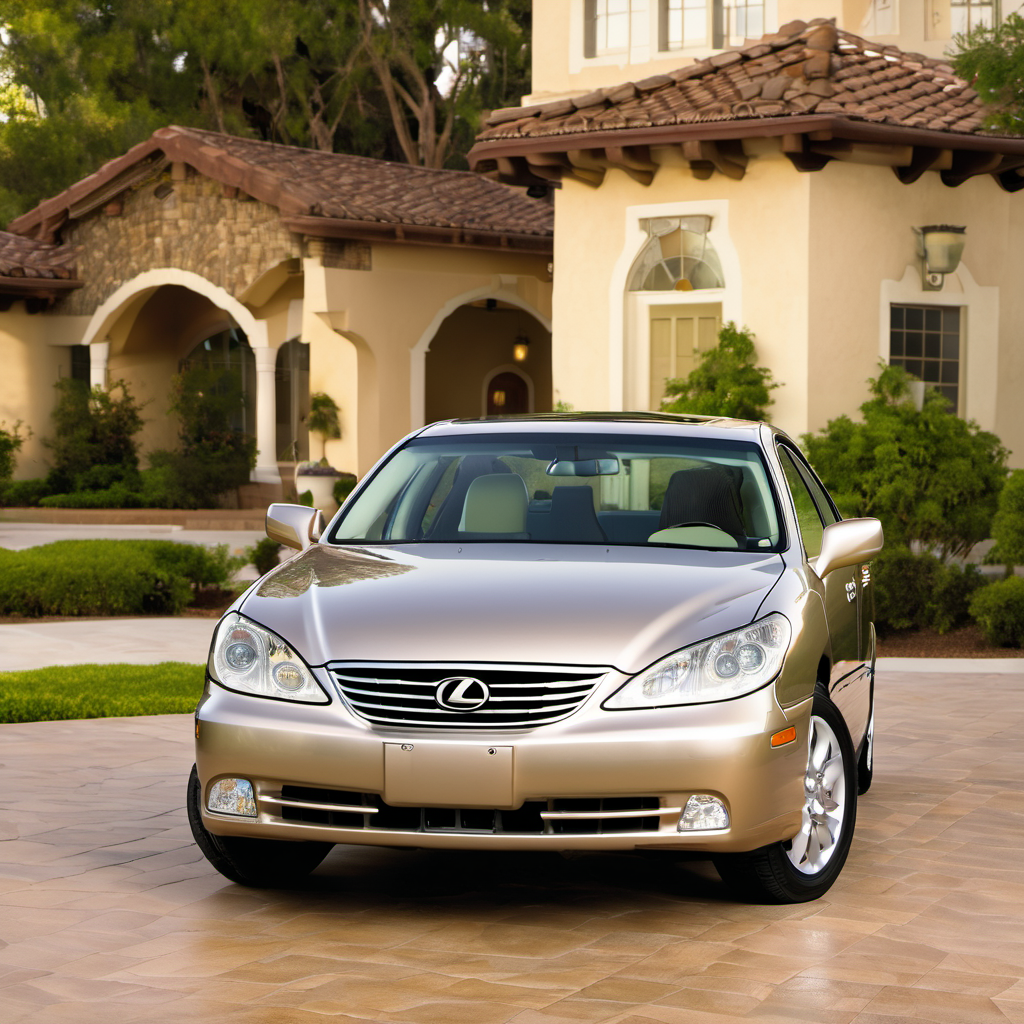
2004 Lexus
Sedan
The 2004 Lexus ES 330 is the fourth generation of Lexus's entry-level luxury sedan, riding on Toyota's proven Camry platform but wrapped in a quieter, more refined package. It received a bump from the outgoing ES 300's 3.0L V6 to a 3.3L unit that year, making it one of the more capable ES models of the era. Lexus built this car to coddle its owner — ultra-quiet cabin, buttery ride, and bulletproof Toyota mechanicals underneath. At 20 years old, most ES 330s on the used market have accumulated significant mileage, but the underlying engine and transmission architecture is well-proven. These cars routinely reach 200k+ miles when maintained. The main gotchas are deferred maintenance (sludge from infrequent oil changes), aging rubber bushings, and the creeping electrical gremlins that come with aging luxury electronics. For a Lake Geneva buyer, the ES 330 is a comfortable, low-drama daily driver with a solid heat system and a tight, well-sealed cabin — though the FWD layout and relatively low ground clearance mean winter tires are not optional in a Wisconsin winter.
The 2004 Lexus ES 330 is the fourth generation of Lexus's entry-level luxury sedan, riding on Toyota's proven Camry platform but wrapped in a quieter, more refined package. It received a bump from the outgoing ES 300's 3.0L V6 to a 3.3L unit that year, making it one of the more capable ES models of the era. Lexus built this car to coddle its owner — ultra-quiet cabin, buttery ride, and bulletproof Toyota mechanicals underneath. At 20 years old, most ES 330s on the used market have accumulated significant mileage, but the underlying engine and transmission architecture is well-proven. These cars routinely reach 200k+ miles when maintained. The main gotchas are deferred maintenance (sludge from infrequent oil changes), aging rubber bushings, and the creeping electrical gremlins that come with aging luxury electronics. For a Lake Geneva buyer, the ES 330 is a comfortable, low-drama daily driver with a solid heat system and a tight, well-sealed cabin — though the FWD layout and relatively low ground clearance mean winter tires are not optional in a Wisconsin winter.
The 3MZ-FE's VVT-i system is extremely sensitive to oil quality and viscosity. Sludge from infrequent changes is the #1 cause of expensive cam actuator damage on this engine. Use 5W-30 full synthetic.
Lexus lists this fluid as 'lifetime,' but real-world experience shows changing it at 60k intervals dramatically extends transmission life. Use Toyota WS ATF only.
Toyota's pink long-life coolant degrades over time and loses its corrosion inhibitors. Old coolant accelerates water pump seal and radiator wear — both costly on this platform.
The 3.3L V6 uses iridium plugs with a 60k service life. Worn plugs stress the ignition coils, which are not cheap to replace. Access to the rear bank requires intake manifold work — do all six at once.
Brake fluid absorbs moisture over time, lowering its boiling point. In Wisconsin's freeze-thaw cycles, moisture in the lines accelerates caliper and ABS modulator corrosion.
A clogged cabin filter strains the HVAC blower motor and reduces defogging effectiveness — a real safety concern in Wisconsin winters.
Window regulator failures are common on this generation. Periodic inspection and light lubrication of the cable and tracks can extend regulator life.
Wisconsin salt and freeze-thaw cycles accelerate bushing deterioration. Catching worn bushings early prevents alignment damage and tire wear.
Always defer to the manufacturer's service manual for warranty-mandated intervals.
The ES 330 is one of the more affordable-to-own used luxury sedans. Routine maintenance runs $600–$1,400/year on a well-kept example. Budget an additional $1,000–$2,500 in catch-up work if buying a car with deferred maintenance (suspension, power steering fluid flush, plugs, etc.). Avoid examples with unknown oil change history — a sludged VVT-i system can easily cost $2,000–$4,000 to repair and will erase any price advantage.
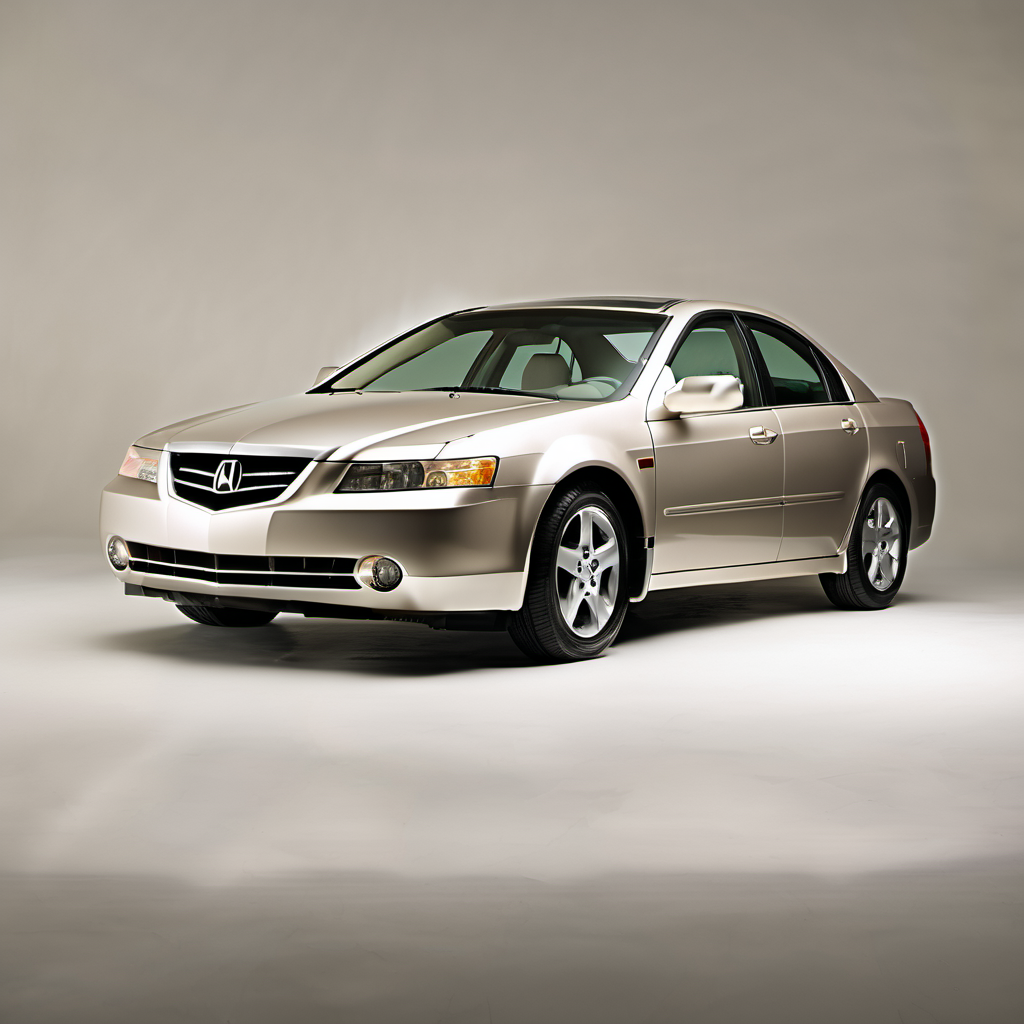
Same FWD luxury sedan formula, similar price range used, with a Honda-derived V6 that's equally durable. The TL is sportier and a touch firmer-riding but offers similar long-term reliability.
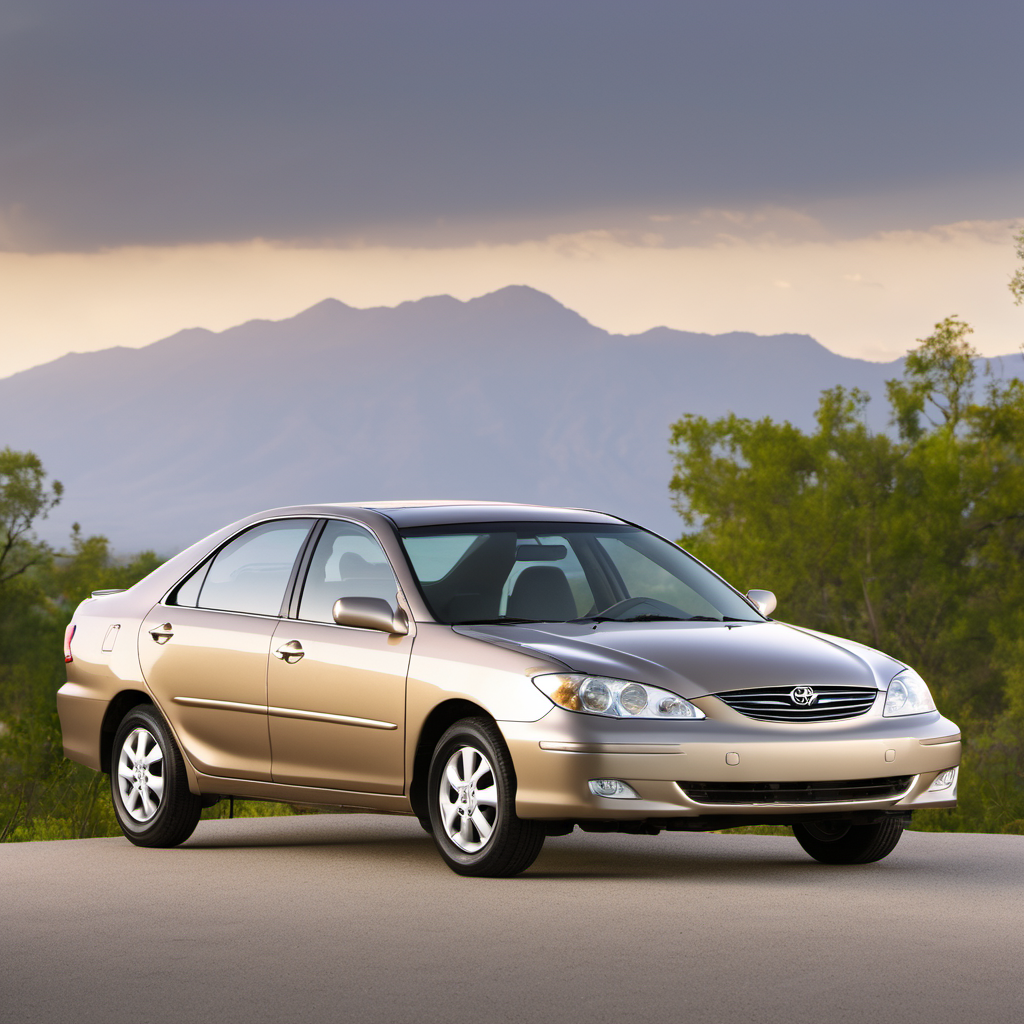
Shares the same platform and 3.3L V6 as the ES 330 at a lower used price. Less refined interior, but mechanically identical underneath — a valid value play.
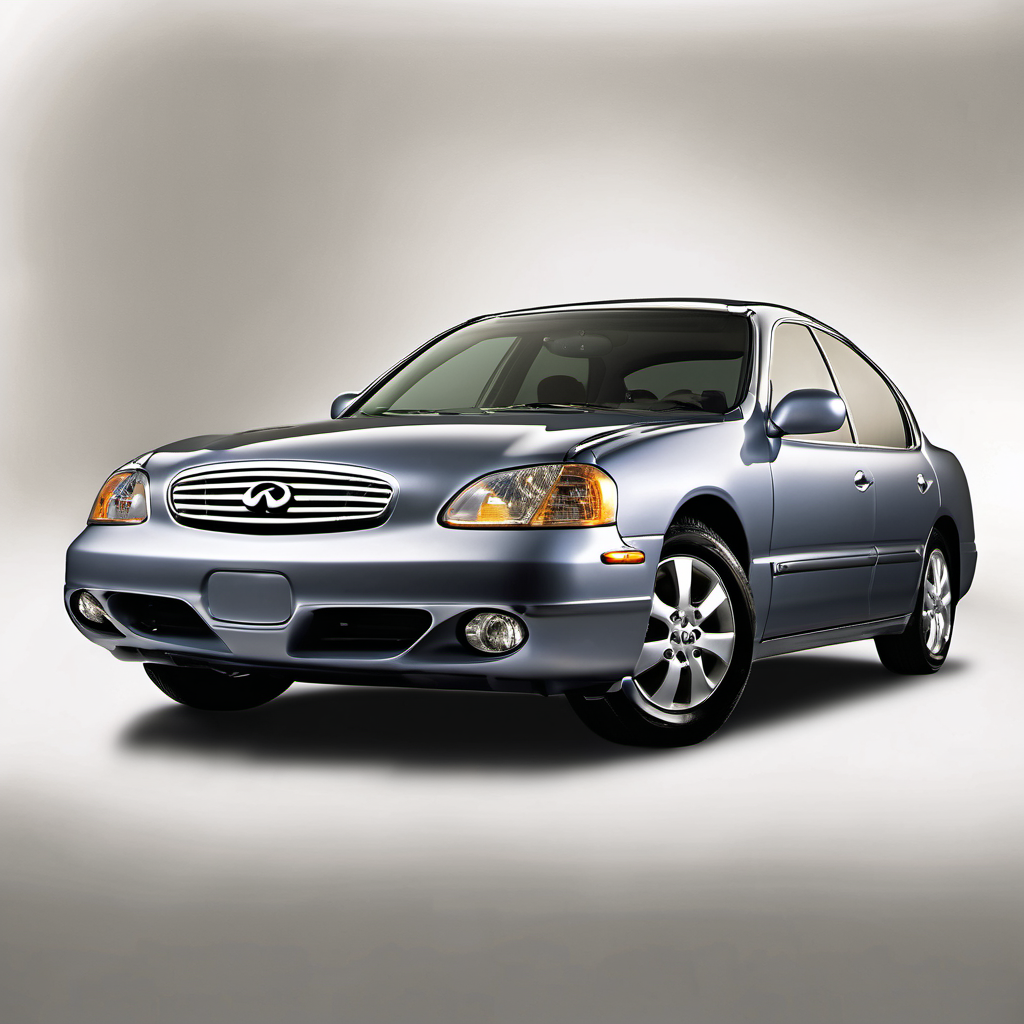
Nissan-based luxury sedan in the same class and price band. RWD-biased AWD option gives it a winter edge, though it has its own aging maintenance concerns.
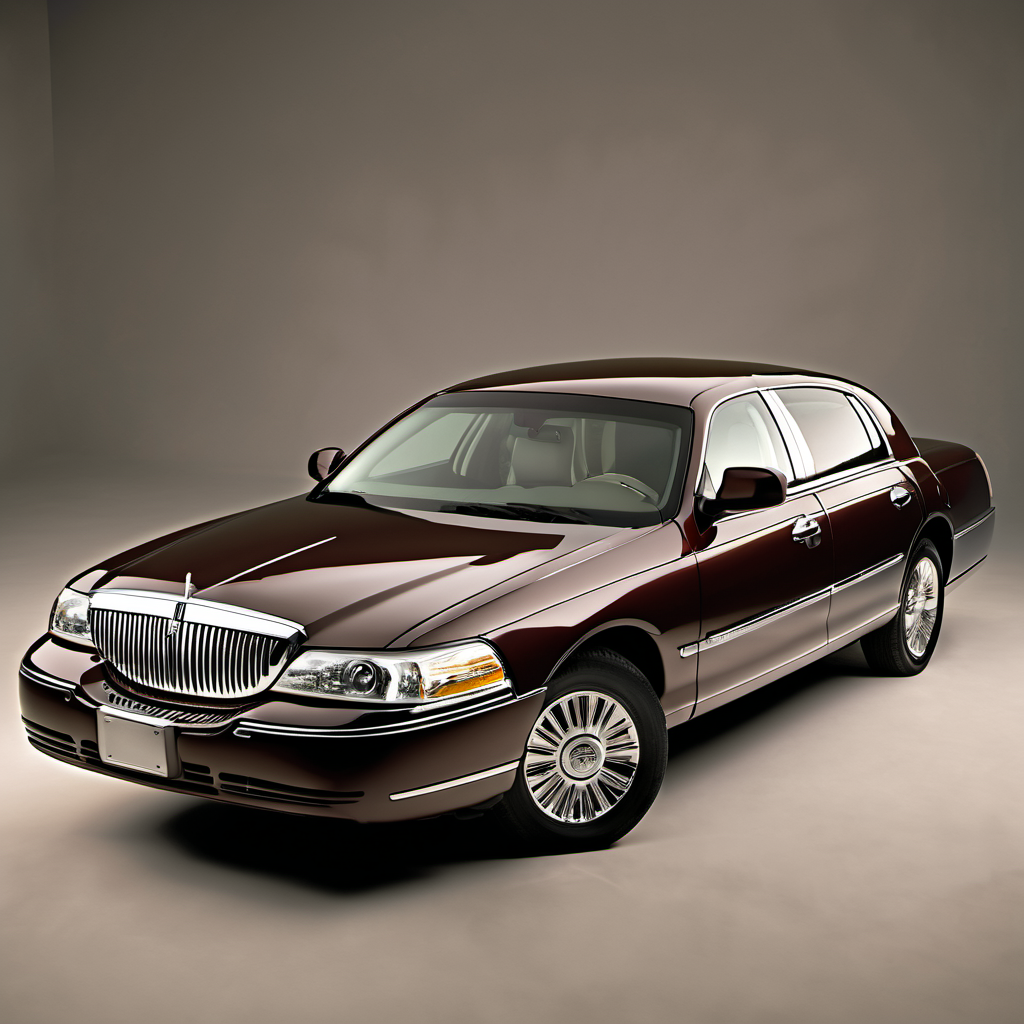
Larger and older-school, but similarly priced used and aimed at comfort-first buyers. RWD is a winter disadvantage, but the 4.6L V8 is extremely proven and parts are cheap.