Coolant system leaks and head gasket failure (2.2L)
high- Typically appears
- 80–150k mi
- Estimated repair
- $900 – $2,200
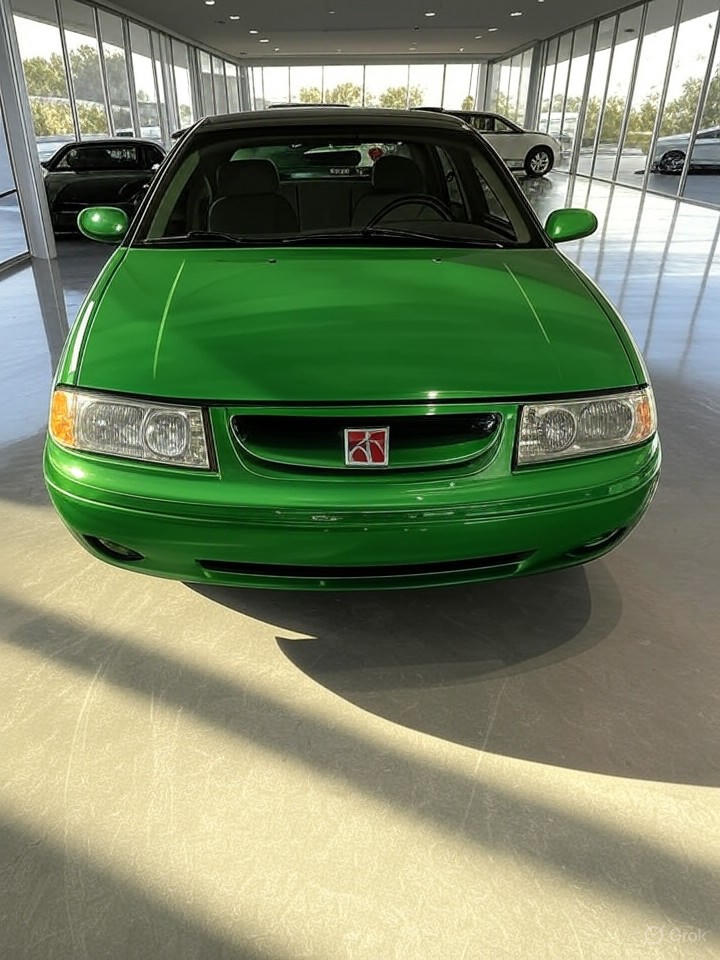
2004 Saturn
2.2L Ecotec I4 · Sedan
The 2004 Saturn L-Series Sedan is the final model year of Saturn's mid-size sedan lineup, based on the GM Epsilon/GM2900 platform shared with the Opel Vectra. It was Saturn's attempt at a more upscale, European-flavored family sedan, offering a smoother ride and better refinement than the smaller Ion. By 2004, the L-Series was on its way out — GM discontinued it after this year — which means parts availability has steadily tightened and dealer support disappeared entirely when Saturn folded in 2010. The L-Series came with a choice of a 2.2L Ecotec inline-4 or a 3.0L DOHC V6 sourced from Opel. The V6 is the more capable engine but also the more expensive one to maintain. The 4-cylinder is simpler and cheaper to keep alive. Either way, at 20+ years old, these cars have either been well cared-for by a dedicated owner or are showing their age hard. Buying one of these today is a niche proposition. Parts can be sourced through GM channels or Opel-compatible suppliers, but it takes a shop familiar with the platform. If you already own one and want to keep it running, consistent maintenance is the key — these engines respond well to clean oil and fresh coolant.
The 2004 Saturn L-Series Sedan is the final model year of Saturn's mid-size sedan lineup, based on the GM Epsilon/GM2900 platform shared with the Opel Vectra. It was Saturn's attempt at a more upscale, European-flavored family sedan, offering a smoother ride and better refinement than the smaller Ion. By 2004, the L-Series was on its way out — GM discontinued it after this year — which means parts availability has steadily tightened and dealer support disappeared entirely when Saturn folded in 2010. The L-Series came with a choice of a 2.2L Ecotec inline-4 or a 3.0L DOHC V6 sourced from Opel. The V6 is the more capable engine but also the more expensive one to maintain. The 4-cylinder is simpler and cheaper to keep alive. Either way, at 20+ years old, these cars have either been well cared-for by a dedicated owner or are showing their age hard. Buying one of these today is a niche proposition. Parts can be sourced through GM channels or Opel-compatible suppliers, but it takes a shop familiar with the platform. If you already own one and want to keep it running, consistent maintenance is the key — these engines respond well to clean oil and fresh coolant.
The 2.2L Ecotec is sensitive to oil sludge at extended intervals. At this vehicle's age, stick to conventional 5W-30 or the OEM-spec full synthetic and don't push past 5k miles. Clean oil is the single biggest factor in longevity.
GM Dex-Cool degrades and turns acidic when mixed with air or plain water. Acidic coolant attacks head gaskets and intake manifold gaskets on the 2.2L. Flush completely, inspect hoses and the plastic coolant reservoir for cracks.
The 4T40-E automatic does not have a 'lifetime' fluid — that claim did not age well. Fresh fluid prevents solenoid wear and slippage. Drop the pan, clean the magnet, and replace the filter while you're in there.
Wisconsin road salt aggressively attacks the steel brake lines on these cars. A rusted-through brake line is a safety emergency. Inspect the full run from master cylinder to each wheel; replace any soft spots proactively.
Belt failure leaves you stranded and can cause accessory damage. The tensioner pulley bearing often fails before the belt itself — replace both together.
Worn plugs increase misfires and put extra load on ignition coils. On a 20-year-old car, if plug replacement history is unknown, do it now.
Cold-cranking performance drops sharply below 20°F. A battery that tests fine in summer can fail to start the car at -10°F. Load test every October; replace proactively if the battery is 4+ years old.
Subframe mounting points, rear suspension brackets, and rocker panels are rust hotspots on L-Series cars driven in salt-belt states. Catch it early with rust converter or targeted weld repair before it becomes structural.
Always defer to the manufacturer's service manual for warranty-mandated intervals.
A well-maintained L-Series is cheap to own day-to-day. The real cost risk is deferred maintenance catching up all at once — cooling system, transmission, and rust repairs can stack into $3,000–$5,000 in a single year on a neglected example. Budget for the unexpected. Parts availability is the other wildcard: some items require sourcing from Opel/Vauxhall suppliers or the used market, which adds time and sometimes significant cost.
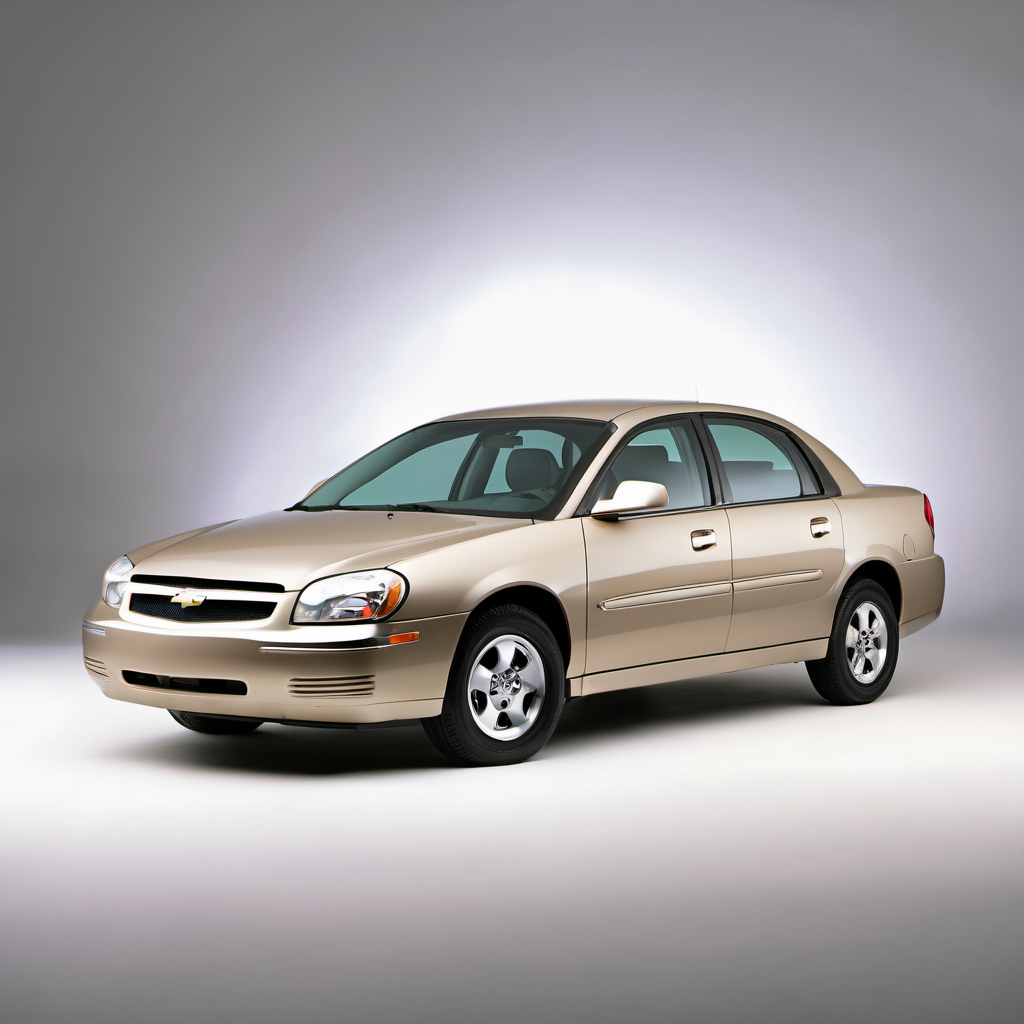
Same GM family sedan era, similar price point, and broader parts availability since the Malibu nameplate survived. The 2.2L Ecotec engine is shared, making cross-referencing maintenance straightforward.
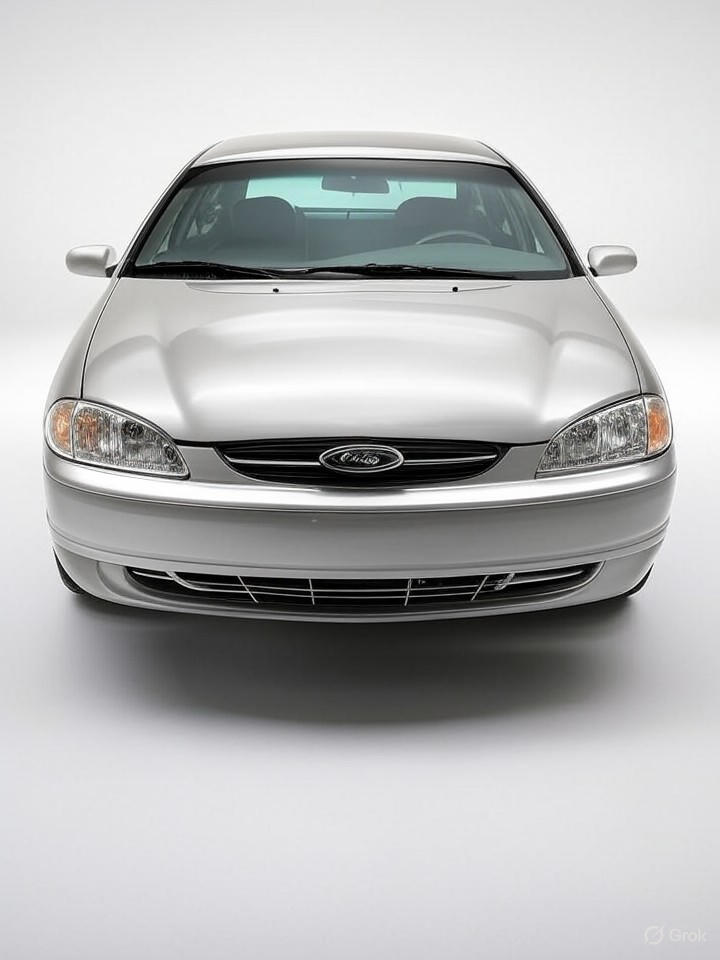
Comparable mid-size FWD American sedan with better parts availability and a larger owner community. Slightly larger cabin, similar ownership cost profile.
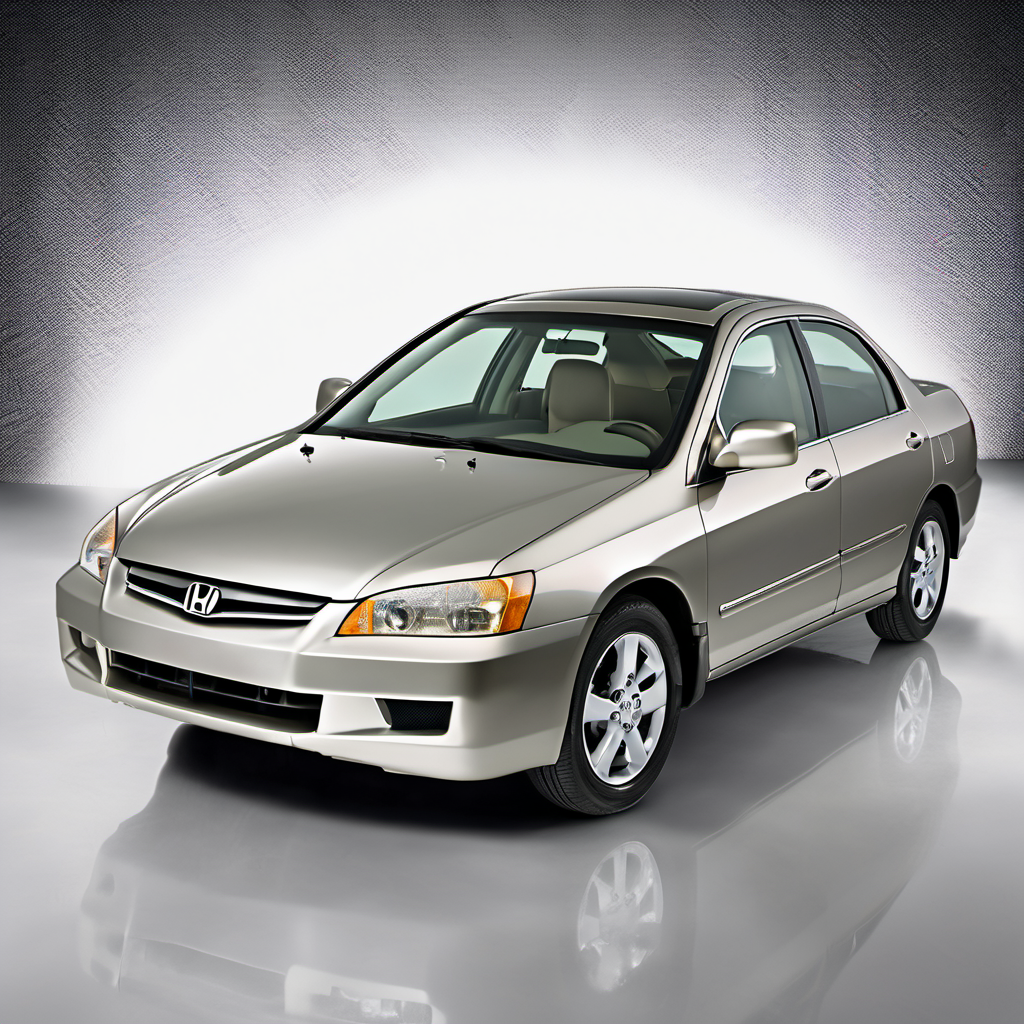
The benchmark mid-size sedan of this era — higher reliability reputation, stronger resale, and much better parts support. A used Accord in similar condition will likely cost more but carry less long-term risk.
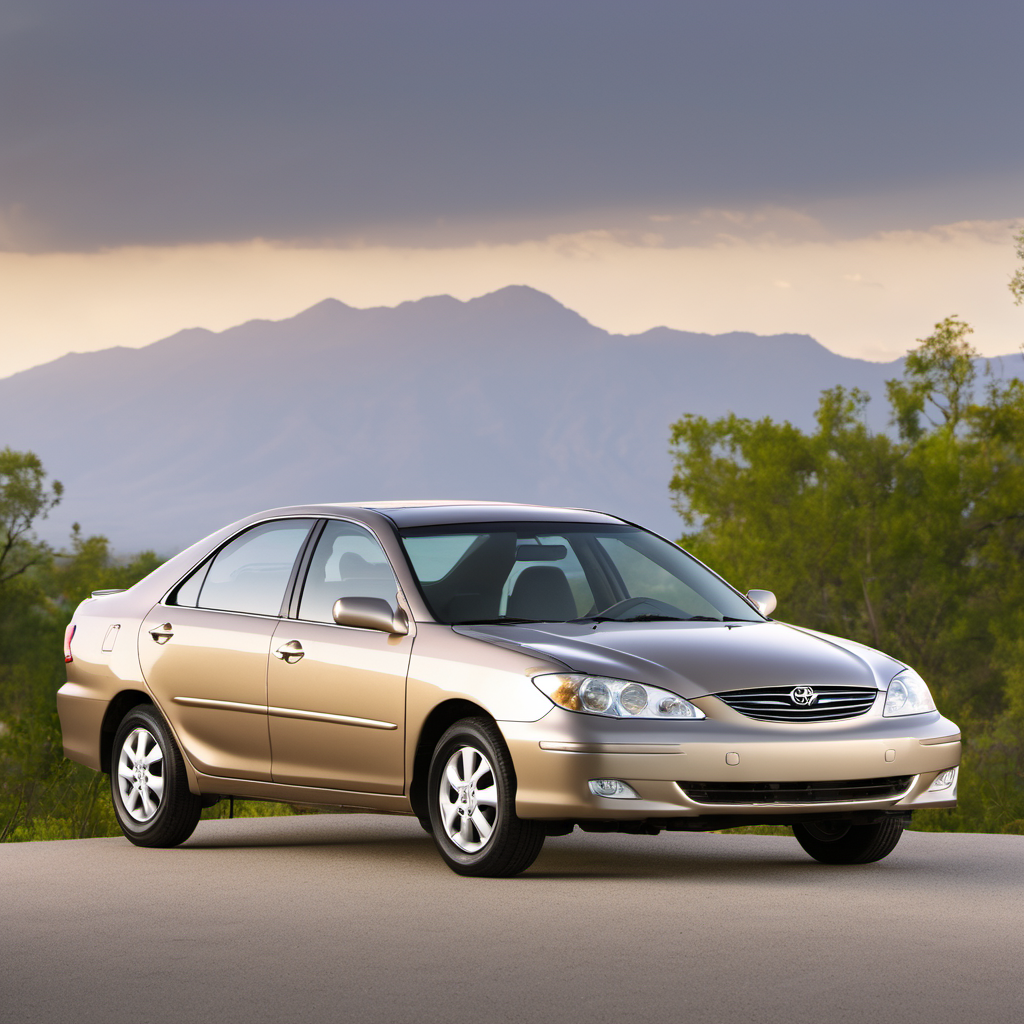
Another top-tier reliability choice in the same segment. Parts are abundant, independent shops know them cold, and high-mileage examples are common proof of longevity.