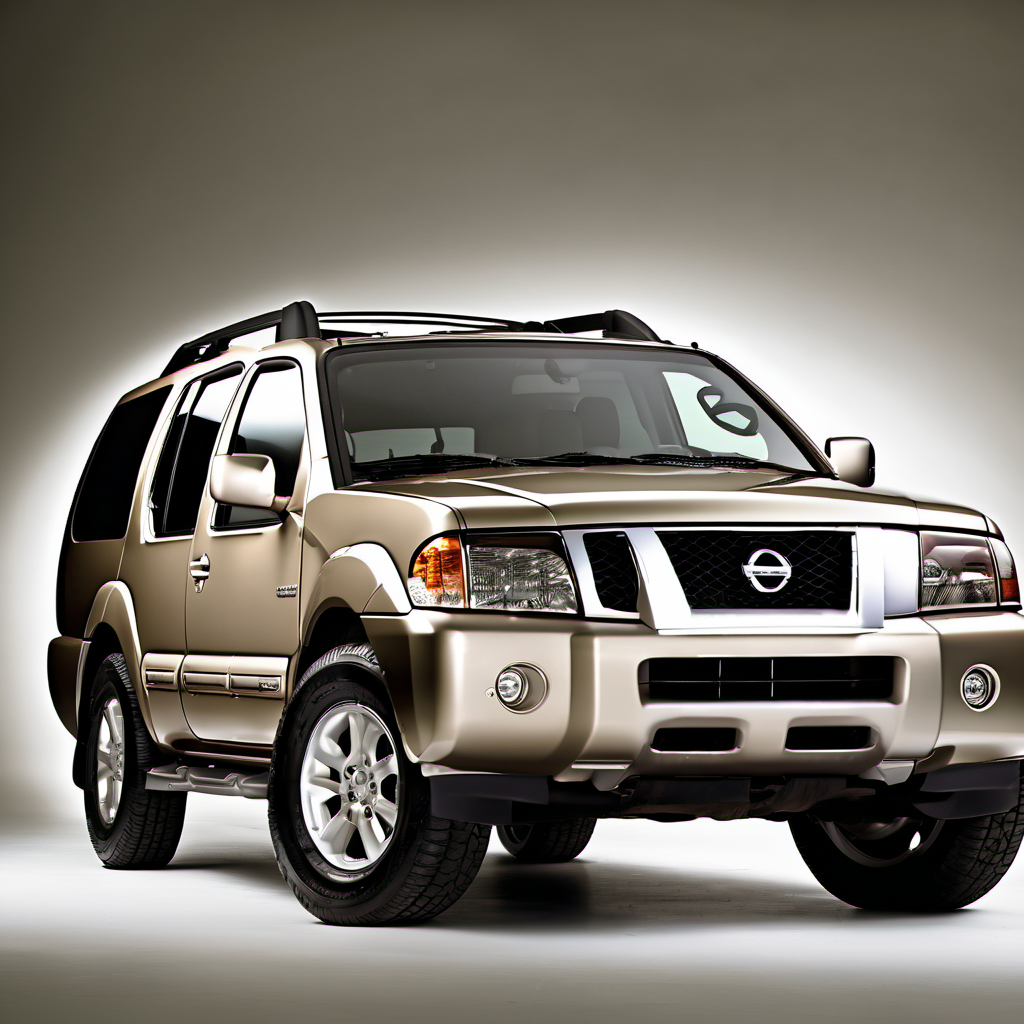
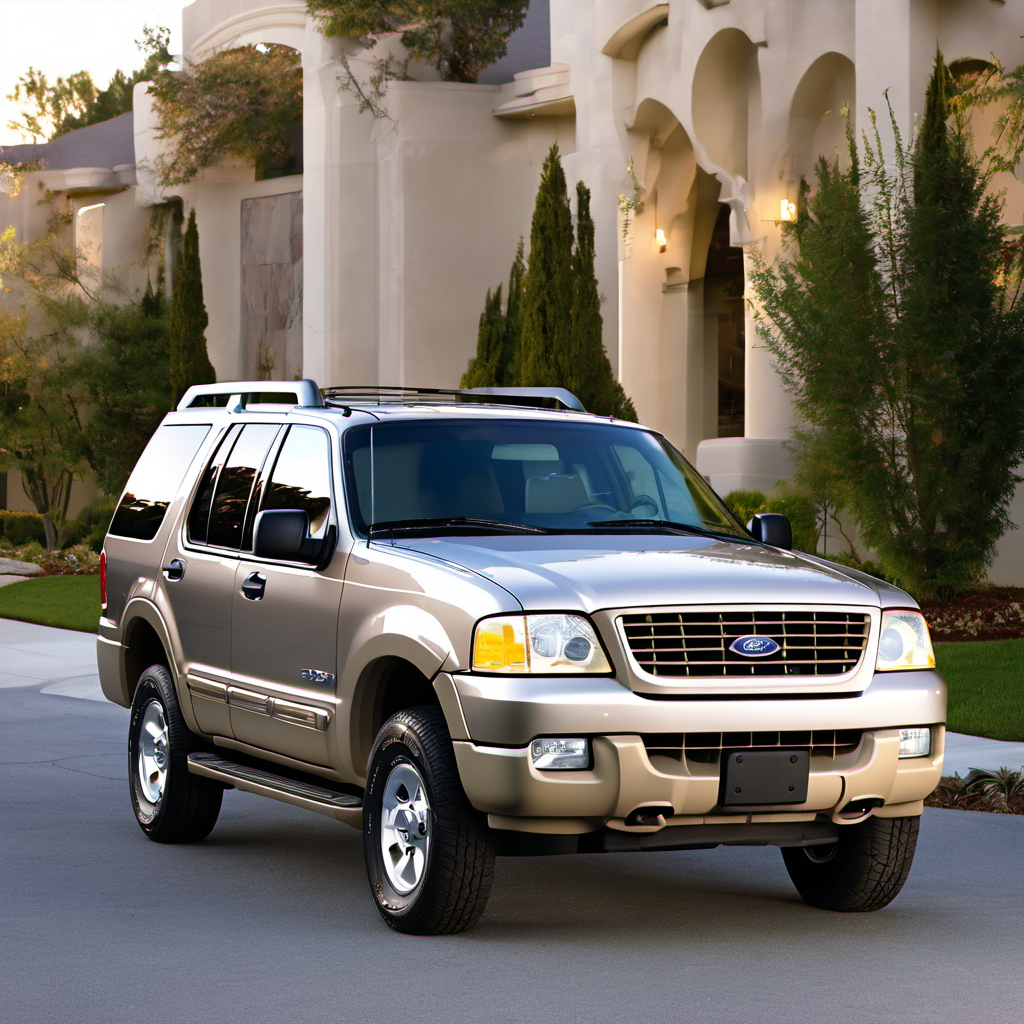
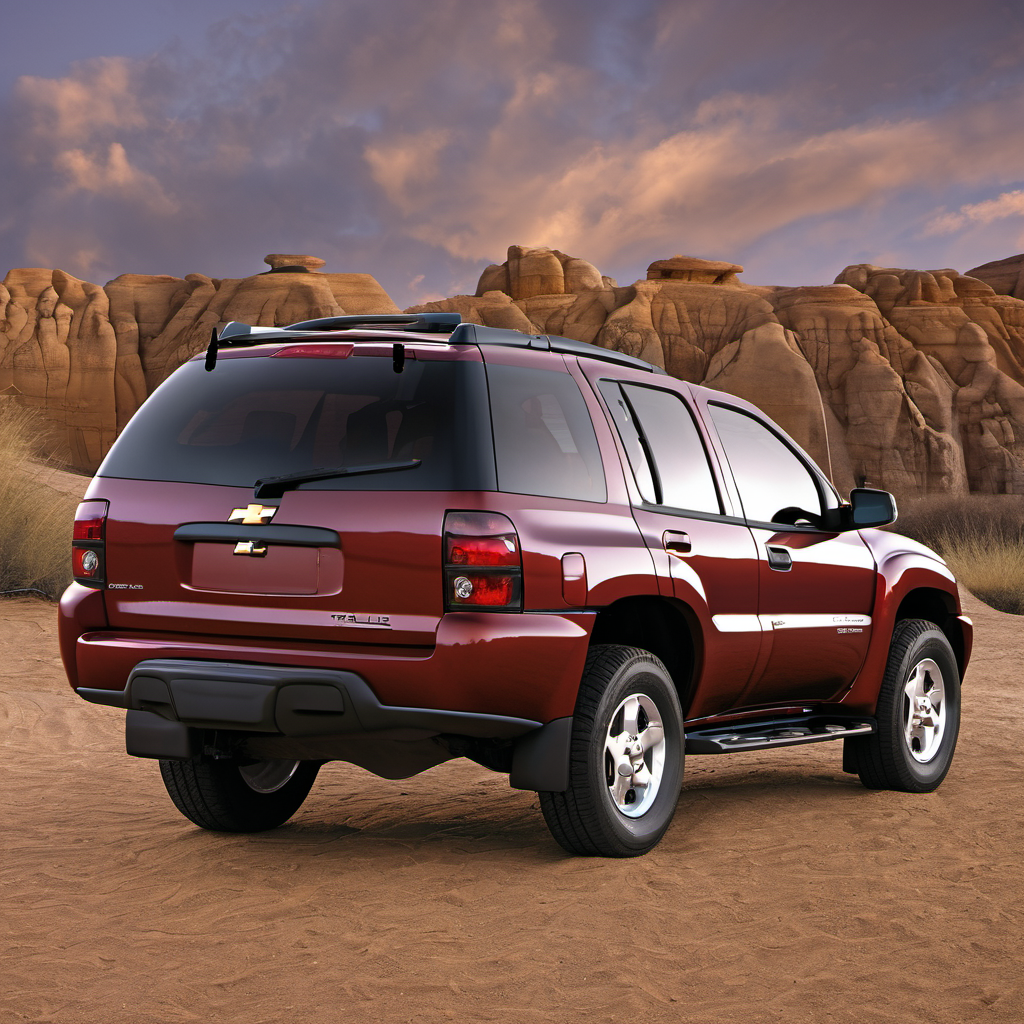
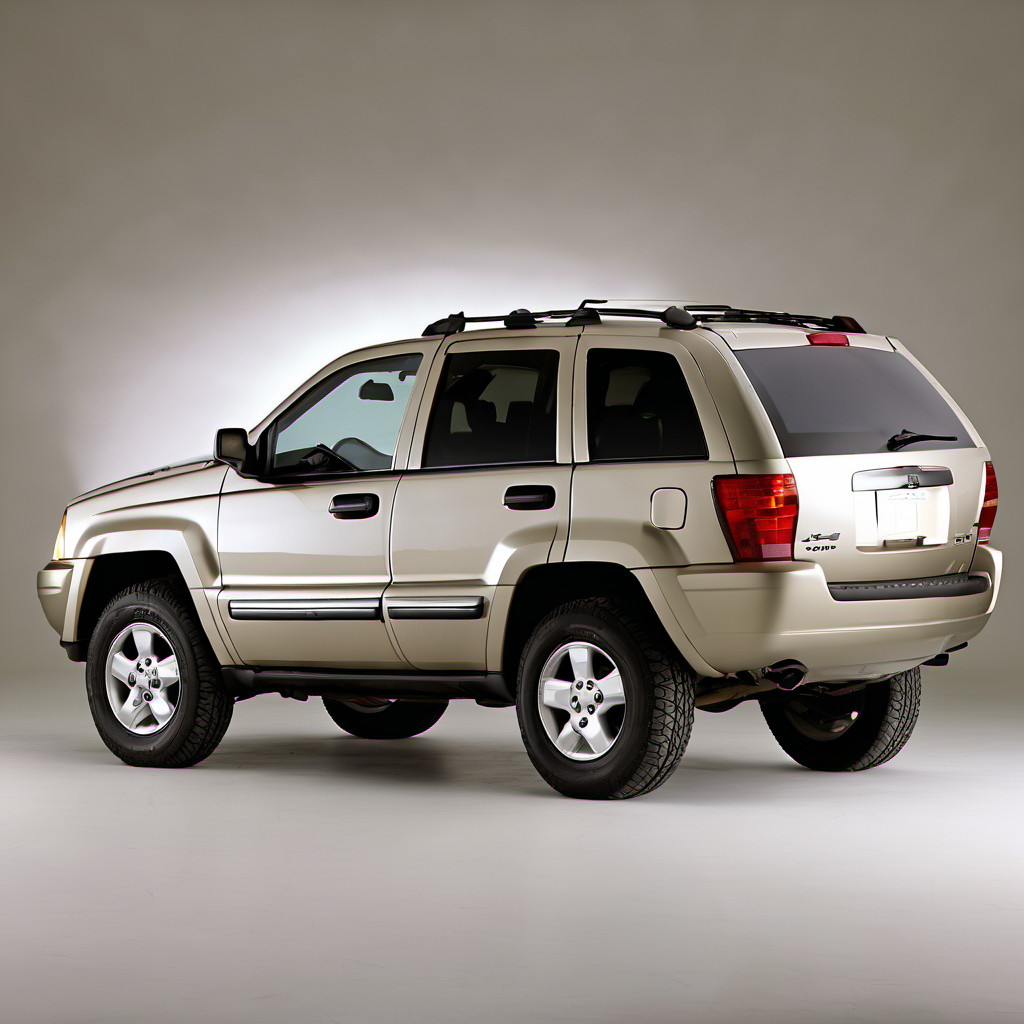
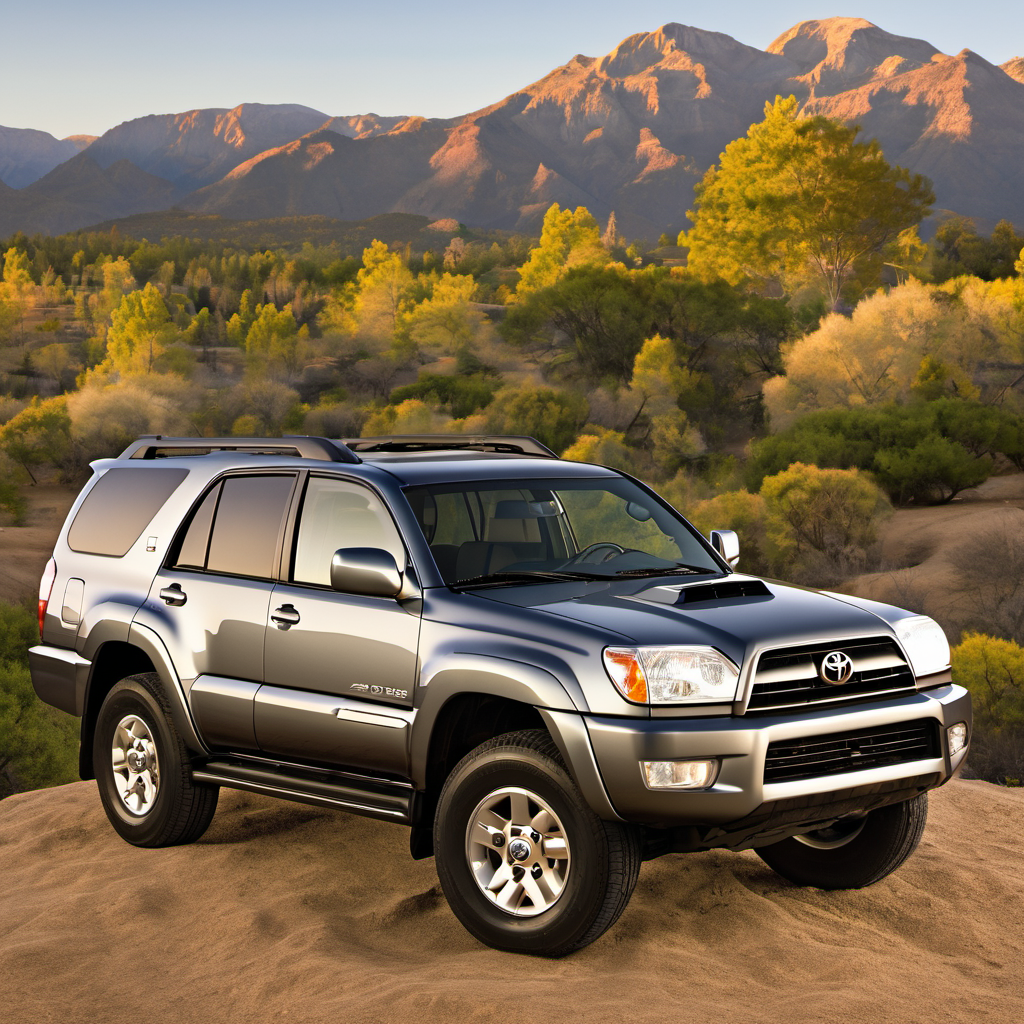
2004 Nissan Pathfinder SUV

2004 Nissan

PathfinderSUV

SUV

The 2004 Nissan Pathfinder is a body-on-frame mid-size SUV built on the same platform as the Frontier pickup. Powered by Nissan's 3.5L VQ35DE V6, it was a competent, capable family hauler with genuine off-road ability and a comfortable interior for its era. By 2004 the Pathfinder had a loyal following for its towing capacity (up to 5,000 lbs), V6 punch, and relatively simple mechanicals compared to the luxury-focused competition. At 20 years old, a surviving 2004 Pathfinder is a high-mileage working vehicle. The VQ35DE is a proven engine, but neglected timing chain maintenance and sludge buildup are now the primary threats to longevity. Rust is the other major enemy — Wisconsin salt will attack the frame, floor pan, and brake lines on any unit that has lived here its whole life. Expect honest ownership costs: fuel economy is poor by modern standards, parts are still widely available, and an independent shop can keep one running economically if the body and frame are solid. Avoid examples with deferred maintenance histories or visible rust perforation.

Reliability
3/5
Verified data
Specs shown for Pathfinder 2WD — the most common configuration. Other trims may vary in engine, drivetrain, or fuel economy. Sign in to see your vehicle's exact specs.
Engine
[object Object]
Drivetrain
RWD
Fuel
Gasoline
MPG
15 city / 19 hwy / 16 combined
Seats
Doors
Body
Sport Utility Vehicle - 2WD

Overview

AI-curated

The 2004 Nissan Pathfinder is a body-on-frame mid-size SUV built on the same platform as the Frontier pickup. Powered by Nissan's 3.5L VQ35DE V6, it was a competent, capable family hauler with genuine off-road ability and a comfortable interior for its era. By 2004 the Pathfinder had a loyal following for its towing capacity (up to 5,000 lbs), V6 punch, and relatively simple mechanicals compared to the luxury-focused competition. At 20 years old, a surviving 2004 Pathfinder is a high-mileage working vehicle. The VQ35DE is a proven engine, but neglected timing chain maintenance and sludge buildup are now the primary threats to longevity. Rust is the other major enemy — Wisconsin salt will attack the frame, floor pan, and brake lines on any unit that has lived here its whole life. Expect honest ownership costs: fuel economy is poor by modern standards, parts are still widely available, and an independent shop can keep one running economically if the body and frame are solid. Avoid examples with deferred maintenance histories or visible rust perforation.

Known for
  • Durable VQ35DE V6 engine with strong low-end torque
  • Genuine 4WD capability with low-range transfer case
  • 5,000 lb tow rating for a mid-size SUV
  • Comfortable three-row seating for up to 7
Best for
  • Families needing occasional 4WD in Wisconsin winters
  • Light trailer towing (boats, campers under 5,000 lbs)
  • Budget-minded buyers wanting a capable used SUV
  • Owners comfortable with DIY or independent-shop maintenance
Watch for
  • Timing chain stretch and VTC actuator wear on high-mileage examples
  • Frame and underbody rust from road salt exposure
  • Transmission cooling line leaks and fluid degradation
  • Rear differential seal leaks and axle corrosion
  • Engine oil sludge from infrequent oil changes

Common issues by mileage

6 known

Engine Oil Sludge (neglected oil changes)

medium
Typically appears
80k+ mi
Estimated repair
$300 – $1,500

Automatic Transmission Slipping / Delayed Engagement

medium
Typically appears
100k–150k mi
Estimated repair
$500 – $3,000

Rear Differential Seal Leak

medium
Typically appears
80k–150k mi
Estimated repair
$150 – $400

Frame and Underbody Rust (salt-belt vehicles)

high
Typically appears
Any mileage on Midwest/Northeast vehicles
Estimated repair
$500 – $5,000

O2 / A/F Sensor Heater Circuit Failure

medium
Typically appears
100k–160k mi
Estimated repair
$150 – $450

Maintenance schedule

  1. 1
    Every 5,000 miles or 6 months Engine oil and filter change

    The VQ35DE is prone to sludge buildup when oil changes are stretched. Use full synthetic 5W-30 and stick to the shorter interval — especially important for any Wisconsin vehicle doing lots of short cold-start trips.

  2. 2
    Every 30,000 miles Transmission fluid service

    Nissan's factory 'lifetime' fluid recommendation is not realistic at 20 years old. Fresh fluid prevents the slipping and harsh shifts that lead to expensive rebuilds on the RE5R05A unit.

  3. 3
    At 100,000 miles, then every 30k miles after Timing chain system inspection

    Chain stretch and worn VTC actuators trigger P0012/P0015/P0022/P0025 codes and can cause serious engine damage if ignored. Rattling at cold start is an early warning sign — don't delay diagnosis.

  4. 4
    Every 30,000 miles or 2 years Transfer case and front/rear differential fluid change

    Moisture and condensation degrade these fluids faster in freeze-thaw climates. Fresh fluid prevents bearing wear and seal failures that lead to costly differential rebuilds.

  5. 5
    Every 5 years or 60,000 miles Coolant flush

    Degraded coolant loses freeze protection and promotes corrosion in the aluminum block. Use Nissan-spec (green/blue, not universal orange) coolant to avoid silicate incompatibility.

  6. 6
    Every 60,000 miles Spark plug replacement

    Iridium plugs are standard. Worn plugs stress the ignition coils and reduce fuel economy, which is already modest on this engine.

  7. 7
    Every year — before winter Brake line inspection

    Salt-belt vehicles routinely develop rusted brake lines by this age. A brake line failure is a safety emergency. Inspect for bubbling, pitting, or wet spots along the entire undercarriage run.

  8. 8
    Every spring; flush after heavy salt exposure during winter Undercarriage wash and rust inspection

    Frame rot is the most common reason 2004 Pathfinders are scrapped in Wisconsin. Keeping salt off the frame and treating any bare metal early dramatically extends vehicle life.

Always defer to the manufacturer's service manual for warranty-mandated intervals.

Cost of ownership

Annual maintenance
$800 – $1,800
Fuel
At 16 MPG combined and ~12,000 miles/year, expect roughly $1,800–$2,400/year at current Wisconsin gas prices. Premium is not required — regular 87 octane is fine.
Insurance
Full coverage on a 20-year-old SUV typically runs $900–$1,400/year in the Lake Geneva area depending on driving record and coverage limits. Actual cash value is low, so high-deductible plans make sense.

A well-maintained 2004 Pathfinder is an affordable truck to keep on the road — parts are plentiful and cheap, and independent shops know the VQ35 well. The wildcard is rust: a single frame repair or brake line replacement job can exceed a year's worth of routine maintenance costs. Budget generously for the first year of ownership to address deferred items.
Seasonal care

Lake Geneva, WI
Winter
  • Test and replace the battery if it's more than 4 years old — cold cranking amps drop sharply below 20°F and the VQ35 is a heavy load at startup.
  • Switch to full synthetic 5W-30 if not already used; it flows faster at sub-zero temperatures and reduces cold-start wear on the timing chain.
  • Flush washer fluid reservoir and lines with -25°F-rated fluid before the first freeze. The Pathfinder's tall hood means you'll use a lot of it.
  • Inspect and lubricate the 4WD transfer case shift mechanism before you need it — frozen or sticky engagement in a Lake Geneva snowstorm is dangerous.
  • Spray all door, hood, and tailgate hinges and latches with a water-displacing lubricant to prevent freezing.
  • Check brake lines and ABS sensor wiring for salt damage every fall — these are high-failure items on 20-year-old Wisconsin vehicles.
Summer
  • Check tire pressure monthly — tires gain roughly 1 PSI per 10°F of temperature increase and are often overinflated after winter checks.
  • Inspect the A/C system for refrigerant leaks and verify the cabin air filter is clear — heat soak in a dark SUV interior is significant.
  • Check coolant freeze/boil-over protection; a 50/50 mix protects to around 265°F boiling point, important for towing or hill driving.
  • Flush and wash the undercarriage thoroughly in spring to remove winter salt accumulation before it continues corroding the frame during the warm months.

Comparable vehicles

If you're shopping for one

Red flags
  • Any timing chain rattle at cold start — walk away or negotiate heavily for repair costs.
  • Perforated or flaking frame rust visible without a lift — structural integrity is compromised.
  • Wet or oily spots around the rear differential cover or axle seals combined with a whining rear end.
  • Transmission that hesitates, slips, or bangs into gear — a rebuild on this unit costs as much as the vehicle is worth.
  • No maintenance records on a 20-year-old vehicle with unknown service history.
  • Any active check engine light with VTC/camshaft timing codes (P0012, P0015, P0022, P0025) — indicates a known expensive repair.
What to inspect
  • Crawl under and check the frame rails, crossmembers, and floor pan for perforation rust — this is the single most important inspection on any Wisconsin-area 2004 Pathfinder.
  • Cold-start the engine and listen for timing chain rattle in the first 5–10 seconds; any ticking or rattling means the VTC actuators or chain guides are worn.
  • Check the oil cap and dipstick for mayonnaise-like sludge, which indicates either head gasket seepage or chronic short-trip driving with infrequent oil changes.
  • Test 4WD engagement in all modes (2H, 4H, 4L) and confirm smooth transfer with no grinding or hesitation.
  • Inspect brake lines from front to rear for rust blistering, pinhole leaks, or swollen sections — budget for full-line replacement if they look marginal.
  • Pull the transmission dipstick: fluid should be red/pink and odorless. Brown, burnt-smelling fluid signals deferred service and potential rebuild costs ahead.
AI profile generated 1 mo ago · claude-sonnet-4-6 · v2.