Timing Chain Stretch / VVT Actuator Failure
high- Typically appears
- 80–150k mi
- Estimated repair
- $900 – $1,800
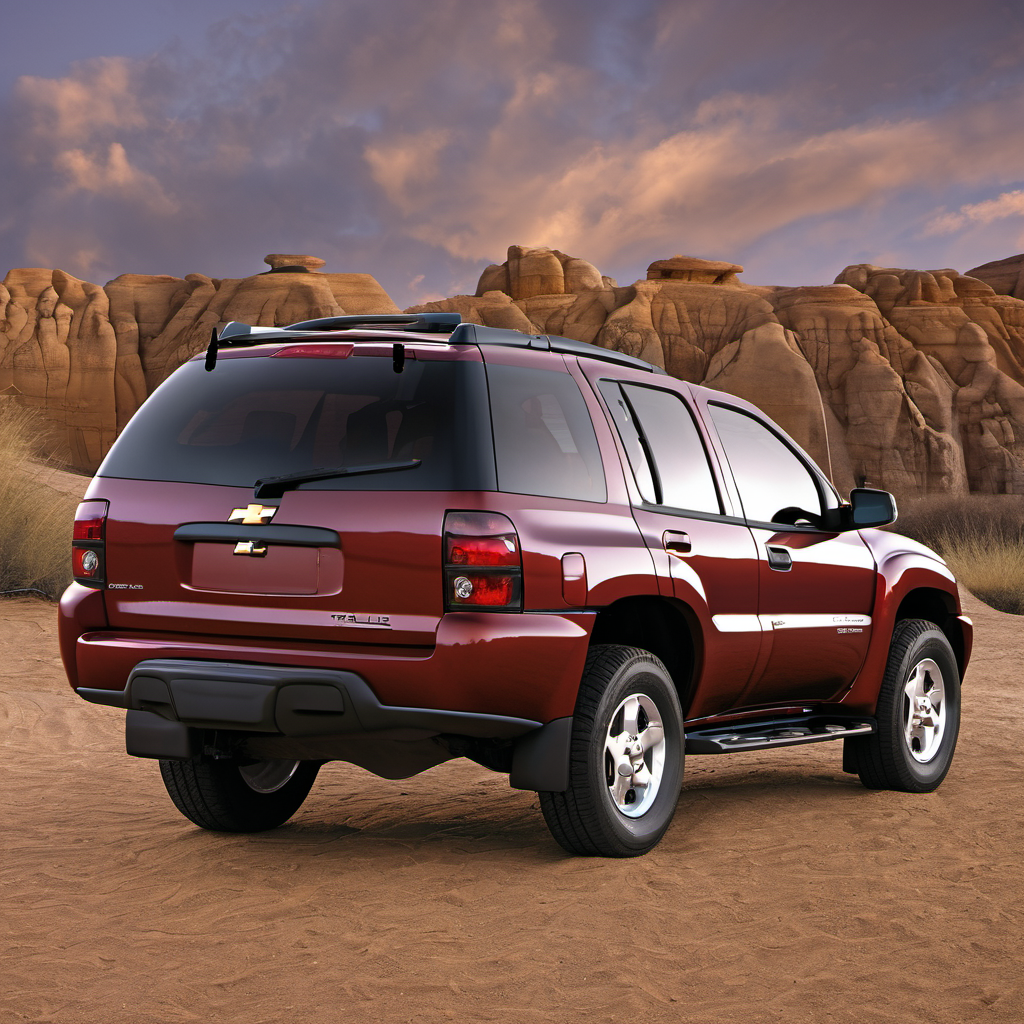
2004 Chevrolet
SUV
The 2004 Chevrolet TrailBlazer is a body-on-frame mid-size SUV built on GM's GMT360 platform, shared with the GMC Envoy and Buick Rainier. It slots between car-based crossovers and full-size truck SUVs, offering genuine towing capability and a roomy interior without the sheer bulk of a Tahoe. The standard engine is the Vortec 4200 — a 4.2L inline-six that's one of the more underrated engines GM produced in this era: smooth, torquey, and reasonably durable when maintained. That said, the TrailBlazer carries a mixed reliability reputation. The platform itself is solid, but the 4.2L engine has known oil consumption tendencies, a timing chain that can stretch with neglected oil changes, and a rear fan clutch that tends to fail. Electrical gremlins, particularly around the instrument cluster and 4WD transfer case encoder motor, are common on high-mileage examples. For a Wisconsin driver, the TrailBlazer's truck-based underpinnings hold up well to salt exposure better than unibody crossovers in some respects, but the frame rails and rear axle area are rust magnets. Budget for undercarriage inspections and consider rust-proofing if you plan to keep it long-term.
The 2004 Chevrolet TrailBlazer is a body-on-frame mid-size SUV built on GM's GMT360 platform, shared with the GMC Envoy and Buick Rainier. It slots between car-based crossovers and full-size truck SUVs, offering genuine towing capability and a roomy interior without the sheer bulk of a Tahoe. The standard engine is the Vortec 4200 — a 4.2L inline-six that's one of the more underrated engines GM produced in this era: smooth, torquey, and reasonably durable when maintained. That said, the TrailBlazer carries a mixed reliability reputation. The platform itself is solid, but the 4.2L engine has known oil consumption tendencies, a timing chain that can stretch with neglected oil changes, and a rear fan clutch that tends to fail. Electrical gremlins, particularly around the instrument cluster and 4WD transfer case encoder motor, are common on high-mileage examples. For a Wisconsin driver, the TrailBlazer's truck-based underpinnings hold up well to salt exposure better than unibody crossovers in some respects, but the frame rails and rear axle area are rust magnets. Budget for undercarriage inspections and consider rust-proofing if you plan to keep it long-term.
The 4.2L Vortec's timing chain and VVT system are highly sensitive to oil quality and pressure. Neglected oil changes are the #1 cause of timing chain stretch and VVT solenoid sludging on this platform.
The Autotrac transfer case is hard on fluid. Old fluid contributes to encoder motor wear and chain slippage. Verify correct GM-spec transfer case fluid is used — wrong fluid causes immediate damage.
Rear differential is prone to rust-related seal leaks in Wisconsin. Checking fluid level at each service catches low fluid before it becomes a ring-and-pinion replacement.
Dex-Cool degrades and turns acidic when mixed with air (common when coolant level drops). Acidic coolant attacks intake gaskets and the water pump. Keep the reservoir topped off and flush on schedule.
The 4.2L runs best with fresh plugs. Worn plugs increase misfires and can cause rough idle that mimics more expensive problems. Use AC Delco or equivalent OE-spec plugs.
Moisture absorption in brake fluid lowers boiling point and accelerates internal corrosion in ABS modulators — a costly replacement in Wisconsin's salt environment.
Frame rails, rear axle housing, and rocker panels are rust-prone. Early intervention with rust converter or oil-spray undercoating dramatically extends the truck's structural life in Lake Geneva winters.
The 4.2L's cold-start demands are high. A marginal battery that passes a simple voltage test may fail at -10°F. A load test is the only reliable pre-winter check.
Always defer to the manufacturer's service manual for warranty-mandated intervals.
A used 2004 TrailBlazer is an inexpensive entry cost, but budget for maintenance: plan on $600–$1,400/yr for routine service, and keep a $1,500–$2,000 repair reserve for the known issues that tend to stack up past 100k miles (fan clutch, O2 sensors, encoder motor, timing chain). Fuel costs are the biggest ongoing hit given the 16 MPG real-world average. Overall cost of ownership is reasonable as long as you stay ahead of oil changes and catch rust early.
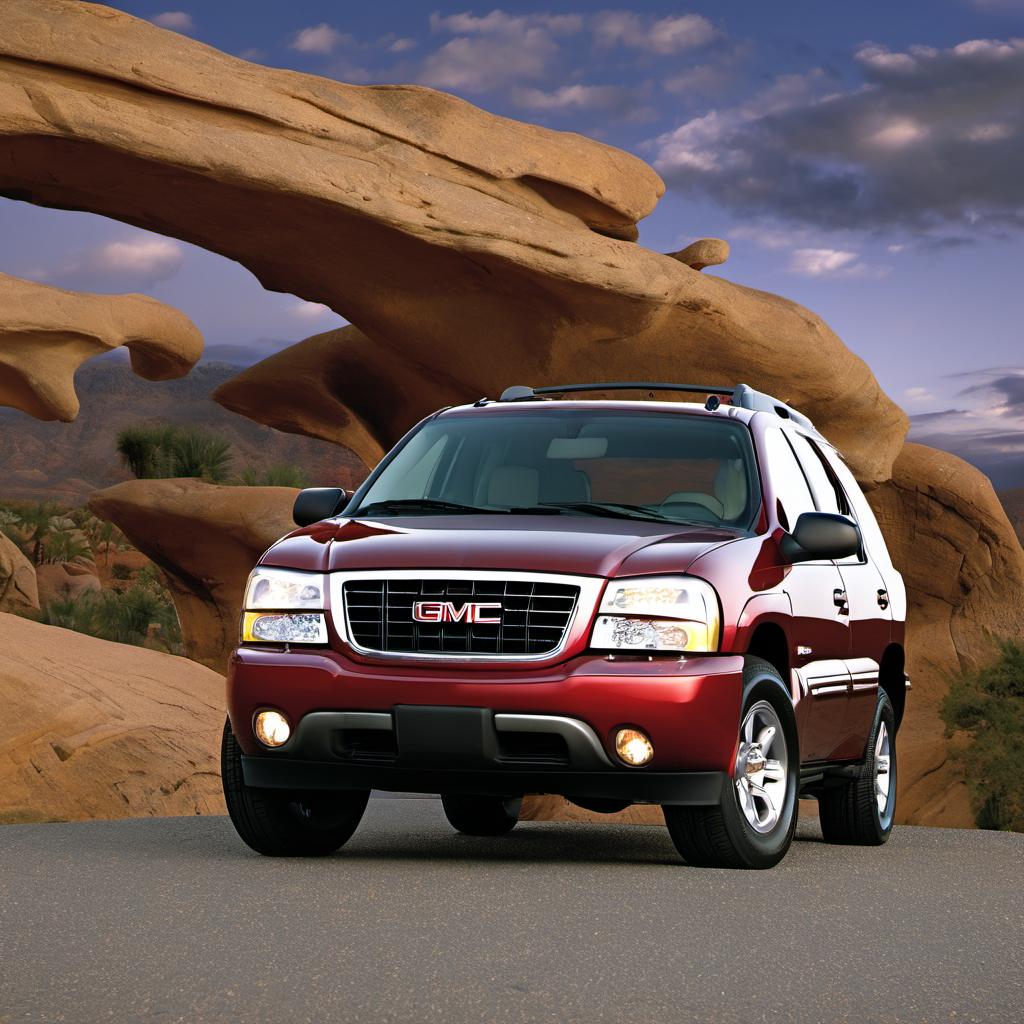
Mechanically identical — same GMT360 platform, same 4.2L engine. Slightly upmarket trim, same known issues. Good cross-shop if you find a better-maintained example.
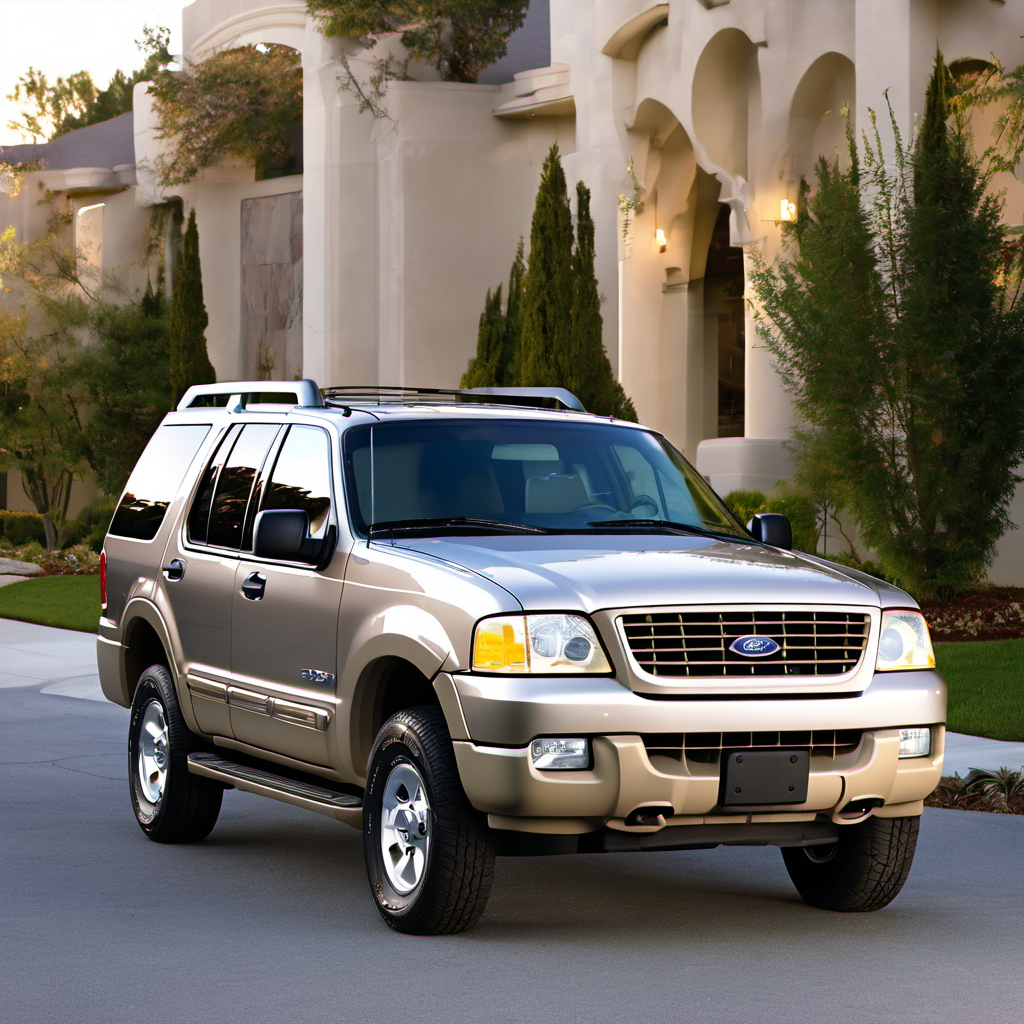
Direct competitor in the mid-size body-on-frame SUV segment. The 4.0L SOHC V6 has its own timing chain issues, but the Explorer offers a wider used market and arguably better rust resistance in some configurations.
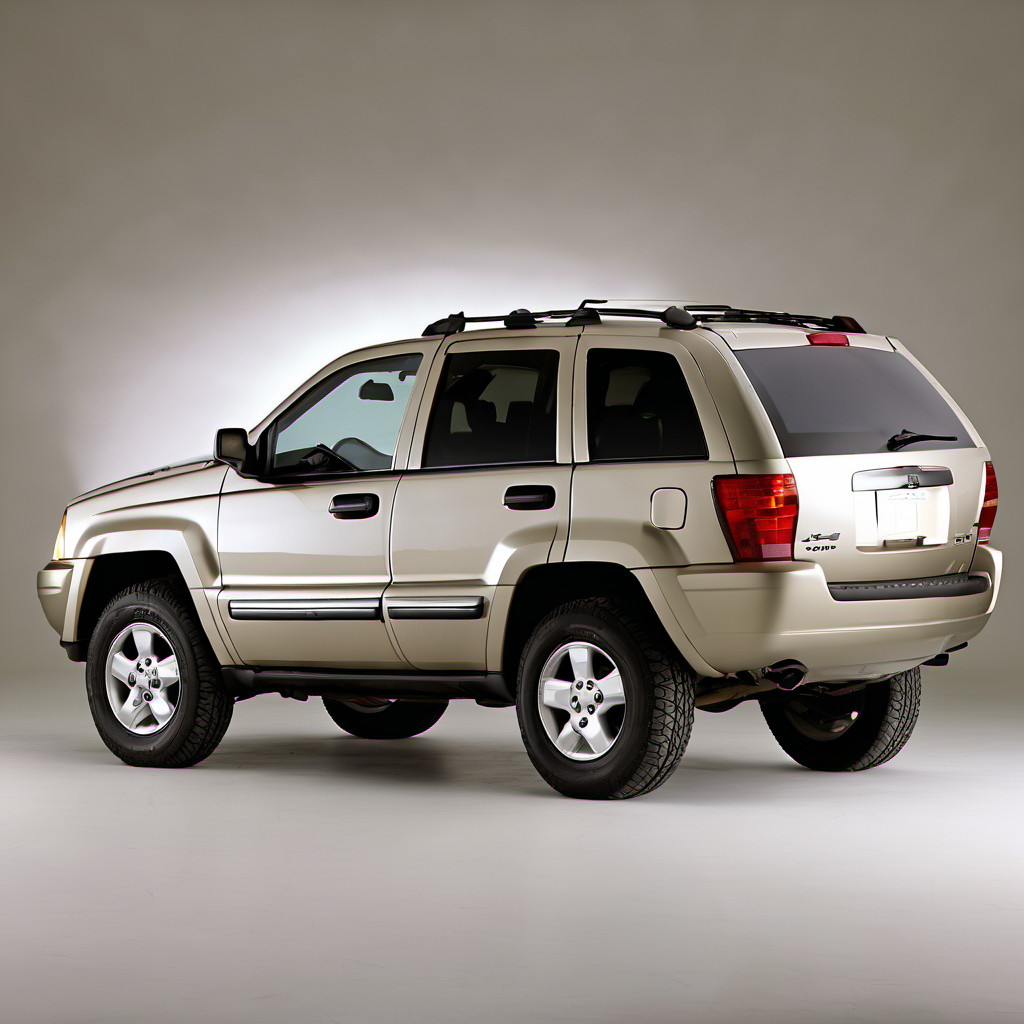
Similar price range, body-on-frame, capable 4WD. The 4.7L V8 WJ is a solid engine but slightly thirstier. Better off-road geometry; similar rust concerns in the salt belt.
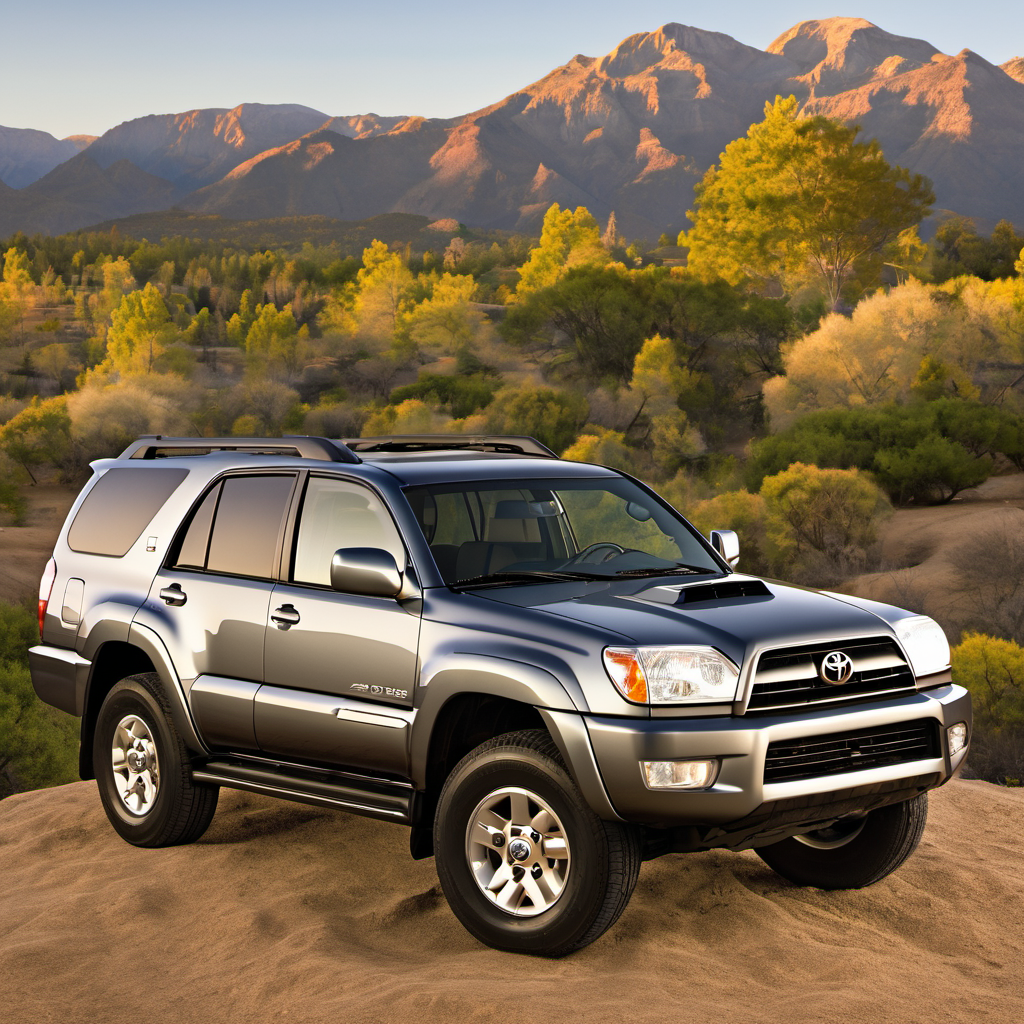
The 4Runner costs more used but earns it with a significantly better long-term reliability record and superior rust resistance. If budget allows, it's the more dependable choice for Wisconsin winters.