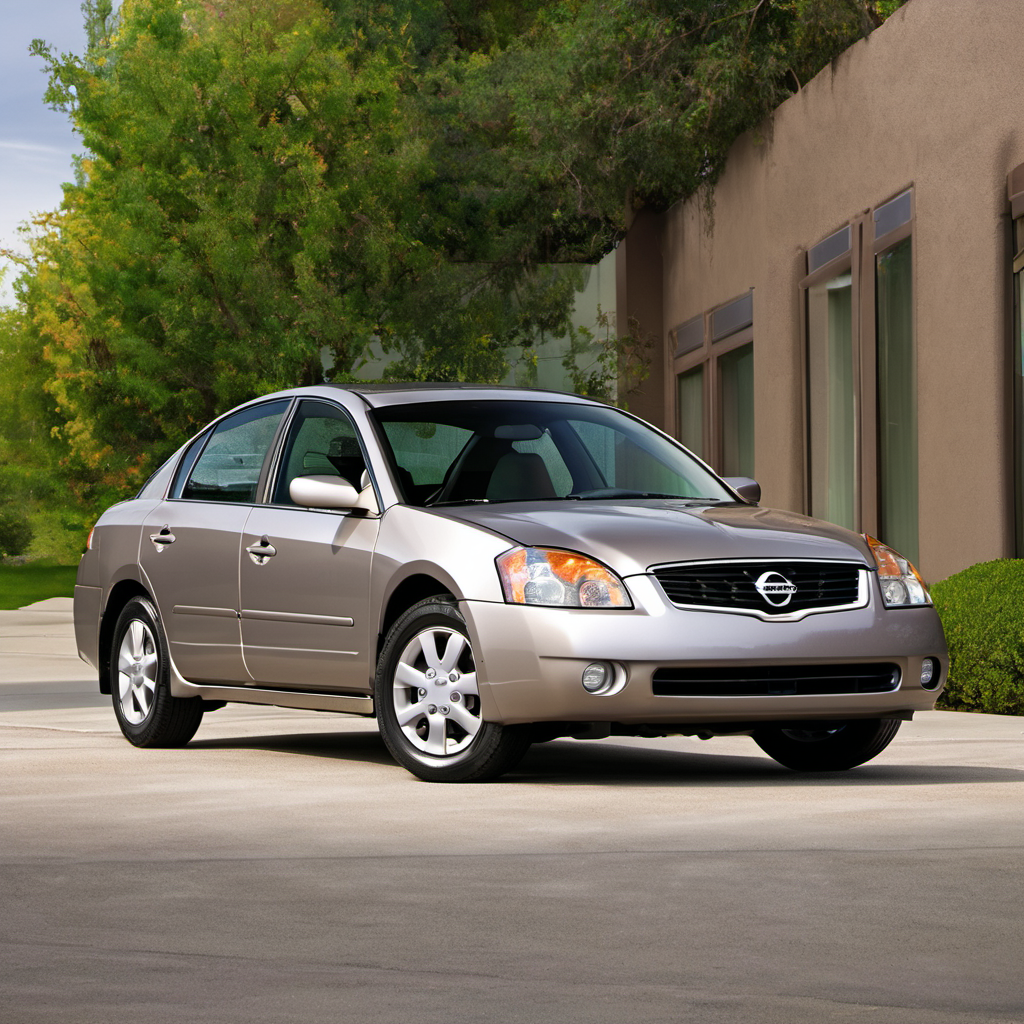
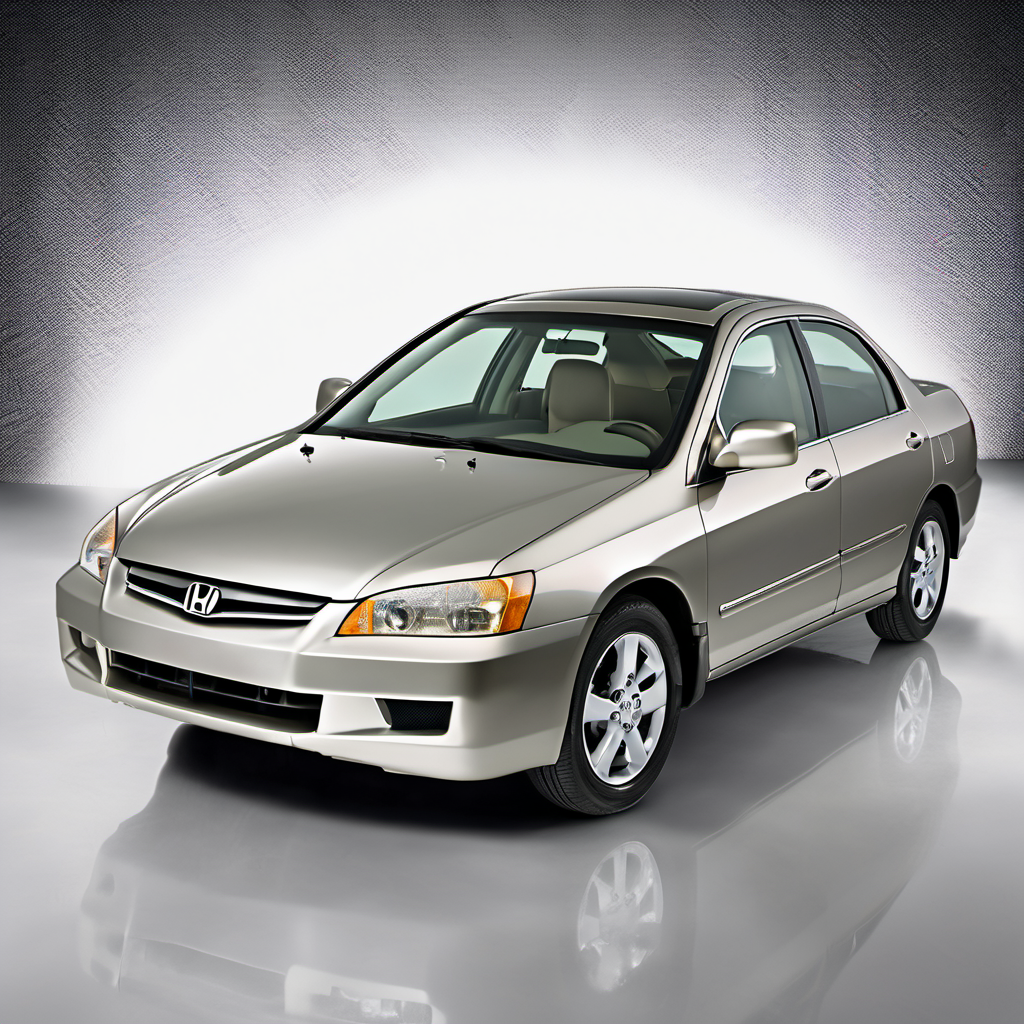
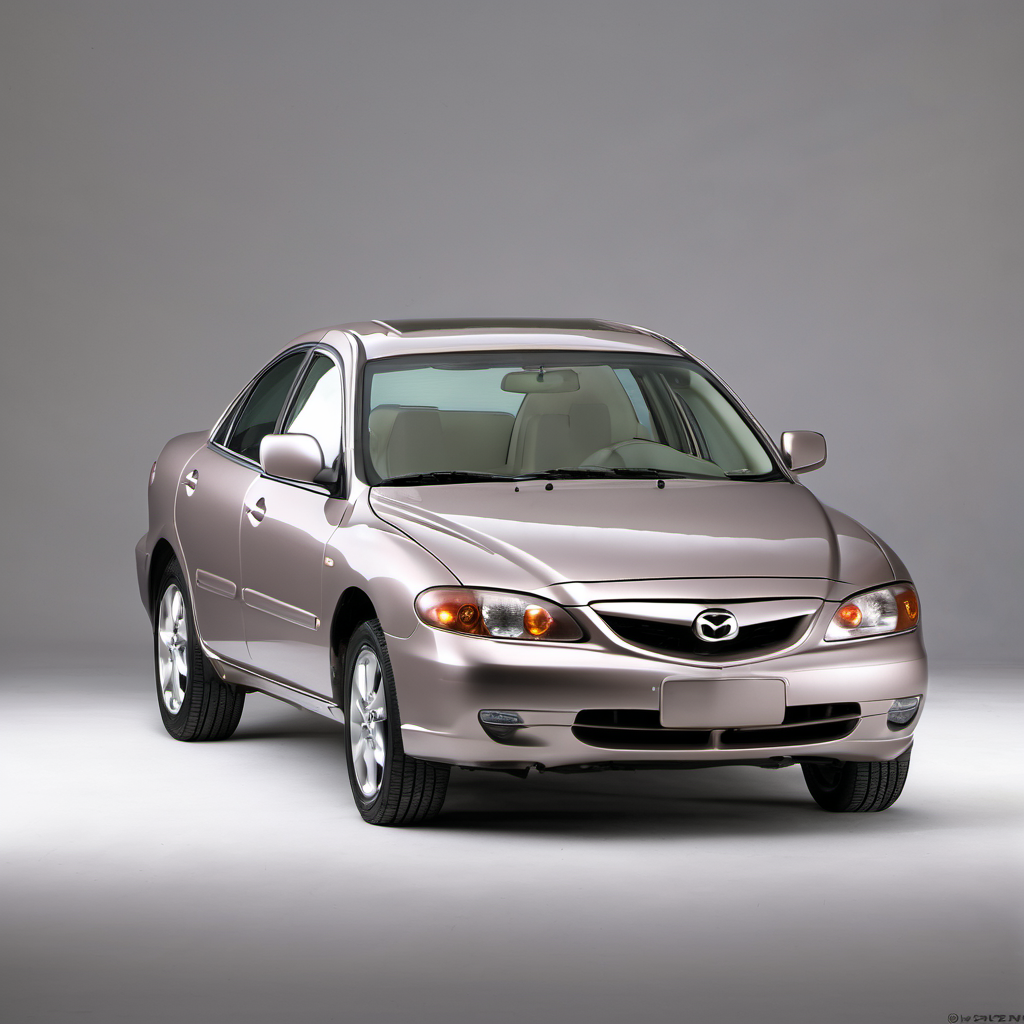
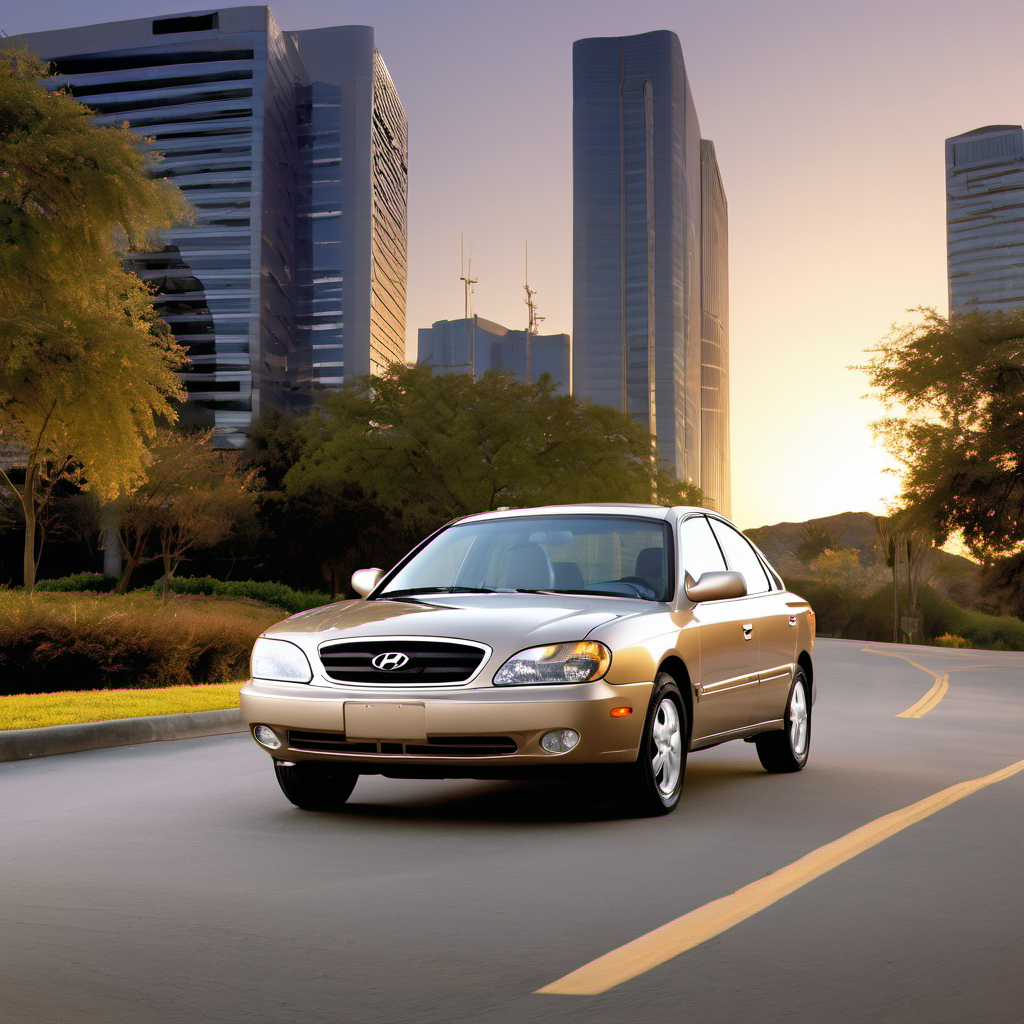
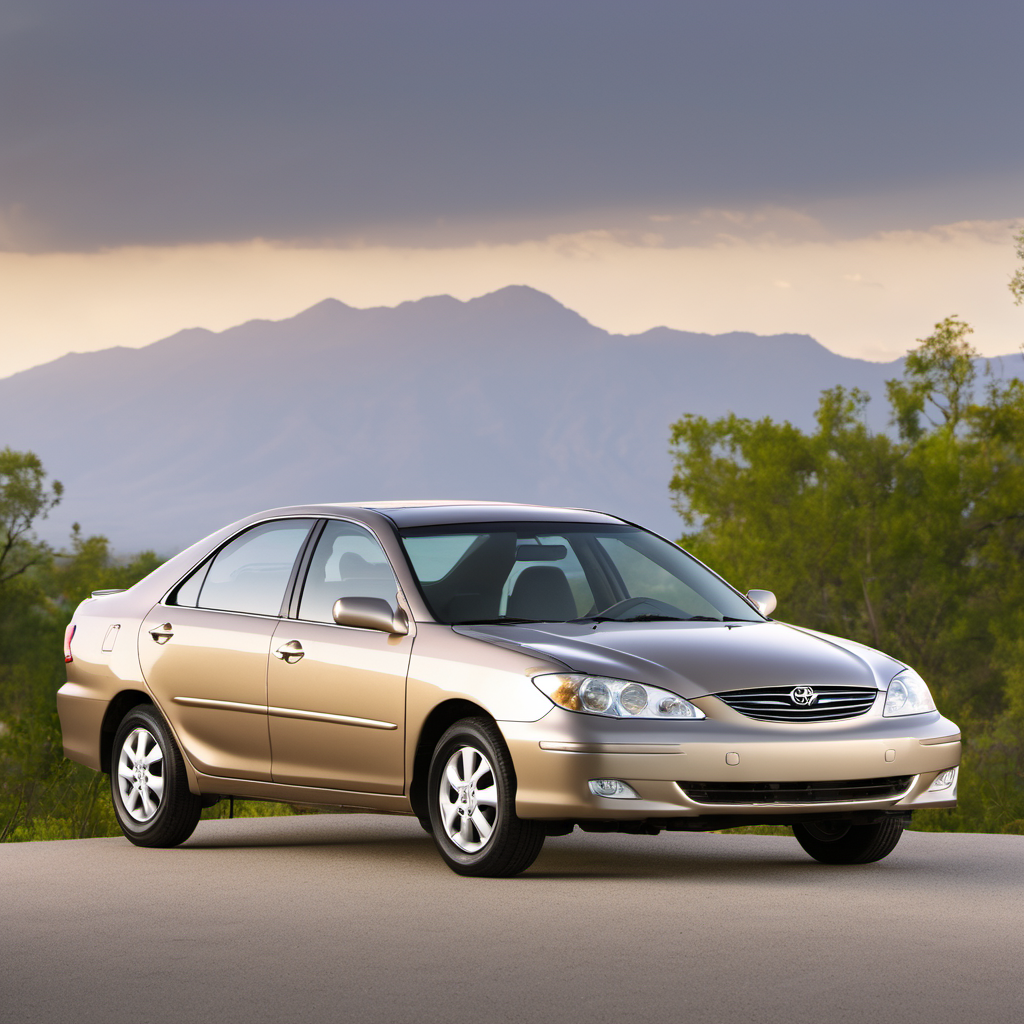
2004 Nissan Altima Sedan

2004 Nissan

AltimaSedan

Sedan

The 2004 Nissan Altima is a front-wheel-drive midsize sedan from Nissan's third generation (2002–2006), built on the FF-L platform shared with the Maxima. It was a significant step up from the outgoing Altima in terms of size, power, and refinement, and quickly became one of the better-selling family sedans of its era. The 2.5L four-cylinder version strikes a solid balance between fuel economy and usable power, making it a practical daily driver that holds up well with consistent maintenance. At 20 years old, most surviving 2004 Altimas have high mileage and a mixed maintenance history. The QR25DE engine in the 2.5 is capable of going well past 200k miles, but it has some documented quirks — most notably excessive oil consumption and timing chain stretch — that buyers and owners must stay on top of. The transmission (a Xtronic CVT on some trims, or a conventional automatic/manual) can be a wildcard on higher-mileage examples. For a Lake Geneva driver, the Altima's FWD setup is adequate for Wisconsin winters with a good set of winter tires. Rust is the primary long-term enemy on any 20-year-old Wisconsin car — undercarriage inspection is non-negotiable before purchase.

Reliability
3/5
Verified data
Specs shown for Altima — the most common configuration. Other trims may vary in engine, drivetrain, or fuel economy. Sign in to see your vehicle's exact specs.
Engine
[object Object]
Drivetrain
FWD
Fuel
Gasoline
MPG
20 city / 27 hwy / 23 combined
Seats
Doors
Body
Midsize Cars

Overview

AI-curated

The 2004 Nissan Altima is a front-wheel-drive midsize sedan from Nissan's third generation (2002–2006), built on the FF-L platform shared with the Maxima. It was a significant step up from the outgoing Altima in terms of size, power, and refinement, and quickly became one of the better-selling family sedans of its era. The 2.5L four-cylinder version strikes a solid balance between fuel economy and usable power, making it a practical daily driver that holds up well with consistent maintenance. At 20 years old, most surviving 2004 Altimas have high mileage and a mixed maintenance history. The QR25DE engine in the 2.5 is capable of going well past 200k miles, but it has some documented quirks — most notably excessive oil consumption and timing chain stretch — that buyers and owners must stay on top of. The transmission (a Xtronic CVT on some trims, or a conventional automatic/manual) can be a wildcard on higher-mileage examples. For a Lake Geneva driver, the Altima's FWD setup is adequate for Wisconsin winters with a good set of winter tires. Rust is the primary long-term enemy on any 20-year-old Wisconsin car — undercarriage inspection is non-negotiable before purchase.

Known for
  • Sporty, roomy interior for a midsize sedan of its era
  • QR25DE 2.5L four-cylinder with strong low-end torque
  • Competitive fuel economy in its class
  • Available 6-speed manual transmission on 2.5S trim
  • Bose audio and driver-focused features on higher trims
Best for
  • Budget-conscious daily commuters
  • Drivers needing a roomy sedan under $10k
  • DIY-friendly owners comfortable with straightforward four-cylinder maintenance
  • Single drivers or small families needing reliable point-A-to-point-B transportation
Watch for
  • QR25DE oil consumption — can burn oil between changes without warning
  • Timing chain rattle on cold starts, indicating stretch or tensioner wear
  • CVT reliability on higher-mileage examples if equipped
  • Wisconsin road salt corrosion on brake lines, subframe, and exhaust
  • Power window regulator failures, especially driver's side

Common issues by mileage

6 known

Excessive oil consumption (QR25DE engine)

high
Typically appears
60–150k mi
Estimated repair
$100 – $800

Timing chain stretch / tensioner wear

medium
Typically appears
80–150k mi
Estimated repair
$600 – $1,400

Catalytic converter / oxygen sensor failure

medium
Typically appears
100–180k mi
Estimated repair
$150 – $700

Power window regulator failure (driver's side)

high
Typically appears
60–120k mi
Estimated repair
$120 – $280

Crankshaft position sensor / rough idle / stalling

medium
Typically appears
80–140k mi
Estimated repair
$150 – $350

Struts and control arm bushing wear

high
Typically appears
80–130k mi
Estimated repair
$400 – $900

Maintenance schedule

  1. 1
    Every 5,000 miles or 6 months Oil and filter change — use full synthetic 5W-30

    The QR25DE is prone to oil consumption. Shorter intervals and synthetic oil reduce sludge risk and keep consumption in check. Check the dipstick between changes.

  2. 2
    Every 1,000–1,500 miles Check oil level between changes

    This engine is known to burn oil silently. Running low causes timing chain and bearing damage that costs far more than a quart of oil.

  3. 3
    At 80k mi and every 30k mi thereafter, or immediately if cold-start rattle is heard Timing chain inspection / tensioner check

    A rattling timing chain on startup is a warning sign. Ignoring it can lead to chain jump, engine damage, and DTCs P0012/P0015.

  4. 4
    Every 60k miles or 5 years Coolant flush

    Worn coolant degrades gasket protection. The QR25DE is sensitive to overheating; fresh coolant keeps temperatures stable in Wisconsin summers and winters.

  5. 5
    Every 60k miles (platinum plugs) Spark plug replacement

    Worn plugs contribute to rough idle and misfires. Straightforward DIY job on this engine.

  6. 6
    Every 2 years or 30k miles Brake fluid flush

    Wisconsin road salt accelerates brake line corrosion. Fresh, dry fluid reduces moisture-related line failures and caliper seizure.

  7. 7
    Every spring after winter season Undercarriage rust inspection — brake lines, fuel lines, subframe

    Lake Geneva roads are heavily salted. Brake line and fuel line corrosion is a real safety concern on any 20-year-old Wisconsin car. Catch it early.

  8. 8
    Every 30k miles or at each tire rotation CV axle and boot inspection

    FWD CV joints take a beating. Cracked boots let grease out and grit in, leading to joint failure. Replacement before the joint goes saves significant labor cost.

Always defer to the manufacturer's service manual for warranty-mandated intervals.

Cost of ownership

Annual maintenance
$500 – $1,200
Fuel
At 23 MPG combined and ~15,000 miles/year, expect roughly $1,700–$2,100/year depending on gas prices. Uses regular 87 octane.
Insurance
Typically low — older midsize sedan with modest book value. Expect $600–$1,100/year for full coverage depending on driver profile and coverage level.

A well-maintained 2004 Altima 2.5 is one of the cheaper midsize sedans to own annually. Parts are widely available and inexpensive. The main cost risks are oil consumption damage (preventable with monitoring), timing chain repair if neglected, and rust-related work that's common on any 20-year-old Wisconsin vehicle. Budget for the unexpected on a car this age.
Seasonal care

Lake Geneva, WI
Winter
  • Switch to a dedicated winter tire set — FWD helps with traction, but all-season tires on Wisconsin ice are a real liability below 25°F
  • Test the battery before first freeze. A battery over 4 years old that hasn't been load-tested should be replaced proactively; the QR25DE's oil consumption means a hard start on a weak battery is even harder on the engine
  • Switch to full synthetic 5W-30 if not already — it flows immediately at sub-zero temperatures, reducing timing chain wear on cold starts
  • Top off washer fluid with a winter-rated -20°F or colder formula. The standard reservoir cap seal can crack; inspect it
  • Inspect and treat undercarriage with a rust inhibitor before first salt application of the season
  • Check antifreeze concentration — should be good to at least -34°F for Wisconsin winters
Summer
  • Inspect A/C system performance — refrigerant charge drops over time on 20-year-old systems; a recharge and leak check is worthwhile if cooling is marginal
  • Check tire pressure monthly — tires gain roughly 1 PSI for every 10°F increase in temperature, and overinflation reduces contact patch and braking distance
  • Inspect coolant level and condition before hot-weather driving — a 20-year-old car with marginal coolant can overheat in stop-and-go summer traffic
  • Check that the engine cooling fan operates correctly at idle in hot weather; a failing fan relay or motor will cause overheating when sitting still
  • Inspect serpentine belt for cracking or glazing — heat accelerates belt degradation

Comparable vehicles

If you're shopping for one

Red flags
  • Cold-start timing chain rattle that doesn't clear within 10–15 seconds
  • Oil that's black, gritty, or significantly below the full mark
  • Any evidence of overheating in the service history — head gasket issues can follow
  • Visible rust perforation on the rocker panels, subframe, or brake/fuel lines
  • CVT-equipped example with shudder, hesitation, or whining noise under acceleration
  • Check engine light with camshaft timing codes (P0012, P0015) — indicates possible oil starvation history or VVT solenoid damage
What to inspect
  • Pull the oil dipstick — oil should be clean and at the full mark. Dark, gritty, or low oil is a red flag for neglect and potential engine damage
  • Start cold and listen for timing chain rattle in the first 5–10 seconds — a ticking or rattling sound on cold start points to chain stretch or tensioner wear
  • Check for visible rust on the brake lines along the rear axle and subframe — this is the most common Wisconsin-specific failure point on cars this age
  • Ask for oil change records. No records = assume the worst and price accordingly
  • Test all power windows and the driver's window regulator specifically — replacement is common and easy to negotiate on
  • On automatic-equipped cars, check for transmission shudder or delayed engagement when shifting from Park to Drive after sitting overnight
AI profile generated 13 days ago · claude-sonnet-4-6 · v2.