Timing Belt Failure (Interference Engine)
high- Typically appears
- 60–105k mi (then every 60k)
- Estimated repair
- $350 – $600
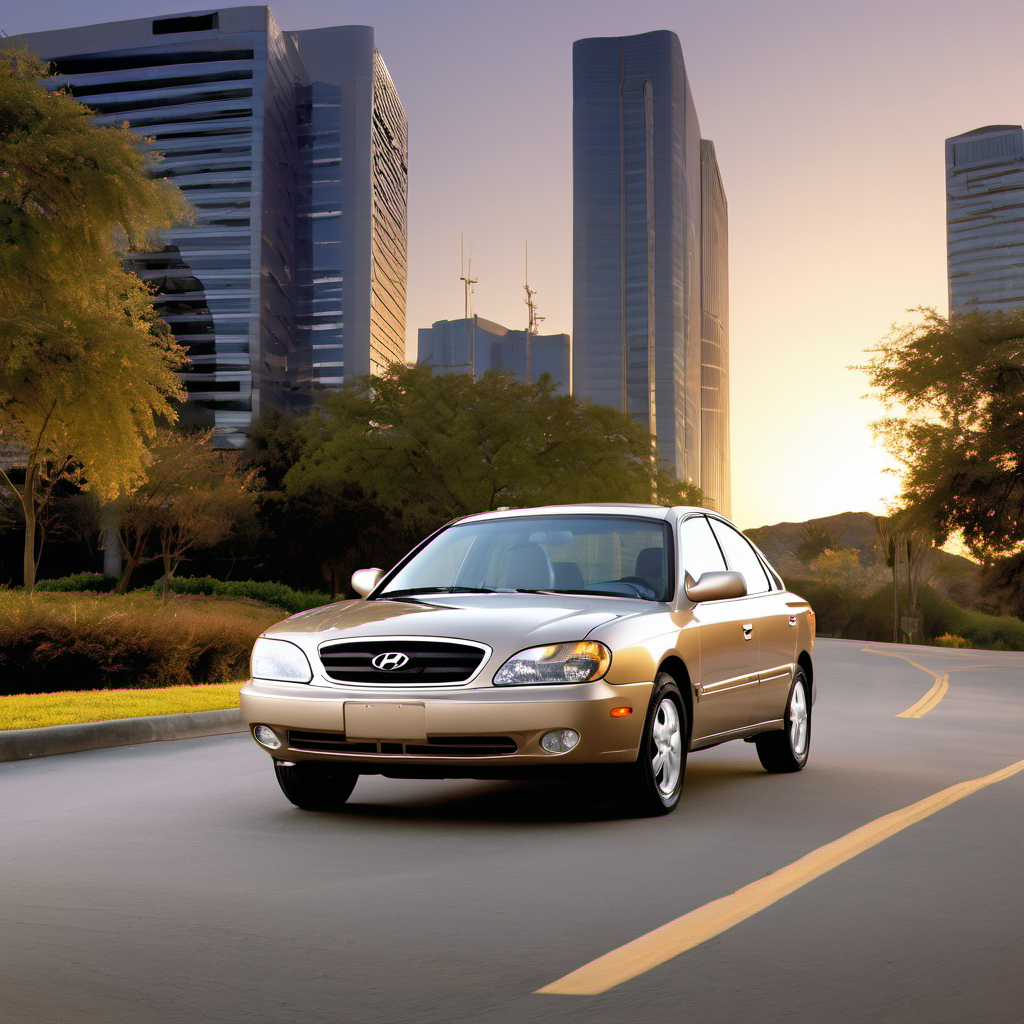
2004 Hyundai
Sedan
The 2004 Hyundai Sonata is a front-wheel-drive mid-size sedan from Hyundai's fourth generation (EF) platform. It offered buyers a roomy, affordable alternative to the Camry and Accord at a noticeably lower price point — and by 2004, Hyundai's build quality had improved enough that these cars could deliver solid service lives when properly maintained. The base powerplant is a 2.4L four-cylinder paired with a 4-speed automatic, though a 2.7L V6 was also available. The four-cylinder is the more common engine found on the used market and is generally the more reliable choice. Ride comfort and interior space are genuine strengths; driving dynamics are unremarkable but completely adequate for daily commuting and highway travel. At 20+ years old, most surviving examples have accumulated significant mileage. Rust, deferred maintenance, and worn cooling/timing components are the biggest practical concerns for a buyer in the upper Midwest. Budget accordingly, and plan on catching up on any neglected service intervals right away.
The 2004 Hyundai Sonata is a front-wheel-drive mid-size sedan from Hyundai's fourth generation (EF) platform. It offered buyers a roomy, affordable alternative to the Camry and Accord at a noticeably lower price point — and by 2004, Hyundai's build quality had improved enough that these cars could deliver solid service lives when properly maintained. The base powerplant is a 2.4L four-cylinder paired with a 4-speed automatic, though a 2.7L V6 was also available. The four-cylinder is the more common engine found on the used market and is generally the more reliable choice. Ride comfort and interior space are genuine strengths; driving dynamics are unremarkable but completely adequate for daily commuting and highway travel. At 20+ years old, most surviving examples have accumulated significant mileage. Rust, deferred maintenance, and worn cooling/timing components are the biggest practical concerns for a buyer in the upper Midwest. Budget accordingly, and plan on catching up on any neglected service intervals right away.
The 2.4L is an interference engine. A snapped belt destroys the engine. The water pump is driven by the same belt; replace it at the same time to avoid opening the engine twice.
Oil sludge is the primary cause of VVT solenoid and camshaft timing problems on this engine. Use the manufacturer-specified viscosity. Cold Wisconsin winters make fresh oil especially important for cold-start protection.
Aged coolant loses its corrosion inhibitors and accelerates plastic and aluminum housing deterioration. Inspect all hoses for cracking, softness, or bulging at every service.
Worn plugs cause misfires, reduced fuel economy, and hard cold starts — all of which are worse in sub-zero Wisconsin temperatures.
Brake fluid is hygroscopic and absorbs moisture over time, lowering its boiling point and accelerating caliper and line corrosion — a serious concern on a salt-belt car.
Hyundai's 4-speed automatic is generally robust but suffers when fluid is neglected past 60k. Fresh fluid at regular intervals is cheap insurance against a costly transmission rebuild.
A clogged cabin filter strains the blower motor and reduces defrost effectiveness — a real safety issue in Wisconsin winters.
Wisconsin road salt aggressively attacks the fuel lines, brake lines, subframe, and exhaust on any 20-year-old vehicle. Catching surface rust early with a protective coating is far cheaper than replacing structural components.
Always defer to the manufacturer's service manual for warranty-mandated intervals.
The 2004 Sonata is one of the cheapest vehicles to insure and fuel in its class. Maintenance costs are reasonable when kept current, but a single major neglected item — timing belt, coolant system, or rust-compromised brake lines — can cost more than the car is worth. Buy one in known condition with service records, and budget $600–$1,400/year for routine upkeep. Deferred maintenance catch-up in year one could easily double that.
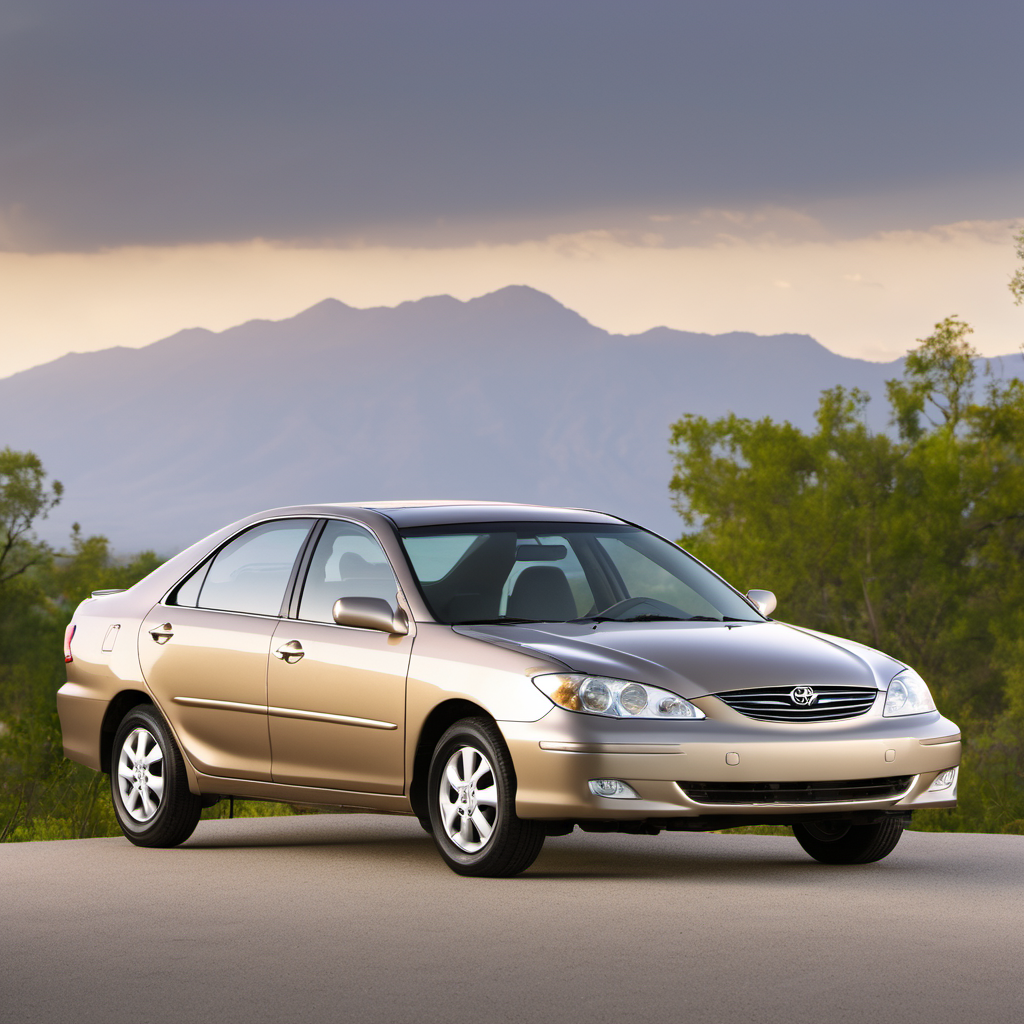
The direct segment benchmark — slightly higher purchase price but stronger long-term reliability reputation and broader parts availability. The 2.4L 2AZ-FE four-cylinder in the Camry has its own issues (oil consumption) but is a known quantity.
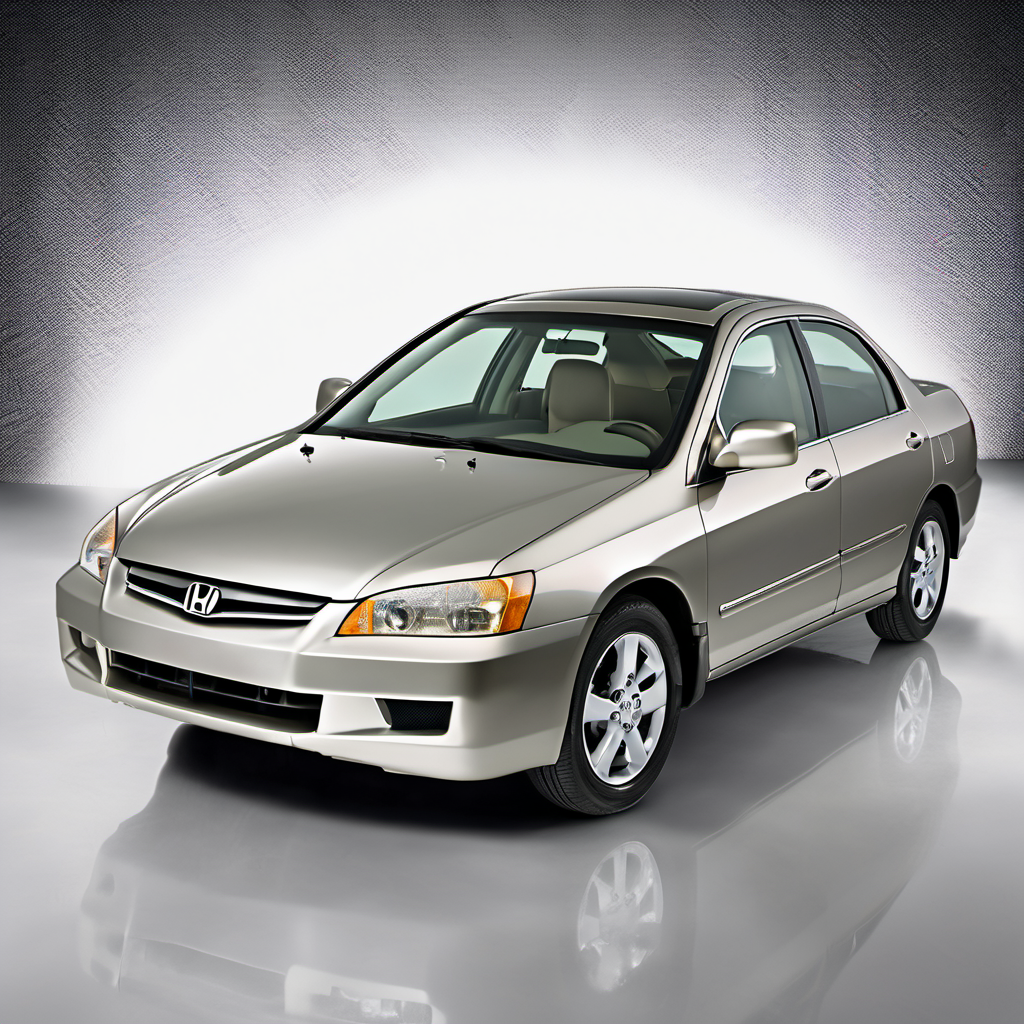
Same price band as-used, similar size and mission. The Accord's 4-cylinder and 5-speed automatic are well-proven. Rust concerns are similar at this age in Wisconsin.
Comparable footprint and pricing, slightly more engaging to drive. The 2.3L four-cylinder is reliable; parts availability is adequate. Worth cross-shopping at the same budget.
No catalog match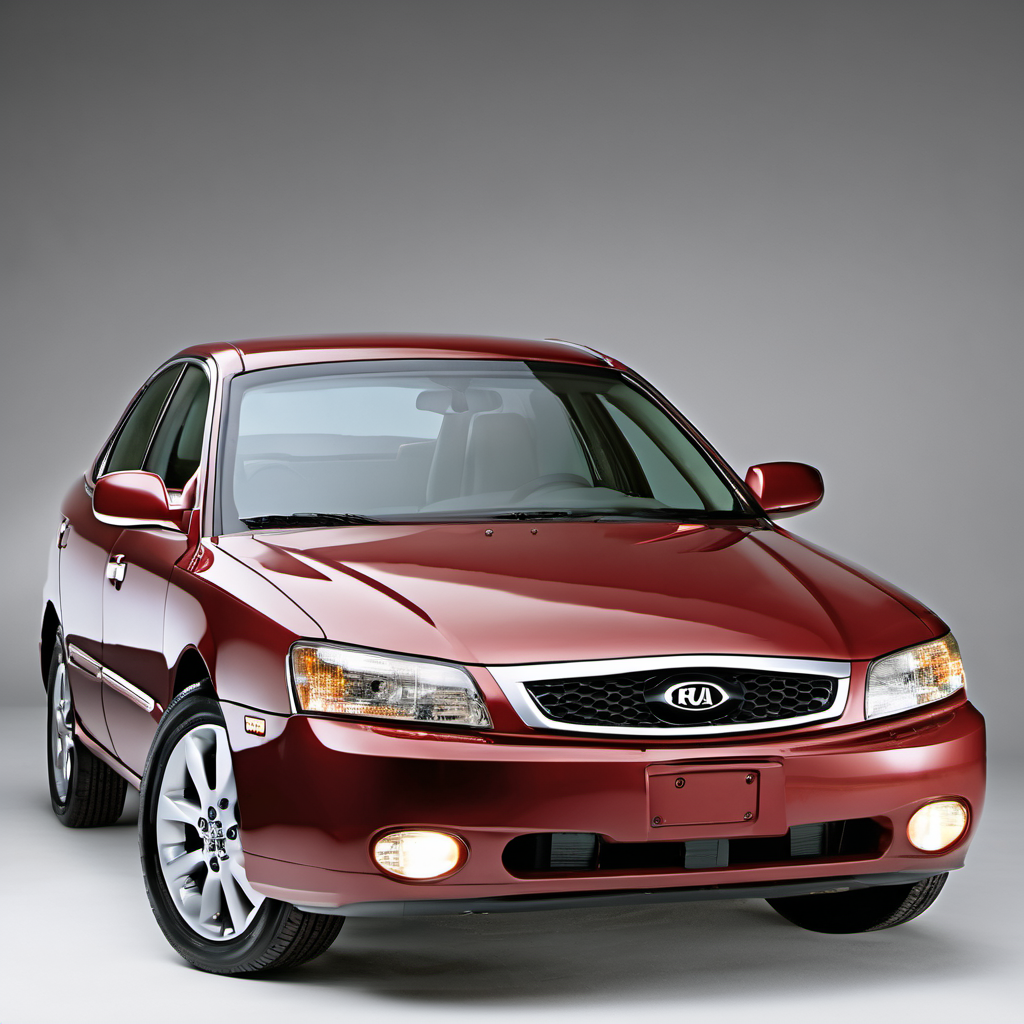
Shares the same platform and many components with the Sonata. Usually priced a bit lower on the used market. Common issues are identical, so inspection checklist is the same.