Timing Belt Failure (Interference Engine)
high- Typically appears
- 60–105k mi (and every 60k thereafter)
- Estimated repair
- $350 – $650
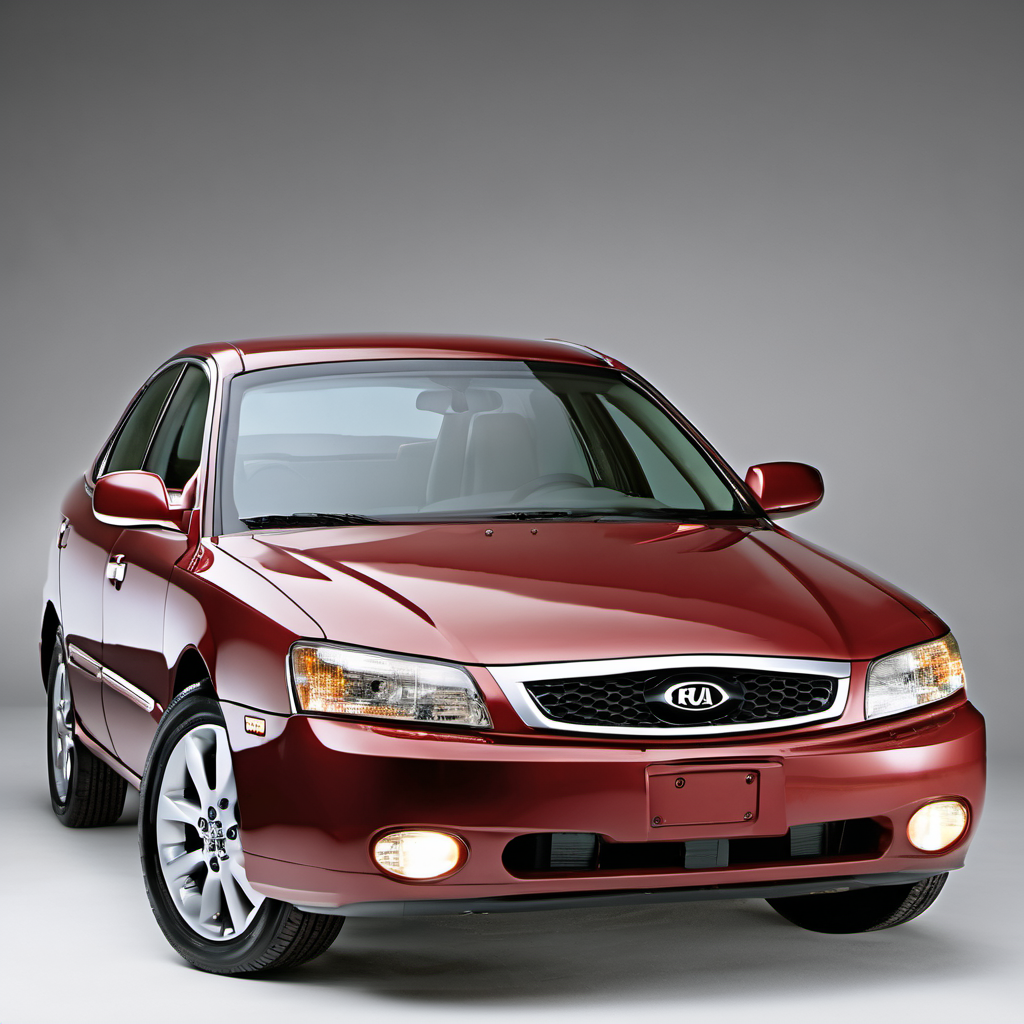
2004 Kia
Sedan
The 2004 Kia Optima is a first-generation (2001–2006) mid-size sedan that shared its platform with the Hyundai Sonata. Built during Kia's early push into the mainstream American market, it offered competitive pricing and decent feature content for the money, though it lagged behind Japanese competitors in refinement and long-term reliability. The 2.4L four-cylinder is the more common engine choice and generally holds up better than the optional V6. By 2024, any surviving 2004 Optima is well past 150,000 miles on average and carries 20 years of wear. Rust is a real concern on Wisconsin vehicles — subframe and underbody corrosion can make otherwise straightforward repairs expensive. Parts availability is reasonable for basic wear items but can be spotty for trim-specific or electrical components. This is a budget-conscious used car. It can serve as reliable basic transportation if the fundamentals are solid, but buyers should go in with eyes open about age-related wear, deferred maintenance, and the cost of keeping an older Korean sedan on the road in a salt-belt state.
The 2004 Kia Optima is a first-generation (2001–2006) mid-size sedan that shared its platform with the Hyundai Sonata. Built during Kia's early push into the mainstream American market, it offered competitive pricing and decent feature content for the money, though it lagged behind Japanese competitors in refinement and long-term reliability. The 2.4L four-cylinder is the more common engine choice and generally holds up better than the optional V6. By 2024, any surviving 2004 Optima is well past 150,000 miles on average and carries 20 years of wear. Rust is a real concern on Wisconsin vehicles — subframe and underbody corrosion can make otherwise straightforward repairs expensive. Parts availability is reasonable for basic wear items but can be spotty for trim-specific or electrical components. This is a budget-conscious used car. It can serve as reliable basic transportation if the fundamentals are solid, but buyers should go in with eyes open about age-related wear, deferred maintenance, and the cost of keeping an older Korean sedan on the road in a salt-belt state.
This is a non-negotiable on the 2.4L. It is an interference engine — if the belt snaps, valves meet pistons and you're looking at engine replacement, not a repair. Always replace the water pump, tensioner, and idler at the same time since labor is shared.
At this age, 5k intervals are more appropriate than the old 3k conventional-oil advice, but don't stretch it to 7,500+. Sludge buildup from infrequent changes is a documented issue on these four-cylinders.
The automatic transmission is the most expensive failure point on this car. Fresh fluid is cheap insurance. If the fluid is dark brown or smells burnt, do a drain-and-fill (not a full flush on a high-mileage trans — can disturb debris).
Degraded coolant becomes acidic and attacks the aluminum cylinder head and water pump. At 20 years old, assume this has been missed.
Standard copper plugs wear faster than modern iridium units. Worn plugs increase misfires and stress the ignition coils.
Brake fluid absorbs moisture over time, lowering its boiling point. On a 20-year-old car, this is almost certainly overdue and costs very little to correct.
Inspect subframe mounting points, brake lines, fuel lines, and floor pan annually. Wisconsin road salt accelerates corrosion dramatically. Catching a rusted brake line before it fails is a safety issue, not a cosmetic one.
A snapped serpentine belt kills the alternator, power steering, and A/C simultaneously and can strand you in sub-zero temps.
Always defer to the manufacturer's service manual for warranty-mandated intervals.
The 2004 Optima is cheap to buy but not necessarily cheap to own. Annual routine maintenance runs $600–$1,400 at an independent shop. The wildcard is deferred repairs on a 20-year-old car: a transmission service, timing belt (if overdue), and brake work in the same year can push costs to $2,500 or more. Budget accordingly, and set a hard ceiling on how much you're willing to invest versus the car's market value.
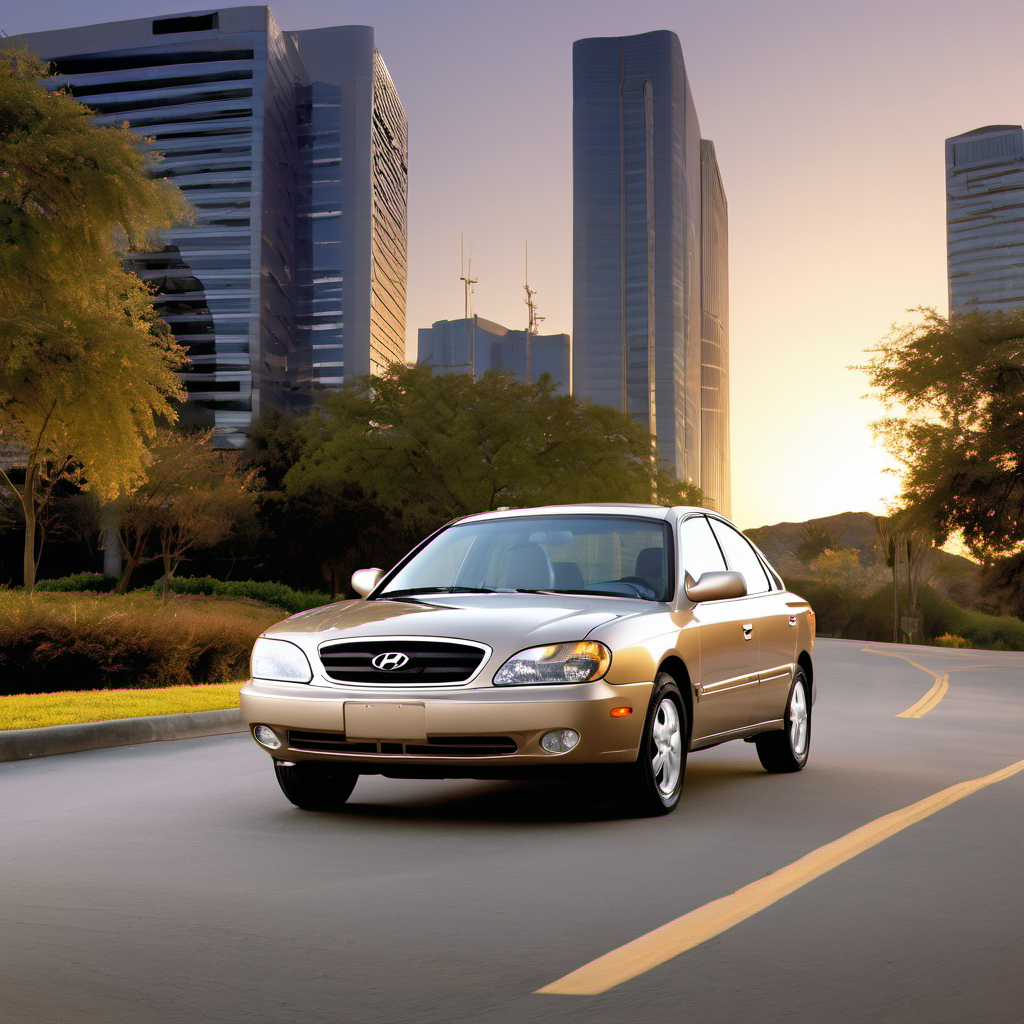
Shares the same platform and many mechanical components with the Optima. Parts are interchangeable in many cases, and the Sonata typically carries a slightly better reliability reputation from the same era.
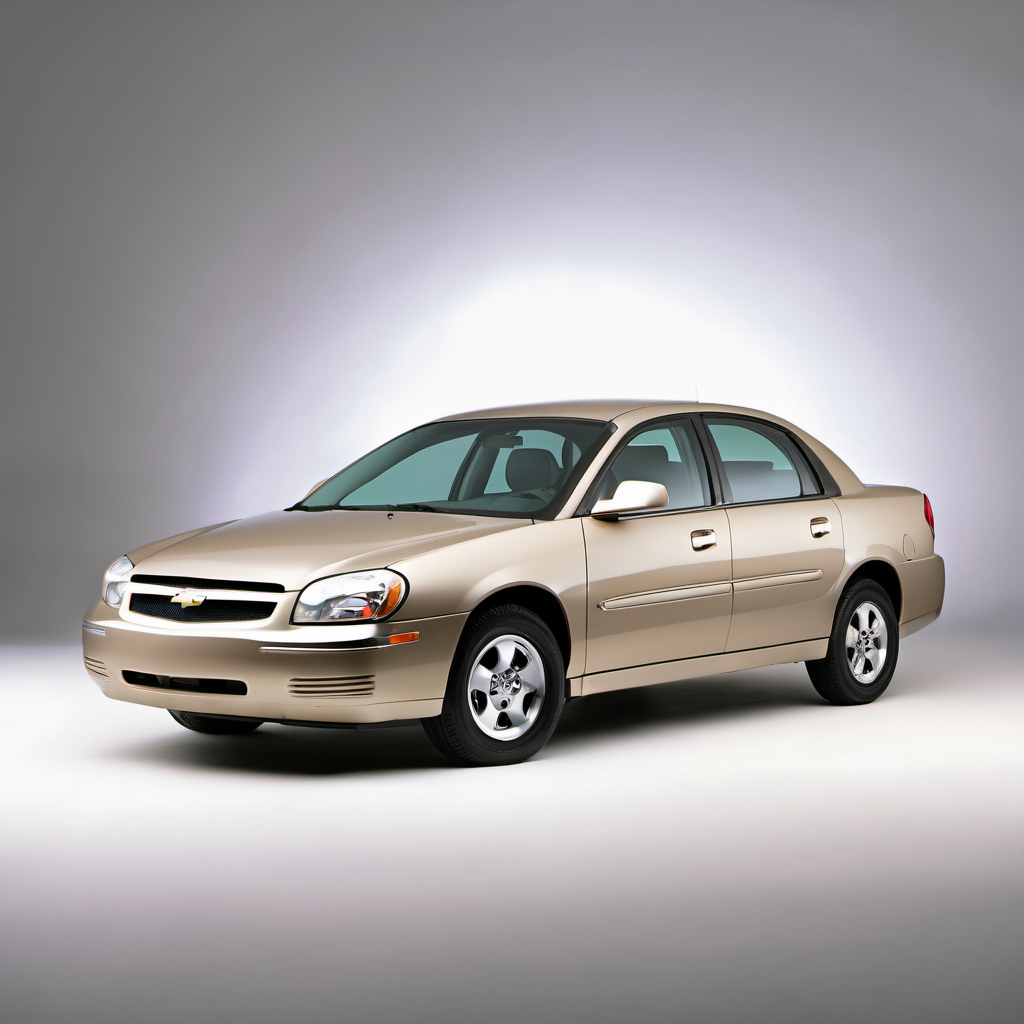
A domestic alternative in the same segment and price range. More dealer support and parts availability in the Midwest, though it carries its own era-specific reliability concerns.
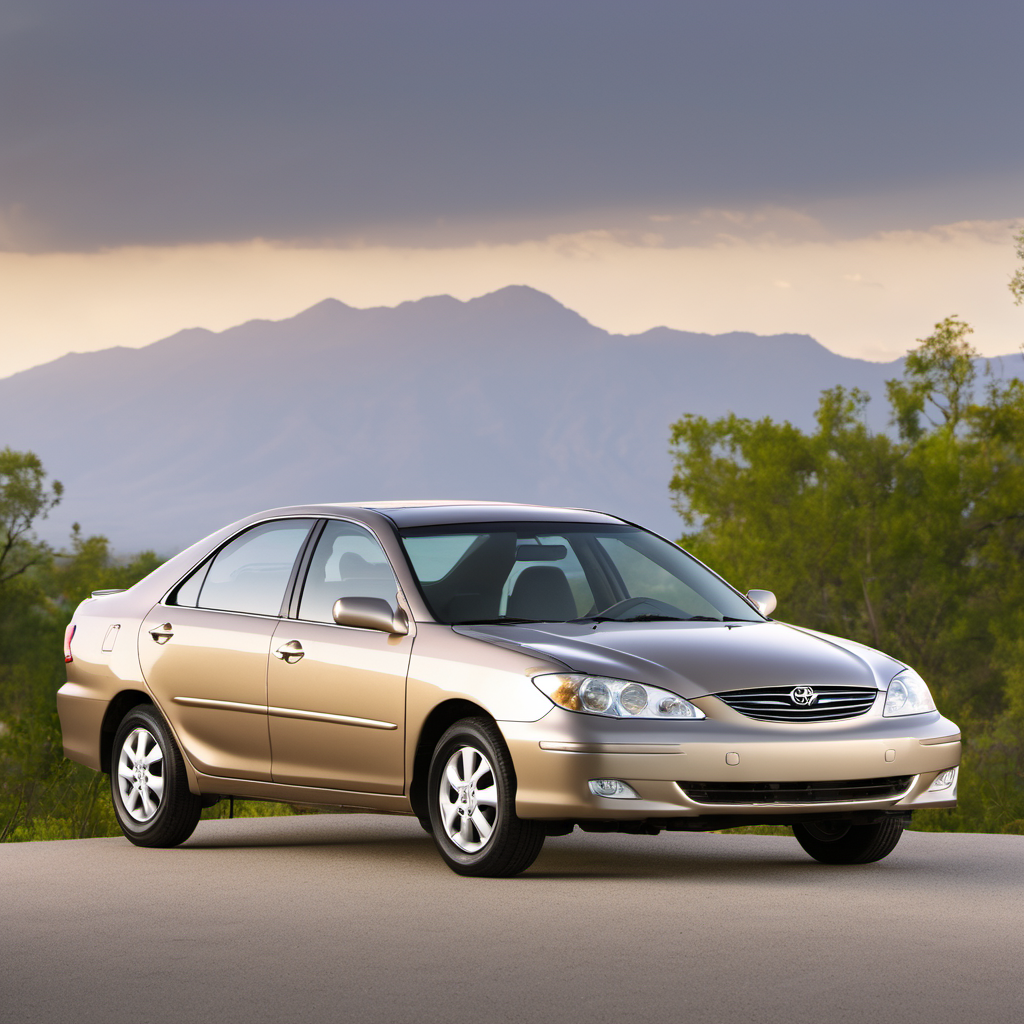
The benchmark mid-size sedan of the era. Significantly more reliable and holds value better, but commands a higher used price. If the budget allows, the Camry is the smarter long-term buy.
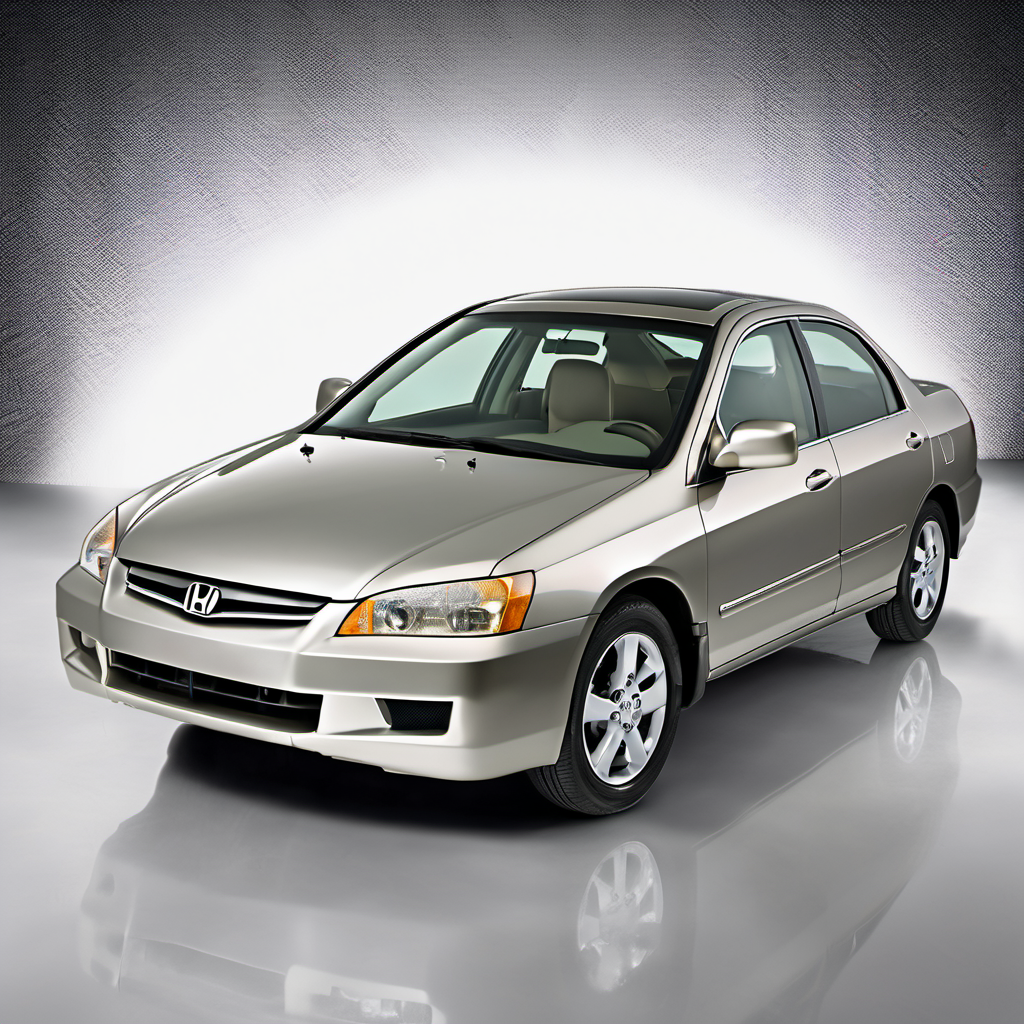
Another Japanese benchmark sedan from the same era. Known for exceptional engine longevity and transmission reliability. Like the Camry, it costs more used but typically costs far less to own over 50k miles.