Engine oil sludge / cam follower wear (1.8T)
high- Typically appears
- 60–120k mi
- Estimated repair
- $800 – $3,500
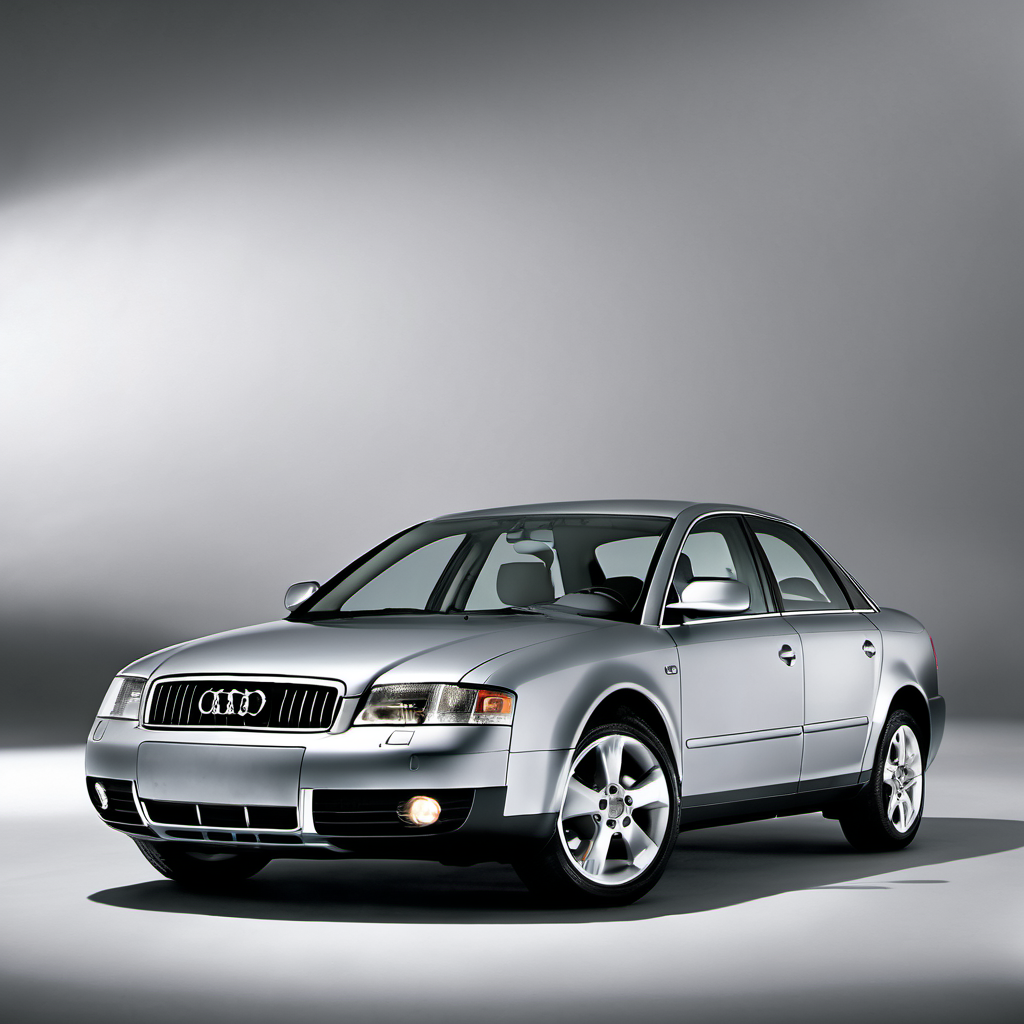
2004 Audi
Convertible
The 2004 Audi A4 Cabriolet is a four-seat, soft-top convertible built on the B6 platform — Audi's stylish answer to the BMW 3 Series convertible. It pairs European driving refinement with a fully-automatic folding roof that operates in about 30 seconds. In the U.S., it came primarily with the turbocharged 1.8T four-cylinder or the 3.0L V6, though the 1.8T was the higher-volume seller. The B6 Cabriolet is generally regarded as one of the better-looking Audis of the era, and the interior quality was a noticeable step above most competitors at the time. However, it is now 20+ years old, and the complexity of the convertible top mechanism, the known weaknesses of the 1.8T engine when neglected, and the cost of European-brand parts make it a vehicle that rewards attentive owners and punishes neglectful ones. For buyers in the Lake Geneva area, the open-top appeal is real during Wisconsin summers, but this is not an ideal year-round daily driver. Salt exposure attacks the undercarriage aggressively, the soft top needs extra winter care, and sub-zero cold starts are harder on the 1.8T's turbo and cooling system than on a typical naturally aspirated engine. Buy one only if you're willing to keep up with it.
The 2004 Audi A4 Cabriolet is a four-seat, soft-top convertible built on the B6 platform — Audi's stylish answer to the BMW 3 Series convertible. It pairs European driving refinement with a fully-automatic folding roof that operates in about 30 seconds. In the U.S., it came primarily with the turbocharged 1.8T four-cylinder or the 3.0L V6, though the 1.8T was the higher-volume seller. The B6 Cabriolet is generally regarded as one of the better-looking Audis of the era, and the interior quality was a noticeable step above most competitors at the time. However, it is now 20+ years old, and the complexity of the convertible top mechanism, the known weaknesses of the 1.8T engine when neglected, and the cost of European-brand parts make it a vehicle that rewards attentive owners and punishes neglectful ones. For buyers in the Lake Geneva area, the open-top appeal is real during Wisconsin summers, but this is not an ideal year-round daily driver. Salt exposure attacks the undercarriage aggressively, the soft top needs extra winter care, and sub-zero cold starts are harder on the 1.8T's turbo and cooling system than on a typical naturally aspirated engine. Buy one only if you're willing to keep up with it.
The 1.8T is notorious for sludge buildup when oil changes are skipped or extended. At 20 years old, assume the engine needs the shorter interval regardless of the dash reminder.
Plastic components in the cooling system become brittle with age. A sudden coolant loss on a turbocharged engine can cause rapid, expensive damage.
The 1.8T is an interference engine. A snapped timing belt destroys the engine. If history is unknown, do it now.
Hydraulic leaks are slow at first and become a major repair if the pump runs dry. Catching a seeping cylinder early is a $200 fix vs. a $1,500+ pump replacement.
Wisconsin UV in summer and freeze-thaw cycles degrade the top material and seams. A conditioned top stays pliable; a neglected one cracks and leaks.
B6 1.8T coil packs fail without much warning, causing misfires. Replacing plugs and inspecting coils together is cost-efficient at the same service interval.
Audi specifies this interval because DOT 4 fluid absorbs moisture over time, lowering boiling point and accelerating internal caliper corrosion — worse in a salty-road environment.
The B6 chassis is susceptible to subframe and control-arm mount corrosion in salt-belt climates. Washing underneath and catching early rust buys years of extra life.
Always defer to the manufacturer's service manual for warranty-mandated intervals.
This is not a cheap car to own even though the purchase price is now modest. Parts carry a European premium, labor hours are higher than on domestic vehicles, and the convertible top system adds cost that sedan owners never see. A well-maintained example in the $3,000–$8,000 purchase range can still cost $1,500–$2,500/year to keep right. Budget accordingly and don't let deferred maintenance stack up — on a 1.8T, it compounds fast.
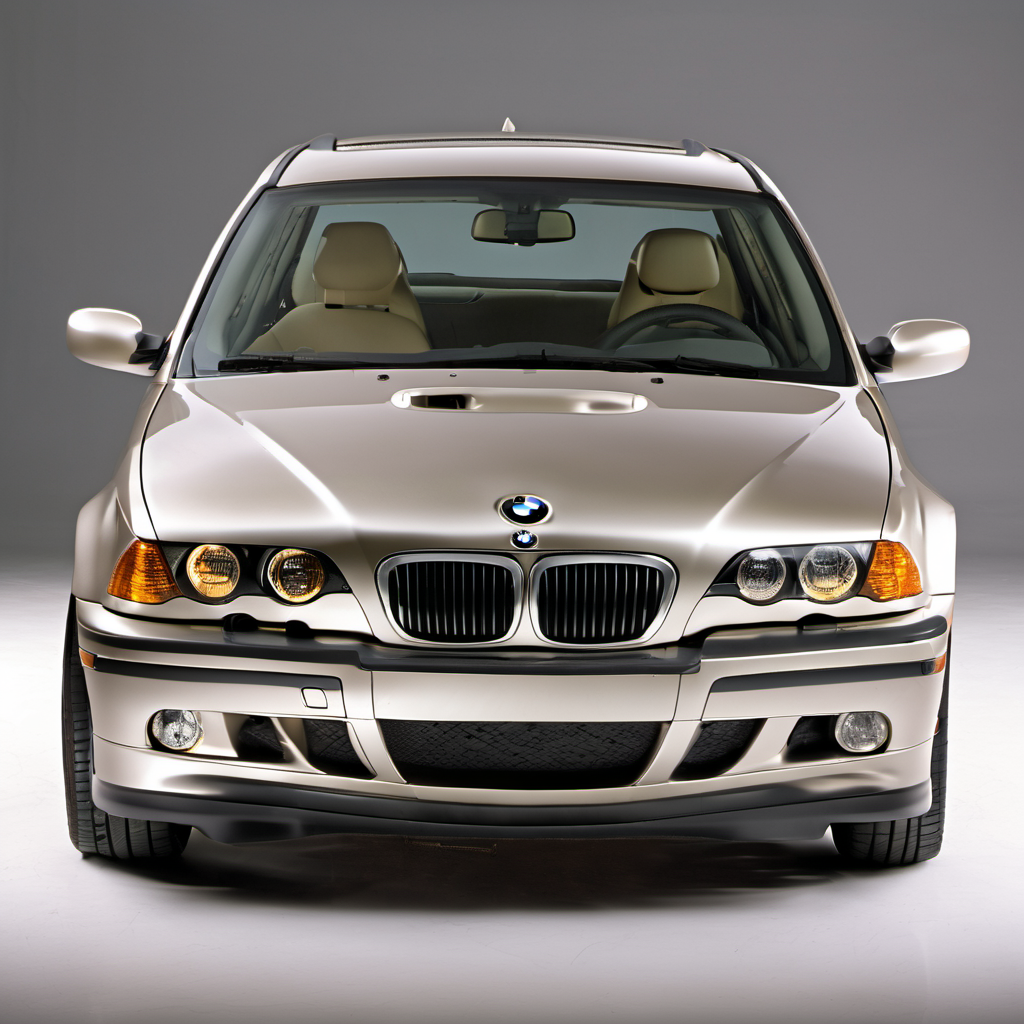
The direct class rival. The E46 330Ci offers similar European driving character with a more robust inline-6 engine and slightly better long-term reliability, though parts costs are comparable.
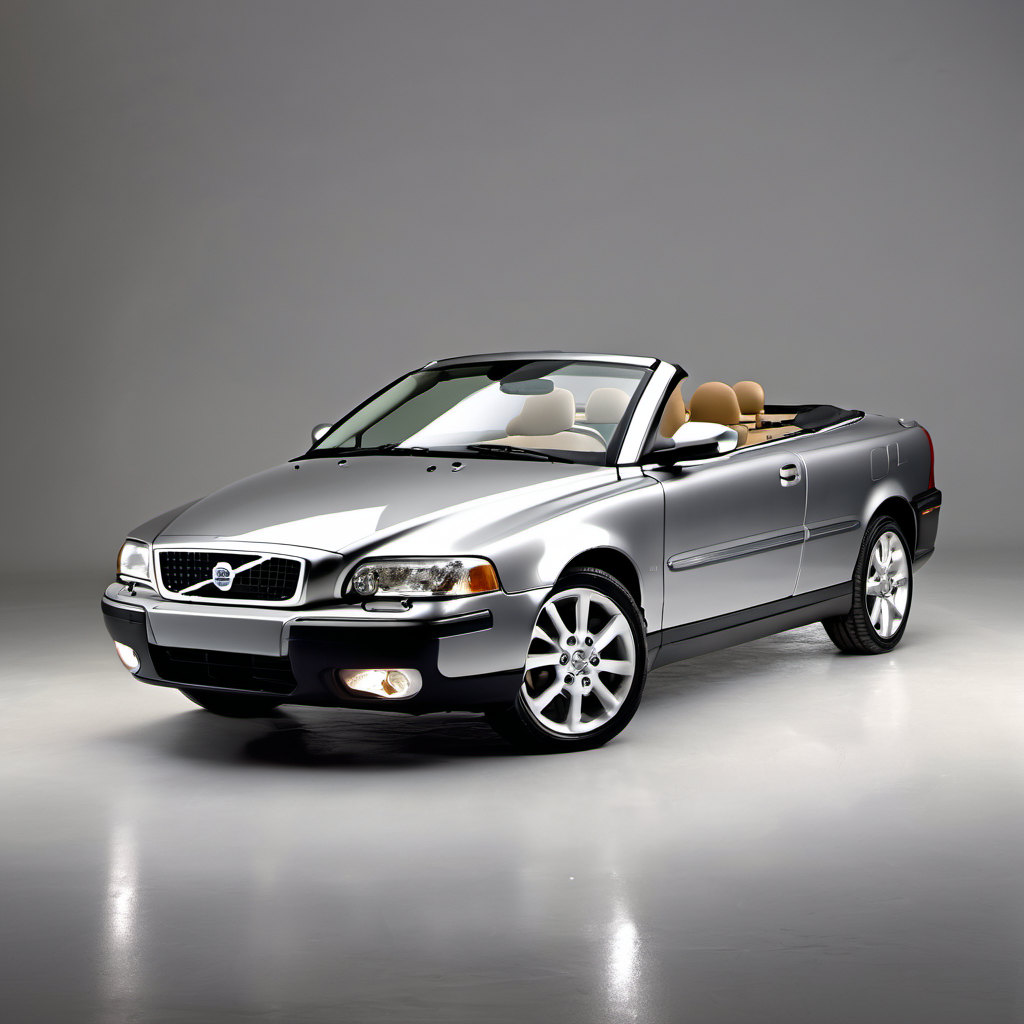
Turbocharged European convertible at a similar price point. Safer crash ratings and often simpler top mechanism, though slower and less sporty than the A4.
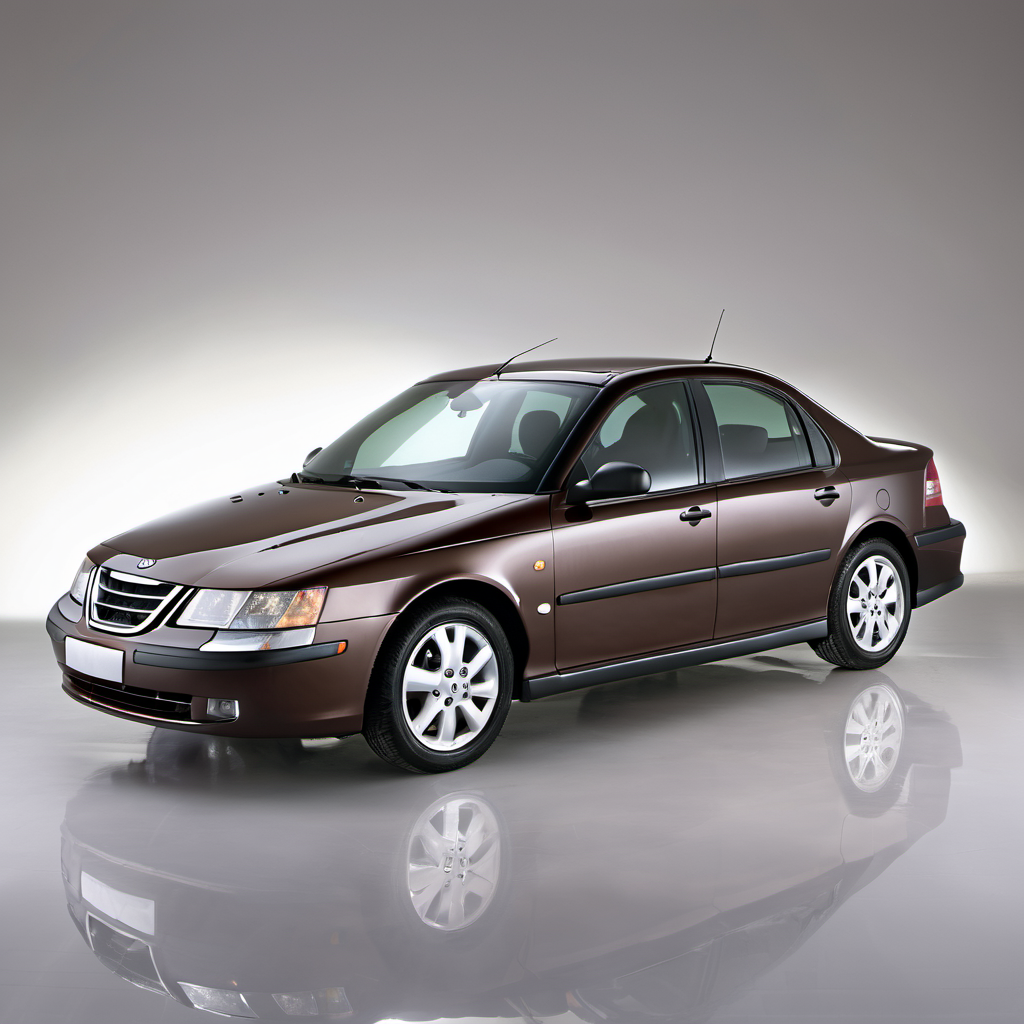
Another turbo European soft-top from the same era. Generally lower parts costs than Audi, good top quality, and a similar fun-to-drive character.
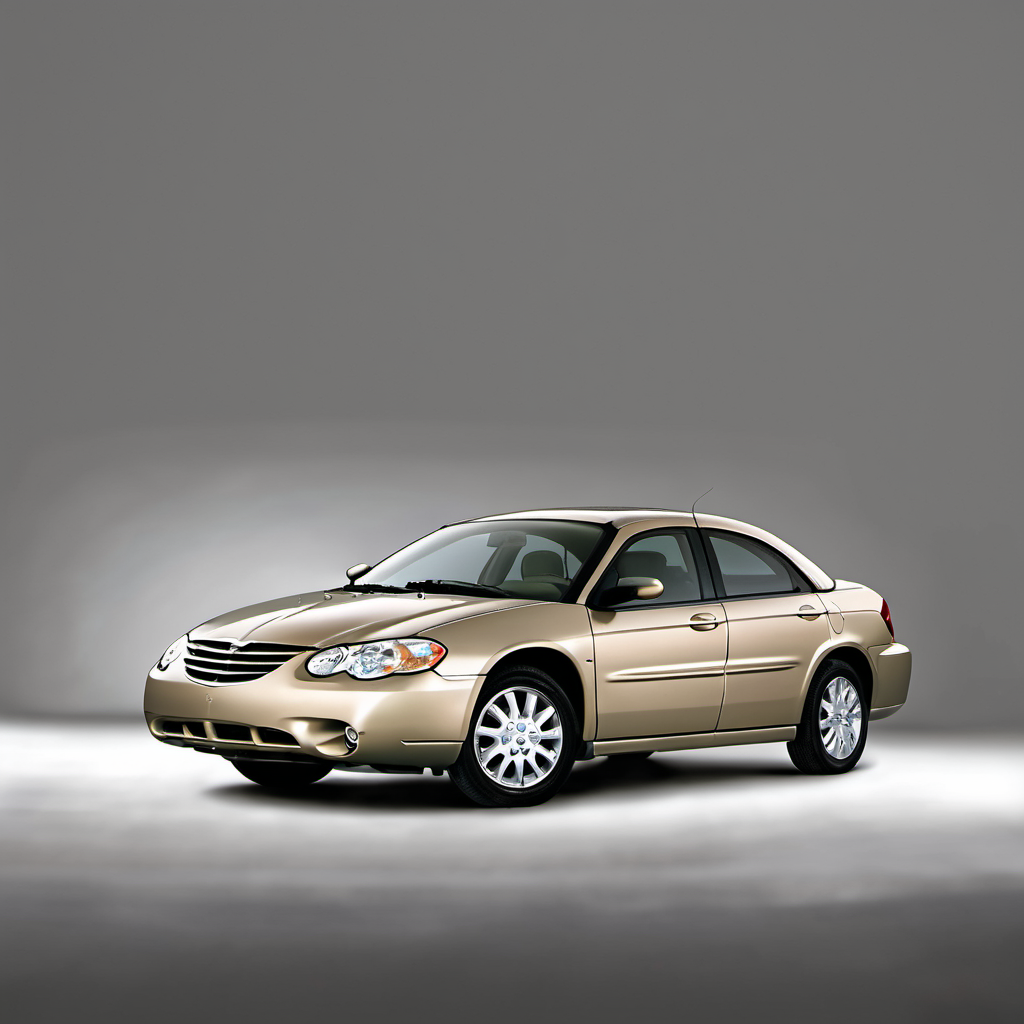
A much cheaper-to-own domestic alternative if the convertible experience is the priority over European driving dynamics. Lower performance but dramatically lower parts and labor costs.