Engine oil sludge from extended oil change intervals
high- Typically appears
- 60–120k mi
- Estimated repair
- $800 – $3,500
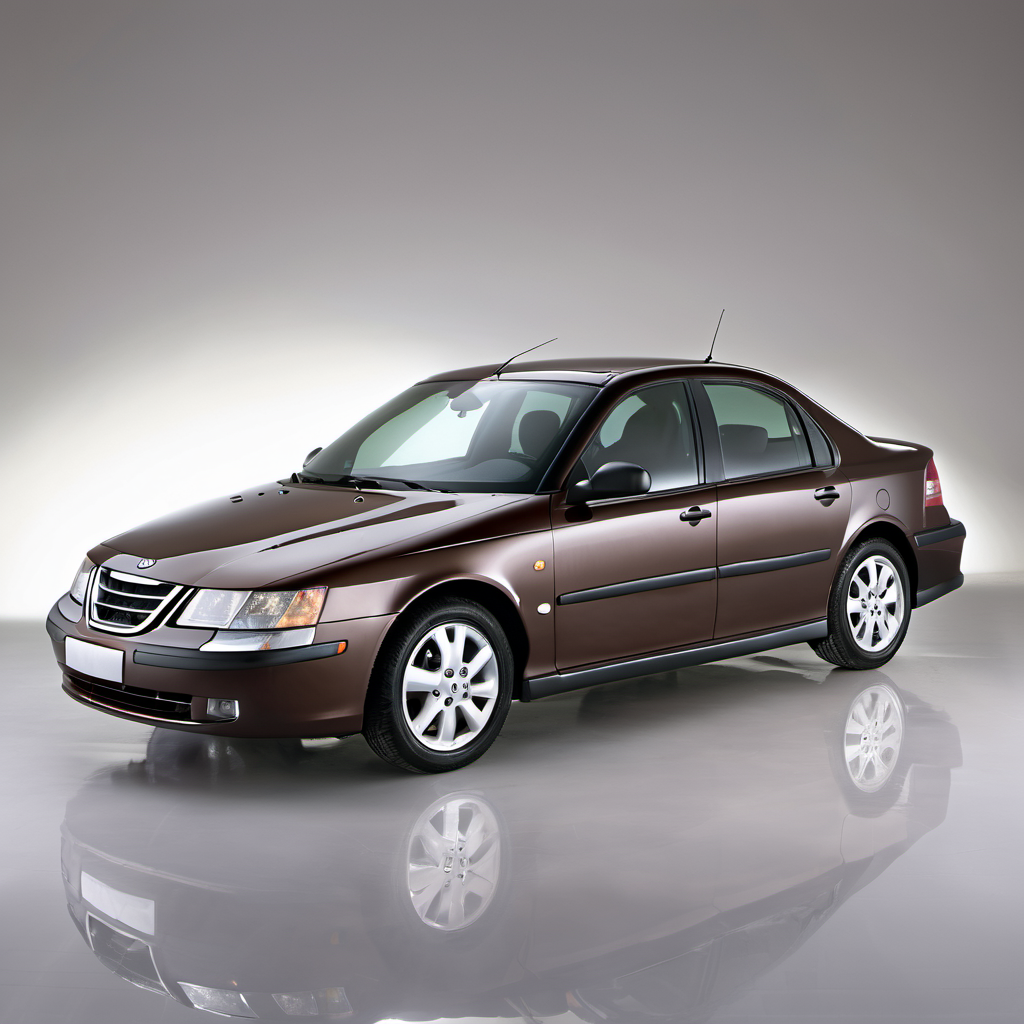
2004 Saab
Sedan
The 2004 Saab 9-3 Sedan is the first full model year of the second-generation (9-3 II) platform, riding on a GM Epsilon architecture shared with the Opel Vectra. It replaced the quirky Saab-specific NG900/old-9-3 with a more conventionally modern sport sedan that was wider, stiffer, and more refined. Power comes from Saab's turbocharged B207 2.0L four-cylinder in multiple states of tune — the Linear, Arc, and Aero trims offered progressively more boost and power, topping out at 210 hp in Aero guise. The 9-3 earned a reputation for fun, sporty driving dynamics, a classy Scandinavian interior, and genuine turbocharged punch. Saab's 'intelligent' turbo delivery made highway passing easy without feeling frantic. The cabin is well-appointed for the era, with an aircraft-inspired center console and genuinely supportive seats built for long-haul comfort. The flip side is that parts availability has thinned considerably since GM discontinued Saab in 2011. This is not an everyday commuter you want to own without either a good independent Saab specialist nearby or solid DIY skills. Ownership rewards people who stay on top of maintenance — neglect catches up fast on these turbocharged engines.
The 2004 Saab 9-3 Sedan is the first full model year of the second-generation (9-3 II) platform, riding on a GM Epsilon architecture shared with the Opel Vectra. It replaced the quirky Saab-specific NG900/old-9-3 with a more conventionally modern sport sedan that was wider, stiffer, and more refined. Power comes from Saab's turbocharged B207 2.0L four-cylinder in multiple states of tune — the Linear, Arc, and Aero trims offered progressively more boost and power, topping out at 210 hp in Aero guise. The 9-3 earned a reputation for fun, sporty driving dynamics, a classy Scandinavian interior, and genuine turbocharged punch. Saab's 'intelligent' turbo delivery made highway passing easy without feeling frantic. The cabin is well-appointed for the era, with an aircraft-inspired center console and genuinely supportive seats built for long-haul comfort. The flip side is that parts availability has thinned considerably since GM discontinued Saab in 2011. This is not an everyday commuter you want to own without either a good independent Saab specialist nearby or solid DIY skills. Ownership rewards people who stay on top of maintenance — neglect catches up fast on these turbocharged engines.
The B207 turbo engine is extremely sludge-prone. Synthetic oil and strict intervals are the single biggest factor in keeping this engine alive past 100k miles.
The diverter valve is a known weak point. A failing valve causes boost loss and can trigger codes P0033–P0035. It's a cheap fix when caught early.
Saab uses a specific coolant specification. Mixing types or running degraded coolant accelerates aluminum corrosion in the cooling system.
Worn plugs on a turbo engine increase knock risk and can mask boost-related misfires. Use the OEM-spec plug gap.
GM-sourced Aisin automatic. Fluid is often never changed on high-mileage examples; old fluid accelerates clutch wear.
Belt failure on the B207 will leave you stranded and can cause secondary damage. Tensioner springs fatigue with age.
Wisconsin road conditions accelerate bushing wear. Worn bushings cause vague steering and uneven tire wear.
Turbo engines run leaner at high boost; dirty injectors affect fuel trim and can push you toward knock on premium fuel.
Always defer to the manufacturer's service manual for warranty-mandated intervals.
The 9-3 is not an expensive car to buy used, but it costs more to maintain than a Japanese or domestic sedan of the same era. Parts availability has worsened since Saab's shutdown. Budget on the higher end of maintenance if the car has spotty service history or is above 100k miles. A single large repair (turbo replacement, VVT solenoids, transmission) can easily run $1,500–$3,500 at an independent shop. This is not the right car for a bare-minimum maintenance budget.
/2004_Volvo_S40_(New)_ff139beb_00001_.png)
Similar European sport sedan with turbo four, FWD, premium brand feel, and comparable maintenance complexity. Also now dealer-unsupported for older models.
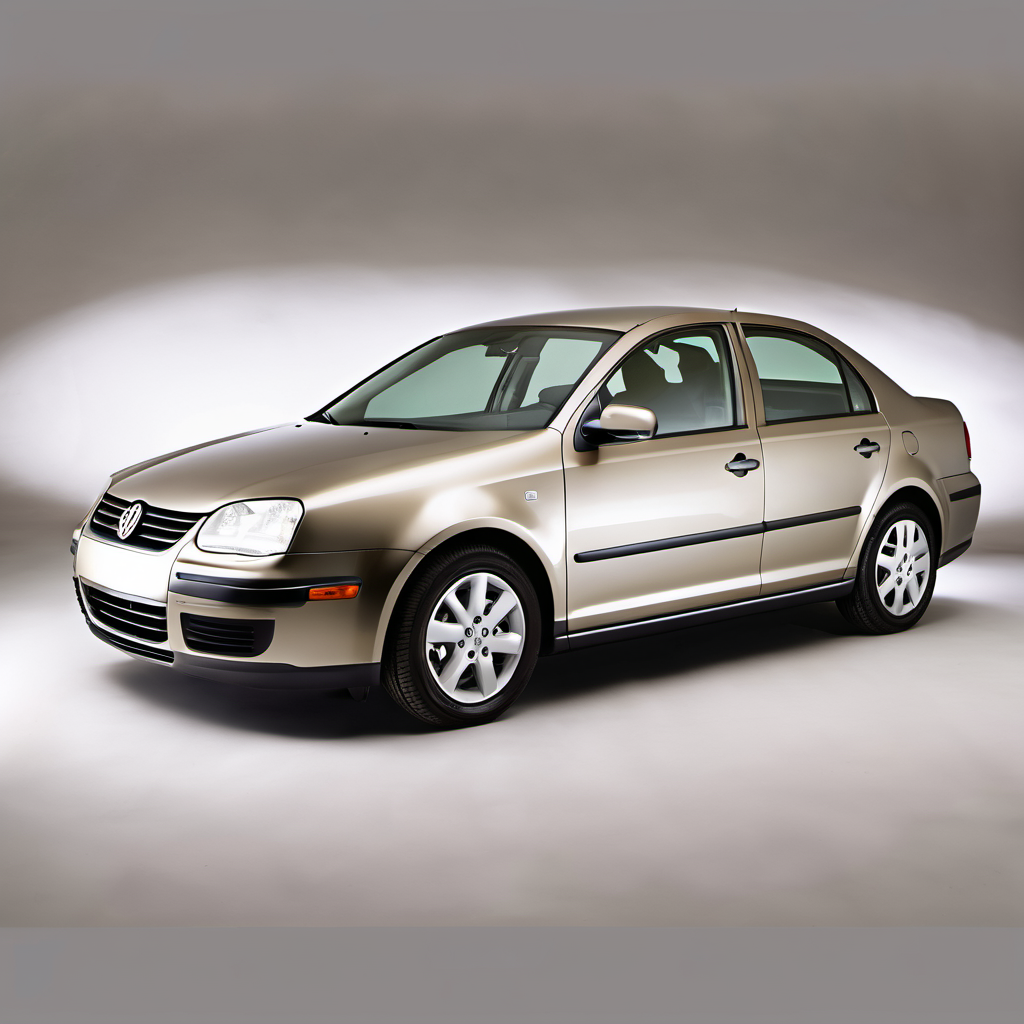
Turbocharged German sport sedan in the same price range, similar driver-focus and premium interior, with slightly better (though still specialized) parts availability.
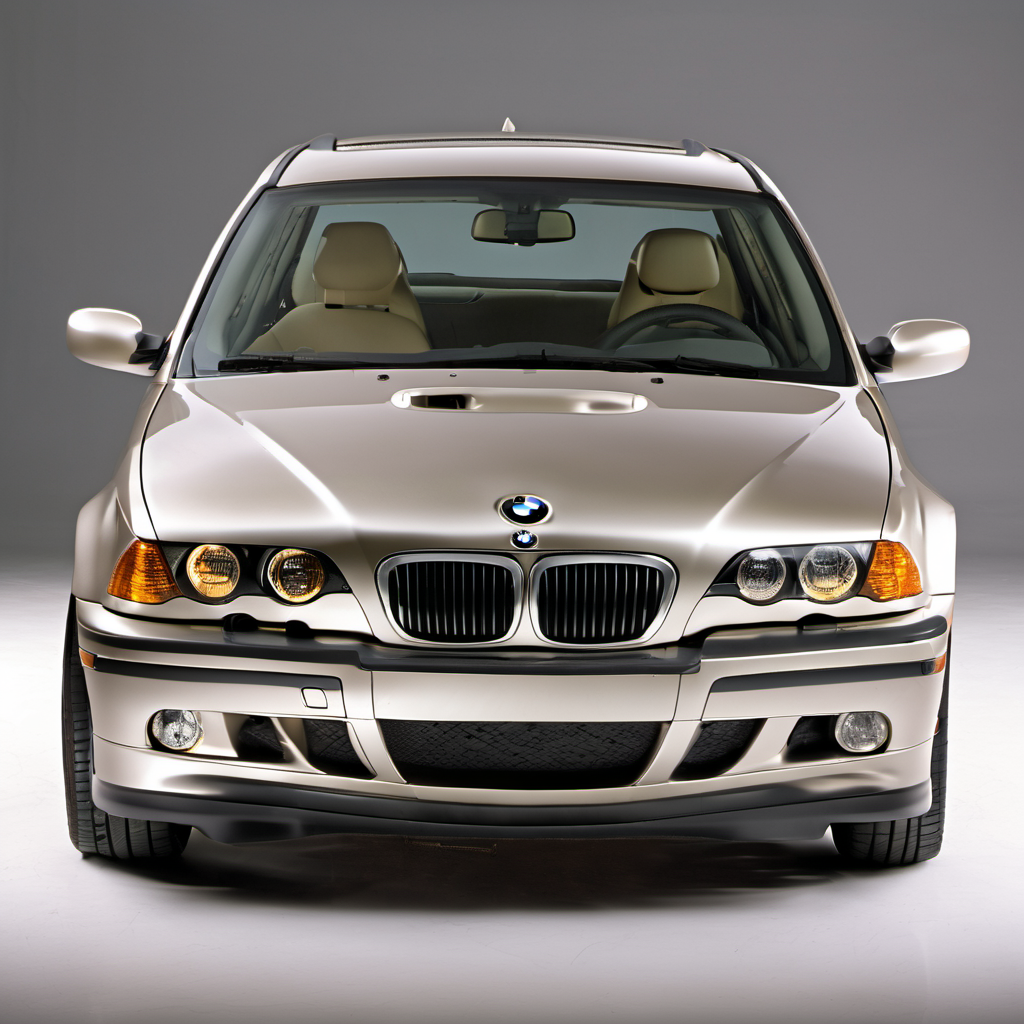
The segment benchmark for sport sedan dynamics. Higher parts and labor costs, but far better technician availability and stronger long-term reliability track record.
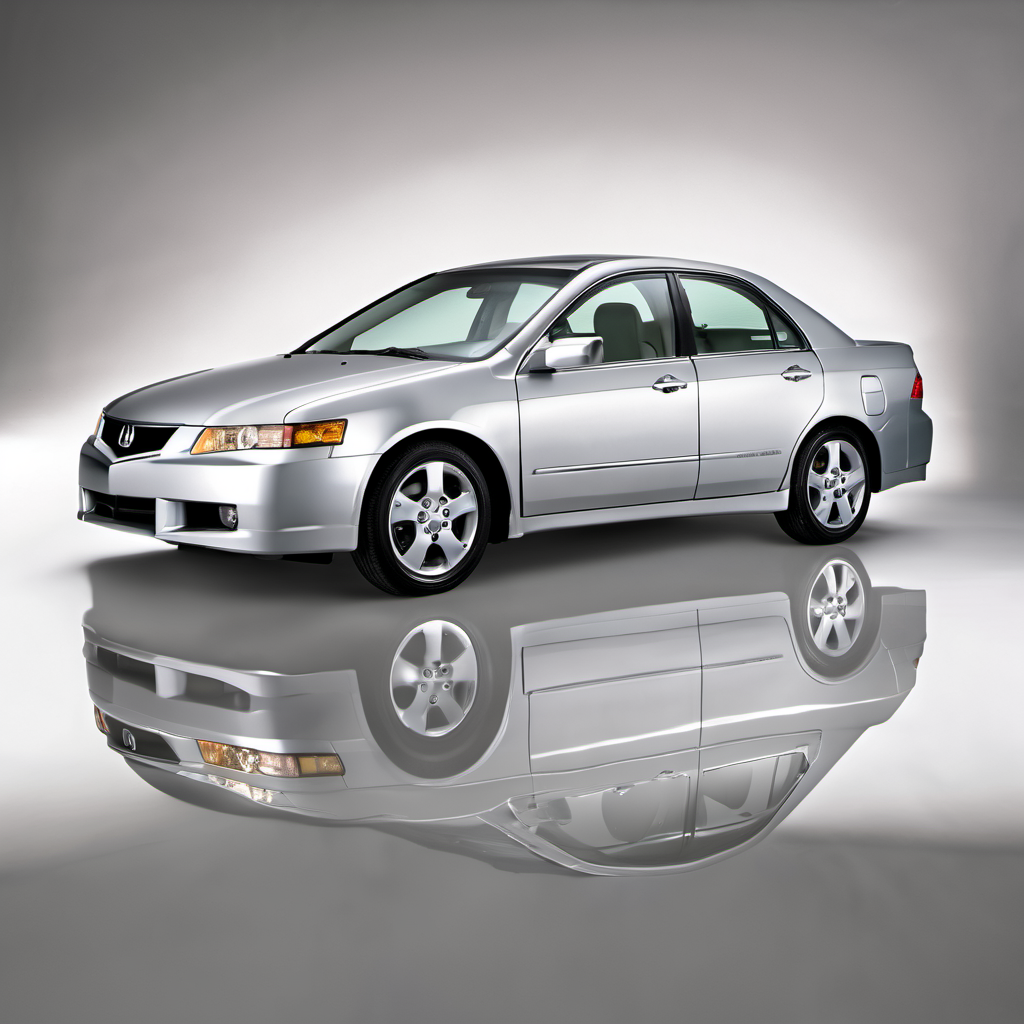
Near-identical mission and price point — sporty, refined, FWD sedan — but Honda-derived mechanicals mean far lower ownership risk and much easier parts sourcing.