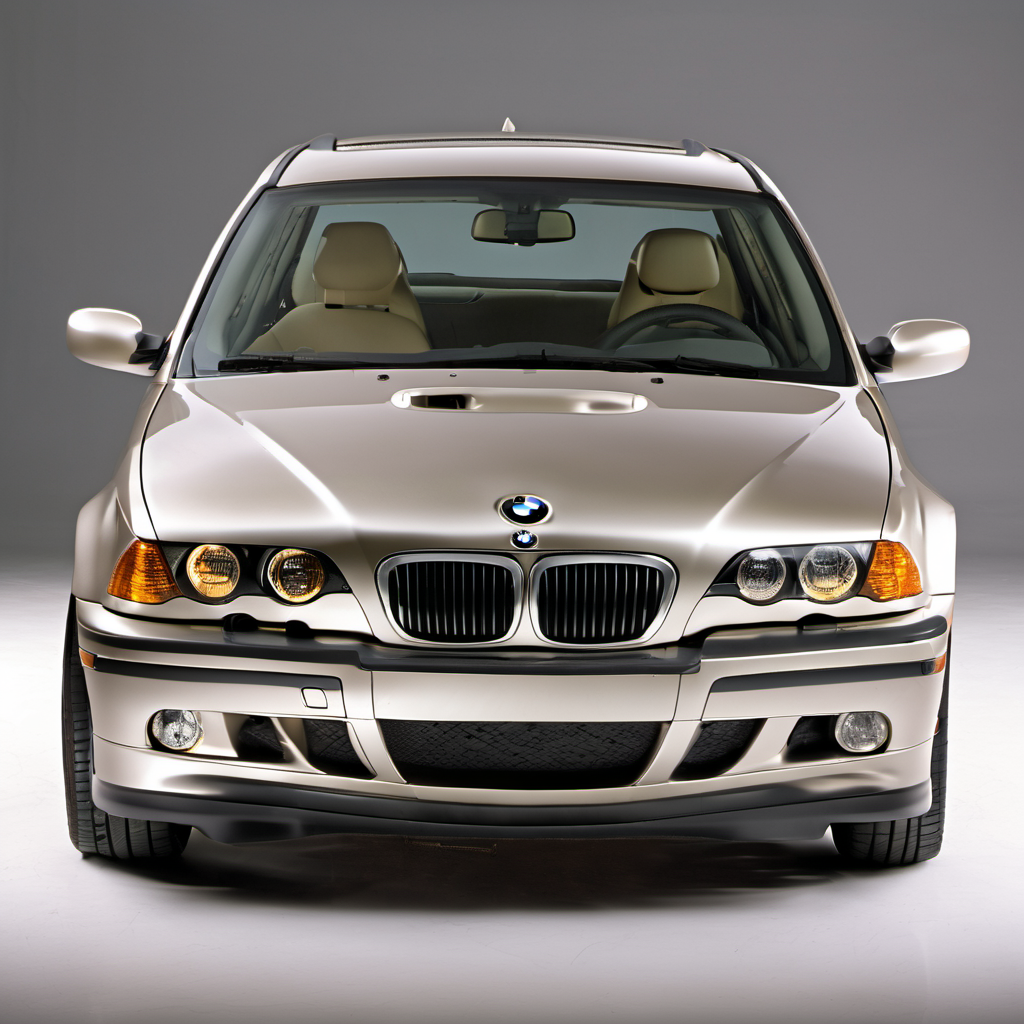
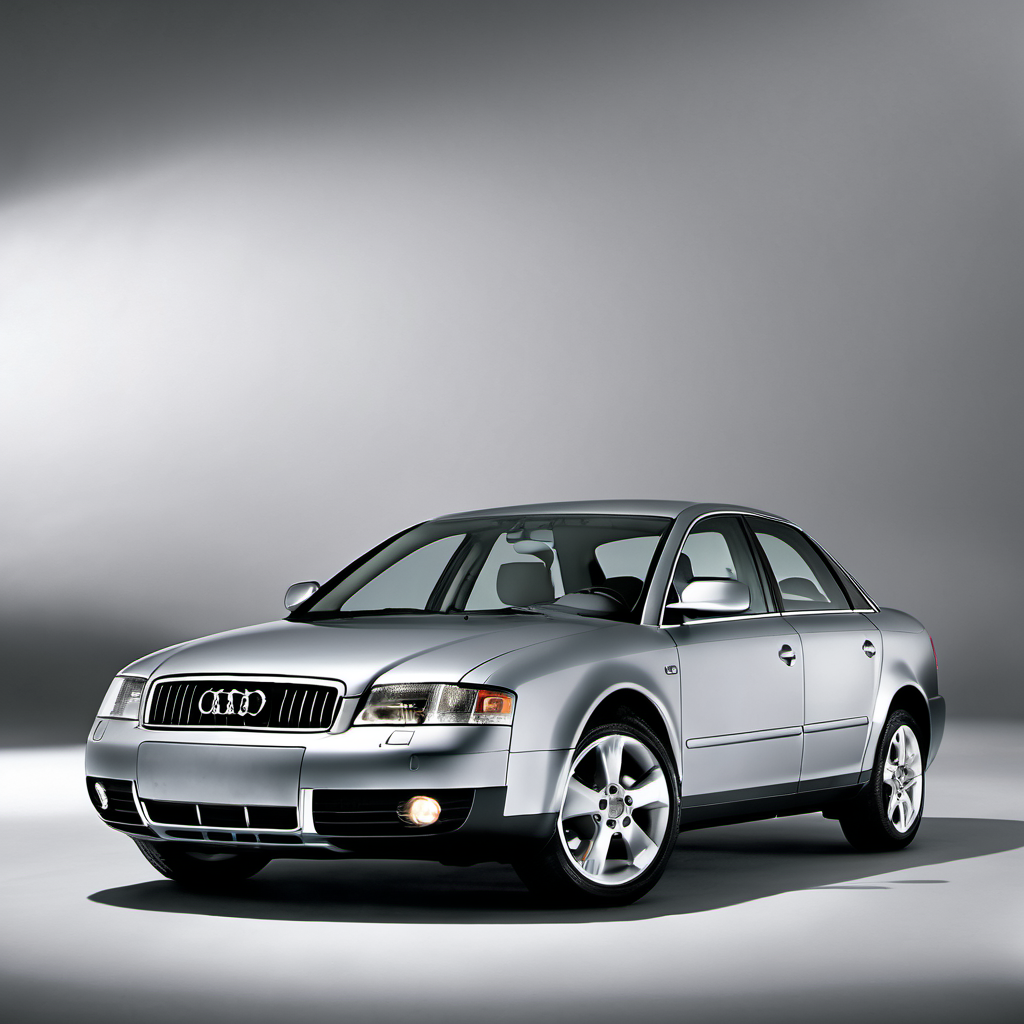
2004 BMW 3 Series Sedan

2004 BMW

3 SeriesSedan

Sedan

The 2004 BMW 3 Series (E46 generation) sedan is one of the most celebrated sport sedans ever built. Powered by a silky inline-six and tuned for driver engagement, it earned a loyal following for its near-perfect 50/50 weight distribution, precise steering, and composed chassis. By 2004 BMW had worked out many early E46 bugs, making this one of the more sorted model years in the generation. That said, the E46 is now 20+ years old, and deferred maintenance on a German luxury car is expensive to catch up on. Cooling system components are plastic and brittle with age, the VANOS variable valve timing system demands clean oil and regular service, and the electrical system can surprise you. Budget for a thorough inspection before buying and set aside a real parts-and-labor fund. In Lake Geneva winters, the RWD platform requires respect — or a dedicated set of winter tires. Properly maintained, this car rewards skilled, attentive owners with a driving experience few sedans at any price can match.

Reliability
3/5
Verified data
Specs shown for 325ci Convertible — the most common configuration. Other trims may vary in engine, drivetrain, or fuel economy. Sign in to see your vehicle's exact specs.
Engine
[object Object]
Drivetrain
RWD
Fuel
Premium gasoline
MPG
17 city / 25 hwy / 20 combined
Seats
Doors
Body
Minicompact Cars

Overview

AI-curated

The 2004 BMW 3 Series (E46 generation) sedan is one of the most celebrated sport sedans ever built. Powered by a silky inline-six and tuned for driver engagement, it earned a loyal following for its near-perfect 50/50 weight distribution, precise steering, and composed chassis. By 2004 BMW had worked out many early E46 bugs, making this one of the more sorted model years in the generation. That said, the E46 is now 20+ years old, and deferred maintenance on a German luxury car is expensive to catch up on. Cooling system components are plastic and brittle with age, the VANOS variable valve timing system demands clean oil and regular service, and the electrical system can surprise you. Budget for a thorough inspection before buying and set aside a real parts-and-labor fund. In Lake Geneva winters, the RWD platform requires respect — or a dedicated set of winter tires. Properly maintained, this car rewards skilled, attentive owners with a driving experience few sedans at any price can match.

Known for
  • Driver-focused RWD handling with near 50/50 weight balance
  • Smooth, rev-happy inline-six engine
  • Premium European build quality and interior refinement
  • Strong enthusiast and tuning community support
  • One of the most iconic sport sedans of its era
Best for
  • Driving enthusiasts who want engagement over comfort
  • Owners who can do some of their own maintenance or have a trusted independent BMW shop
  • Weekend canyon or highway drivers
  • Buyers looking for an affordable entry into European sport sedan ownership
Watch for
  • Plastic cooling system components that fail with age
  • VANOS system wear if oil changes were skipped
  • Rear subframe cracking on high-mileage examples
  • Electrical gremlins and aged window regulators
  • High dealer repair costs — always use a trusted independent BMW specialist

Common issues by mileage

6 known

Cooling System Failure (plastic thermostat housing, water pump, expansion tank)

high
Typically appears
60–120k mi
Estimated repair
$600 – $1,200

Rear Subframe Cracking / Differential Mount Failure

medium
Typically appears
100k+ mi
Estimated repair
$800 – $2,500

Window Regulator Failure (electric windows drop or bind)

high
Typically appears
60–120k mi
Estimated repair
$150 – $350

Oxygen Sensor / Heater Circuit Failure

medium
Typically appears
80–130k mi
Estimated repair
$200 – $500

Maintenance schedule

  1. 1
    Every 5,000–7,500 miles — do not stretch to BMW's OBC interval on a 20-year-old engine Engine oil change with BMW-spec full synthetic (LL-01 rated)

    The M54 VANOS system is oil-pressure-dependent. Old or low oil accelerates VANOS seal wear and can cause cam timing codes. Shorter intervals are cheap insurance.

  2. 2
    Every 2 years or 30,000 miles; inspect visually at every oil change Coolant system inspection (thermostat housing, water pump, expansion tank, hoses)

    Plastic cooling components become brittle with age and heat cycling. A blown expansion tank or cracked thermostat housing can cause rapid overheating and engine damage.

  3. 3
    Every 3 years Coolant flush and refill with BMW-spec blue coolant

    Aged coolant loses corrosion inhibitors and accelerates plastic and aluminum component degradation in the cooling system.

  4. 4
    Every 2 years Brake fluid flush

    BMW requires this interval. Brake fluid absorbs moisture over time, lowering the boiling point and increasing ABS/DSC module corrosion risk.

  5. 5
    Every 45,000–60,000 miles Spark plugs replacement

    Worn plugs stress the ignition coils; coil-on-plug units on the M54 are not cheap. Fresh plugs protect the coils and maintain smooth idle.

  6. 6
    Every 20,000–25,000 miles Cabin and engine air filter replacement

    Wisconsin road dust and seasonal debris clog filters faster than EPA estimates. A clean air filter protects the MAF sensor.

  7. 7
    Every fall before winter Inspect and lubricate door and trunk seals

    Salt air and sub-zero temps dry out rubber seals. Cracked seals let in moisture, causing door freeze-shut and interior water intrusion.

  8. 8
    Every 40,000 miles or at every major service on cars over 100k mi Rear subframe and differential mount inspection

    Subframe cracking is a known E46 issue. Catching it early avoids a very expensive repair; reinforcement kits are available at independent shops.

Always defer to the manufacturer's service manual for warranty-mandated intervals.

Cost of ownership

Annual maintenance
$800 – $2,200
Fuel
Requires premium unleaded (91 octane minimum). At current upper Midwest prices and ~15,000 mi/yr, expect $2,400–$2,900/year in fuel.
Insurance
Typically moderate — the E46 is no longer a high-theft target and values are modest, but sport sedan classification can push premiums slightly above average economy cars. Shop around.

A well-maintained E46 with documented history sits on the lower end of the range. A neglected example catching up on cooling, VANOS, and subframe work can easily push $3,000–$5,000 in the first year of ownership. The key cost driver is deferred maintenance, not the car itself. Budget conservatively and get a pre-purchase inspection from a BMW-familiar independent shop before buying.
Seasonal care

Lake Geneva, WI
Winter
  • Fit a dedicated set of winter tires on a separate steel or alloy wheel set — RWD on Wisconsin ice with all-season tires is a liability. This is not optional.
  • Test and replace the battery before first freeze. Cold cranking amps drop sharply below 20°F and the M54 starter draws heavily in sub-zero temps.
  • Switch to a full synthetic oil rated for cold starts (0W-30 or 5W-30 LL-01 spec) if not already used — critical for VANOS function on cold mornings.
  • Use BMW-approved -35°F rated washer fluid; the reservoir and lines can freeze with standard fluid during a Lake Geneva cold snap.
  • Rinse the undercarriage at a touchless car wash every 1–2 weeks during heavy salt season to protect the rear subframe and differential mounts.
  • Inspect and ensure working condition of the DSC (Dynamic Stability Control) and ABS — these are your primary active safety nets in slippery conditions.
Summer
  • Check tire pressure monthly — pressures drop ~1 PSI per 10°F change; hot pavement and heat soak can cause over-inflation at speed.
  • Inspect the cooling system before summer heat arrives — a marginal water pump or cracked expansion tank that survived winter may fail under sustained summer load.
  • Run the A/C system and check for weak airflow or warm output; the E46 A/C compressor and blend door actuators are age-prone failure points.
  • Check brake pad thickness — spirited summer driving depletes pads faster, and the E46 chassis encourages enthusiastic use.

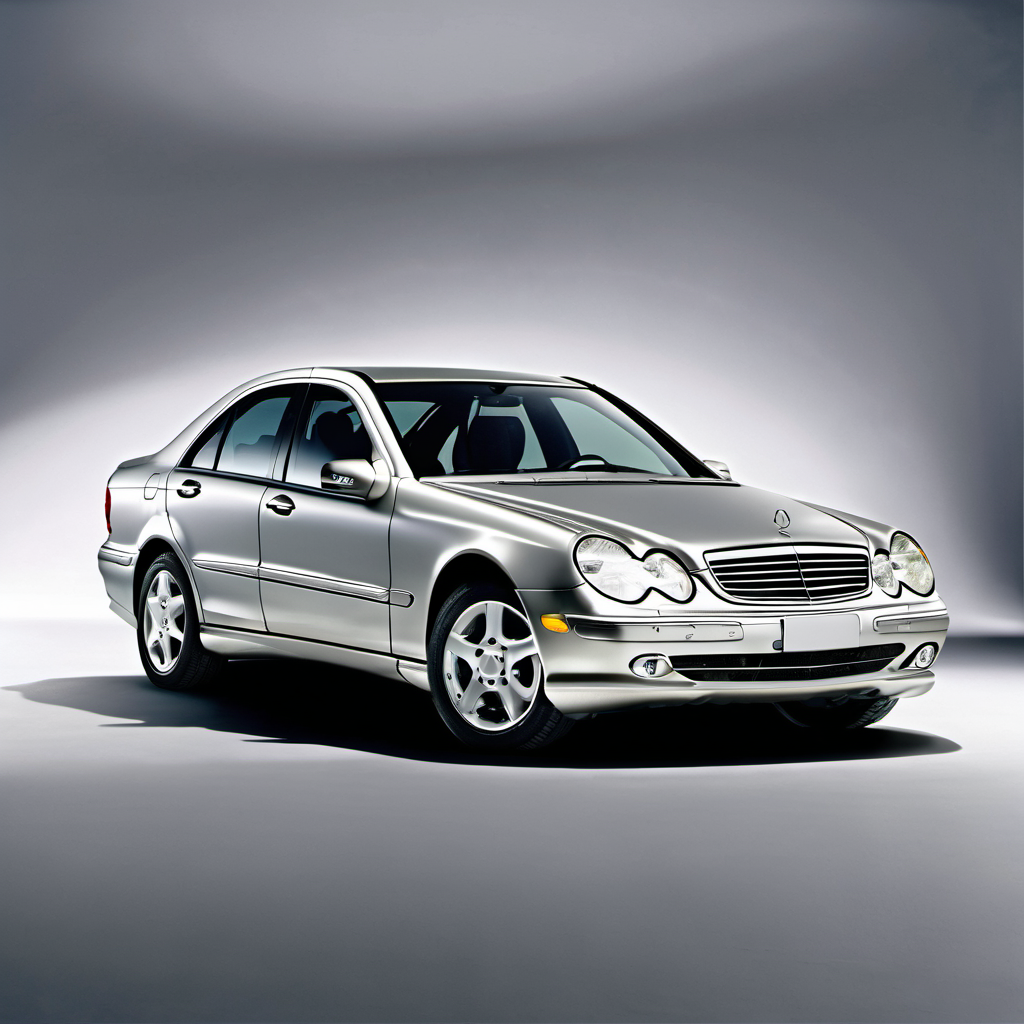
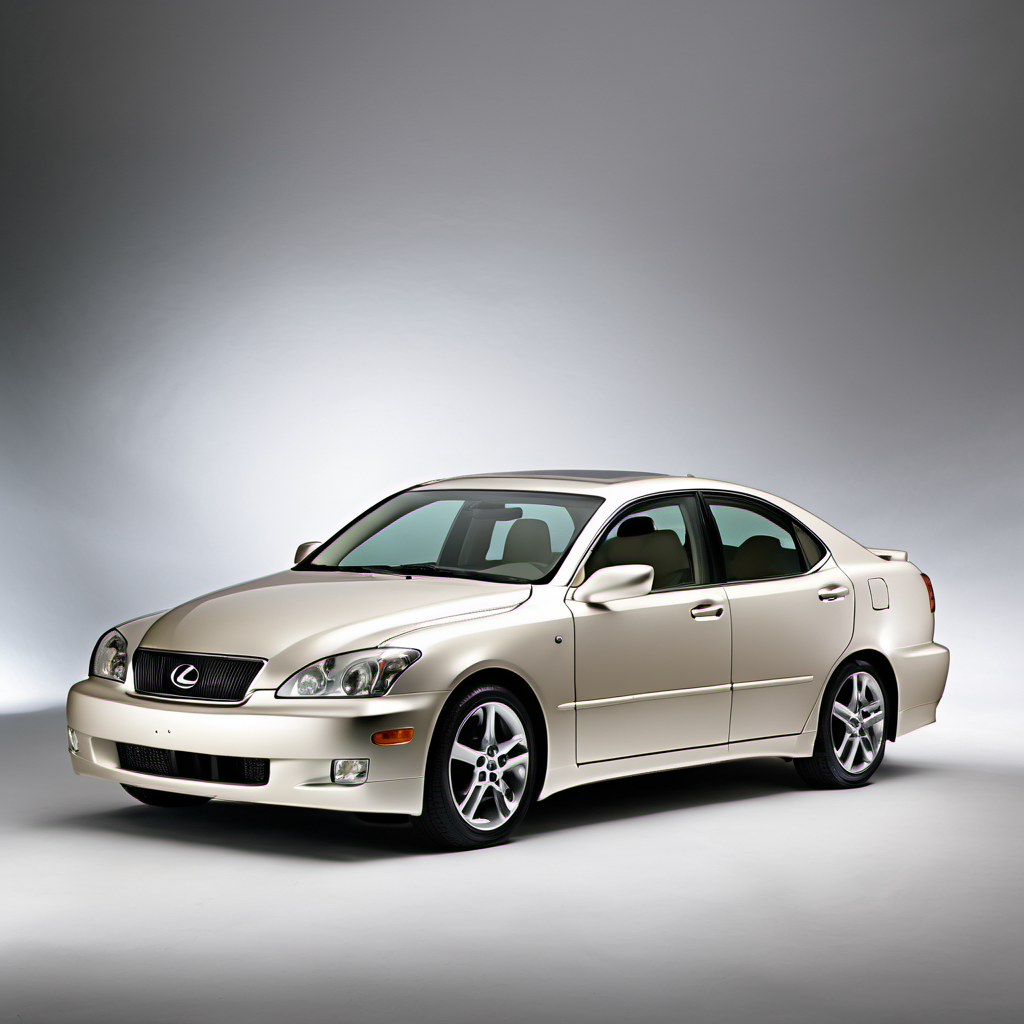
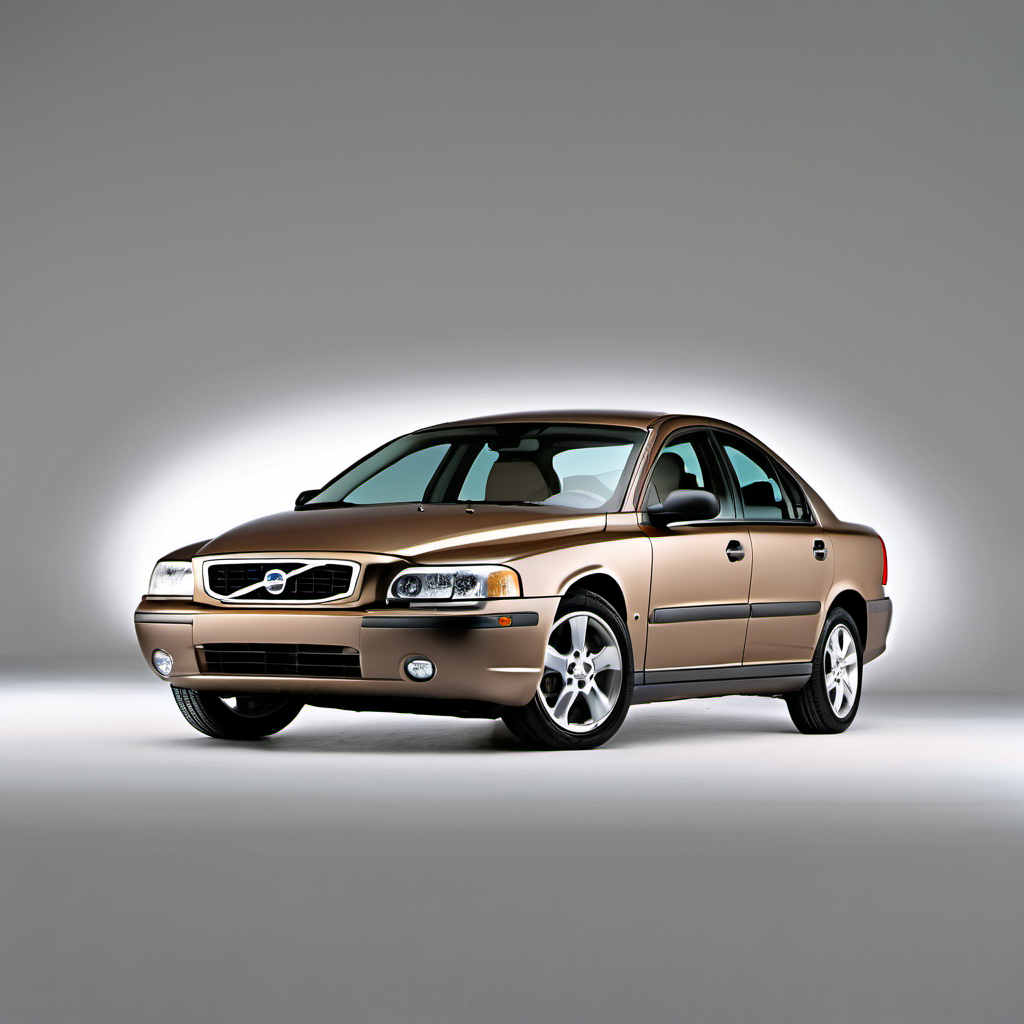
Comparable vehicles

If you're shopping for one

Red flags
  • Overheating history or a recently replaced head gasket — often a sign of prior cooling system neglect causing engine damage.
  • No maintenance records or 'oil changes done at home' with no receipts — on a German car this is a serious risk.
  • Any mention of subframe repair without documentation of professional reinforcement or proper welding.
  • Smoke from the valve cover or burning oil smell — could indicate VANOS seal failure or valve cover gasket leak with oil burning on the exhaust.
  • DSC / ABS warning lights on — module or sensor repairs on this platform can be expensive and difficult to source.
  • Soft or spongy brake pedal — brake fluid may not have been flushed per BMW's 2-year interval, risking internal corrosion in ABS module.
What to inspect
  • Cooling system: look for white residue around the expansion tank cap, thermostat housing, and hose connections — any sign of seepage means imminent replacement.
  • VANOS operation: start cold and listen for a rattling or chattering noise from the valve cover area that clears after warm-up — classic worn VANOS seals.
  • Rear subframe: jack the car and inspect the rear subframe mounting points for cracking or rust-separated welds. This is a deal-breaker if severe.
  • Service records: specifically look for cooling system work and oil change history. No records on a 20-year-old BMW is a major red flag.
  • Undercarriage rust: Wisconsin cars salt-soak for 5+ months a year — inspect floor pans, sill seams, fuel and brake lines for corrosion.
  • All four windows: cycle them up and down — failed regulators are common and an easy pre-purchase check.
  • Check engine light and scan for stored codes before agreeing to a price — particularly any VANOS or cam timing codes.
AI profile generated 58 min ago · claude-sonnet-4-6 · v2.