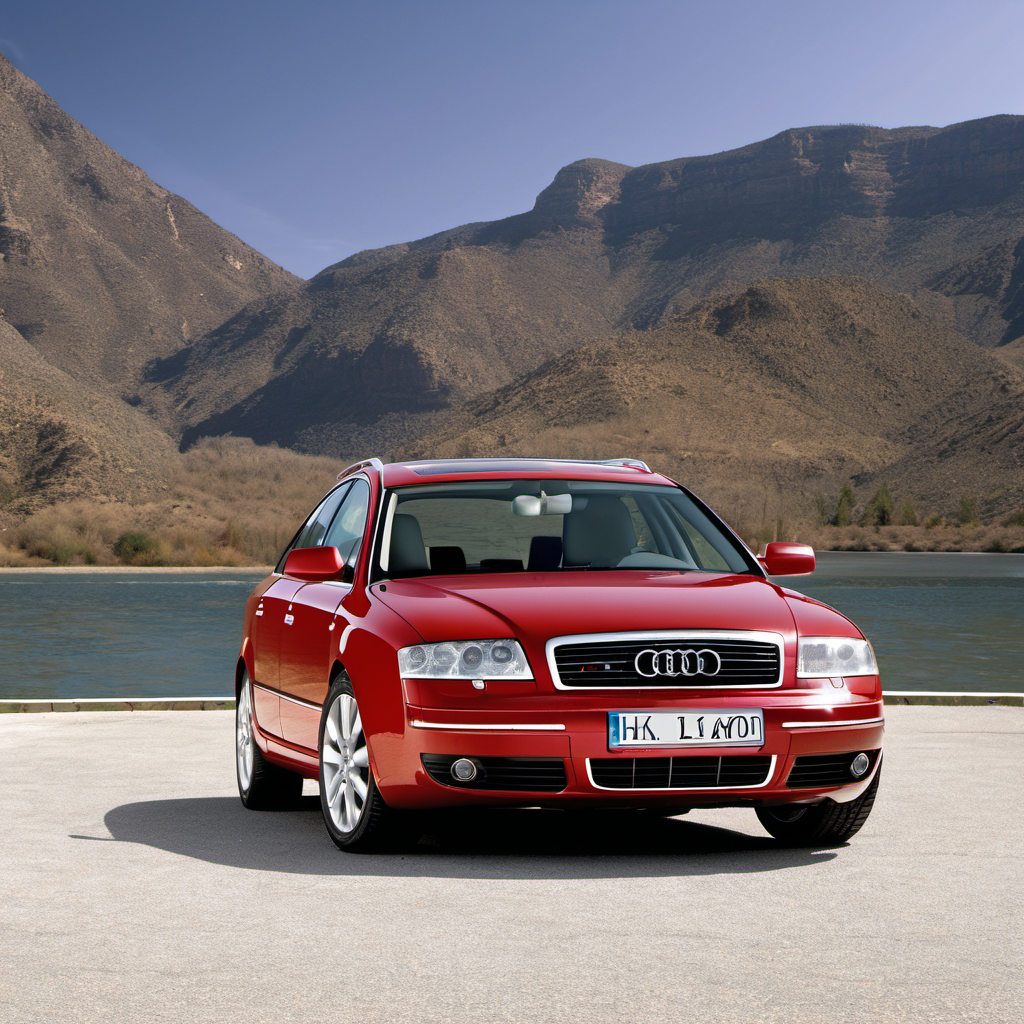
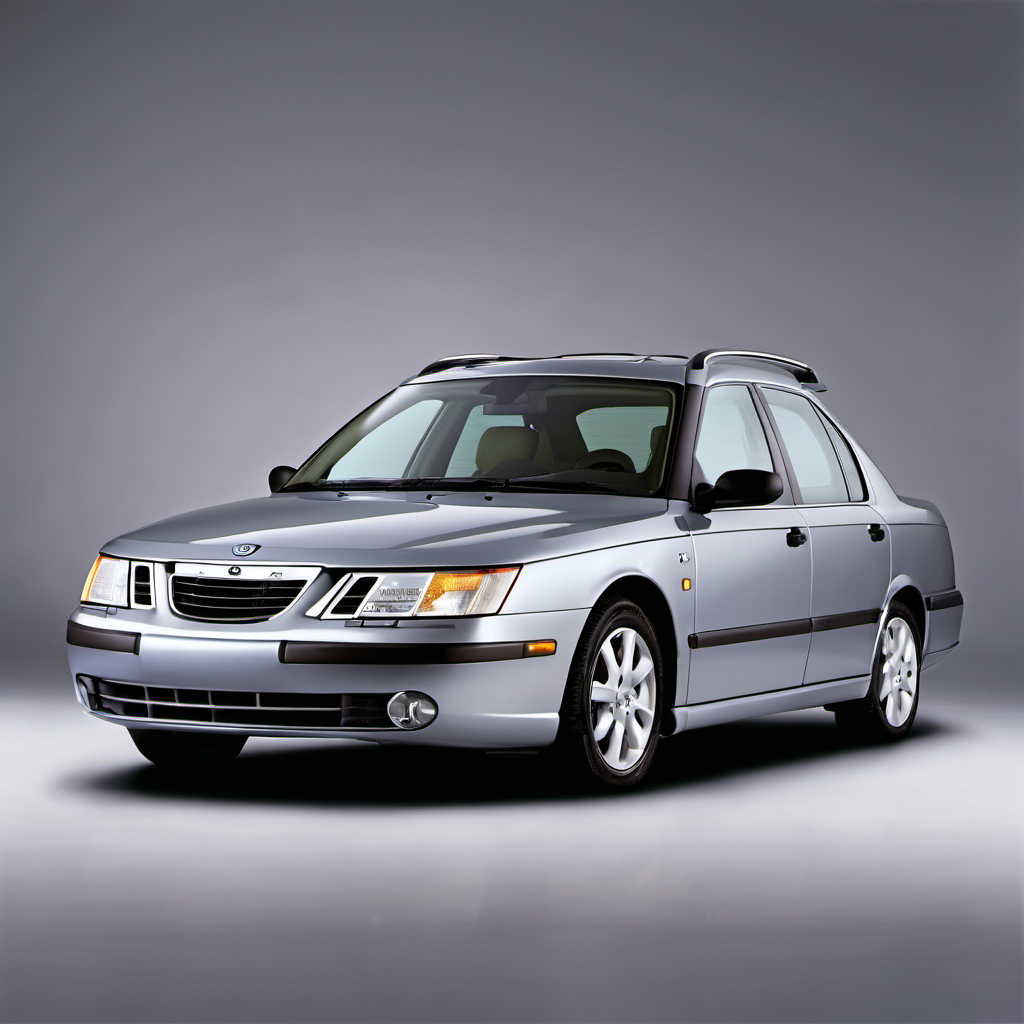
2003 Volvo XC70 Wagon

2003 Volvo

XC70Wagon

Wagon

The 2003 Volvo XC70 is a lifted, all-wheel-drive version of Volvo's V70 wagon, aimed squarely at buyers who want Scandinavian safety and practicality with enough ground clearance and traction to handle bad weather. It rides on a raised suspension compared to the standard V70, adds roof rails and body cladding, and pairs all that with a turbocharged five-cylinder engine. For a family wagon, it punches well above its weight in cargo space and all-season usability. By 2003 the XC70 was a well-sorted platform — Volvo had been building cross-country wagons since the late 1990s — but it's no longer a simple vehicle to own. Electronics, the transmission, and the AWD system all need attention as mileage climbs. Parts availability is acceptable through independent Volvo specialists, but costs are meaningfully higher than domestic or Japanese equivalents. For buyers in the Lake Geneva area this is a genuinely practical choice: AWD, generous ground clearance, and a Volvo-tough body hold up well against Wisconsin winters. Just go in with eyes open about the maintenance budget and the importance of finding a shop experienced with European vehicles.

Reliability
3/5
Verified data
Specs shown for XC70 AWD — the most common configuration. Other trims may vary in engine, drivetrain, or fuel economy. Sign in to see your vehicle's exact specs.
Engine
[object Object]
Drivetrain
AWD
Fuel
Premium gasoline
MPG
16 city / 23 hwy / 19 combined
Seats
Doors
Body
Sport Utility Vehicle - 4WD

Overview

AI-curated

The 2003 Volvo XC70 is a lifted, all-wheel-drive version of Volvo's V70 wagon, aimed squarely at buyers who want Scandinavian safety and practicality with enough ground clearance and traction to handle bad weather. It rides on a raised suspension compared to the standard V70, adds roof rails and body cladding, and pairs all that with a turbocharged five-cylinder engine. For a family wagon, it punches well above its weight in cargo space and all-season usability. By 2003 the XC70 was a well-sorted platform — Volvo had been building cross-country wagons since the late 1990s — but it's no longer a simple vehicle to own. Electronics, the transmission, and the AWD system all need attention as mileage climbs. Parts availability is acceptable through independent Volvo specialists, but costs are meaningfully higher than domestic or Japanese equivalents. For buyers in the Lake Geneva area this is a genuinely practical choice: AWD, generous ground clearance, and a Volvo-tough body hold up well against Wisconsin winters. Just go in with eyes open about the maintenance budget and the importance of finding a shop experienced with European vehicles.

Known for
  • Strong passive safety reputation and rigid body structure
  • Turbocharged 5-cylinder with capable AWD for all-weather driving
  • Practical, roomy wagon cargo area with flexible seating
  • Raised suspension and underbody cladding versus a standard V70
  • Premium European feel with correspondingly premium upkeep costs
Best for
  • Families wanting wagon practicality with real AWD capability
  • Winter and mixed-terrain driving in the upper Midwest
  • Buyers who want a European alternative to a crossover SUV
  • Owners comfortable maintaining a European vehicle at an independent specialist
Watch for
  • Aging electronic modules and ETM (electronic throttle module) failures
  • High-mileage transmission wear on the Aisin 5-speed automatic
  • Haldex rear differential service often skipped by previous owners
  • Turbo oil feed line and PCV system failures causing oil consumption
  • Rust on undercarriage and wheel arches — especially on Wisconsin-salted examples

Common issues by mileage

6 known

Electronic Throttle Module (ETM) failure

high
Typically appears
60–130k mi
Estimated repair
$400 – $900

PCV system clogging causing oil consumption and leaks

high
Typically appears
80–150k mi
Estimated repair
$300 – $700

Haldex rear differential coupling failure (AWD loss)

medium
Typically appears
60–120k mi
Estimated repair
$500 – $1,400

Turbocharger bypass valve (DV) and boost control failures

medium
Typically appears
70–140k mi
Estimated repair
$150 – $600

Oxygen sensor and heater circuit failures

medium
Typically appears
80–150k mi
Estimated repair
$150 – $450

Maintenance schedule

  1. 1
    Every 5,000 miles or 1 year Engine oil and filter change — use full synthetic 0W-30 or 5W-30 meeting Volvo spec

    The turbocharged 5-cylinder runs hot oil through the turbo; extended intervals accelerate carbon buildup and can clog the oil feed to the turbo bearings. Shorter intervals are cheap insurance.

  2. 2
    Every 30,000 miles Haldex rear differential fluid service

    This is the most commonly skipped service on used XC70s. Neglected Haldex fluid degrades the internal clutch pack and pump, turning a $60 fluid change into a $1,000+ unit replacement.

  3. 3
    Every 60,000 miles or at first sign of oil consumption PCV system inspection and cleaning

    Volvo's PCV on this engine traps oil vapor; when it clogs it pressurizes the crankcase, blowing out seals and causing smoking. Early service prevents expensive downstream damage.

  4. 4
    Every 60,000 miles Spark plugs replacement (use OEM Volvo-spec iridium plugs)

    Worn plugs on a turbocharged engine lead to misfires that can damage the catalytic converter. Don't substitute cheap plugs — the 5-cylinder is sensitive to plug quality.

  5. 5
    Every 2 years regardless of mileage Brake fluid flush

    Volvo's ABS and STC (stability control) systems are sensitive to moisture-contaminated brake fluid. This is especially important before Wisconsin winters when the systems are working hardest.

  6. 6
    Every 60,000–70,000 miles Serpentine belt and tensioner inspection/replacement

    Belt failure leaves you stranded. The tensioner on this engine is known to weaken; replace both together to avoid a repeat visit.

  7. 7
    Every 5 years or 100,000 miles Coolant flush (use Volvo-approved OAT coolant)

    Mixing coolant types causes silicate drop-out that clogs the heater core and radiator. Use only the correct spec — especially important for protecting against freeze-up in Wisconsin winters.

  8. 8
    Every 15,000–20,000 miles Cabin air filter replacement

    The XC70 cabin filter is tucked under the wipers and easy to forget. A clogged filter strains the blower and reduces defrost effectiveness — a real issue in sub-zero weather.

Always defer to the manufacturer's service manual for warranty-mandated intervals.

Cost of ownership

Annual maintenance
$900 – $2,200
Fuel
Budget for premium fuel. At ~19 MPG combined and typical driving of 12,000 miles/year, expect $1,800–$2,400/year depending on pump prices. The engine runs best on 91+ octane.
Insurance
Typically moderate — wagons are rated favorably versus SUVs. Volvo's strong safety scores help. Expect mid-range rates for a vehicle in this age/value bracket.

The XC70 is not an expensive daily driver if it's been maintained — but catching up on deferred maintenance on a used example can cost $1,500–$3,000 up front. Once sorted, annual costs are manageable. The real financial risk is neglected Haldex service, ETM failures, and turbo damage from infrequent oil changes. Find a shop that knows Volvos before you buy.
Seasonal care

Lake Geneva, WI
Winter
  • Switch to a full synthetic 0W-30 if not already running it — cold starts below 0°F are hard on the turbo bearings and thinner oil reaches them faster
  • Test the battery every fall; this era's electronics draw significant parasitic load and a weak battery causes module reset issues in extreme cold
  • Service the Haldex unit before winter — you want the AWD system fully functional when roads are icy, not discovering a failed coupler in a snowstorm
  • Flush windshield washer fluid reservoir completely and refill with -40°F rated fluid; the XC70's heated washer jets help but can't overcome frozen lines
  • Inspect and lubricate door seals to prevent freezing shut — common on Volvos of this era sitting outside overnight
  • Rinse the undercarriage thoroughly after every road-salt exposure — the XC70's raised cladding traps salt against the rocker panels and subframe mounts
Summer
  • Check tire pressure monthly — summer heat in Wisconsin causes pressure to rise ~1 PSI per 10°F above the calibration temperature; overinflation causes uneven wear
  • Inspect the A/C system for refrigerant level and condenser debris; the front-mounted condenser on the XC70 picks up road debris and bugs that restrict airflow
  • Check coolant level and condition before any long summer trips — heat soak in stop-and-go traffic stresses an aging cooling system
  • Inspect the PCV breather hoses for softening or cracking — summer heat accelerates rubber degradation on this system and a cracked hose causes immediate oil burning

Comparable vehicles

If you're shopping for one

Red flags
  • Any evidence of oil leaks pooling under the engine — PCV and turbo seal issues are expensive to ignore
  • Transmission slipping, delayed engagement, or harsh shifts — the Aisin 5-speed is durable but neglected fluid service causes valve body wear
  • Dashboard with ABS, STC (stability), or SRS warning lights illuminated — these modules are expensive and a lit SRS light means the airbag system may not deploy
  • Rust bubbling on rear wheel arches, rocker panels, or around the tailgate — structural rust on a used Volvo wagon is a deal-breaker
  • Owner cannot document Haldex or transmission fluid service history — budget $500–$800 immediately for fluid services and inspection if buying without records
What to inspect
  • Pull codes before buying — presence of P0012/P0015 or VVT-related codes signals neglected oil maintenance or a timing system starting to fail
  • Ask specifically when the Haldex fluid was last changed and verify with a receipt; most sellers won't know
  • Check for blue smoke on cold start and under hard acceleration — signs of PCV failure or turbo seal wear
  • Inspect the undercarriage for rust on the subframe, trailing arms, and rear suspension mounts — salt damage is the silent killer on upper Midwest XC70s
  • Test the ETM response: the throttle should be smooth and immediate with no hesitation, stumble, or limp-mode behavior
  • Check all four tires for matching brand and remaining tread depth — mismatched tires on the Haldex AWD system cause premature coupler wear
AI profile generated 11 days ago · claude-sonnet-4-6 · v2.