Engine Oil Sludge / Turbo Oil Starvation
high- Typically appears
- 60–150k mi
- Estimated repair
- $1,200 – $6,000
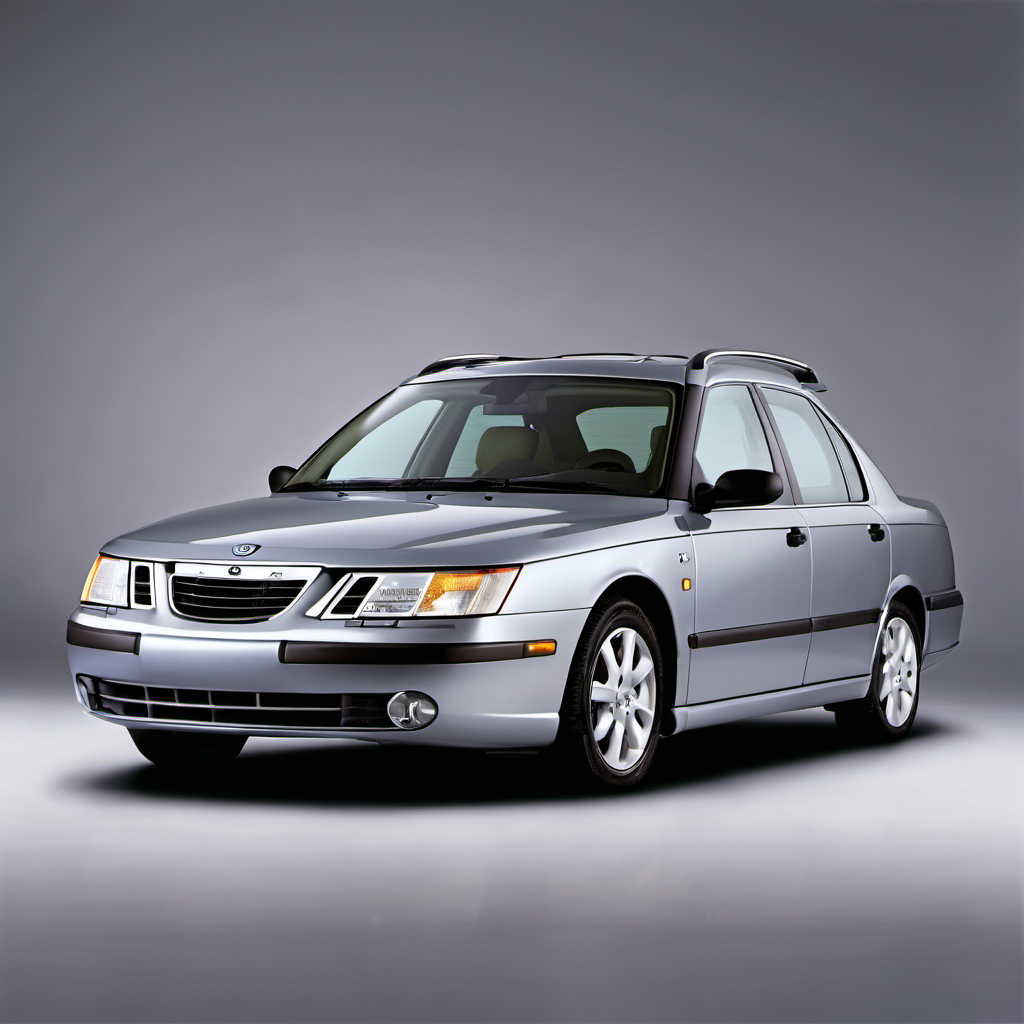
2003 Saab
Sedan
The 2003 Saab 9-5 Sedan is a front-wheel-drive European executive car built on GM's Epsilon platform with unmistakably Swedish character. It was Saab's flagship sedan, offering turbocharged performance, a distinctive cockpit-inspired interior, and a level of driving engagement unusual for the class. By 2003, GM ownership was firmly in place, which brought some shared parts (for better parts availability) but also diluted some of Saab's engineering independence. The B235 turbocharged 2.3L four-cylinder is a willing engine with strong midrange punch, but it demands respect — premium fuel, consistent oil changes, and attention to the cooling and turbo systems are non-negotiable. The 9-5 rides well, has a large trunk, and the Hirsch/Aero-trim variants produced over 250 hp stock, making them sleepers in the best sense. By now, at 20+ years old, every 9-5 you encounter is a used car with an unknown history. Parts are harder to source than for mainstream brands, and finding a technician familiar with Saab-specific quirks (like the Trionic engine management system and SID II display) takes effort. This is a rewarding car for the right enthusiast owner — but it will punish neglect faster than a comparable Toyota or Honda.
The 2003 Saab 9-5 Sedan is a front-wheel-drive European executive car built on GM's Epsilon platform with unmistakably Swedish character. It was Saab's flagship sedan, offering turbocharged performance, a distinctive cockpit-inspired interior, and a level of driving engagement unusual for the class. By 2003, GM ownership was firmly in place, which brought some shared parts (for better parts availability) but also diluted some of Saab's engineering independence. The B235 turbocharged 2.3L four-cylinder is a willing engine with strong midrange punch, but it demands respect — premium fuel, consistent oil changes, and attention to the cooling and turbo systems are non-negotiable. The 9-5 rides well, has a large trunk, and the Hirsch/Aero-trim variants produced over 250 hp stock, making them sleepers in the best sense. By now, at 20+ years old, every 9-5 you encounter is a used car with an unknown history. Parts are harder to source than for mainstream brands, and finding a technician familiar with Saab-specific quirks (like the Trionic engine management system and SID II display) takes effort. This is a rewarding car for the right enthusiast owner — but it will punish neglect faster than a comparable Toyota or Honda.
Oil sludge is the number-one killer of the B235 engine and turbocharger. Extended intervals or conventional oil are the root cause of most major failures on this platform.
The 9-5 cooling system works hard supporting the turbo. Degraded coolant accelerates corrosion in the aluminum head and can mask early signs of head gasket seepage.
Belt failure on the B235 can cause a cascade of damage. Tensioners and idler pulleys on this age car are likely original and should be replaced as a set.
A restricted fuel filter can mask itself as turbo or fuel pump issues. Inexpensive preventive step on a car this age.
Worn plugs increase misfire risk and stress the DI cassette. Use OEM-spec plugs — the Trionic T7 ECU is sensitive to resistance values.
The 5-speed automatic is generally reliable but suffers when fluid is never changed. Fresh fluid is cheap insurance on a 20-year-old car.
Cracked or clogged turbo oil lines lead to bearing failure. On a car this age, rubber lines should be closely inspected and replaced proactively.
Hygroscopic brake fluid absorbs moisture over time, lowering boiling point. Wisconsin winters accelerate corrosion in the ABS module and calipers.
Always defer to the manufacturer's service manual for warranty-mandated intervals.
Routine annual maintenance on a well-kept 9-5 at an independent shop runs $900–$1,500. Factor in the near-certainty of catching up on deferred maintenance on a used example — especially the DI cassette, turbo diverter valve, and cooling system — and budget $1,500–$2,500 in year one. Major repairs (engine sludge, turbo replacement, automatic transmission) can each run $2,000–$6,000 and are not rare on neglected examples. This car rewards owners who stay ahead of it; it punishes those who don't.
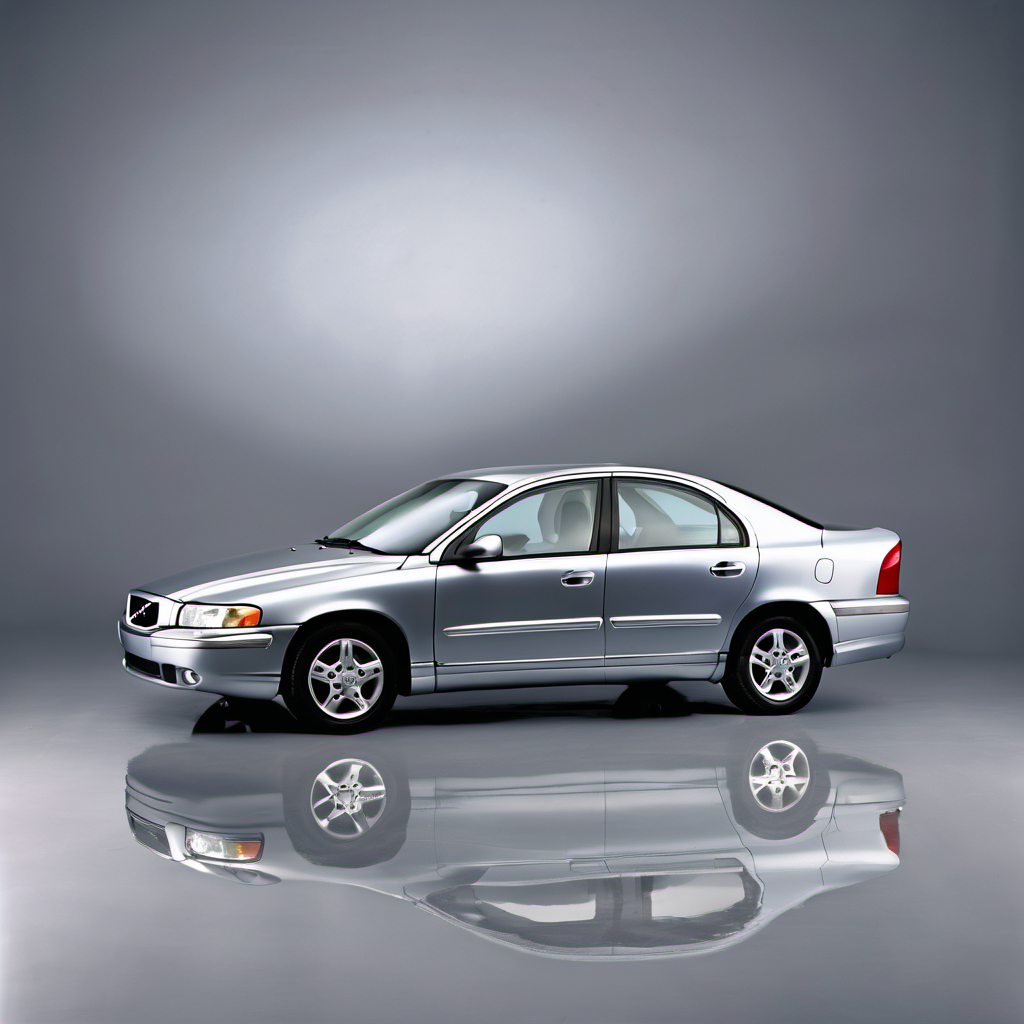
Same era European sport sedan with a turbocharged four-cylinder, FWD, similar price point, and a comparable enthusiast following. Parts and specialist support are somewhat better for Volvo.
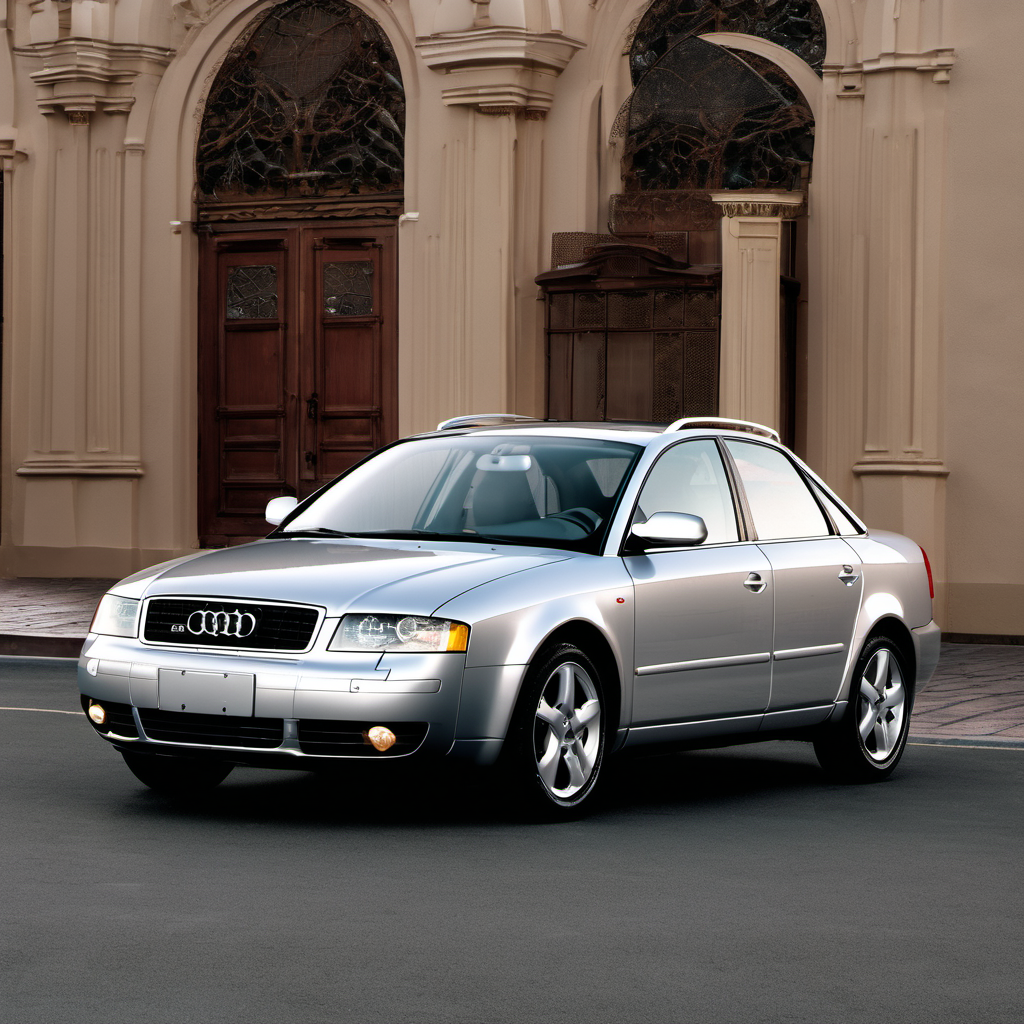
Direct rival in the European executive sedan segment with turbo power and similar pricing. AWD Quattro versions offer a winter advantage, though maintenance costs are also elevated.
E46-generation 325i is a benchmark in this class — RWD, inline-six, strong enthusiast community, and better long-term parts availability than the Saab.
No catalog match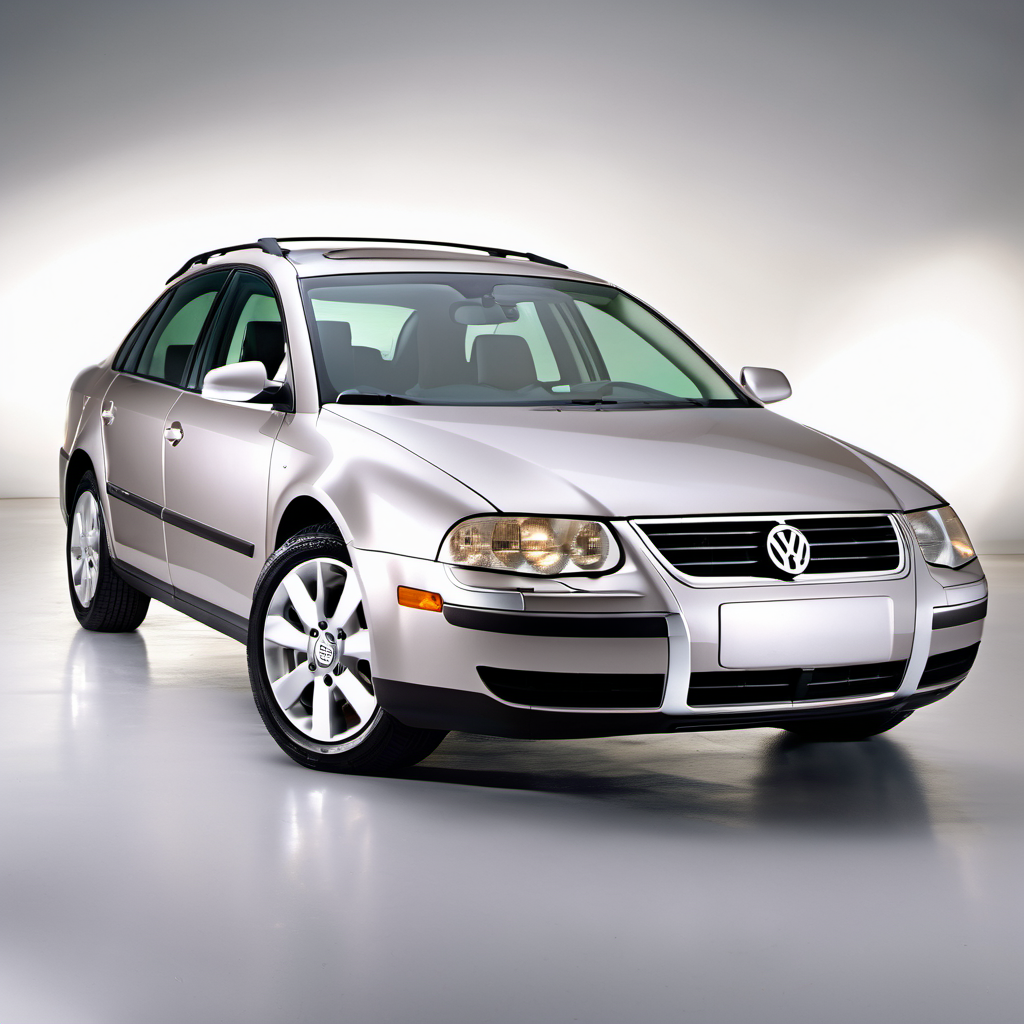
Turbocharged FWD/AWD European sedan at a similar used price. Broader independent-shop familiarity than Saab, though it shares many of the same age-related maintenance concerns.