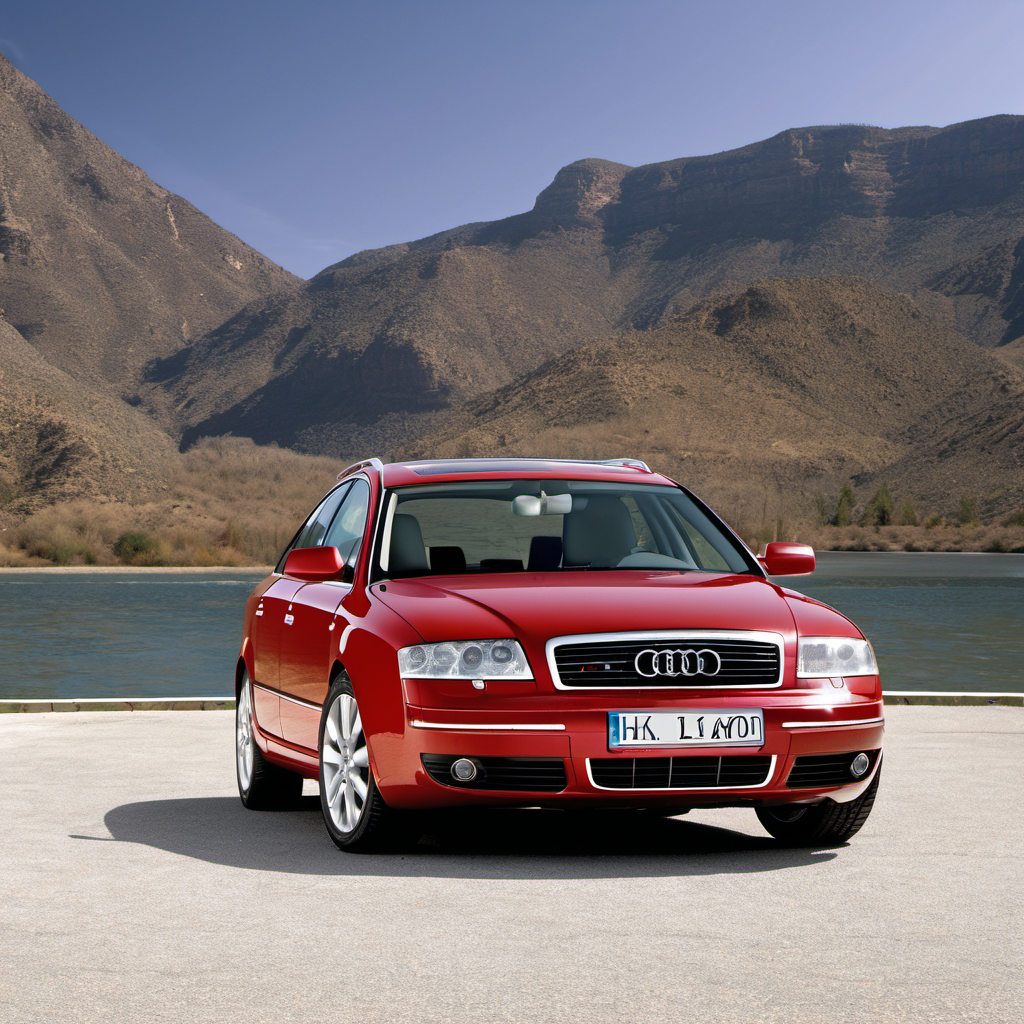
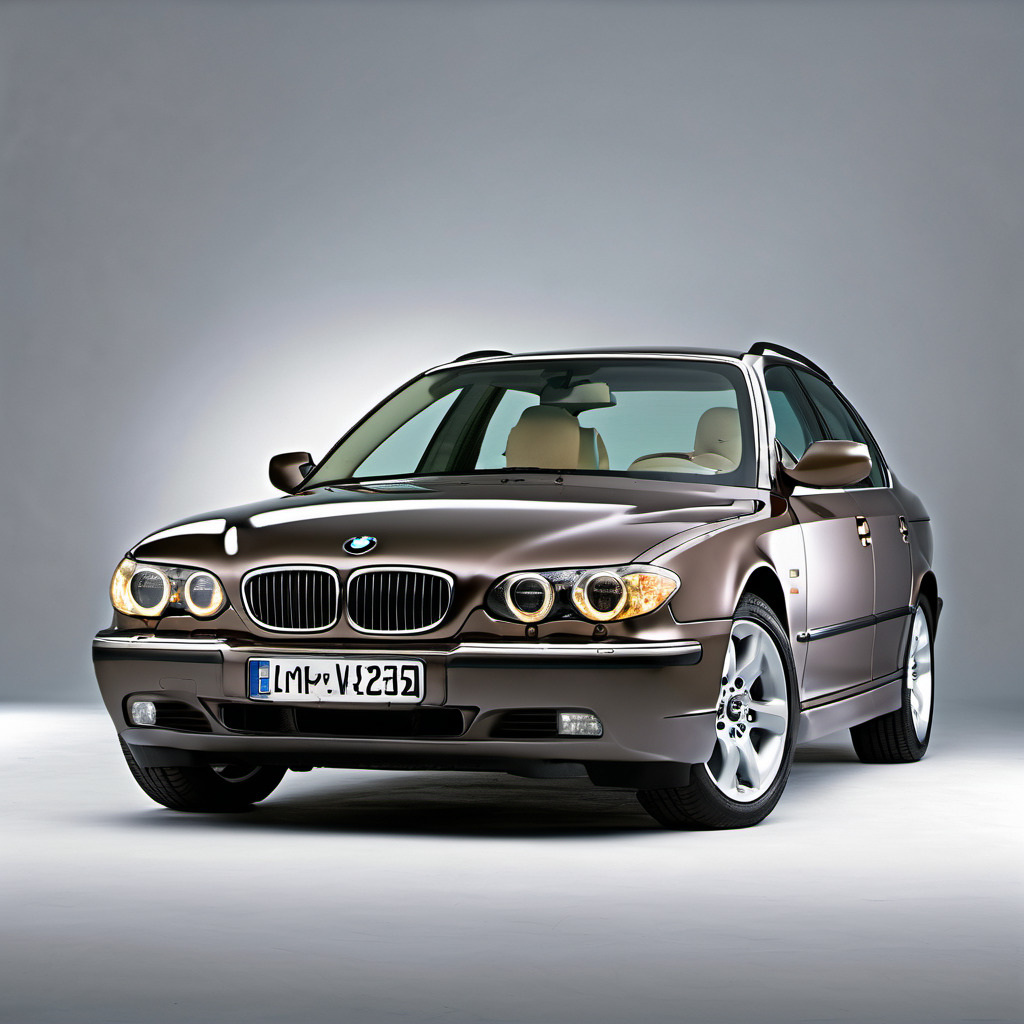
2003 Audi A6 Sedan

2003 Audi

A6Sedan

Sedan

The 2003 Audi A6 is a mid-size German luxury sedan sitting in Audi's bread-and-butter lineup. This generation (C5 platform, 1998–2004) was built on the same bones as the Volkswagen Passat but stretched, refined, and loaded with premium features. The 3.0L V6 FWD variant is the volume-leader trim — smooth, comfortable, and well-equipped from the factory. At the time it was new, the A6 competed directly with the BMW 5 Series and Mercedes E-Class but came in at a lower price point. It delivered a convincing blend of sport and comfort, and the 3.0L V6 is considered the most reliable engine in the C5 lineup. Fuel economy is modest by modern standards given its premium-fuel appetite. By 2003, these cars are now 20+ years old. Ownership requires patience and a dedicated repair budget. German luxury cars of this era age in layers — deferred maintenance snowballs quickly — but a well-maintained example can still be a genuinely pleasant daily driver at a fraction of its original cost.

Reliability
2/5
Verified data
Specs shown for A6 — the most common configuration. Other trims may vary in engine, drivetrain, or fuel economy. Sign in to see your vehicle's exact specs.
Engine
[object Object]
Drivetrain
FWD
Fuel
Premium gasoline
MPG
18 city / 25 hwy / 21 combined
Seats
Doors
Body
Midsize Cars

Overview

AI-curated

The 2003 Audi A6 is a mid-size German luxury sedan sitting in Audi's bread-and-butter lineup. This generation (C5 platform, 1998–2004) was built on the same bones as the Volkswagen Passat but stretched, refined, and loaded with premium features. The 3.0L V6 FWD variant is the volume-leader trim — smooth, comfortable, and well-equipped from the factory. At the time it was new, the A6 competed directly with the BMW 5 Series and Mercedes E-Class but came in at a lower price point. It delivered a convincing blend of sport and comfort, and the 3.0L V6 is considered the most reliable engine in the C5 lineup. Fuel economy is modest by modern standards given its premium-fuel appetite. By 2003, these cars are now 20+ years old. Ownership requires patience and a dedicated repair budget. German luxury cars of this era age in layers — deferred maintenance snowballs quickly — but a well-maintained example can still be a genuinely pleasant daily driver at a fraction of its original cost.

Known for
  • Comfortable, composed highway ride
  • Refined 3.0L V6 engine — least troublesome engine in the C5 lineup
  • High feature content for the price on the used market
  • Solid build quality and interior materials for the era
Best for
  • Buyers who want German luxury on a budget and are willing to handle higher maintenance costs
  • Highway commuters who value a smooth, quiet cabin
  • Experienced DIYers or owners with a trusted independent European-specialist shop
Watch for
  • Expensive repairs that quickly exceed the car's market value
  • Complex electronics that are costly to diagnose and repair
  • Age-related oil leaks, cooling system failures, and suspension wear
  • Deferred maintenance history — a common problem with aging luxury cars

Common issues by mileage

6 known

Timing chain tensioner and guide wear

medium
Typically appears
80–130k mi
Estimated repair
$900 – $2,000

Variable valve timing (VVT) solenoid failure

medium
Typically appears
70–120k mi
Estimated repair
$200 – $600

Oxygen / heated O2 sensor failure

high
Typically appears
60–100k mi
Estimated repair
$150 – $450

Coolant system failures (thermostat, water pump, coolant flange)

high
Typically appears
60–100k mi
Estimated repair
$400 – $1,200

CAN bus / module communication faults (aged wiring and connectors)

medium
Typically appears
100k+ mi
Estimated repair
$200 – $1,500

Oil leaks (valve cover gaskets, oil pan gasket, rear main seal)

high
Typically appears
80–150k mi
Estimated repair
$300 – $1,100

Maintenance schedule

  1. 1
    Every 5,000 miles or 1 year on a car this age Engine oil and filter change — full synthetic 5W-40

    Audi's long-life oil intervals were designed for newer engines. On a 20-year-old motor, fresh oil every 5k protects aging seals and reduces sludge risk. Use a quality full synthetic rated for VW/Audi spec (505.01 or 502.00).

  2. 2
    Every 3 years Coolant flush and plastic fitting inspection

    The C5 A6 uses numerous plastic coolant flanges and fittings that become brittle with age. A failure here can cause rapid overheating. Proactive replacement of known failure points is cheap compared to a blown head gasket.

  3. 3
    Every 40,000 miles Spark plug replacement

    The 3.0L V6 uses rear-bank plugs that require extra labor to access. Don't let them go too long — misfires on this engine can cause catalytic converter damage.

  4. 4
    Every 40,000–50,000 miles Transmission fluid change (automatic)

    Audi spec'd this as a 'lifetime' fill, but on a car this age, fresh fluid prevents shift harshness and extends transmission life considerably.

  5. 5
    Every 2 years Brake fluid flush

    Brake fluid absorbs moisture over time, lowering its boiling point. Wisconsin winters with heavy brake use make this especially important.

  6. 6
    Every 15,000–20,000 miles Cabin air filter and engine air filter replacement

    Clogged cabin filters are common on older Audis and contribute to HVAC odors and reduced defrost performance — a real problem in winter.

  7. 7
    Every 30,000 miles or at any sign of pulling or clunking Suspension and steering inspection (tie rods, ball joints, control arm bushings)

    C5 A6 front suspension components wear predictably and become safety concerns. Wisconsin roads accelerate this wear.

  8. 8
    Every fall before winter Battery load test

    The A6's numerous electronic modules place a high parasitic drain on the battery. A weak battery in sub-zero temps is a common breakdown cause in this region.

Always defer to the manufacturer's service manual for warranty-mandated intervals.

Cost of ownership

Annual maintenance
$900 – $2,800
Fuel
Premium (91+ octane) required. At 21 MPG combined and ~15,000 miles/year, expect roughly $2,400–$2,900/year in fuel at current Upper Midwest prices.
Insurance
Typically moderate for a 20-year-old luxury sedan — expect $900–$1,400/year for full coverage depending on driver profile and location.

The purchase price is low, but the cost to keep a 2003 A6 running well is not. Budget $900–$1,800/year for routine maintenance in good years, and keep a $1,500–$3,000 repair reserve for the inevitable age-related issues (cooling system, sensors, suspension). Parts are available but often more expensive than comparable domestic or Japanese vehicles. An independent VAG specialist will save you significantly over dealer pricing.
Seasonal care

Lake Geneva, WI
Winter
  • Test and replace the battery before temps drop below 20°F — the A6's electronics are hard on batteries and cold-cranking amps drop fast in sub-zero weather.
  • Switch to a full synthetic 5W-40 if not already using one; it flows better on cold starts and protects the VVT system at startup.
  • Use winter-rated washer fluid (good to at least -20°F) — the reservoir is large but the nozzles can freeze if fluid quality is poor.
  • Inspect and replace wiper blades with winter blades before the first snowfall; the A6's flat hood angle makes windshield icing a fast problem.
  • Flush the brake system if it's been more than 2 years — moisture-laden fluid can cause brake fade on wet and icy roads.
  • Rinse the undercarriage and wheel wells regularly — Lake Geneva roads are heavily salted, and the C5 platform's suspension components and brake lines corrode faster than most people expect.
Summer
  • Check tire pressure monthly — hot pavement raises pressure quickly and affects handling on a front-heavy FWD platform.
  • Inspect the A/C system for refrigerant leaks and test compressor function before summer heat sets in; A/C repairs on this car run $400–$1,200 depending on the fault.
  • Watch coolant temperature closely during summer stop-and-go driving — aging plastic coolant fittings are most likely to fail under sustained heat.
  • Check all rubber hoses and belts for cracking; UV exposure and age make them brittle by now on most survivors.

Comparable vehicles

If you're shopping for one

Red flags
  • No service records or history of long oil change intervals — oil sludge is a silent killer on this engine.
  • Overheating history or a recently replaced thermostat with no explanation — may indicate a head gasket on borrowed time.
  • Multiple fault codes across different modules (engine, ABS, body) — suggests either serious deferred maintenance or electrical gremlins that are expensive to chase.
  • Rust on the subframe, brake lines, or undercarriage — common on Wisconsin and Midwest cars and extremely costly to address properly.
  • Aftermarket or mismatched repairs suggesting accident history not disclosed on the Carfax.
  • Any sign of transmission slipping or harsh shifts — a rebuilt or replaced ZF automatic is a $2,500–$4,500 repair.
What to inspect
  • Pull a full VAG-COM (VCDS) scan — not just a generic OBD-II scan. Audi stores faults in body, chassis, and network modules that generic scanners miss entirely.
  • Look for oil leaks at the valve cover gaskets, oil pan, and rear of the engine. Even small seeps on a car this age indicate deferred maintenance.
  • Check all coolant hoses and the plastic coolant crossover flange for cracks, soft spots, or white residue (coolant mineral deposits).
  • Inspect the front suspension: grab each front tire at 9 and 3 o'clock and try to wiggle it. Any play indicates worn tie rod ends. Do the same at 12 and 6 for ball joints.
  • Test every electronic feature: windows, sunroof, HVAC blower on all speeds, seat heaters, and all dashboard warning lights. Repairs are costly.
  • Check service records specifically for coolant system work, timing chain service, and transmission fluid changes. Absence of records is a red flag on this vehicle.
AI profile generated 11 days ago · claude-sonnet-4-6 · v2.