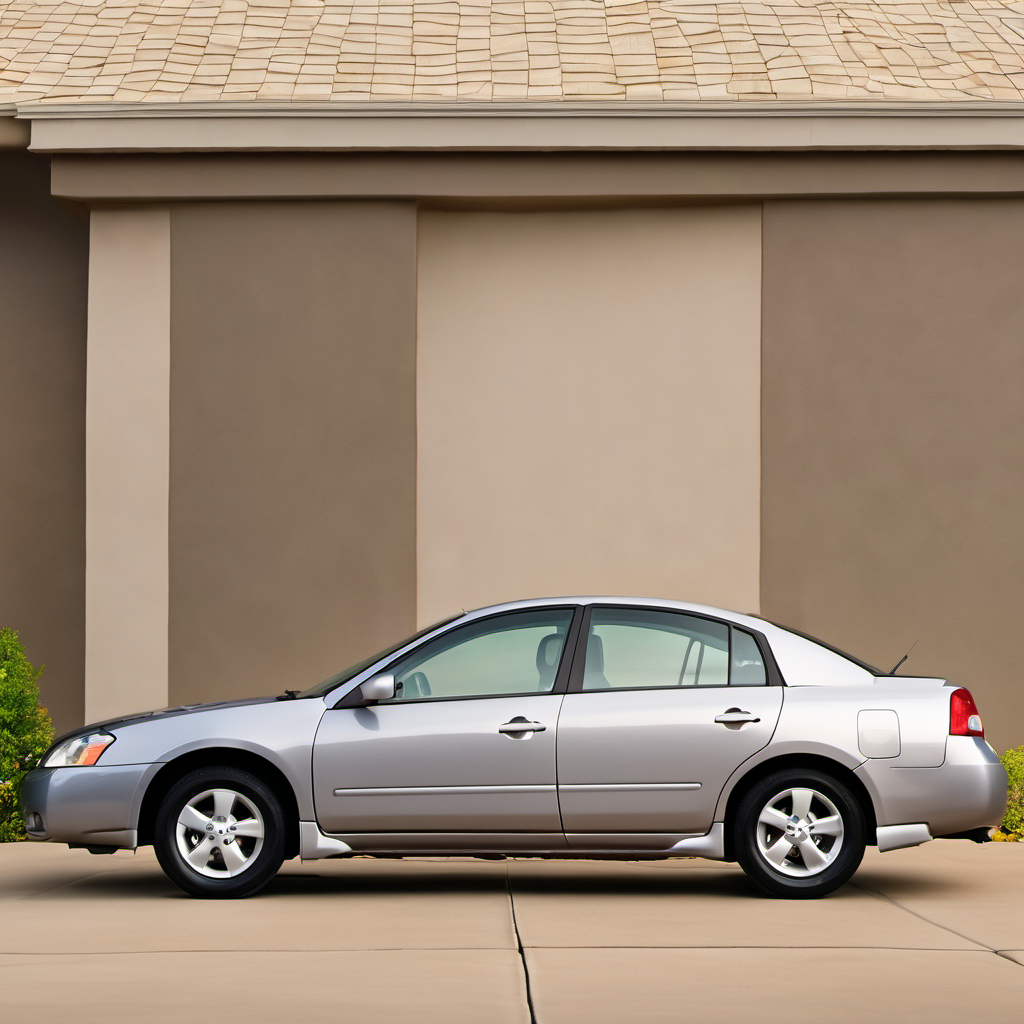
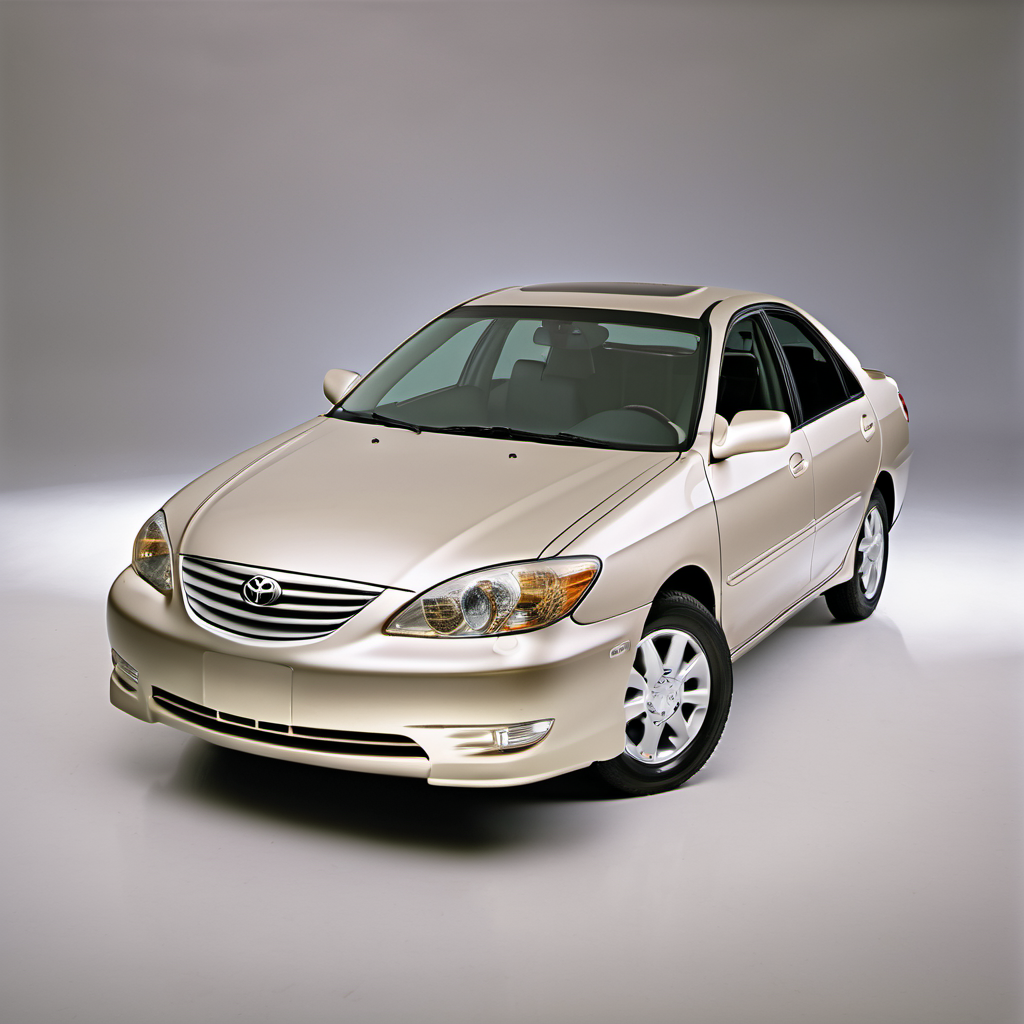
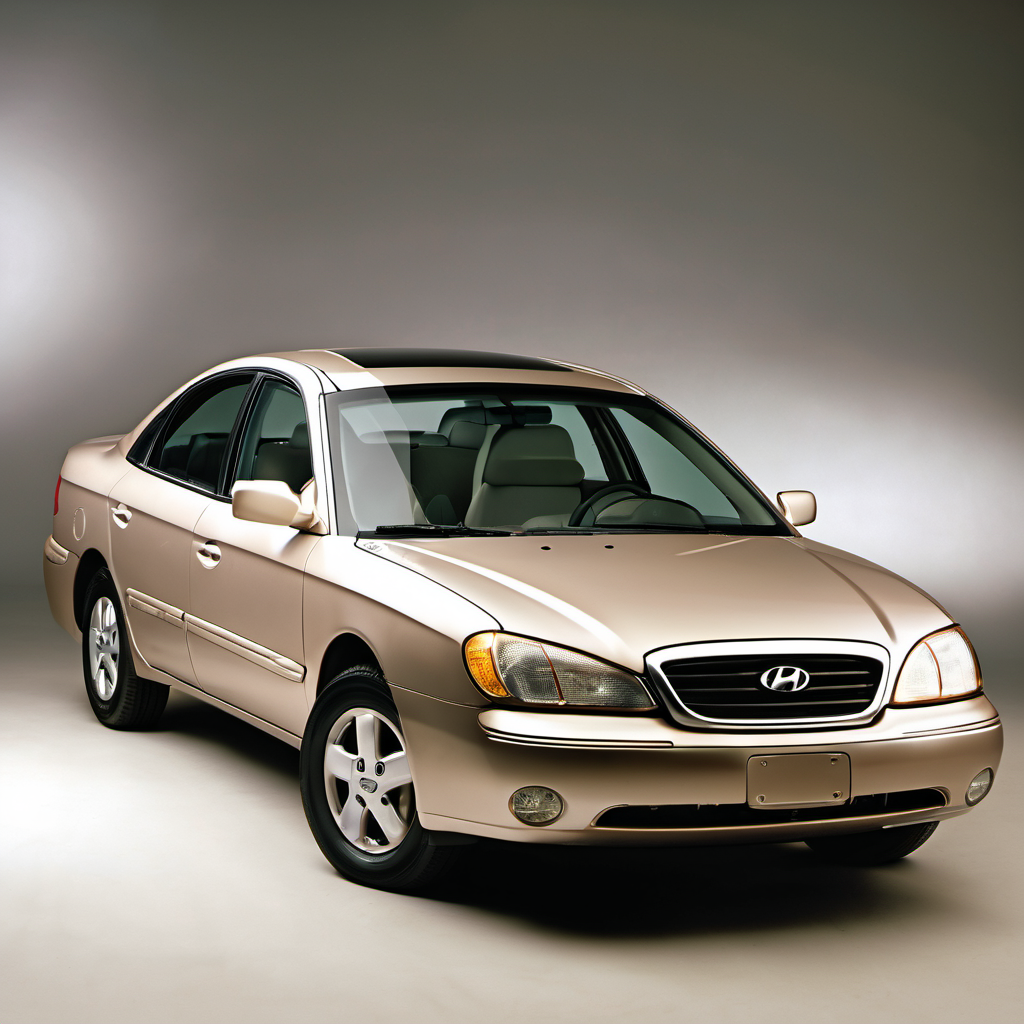
2003 Nissan Altima Sedan

2003 Nissan

AltimaSedan

Sedan

The 2003 Nissan Altima represented a bold second year of the completely redesigned third-generation model (B15 platform), introduced in 2002. It grew significantly in size, moved upmarket in refinement, and brought a standard 2.5L four-cylinder that punched well above its class in power and smoothness. At launch it was one of the most space-efficient midsize sedans you could buy, offering near-BMW 3-Series interior room at a fraction of the price. The QR25DE 2.5L engine in this generation is capable and willing, but it came with some well-documented growing pains — most notably excessive oil consumption and a tendency to burn coolant if the head gasket isn't watched. The Altima's value proposition was strong when new and remains solid today as a used buy, provided you go in with eyes open about the engine's quirks. For daily commuting and family use in a four-season climate like Lake Geneva's, the 2003 Altima does the job reliably when maintained. It's not a forever car in the same league as a Camry or Accord, but a well-kept example with a clean service history is a practical, affordable choice.

Reliability
3/5
Verified data
Specs shown for Altima — the most common configuration. Other trims may vary in engine, drivetrain, or fuel economy. Sign in to see your vehicle's exact specs.
Engine
[object Object]
Drivetrain
FWD
Fuel
Gasoline
MPG
20 city / 27 hwy / 23 combined
Seats
Doors
Body
Midsize Cars

Overview

AI-curated

The 2003 Nissan Altima represented a bold second year of the completely redesigned third-generation model (B15 platform), introduced in 2002. It grew significantly in size, moved upmarket in refinement, and brought a standard 2.5L four-cylinder that punched well above its class in power and smoothness. At launch it was one of the most space-efficient midsize sedans you could buy, offering near-BMW 3-Series interior room at a fraction of the price. The QR25DE 2.5L engine in this generation is capable and willing, but it came with some well-documented growing pains — most notably excessive oil consumption and a tendency to burn coolant if the head gasket isn't watched. The Altima's value proposition was strong when new and remains solid today as a used buy, provided you go in with eyes open about the engine's quirks. For daily commuting and family use in a four-season climate like Lake Geneva's, the 2003 Altima does the job reliably when maintained. It's not a forever car in the same league as a Camry or Accord, but a well-kept example with a clean service history is a practical, affordable choice.

Known for
  • Roomy interior for the class — near full-size room in a midsize package
  • Peppy QR25DE 2.5L four-cylinder with 175 hp
  • Sporty, driver-oriented handling compared to Camry/Accord rivals
  • Strong value-per-dollar when new and on the used market
Best for
  • Daily commuters wanting more room than a compact
  • Budget-conscious buyers who want a fun-to-drive midsize
  • Families needing back-seat space without stepping up to a larger car
  • Owners comfortable doing routine maintenance at an independent shop
Watch for
  • QR25DE oil consumption — check the dipstick every fill-up, not just at oil changes
  • Head gasket seepage on higher-mileage examples, especially if maintenance was skipped
  • Exhaust manifold cracking is common on this generation
  • Rust on underbody, subframe, and brake lines from Wisconsin road salt exposure
  • Timing chain tensioner wear on neglected engines — rattles on cold start are a red flag

Common issues by mileage

6 known

Excessive engine oil consumption (QR25DE)

high
Typically appears
40–120k mi
Estimated repair
$0 – $3,500

Head gasket seepage / coolant loss

medium
Typically appears
80–150k mi
Estimated repair
$900 – $1,800

Exhaust manifold crack

high
Typically appears
60–120k mi
Estimated repair
$250 – $650

Timing chain tensioner wear / cold-start rattle

medium
Typically appears
80–150k mi
Estimated repair
$400 – $900

Camshaft position / VTC oil control valve faults

medium
Typically appears
70–130k mi
Estimated repair
$150 – $500

Oxygen sensor heater circuit failure

medium
Typically appears
80–140k mi
Estimated repair
$150 – $350

Maintenance schedule

  1. 1
    Every fuel fill-up Engine oil check and top-off

    The QR25DE is known to consume oil between changes. Running low even briefly can accelerate wear on the timing chain tensioner and piston rings — this one habit protects everything downstream.

  2. 2
    Every 5,000 miles or 6 months Engine oil and filter change

    Use full synthetic 5W-30. The extra lubrication protection matters especially during Wisconsin cold starts and helps reduce oil consumption in aging engines.

  3. 3
    Every 12 months Coolant system inspection (hoses, reservoir level, pH test)

    Given this generation's head gasket tendency, catching early coolant loss or signs of combustion gases in the coolant saves a major repair bill.

  4. 4
    Every 30,000 miles Spark plug replacement

    This engine uses standard (non-iridium) plugs in many configurations at this vintage. Worn plugs increase misfire risk and worsen oil consumption symptoms.

  5. 5
    Every 15,000–20,000 miles or annually Air filter replacement

    A dirty filter robs the QR25 of its efficiency and can slightly worsen oil blow-by issues.

  6. 6
    Every spring (after winter salt season) Brake line and underbody rust inspection

    Wisconsin road salt accelerates brake line corrosion on 20-year-old cars. Catch rust-through before a line fails — it's a safety issue, not just a maintenance one.

  7. 7
    Every 30,000 miles or when a ticking noise appears Exhaust manifold inspection

    Cracks are common on this generation and cause a loud ticking at startup that quiets when warm. Catch early to avoid a warped or broken manifold.

  8. 8
    Every fall before winter sets in Battery load test

    A marginal battery that starts fine in September can fail at -10°F in January. At 20+ years old, the battery should be replaced proactively unless recently done.

Always defer to the manufacturer's service manual for warranty-mandated intervals.

Cost of ownership

Annual maintenance
$600 – $1,400
Fuel
At 23 MPG combined and roughly 12,000 miles/year, expect around $1,600–$1,900/year in fuel at current Upper Midwest gas prices.
Insurance
Typically $800–$1,300/year for a 2003 Altima in Wisconsin, depending on driving record and coverage level. Liability-only on a car this age is common and the lower end of that range.

A well-maintained 2003 Altima is one of the cheaper midsize sedans to own annually. Routine maintenance stays modest at an independent shop. The big wildcard is the engine — if oil consumption goes unmonitored and causes engine damage, you're looking at a repair that likely exceeds the car's value. Stay ahead of oil checks and the ownership cost story is straightforward.
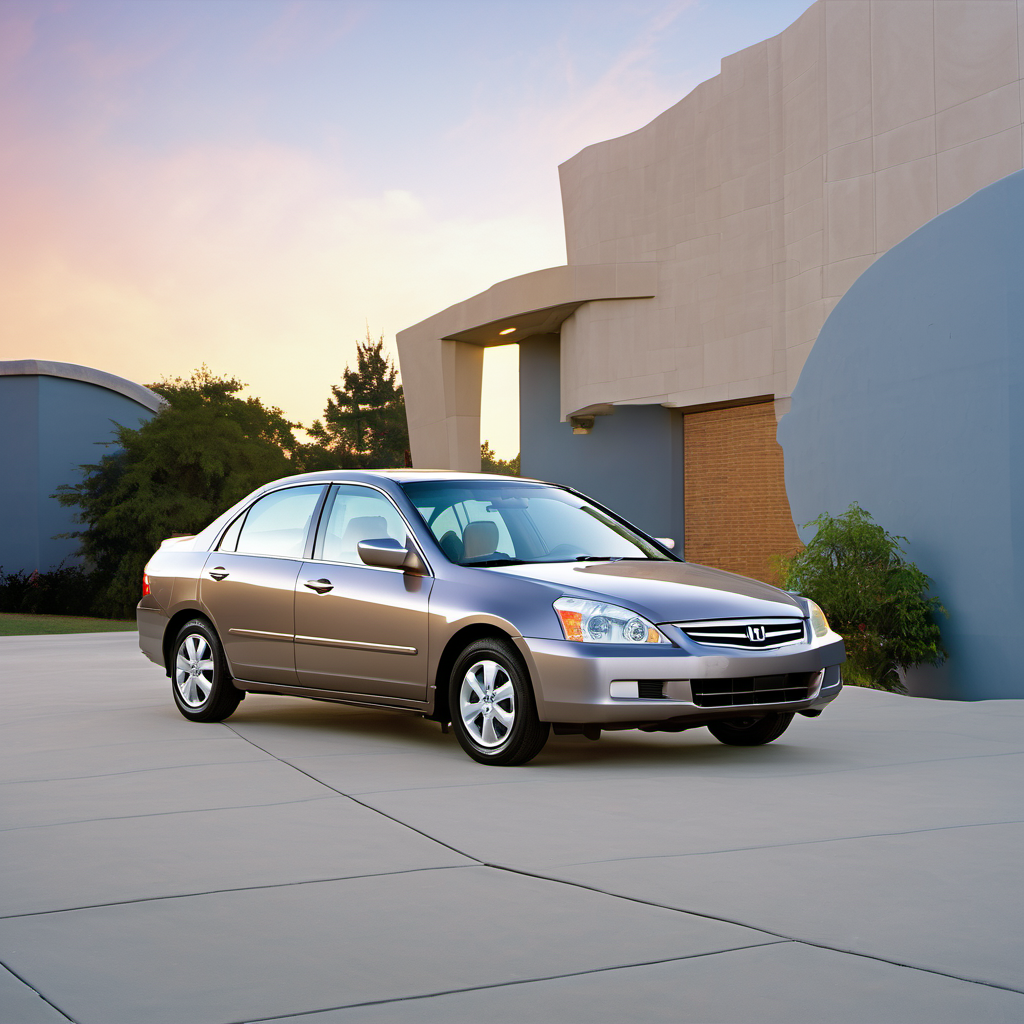
Seasonal care

Lake Geneva, WI
Winter
  • Switch to full synthetic 5W-30 if not already — conventional oil thickens in sub-zero temps and starves the timing chain tensioner on cold starts
  • Load-test the battery every October; replace if below 70% capacity — cold cranking a worn battery in a Wisconsin January is a losing bet
  • Flush and fill washer fluid reservoir with a -20°F or colder rated fluid — the stock reservoir is plastic and can crack if water-based fluid freezes
  • Inspect wiper blades before first snowfall; consider winter-specific blades to prevent ice and snow packing under the frame
  • Rinse the undercarriage thoroughly after every heavy salt event — brake lines and subframe welds on a 20+ year old car are especially vulnerable
  • Keep the fuel tank at least half full in deep cold to prevent moisture accumulation in the fuel system and reduce strain on the fuel pump
Summer
  • Check tire pressure monthly — summer heat causes pressure to rise roughly 1 PSI per 10°F increase in ambient temp; overinflation accelerates center tread wear
  • Inspect the A/C system for refrigerant level and compressor clutch engagement before the first hot stretch — recharging is far cheaper than replacing a seized compressor
  • Watch coolant temperature closely during stop-and-go traffic; this generation can run warm with a partially clogged radiator or weak thermostat
  • Check the engine oil level more frequently in summer heat, as the QR25's oil consumption can increase at higher operating temperatures

Comparable vehicles

If you're shopping for one

Red flags
  • Low oil on the dipstick at time of inspection — either the owner doesn't check it or the engine burns oil heavily
  • White smoke from the exhaust after warm-up — coolant burning in the combustion chamber
  • Sludge visible through the oil fill cap — sign of chronic poor maintenance, the worst environment for an oil-prone QR25
  • Rust perforation on the underbody, subframe, or brake lines — structural and safety concern, not just cosmetic
  • Check engine light on with no explanation from the seller — scan for codes before handing over any money
  • Overheating history or evidence of a DIY head gasket repair (mismatched coolant colors, fresh sealant around the block)
What to inspect
  • Pull the dipstick and check the oil level AND color — milky oil means coolant mixing (head gasket), black sludge means the engine was rarely serviced
  • Cold-start the engine and listen for timing chain rattle in the first 5–10 seconds; any ticking that quickly fades is worth a closer look
  • Check the exhaust manifold for visible cracks and listen for a ticking or tapping at idle that diminishes as the engine warms
  • Look under the car for rust on the brake lines, fuel lines, and subframe — Lake Geneva cars are salt-belt cars
  • Check the coolant reservoir for a brown or oily film, which can indicate combustion gases or oil mixing into the cooling system
  • Ask for any oil consumption history — how often was oil added between changes?
AI profile generated 13 days ago · claude-sonnet-4-6 · v2.