Engine oil sludge / VVT-i oil passage clogging
medium- Typically appears
- 80–150k mi
- Estimated repair
- $500 – $3,000
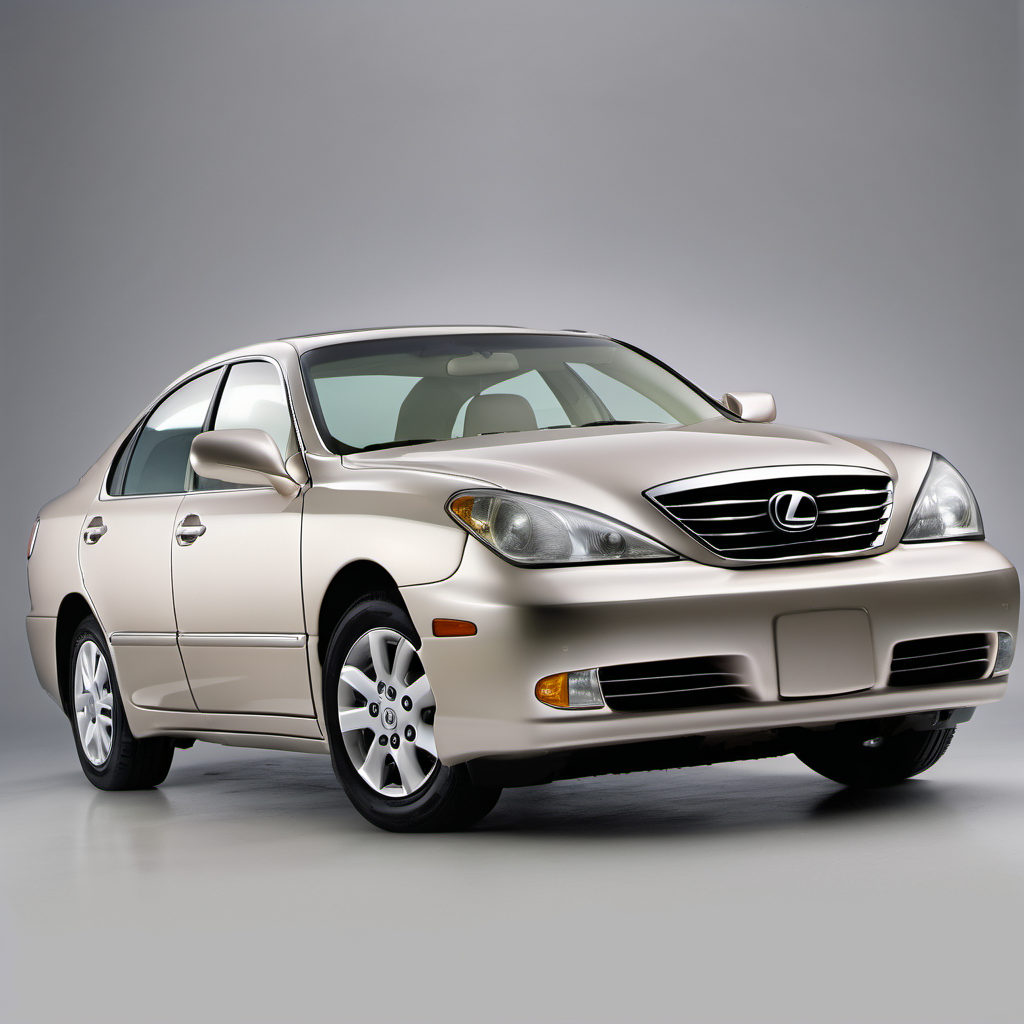
2003 Lexus
Sedan
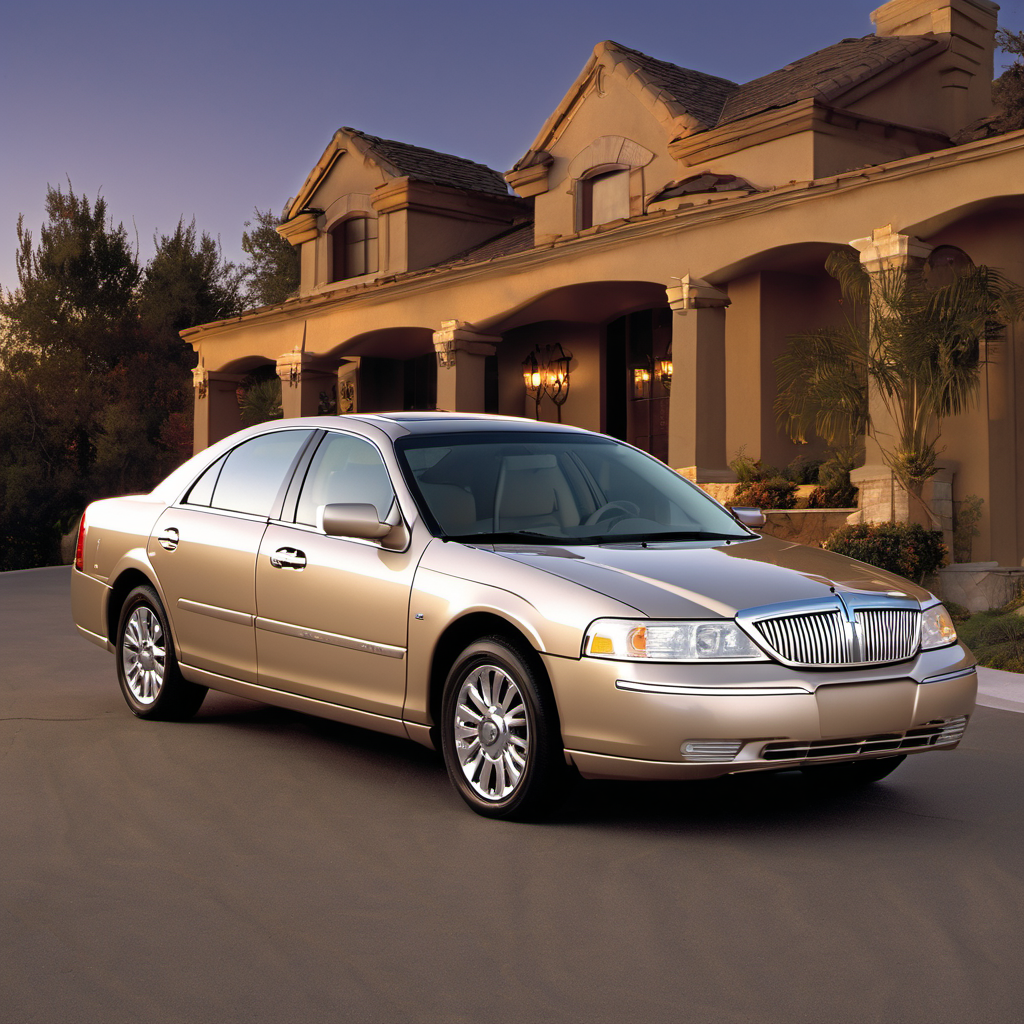
The 2003 Lexus ES 300 is the fourth generation of Lexus's entry-level luxury sedan, sharing its platform and 3.0L V6 with the Toyota Camry. It was one of the best-selling luxury sedans of its era, praised for its hushed cabin, smooth ride, and exceptional long-term reliability. At this point in its life it is a well-proven design with a track record that spans over two decades of real-world ownership. The ES 300 is front-wheel drive, which makes it a genuinely practical daily driver in Wisconsin winters without the complexity of an AWD system. The 3.0L 1MZ-FE V6 is one of Toyota/Lexus's most bulletproof engines, and the 5-speed automatic that backs it up rarely causes trouble when serviced on schedule. At 20+ years old, this car's condition is entirely owner-driven. A well-maintained example with documented service history is a genuine bargain luxury sedan. A neglected one with deferred maintenance can become expensive quickly — especially on rubber seals, cooling system components, and the VVT-i oil control system.
The 2003 Lexus ES 300 is the fourth generation of Lexus's entry-level luxury sedan, sharing its platform and 3.0L V6 with the Toyota Camry. It was one of the best-selling luxury sedans of its era, praised for its hushed cabin, smooth ride, and exceptional long-term reliability. At this point in its life it is a well-proven design with a track record that spans over two decades of real-world ownership. The ES 300 is front-wheel drive, which makes it a genuinely practical daily driver in Wisconsin winters without the complexity of an AWD system. The 3.0L 1MZ-FE V6 is one of Toyota/Lexus's most bulletproof engines, and the 5-speed automatic that backs it up rarely causes trouble when serviced on schedule. At 20+ years old, this car's condition is entirely owner-driven. A well-maintained example with documented service history is a genuine bargain luxury sedan. A neglected one with deferred maintenance can become expensive quickly — especially on rubber seals, cooling system components, and the VVT-i oil control system.
This is the single most important task on the 1MZ-FE. Sludge from extended oil changes is the primary killer of these engines. Do not stretch intervals.
Lexus lists this fluid as long-life, but at 20+ years old it must be serviced. Degraded ATF leads to shift flare and eventual clutch pack failure. Use Toyota WS fluid or equivalent.
Long-life coolant degrades and becomes acidic, attacking the aluminum engine internals. On a 20-year-old car, hoses and the water pump should be replaced proactively if not already documented.
Brake fluid absorbs moisture over time, lowering its boiling point. Wisconsin road conditions and temperature swings accelerate this. Wet fluid can cause spongy brakes and corroded ABS components.
Catching a weeping valve cover gasket early is a $300 job. Missing it means oil on the exhaust, potential fire risk, and a fouled ignition system.
Cold-cranking amps drop sharply below 20°F. Lake Geneva winters regularly hit sub-zero temperatures. A marginal battery that starts fine in October may leave you stranded in January.
A clogged cabin filter reduces A/C and heat output significantly. Easy DIY task, big comfort difference in both summer and winter.
Wisconsin road salt causes caliper slides to seize and rotors to pit. A seized slide causes uneven pad wear and pulls on braking. Cleaning and lubricating caliper slides annually is cheap insurance.
Always defer to the manufacturer's service manual for warranty-mandated intervals.
The ES 300 is one of the most affordable luxury sedans to own long-term. Routine maintenance is modest, parts are plentiful and inexpensive (shared with Camry), and independent shops can service everything without specialty tools. The main cost risk is deferred maintenance catching up — specifically sludge-related engine work or a neglected cooling system. A car with good service history will cost you very little to keep running.
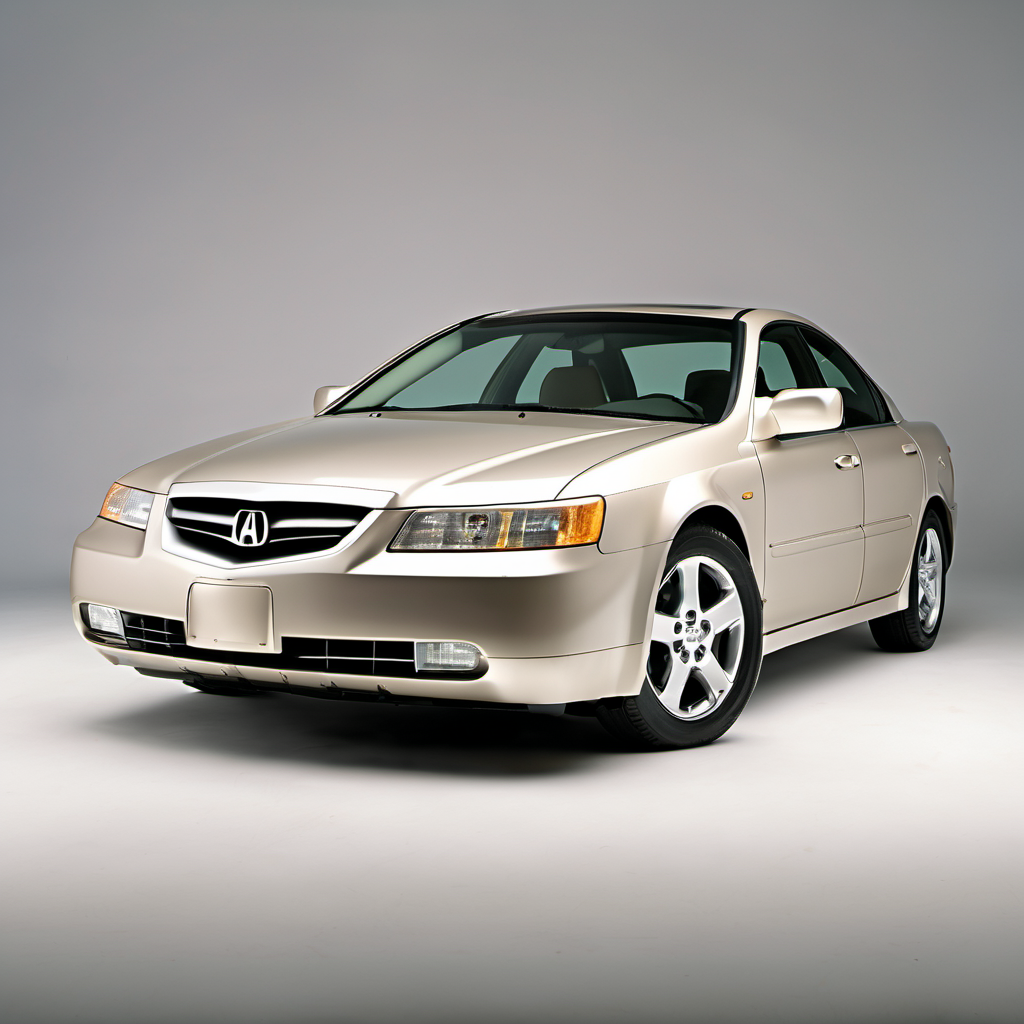
Same FWD luxury sedan segment, similar 3.2L V6 power, comparable price and reliability reputation. The TL is slightly sportier; the ES is smoother and quieter.
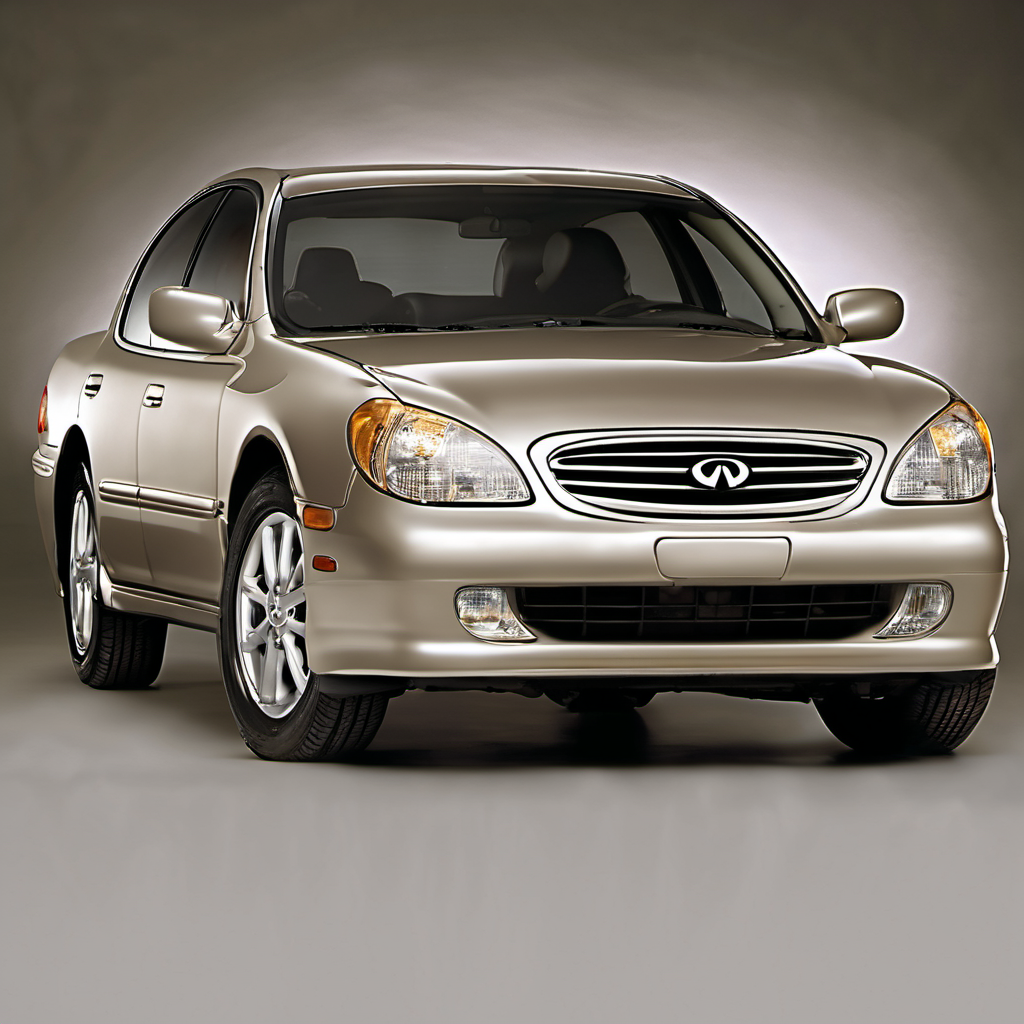
Near-identical mission — a smooth, V6-powered, FWD Japanese luxury sedan. Built on the Nissan Maxima platform. Less common so parts are slightly harder to find.
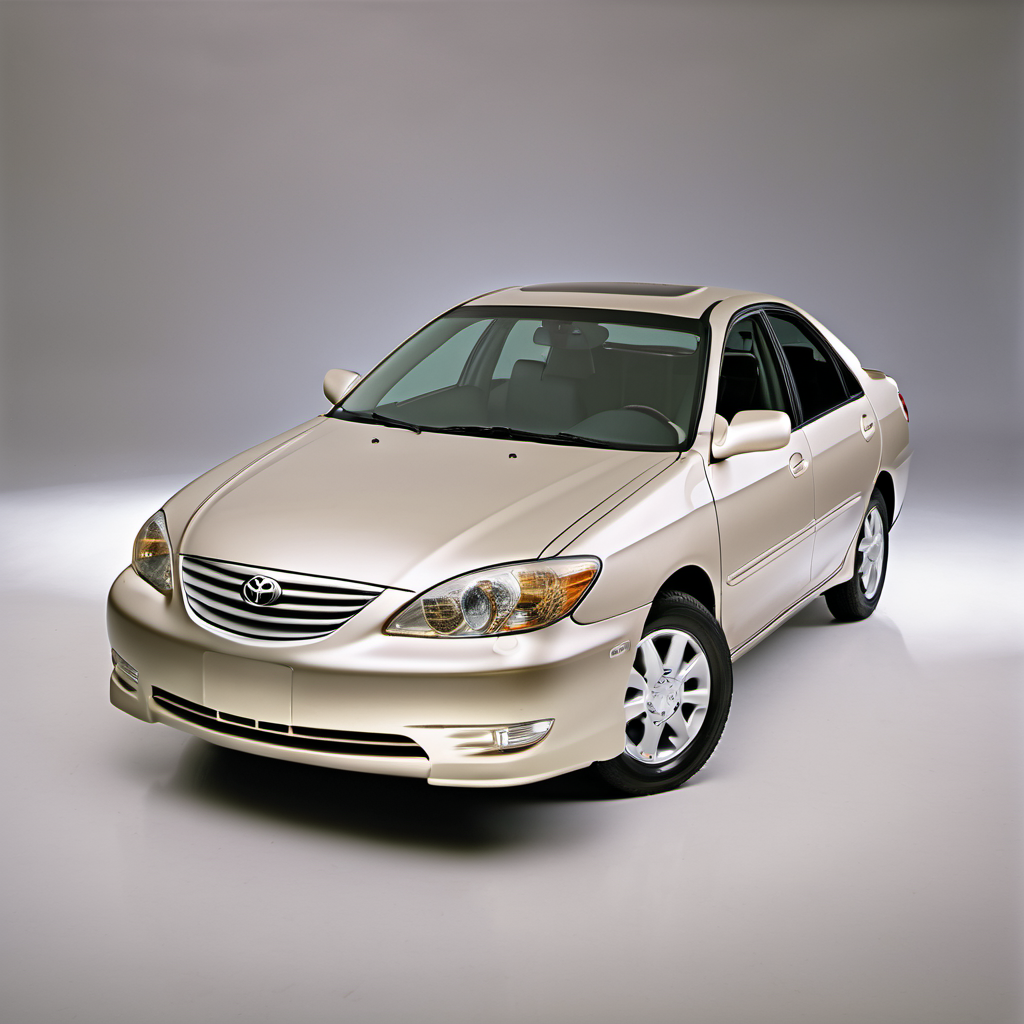
Shares the ES 300's platform, engine, and transmission almost entirely. Lower price for nearly the same mechanical experience. The ES adds NVH refinement and luxury trim.
Similar price and luxury positioning but RWD and available V8. More engaging to drive but significantly higher maintenance costs and lower long-term reliability than the ES 300.