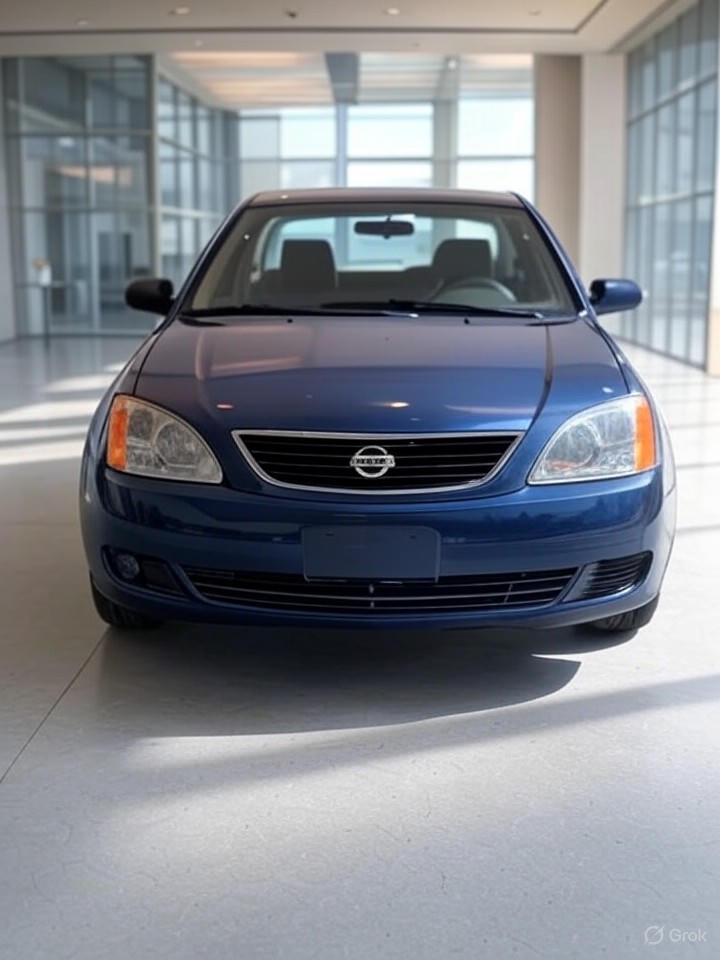
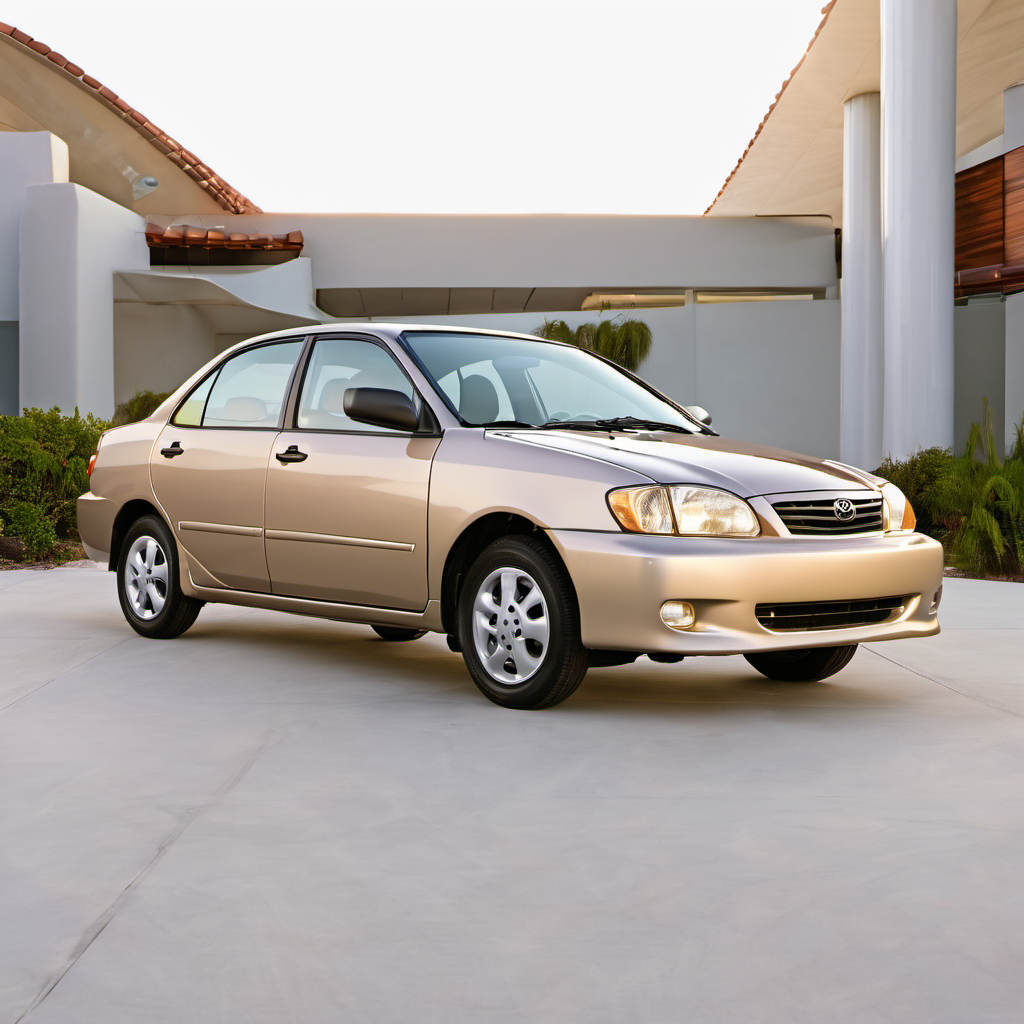
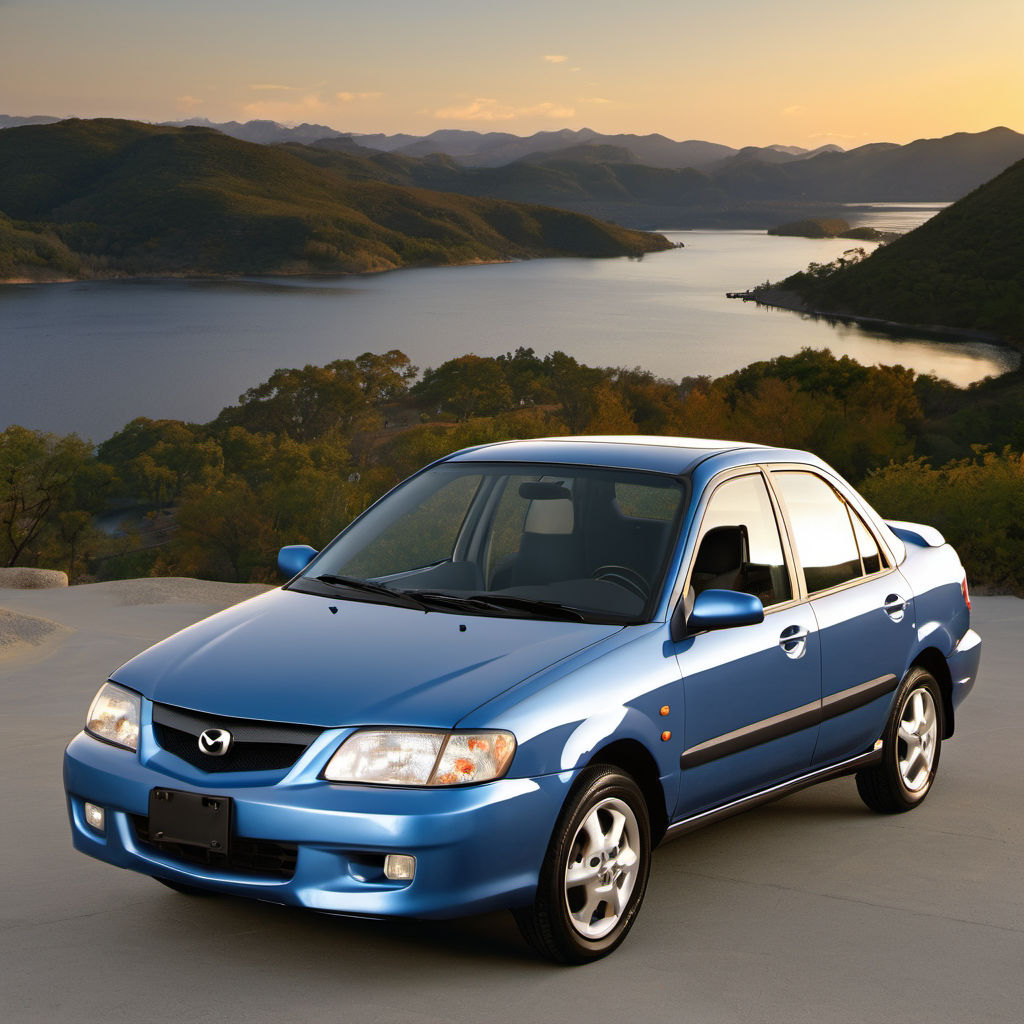
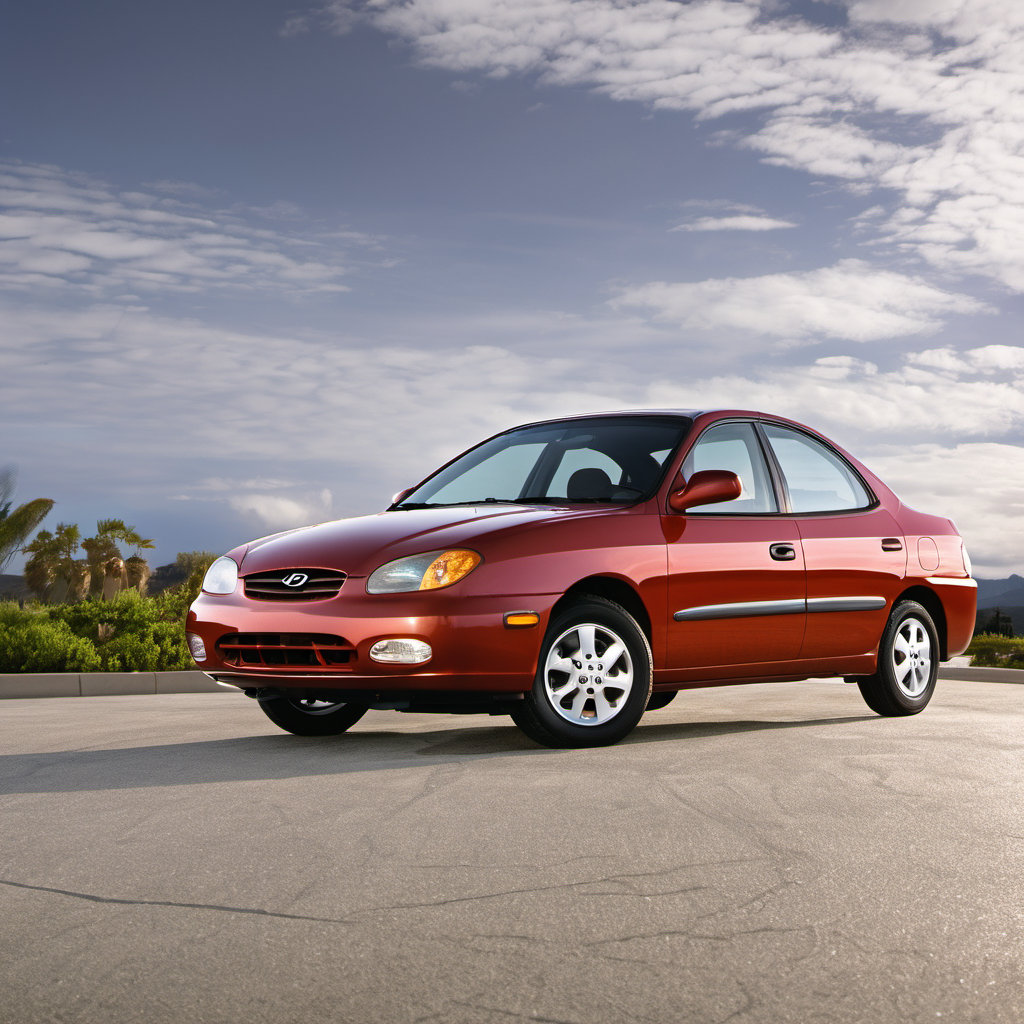
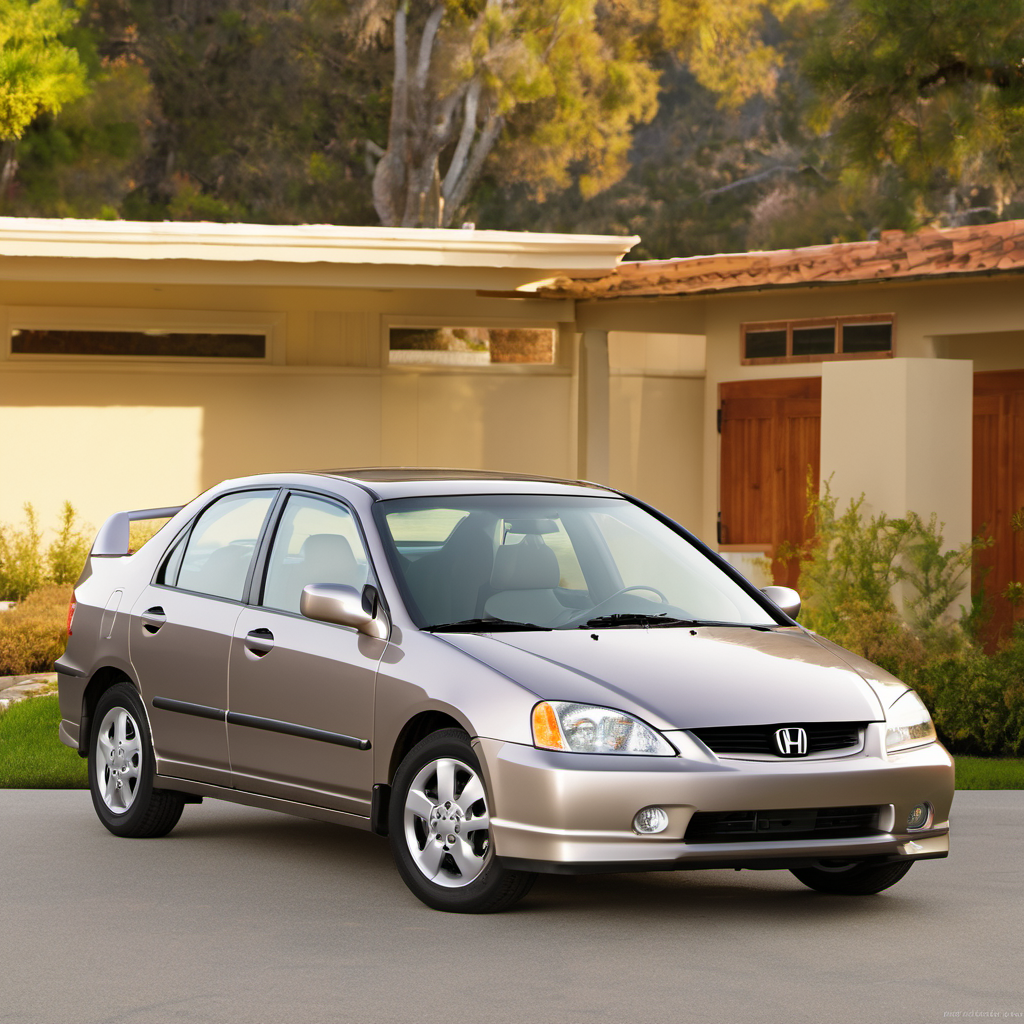
2003 Nissan Sentra Sedan

2003 Nissan

SentraSedan

Sedan

The 2003 Nissan Sentra is a second-generation B15-platform compact sedan that hit a sweet spot of affordability, fuel efficiency, and straightforward mechanics. It came standard with a 1.8L four-cylinder (QG18DE) mated to either a 5-speed manual or 4-speed automatic, and front-wheel drive kept the mechanicals simple and parts cheap. At 20-plus years old now, most survivors are high-mileage daily drivers or budget transportation — and that's exactly what this car does well when maintained. The QG18DE engine is not a performance powerhouse, but it's a proven, relatively low-stress design that holds up well with consistent oil changes. The bigger threats on a car this age are neglected cooling system, worn suspension bushings from Wisconsin roads, and rust — especially on the subframe, floor pans, and brake lines. Many Sentras of this era were driven hard and maintained lightly, so the car you're looking at is only as good as its history. Buyers on a budget will find the Sentra rewarding if they go in with clear eyes: parts are inexpensive, independent shops know this engine well, and the car is genuinely simple to work on. Skip it if there's visible rust in the wrong places or evidence of deferred maintenance. A solid example with documented service history is worth the effort.

Reliability
3/5
Verified data
Specs shown for Sentra — the most common configuration. Other trims may vary in engine, drivetrain, or fuel economy. Sign in to see your vehicle's exact specs.
Engine
[object Object]
Drivetrain
FWD
Fuel
Gasoline
MPG
24 city / 32 hwy / 27 combined
Seats
Doors
Body
Compact Cars

Overview

AI-curated

The 2003 Nissan Sentra is a second-generation B15-platform compact sedan that hit a sweet spot of affordability, fuel efficiency, and straightforward mechanics. It came standard with a 1.8L four-cylinder (QG18DE) mated to either a 5-speed manual or 4-speed automatic, and front-wheel drive kept the mechanicals simple and parts cheap. At 20-plus years old now, most survivors are high-mileage daily drivers or budget transportation — and that's exactly what this car does well when maintained. The QG18DE engine is not a performance powerhouse, but it's a proven, relatively low-stress design that holds up well with consistent oil changes. The bigger threats on a car this age are neglected cooling system, worn suspension bushings from Wisconsin roads, and rust — especially on the subframe, floor pans, and brake lines. Many Sentras of this era were driven hard and maintained lightly, so the car you're looking at is only as good as its history. Buyers on a budget will find the Sentra rewarding if they go in with clear eyes: parts are inexpensive, independent shops know this engine well, and the car is genuinely simple to work on. Skip it if there's visible rust in the wrong places or evidence of deferred maintenance. A solid example with documented service history is worth the effort.

Known for
  • Economical 1.8L QG18DE four-cylinder with straightforward maintenance
  • Fuel-efficient FWD platform with low running costs
  • Spacious interior for the class — notably roomy rear seat
  • Affordable parts availability even at 20+ years old
Best for
  • Budget-conscious daily commuters
  • First-time car owners comfortable with an older vehicle
  • City and suburban driving with occasional highway
  • Owners who do their own basic maintenance
Watch for
  • Rust on subframe, floor pans, and brake lines — critical on Wisconsin salt-road survivors
  • Neglected coolant and timing chain service on high-mileage examples
  • Worn or cracked engine and transmission mounts causing vibration
  • Exhaust system corrosion common in cold-climate cars of this age

Common issues by mileage

6 known

Exhaust system rust and failure

high
Typically appears
80k+ mi on salt-road cars
Estimated repair
$200 – $650

Oxygen sensor failure (upstream/downstream)

high
Typically appears
80–130k mi
Estimated repair
$120 – $280

Engine and transmission mount wear

high
Typically appears
75–120k mi
Estimated repair
$150 – $400

Cooling system failure (thermostat, radiator hoses, water pump)

medium
Typically appears
90–150k mi
Estimated repair
$150 – $550

Brake line corrosion

high
Typically appears
Any mileage on salt-road cars
Estimated repair
$200 – $700

Suspension bushing and ball joint wear

medium
Typically appears
80–140k mi
Estimated repair
$180 – $500

Maintenance schedule

  1. 1
    Every 5,000 miles or 6 months Engine oil and filter change

    The QG18DE runs clean with regular oil changes. At this age, use conventional or a mild synthetic — don't switch to full synthetic on a high-mileage engine with unknown seal history without inspecting for leaks first.

  2. 2
    Every 2 years or 30,000 miles Coolant flush and inspection of hoses/thermostat

    Coolant degrades and becomes acidic over time, attacking aluminum components. At 20+ years, this is overdue on many examples — inspect hoses for cracking and the thermostat for proper operation.

  3. 3
    Every 30,000 miles Spark plug replacement

    The QG18DE uses standard copper plugs. Worn plugs cause rough idle, poor fuel economy, and misfires. Easy DIY job on this engine.

  4. 4
    Every 2 years Brake fluid flush

    Brake fluid absorbs moisture over time, lowering its boiling point and accelerating internal corrosion. On an older car, this is critical — inspect brake lines for rust and pitting at the same time.

  5. 5
    Every 15,000–20,000 miles Air filter replacement

    A clogged air filter hurts fuel economy and throttle response on this small-displacement engine. Inexpensive and easy to check.

  6. 6
    Every spring after Wisconsin winter Undercarriage rust inspection

    Salt accumulation on brake lines, subframe, and fuel lines is the number-one long-term killer of this generation Sentra in the upper Midwest. Early detection prevents a safety issue from becoming a total-loss scenario.

  7. 7
    Every 30,000 miles or 3 years Serpentine belt and tensioner inspection

    Belt failure leaves you stranded and can damage the alternator and power steering pump. Tensioners go weak with age regardless of mileage.

  8. 8
    Every 6,000–7,500 miles Tire rotation and alignment check

    FWD cars wear front tires faster. Wisconsin potholes knock alignment out regularly — uneven wear found at rotation time is a sign to align before buying new tires.

Always defer to the manufacturer's service manual for warranty-mandated intervals.

Cost of ownership

Annual maintenance
$400 – $900
Fuel
At 27 MPG combined and ~12,000 miles/year, expect roughly $1,400–$1,700/year at current mid-grade Wisconsin pump prices.
Insurance
Typically among the lowest in its class — expect $700–$1,100/year for full coverage on a driver with a clean record, depending on the car's actual value.

The Sentra is genuinely cheap to own when it's in good shape. Parts are widely available and affordable, and most independent shops can handle everything this car needs without specialty tools. The main financial risk on a high-mileage 2003 example isn't routine maintenance — it's deferred repairs (brake lines, cooling system, suspension) piling up at once. Budget $500–$1,000 upfront for a pre-purchase inspection and any immediate safety items.
Seasonal care

Lake Geneva, WI
Winter
  • Test the battery before first hard freeze — cold cranking amps drop sharply below 20°F and a weak battery will fail. A 20-year-old car may be on its second or third battery; replace proactively if it's over 4 years old.
  • Switch to a winter-rated washer fluid rated to at least -20°F. Lake Geneva winters will freeze standard fluid in the reservoir and crack the pump.
  • Inspect brake lines and rubber brake hoses every fall. Salt-accelerated corrosion on this generation Sentra can cause sudden line failure — this is a safety-critical check, not optional.
  • Check antifreeze concentration — should protect to at least -34°F for Wisconsin winters. A 50/50 mix of fresh coolant and distilled water is the standard.
  • Install winter wiper blades or confirm current blades clear ice without streaking. The Sentra's windshield angle accumulates ice quickly.
  • Keep the fuel tank at least half full in deep cold to reduce condensation in the fuel system and ensure enough fuel weight if you get stuck.
Summer
  • Inspect the A/C system before heat arrives — the 2003 Sentra uses R-134a refrigerant. A system that hasn't been touched in years may have a slow leak. Recharging a leaking system without fixing the source is money wasted.
  • Check tire pressure monthly — for every 10°F rise in temperature, pressure increases roughly 1 PSI. Set to spec cold, not hot.
  • Inspect the radiator cap and coolant level. Heat soak after a hot-day shutdown stresses an aging cooling system; a weak radiator cap that won't hold pressure causes overheating.
  • Clean debris from the cabin air filter (if equipped) and engine air filter after spring pollen season — clogged filters hurt A/C performance and fuel economy.

Comparable vehicles

If you're shopping for one

Red flags
  • Visible rust holes in the floor, subframe, or along the rocker panels — structural rust is a deal-breaker.
  • Milky or foamy oil on the dipstick or under the oil cap — indicates coolant contamination, likely head gasket failure.
  • Any hesitation, stalling, or rough idle at operating temperature — on a car this age, diagnose before buying, not after.
  • No service records and high mileage (100k+) — you're inheriting unknown deferred maintenance.
  • Evidence of accident repair: mismatched panel gaps, overspray, or misaligned hood/trunk lines suggest unreported collision history.
  • Check engine light already on at time of sale — insist on scanning codes before purchase.
What to inspect
  • Undercarriage: brake lines, fuel lines, subframe, and floor pans for rust perforation — Wisconsin salt is unforgiving on 20-year-old steel.
  • Coolant color and condition — brown or oily coolant signals a head gasket issue or severely neglected system.
  • Engine mounts: with engine running, watch for excessive movement under light throttle blips. Worn mounts cause vibration and can stress nearby components.
  • Exhaust system from manifold to tip for holes, heavy rust, or makeshift patches — replacement on a rusty car can be expensive.
  • Transmission shift quality: the 4-speed automatic should shift smoothly without slipping, hunting, or hard engagement. Jerky shifts on a high-mileage unit often mean the transmission is near end-of-life.
  • Check all four brake rotors and pads, and squeeze each rubber brake hose for cracking or softness.
AI profile generated 7 hr ago · claude-sonnet-4-6 · v2.