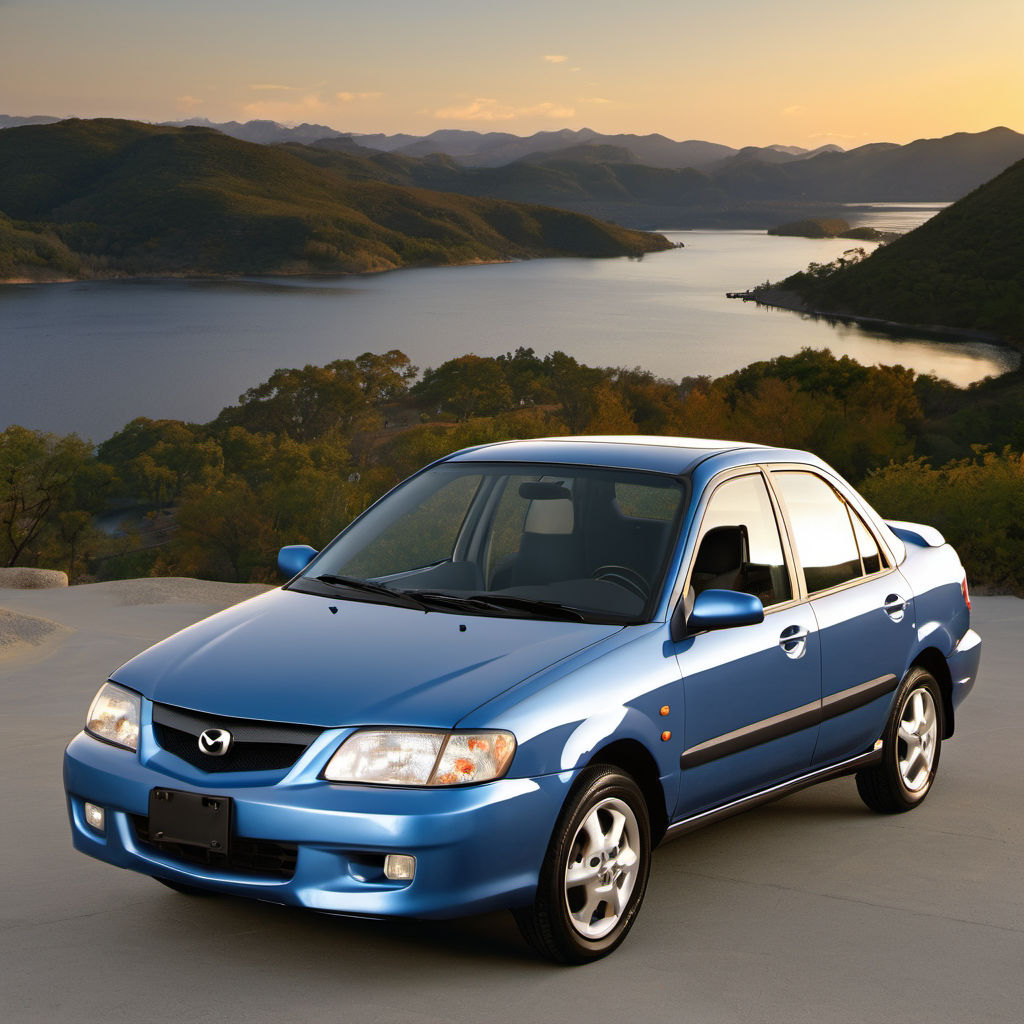
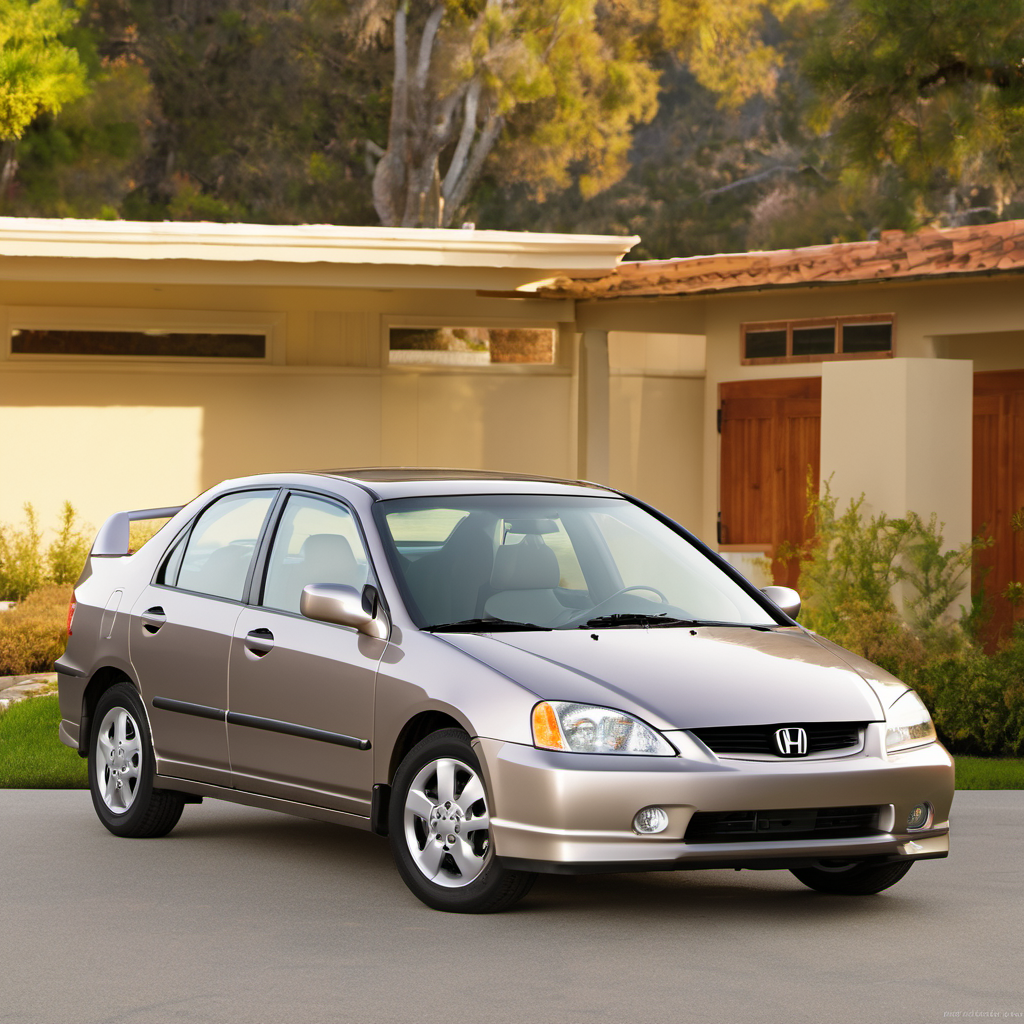
2003 MAZDA Protege Sedan

2003 MAZDA

ProtegeSedan

2.0L I4 (FS-DE) · Sedan

The 2003 Mazda Protege is the final model year of the fourth-generation Protege before Mazda transitioned the nameplate into the Mazda3 (Mazda6 platform). It's a compact front-wheel-drive sedan built around a straightforward 2.0L four-cylinder engine, a tight and responsive chassis, and a reputation for being one of the more driver-focused cars in its class. By 2003, Mazda had ironed out most of the earlier-generation quirks, making this a solid, lean compact with low running costs. The Protege earned loyal fans because it drove more like a sports sedan than a grocery-getter. Steering feel, body control, and low-speed agility are genuinely good even by today's standards. Cargo and rear-seat space are modest — this is a small car — but it punches above its weight in fun-to-drive character. At 20+ years old, any surviving 2003 Protege is a high-mileage or well-preserved survivor. Rust is the primary enemy in Wisconsin, and underbody corrosion must be evaluated before any purchase. Parts remain reasonably available due to shared components with the Mazda3 and Ford Focus of the era.

Reliability
4/5
Verified data
Engine
2.0L I4 (FS-DE)
Drivetrain
FWD
Fuel
Gasoline
MPG
26 city / 32 hwy / 28 combined
Seats
5
Doors
4
Body
Sedan
MSRP
$14,880

Overview

AI-curated

The 2003 Mazda Protege is the final model year of the fourth-generation Protege before Mazda transitioned the nameplate into the Mazda3 (Mazda6 platform). It's a compact front-wheel-drive sedan built around a straightforward 2.0L four-cylinder engine, a tight and responsive chassis, and a reputation for being one of the more driver-focused cars in its class. By 2003, Mazda had ironed out most of the earlier-generation quirks, making this a solid, lean compact with low running costs. The Protege earned loyal fans because it drove more like a sports sedan than a grocery-getter. Steering feel, body control, and low-speed agility are genuinely good even by today's standards. Cargo and rear-seat space are modest — this is a small car — but it punches above its weight in fun-to-drive character. At 20+ years old, any surviving 2003 Protege is a high-mileage or well-preserved survivor. Rust is the primary enemy in Wisconsin, and underbody corrosion must be evaluated before any purchase. Parts remain reasonably available due to shared components with the Mazda3 and Ford Focus of the era.

Known for
  • Sharp, engaging handling for a compact sedan
  • Reliable 2.0L FS-DE engine with a straightforward design
  • Fuel-efficient and inexpensive to maintain
  • Strong value for budget-conscious buyers
Best for
  • Commuters wanting a reliable, economical daily driver
  • First-time car buyers or students on a budget
  • Drivers who enjoy a connected, sporty feel in a small sedan
  • Anyone comfortable doing basic DIY maintenance
Watch for
  • Underbody and floor pan rust, especially on Wisconsin/road-salt cars
  • High mileage examples with neglected timing belt service
  • Worn engine mounts causing vibration at idle
  • Aging automatic transmission if fluid was never serviced

Common issues by mileage

6 known

Timing Belt Failure / Overdue Replacement

high
Typically appears
90–105k mi (and every 90k thereafter)
Estimated repair
$350 – $600

Engine Mount Deterioration

high
Typically appears
80–150k mi
Estimated repair
$150 – $350

Oxygen Sensor Heater Circuit Failure (Bank 1 Sensor 1)

medium
Typically appears
80–130k mi
Estimated repair
$120 – $250

Rear Suspension Bushing and Trailing Arm Wear

medium
Typically appears
100–160k mi
Estimated repair
$200 – $500

Automatic Transmission Slipping or Harsh Shifts (4-speed auto)

medium
Typically appears
100–160k mi
Estimated repair
$300 – $2,500

Underbody and Floor Pan Rust (salt-belt vehicles)

high
Typically appears
Any mileage on Wisconsin/Midwest cars
Estimated repair
$500 – $3,000

Maintenance schedule

  1. 1
    Every 90,000 miles or 7 years, whichever comes first Timing belt and water pump replacement

    The 2.0L FS-DE is an interference engine — a snapped belt bends valves and turns a $500 job into a $3,000+ repair. At this car's age, assume it's due unless you have paperwork proving otherwise.

  2. 2
    Every 5,000 miles or 6 months Engine oil and filter change

    Older engines with accumulated wear benefit from more frequent oil changes. Using the correct viscosity (5W-30) matters especially for cold Wisconsin starts.

  3. 3
    Every 30,000 miles if not done recently Automatic transmission fluid drain and fill

    The 4-speed automatic is the weakest link on this car. Fresh fluid extends its life significantly. Do NOT flush — drain and fill only on a high-mileage unit.

  4. 4
    Every 2 years or 30,000 miles Coolant flush

    Aged coolant loses its corrosion inhibitors and can attack the aluminum head and heater core from the inside — a serious problem in freeze-thaw climates.

  5. 5
    Every 30,000 miles Spark plugs replacement

    Standard copper/platinum plugs on this engine don't last as long as newer iridium types. Worn plugs cause rough idle and poor fuel economy.

  6. 6
    Every 2 years Brake fluid flush

    Brake fluid is hygroscopic and absorbs moisture over time, lowering the boiling point and promoting internal corrosion in the ABS module and calipers.

  7. 7
    Every spring and fall Underbody wash and inspection

    Road salt in Wisconsin attacks the thin floor pans, fuel lines, and brake lines on this car aggressively. Catching surface rust early is far cheaper than repairing through-rust.

  8. 8
    Every 30,000 miles or annually Drive axle CV boot inspection

    Cracked CV boots allow grease to escape and grit to enter. A $100 boot replacement becomes a $300–$450 axle replacement once the joint itself is contaminated.

Always defer to the manufacturer's service manual for warranty-mandated intervals.

Cost of ownership

Annual maintenance
$400 – $900
Fuel
At ~28 MPG combined and Wisconsin average gas prices, expect roughly $1,400–$1,800/year for 12,000 miles of typical driving.
Insurance
Typically among the cheapest cars to insure — expect $700–$1,200/year for a 25+ year old driver with clean record in the Lake Geneva area, depending on coverage level.

The Protege is one of the lowest-cost-to-own cars from its era if the body is solid and maintenance is current. Parts are inexpensive and labor time is short. The big wildcard is rust repair — one bad floor pan or rotted subframe can flip the economics quickly. Budget for a timing belt service immediately if you can't document the last one.
Seasonal care

Lake Geneva, WI
Winter
  • Switch to a full synthetic 5W-30 oil if not already — conventional oil thickens in sub-zero temps and starves the engine on cold starts.
  • Test the battery before first freeze. A battery older than 4 years in Wisconsin is on borrowed time; cold-cranking amps drop sharply below 0°F.
  • Fill the washer fluid reservoir with a -20°F or colder rated fluid. The stock reservoir cap and lines can crack if you use summer-grade fluid that freezes.
  • Inspect and replace wiper blades with winter-grade blades before November — standard blades ice up and streak badly.
  • Check that antifreeze mixture is good to at least -34°F. A 50/50 mix is standard; a car with diluted coolant can freeze and crack the block or head.
  • After road salt exposure, rinse the underside at a touchless car wash — pay particular attention to the rear wheel wells and rocker panels where this car traps salt.
Summer
  • Check tire pressure monthly — tires lose about 1 PSI for every 10°F drop in temperature, and summer heat can cause overinflation if you filled them cold in winter.
  • Inspect the A/C system for performance. The Protege's A/C is a simple system, but refrigerant leaks from aging o-rings are common at this age.
  • Watch the temperature gauge on hot days in stop-and-go traffic. An aging cooling system (weak water pump, tired thermostat, low coolant) will show its weakness in summer heat.
  • Check the serpentine and accessory belts for cracking — heat accelerates rubber degradation on a 20-year-old car.

Comparable vehicles

If you're shopping for one

Red flags
  • Any structural rust through the floor pan, sill, or subframe mounting points — repair cost can easily exceed the car's value.
  • Automatic transmission that hesitates, slips, or won't engage smoothly — rebuilt units for this car can run $1,500–$2,500.
  • Overheating history or a coolant leak with no clear repair documentation — potential head gasket damage.
  • Timing belt with unknown service history on a car over 90k miles — the interference engine means one failure destroys the top end.
  • Evidence of accident repair (mismatched paint, uneven panel gaps, aftermarket airbag covers) on a 20-year-old car with no Carfax record.
What to inspect
  • Floor pans and rocker panels: press firmly on carpet edges and look underneath for bubbling paint, perforations, or soft metal — deal-breaker if through-rusted.
  • Subframe and rear trailing arm mounts: salt-belt cars frequently rot at these structural points; have the car put on a lift.
  • Timing belt service records: if the seller can't document it, price in a $400–$600 timing belt/water pump job on day one.
  • Automatic transmission behavior: drive it in all gears, watch for slipping, delayed engagement, or shudder — the 4-speed auto is the weak link.
  • Engine mount condition: excessive vibration at idle or in drive/reverse is a red flag and usually means multiple mounts are worn.
  • Coolant color and condition: milky or rusty coolant suggests head gasket seepage or a very neglected cooling system.
  • CV axle boots: look for grease flung on the inside of the wheel wells or torn rubber boots.
AI profile generated 1 mo ago · claude-sonnet-4-6 · v2.