Plastic coolant crossover tube failure / overheating
high- Typically appears
- 80–150k mi
- Estimated repair
- $150 – $400
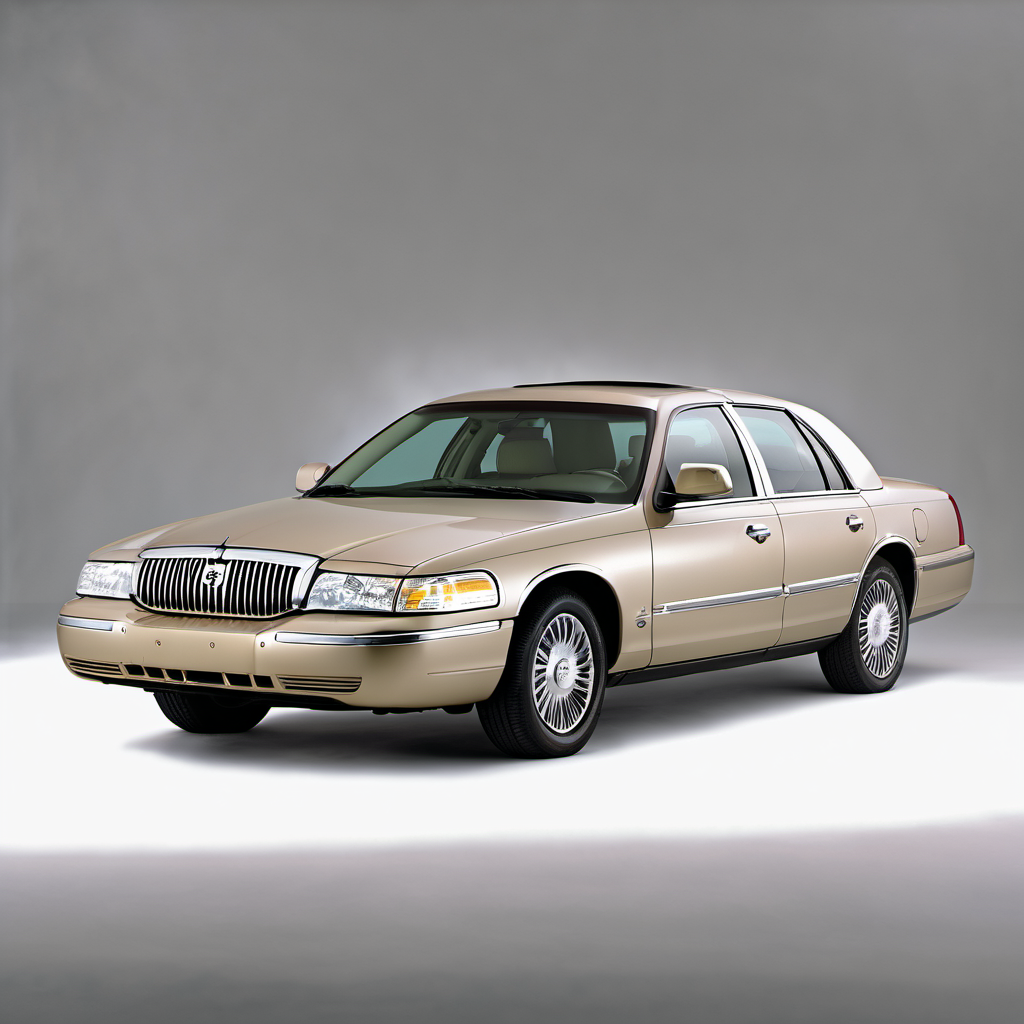
2003 Mercury
Sedan
The 2003 Mercury Grand Marquis is a full-size, body-on-frame rear-wheel-drive sedan built on Ford's venerable Panther platform — the same bones shared with the Ford Crown Victoria and Lincoln Town Car. By 2003 this platform had been refined for decades, resulting in a car that is mechanically simple, parts-abundant, and genuinely easy to service at an independent shop. It was popular with retired buyers, livery fleets, and anyone who wanted a large, comfortable American sedan without complexity. Power comes from Ford's 4.6L Modular V8, a proven engine well-known for reaching 200,000+ miles with basic maintenance. The 4-speed automatic transmission is equally proven. The ride is soft, the cabin is roomy, and trunk space is enormous — 21 cubic feet. These are not performance cars; they are durability and comfort machines. By 2003 the Grand Marquis was in its second-generation Panther iteration (post-1998 refresh), and most of the early teething issues had been sorted. Used examples are plentiful and cheap to buy. The main ownership concerns are age-related: rubber deterioration, air suspension components (if equipped), cooling system hoses, and rust on Wisconsin roads.
The 2003 Mercury Grand Marquis is a full-size, body-on-frame rear-wheel-drive sedan built on Ford's venerable Panther platform — the same bones shared with the Ford Crown Victoria and Lincoln Town Car. By 2003 this platform had been refined for decades, resulting in a car that is mechanically simple, parts-abundant, and genuinely easy to service at an independent shop. It was popular with retired buyers, livery fleets, and anyone who wanted a large, comfortable American sedan without complexity. Power comes from Ford's 4.6L Modular V8, a proven engine well-known for reaching 200,000+ miles with basic maintenance. The 4-speed automatic transmission is equally proven. The ride is soft, the cabin is roomy, and trunk space is enormous — 21 cubic feet. These are not performance cars; they are durability and comfort machines. By 2003 the Grand Marquis was in its second-generation Panther iteration (post-1998 refresh), and most of the early teething issues had been sorted. Used examples are plentiful and cheap to buy. The main ownership concerns are age-related: rubber deterioration, air suspension components (if equipped), cooling system hoses, and rust on Wisconsin roads.
The 4.6L Modular V8's longevity is directly tied to clean oil. Many high-mileage examples that fail early have a history of extended oil change intervals. Use a quality conventional or synthetic-blend 5W-20.
The plastic coolant crossover tube degrades with age and heat cycles. Inspect for cracks and soft spots at every service. Flush and replace coolant to prevent electrolytic corrosion that accelerates plastic and gasket failures.
Ford's 4R70W automatic is durable but benefits greatly from regular fluid changes. Neglected fluid causes harsh shifts and accelerates clutch wear. This is especially important if the vehicle was used for towing or livery service.
The 4.6L uses 8 plugs that are accessible but require some patience. Worn plugs cause misfires and reduced fuel economy. Replace in pairs at minimum; replace all 8 at once for best results.
Brake fluid absorbs moisture over time, lowering its boiling point and promoting internal corrosion in calipers and wheel cylinders. Wisconsin winters accelerate this via salt contamination.
Wisconsin road salt is the single biggest threat to this car's longevity. Inspect brake lines, fuel lines, and frame rails each fall. Treat exposed metal and address any bubbling paint before it becomes structural rust.
Air bags crack and leak over time — often gradually. A sagging rear end puts stress on the drivetrain and wears tires unevenly. Catch this early; replacement bags are inexpensive compared to ignoring it.
The 4.6L V8 needs a strong battery to start in sub-zero Wisconsin temps. A battery that passes a basic voltage test in summer can fail a cold-cranking amperage test by November. Test before the cold hits.
Always defer to the manufacturer's service manual for warranty-mandated intervals.
The Grand Marquis is one of the cheapest American cars to own and maintain if you stay on top of fluid services and catch rust early. Parts are plentiful at salvage yards and auto-parts chains. Labor costs are low because everything is easy to access. The main budget wildcard is rust repair, which can balloon quickly on a Wisconsin car that wasn't undercoated or washed regularly in winter.
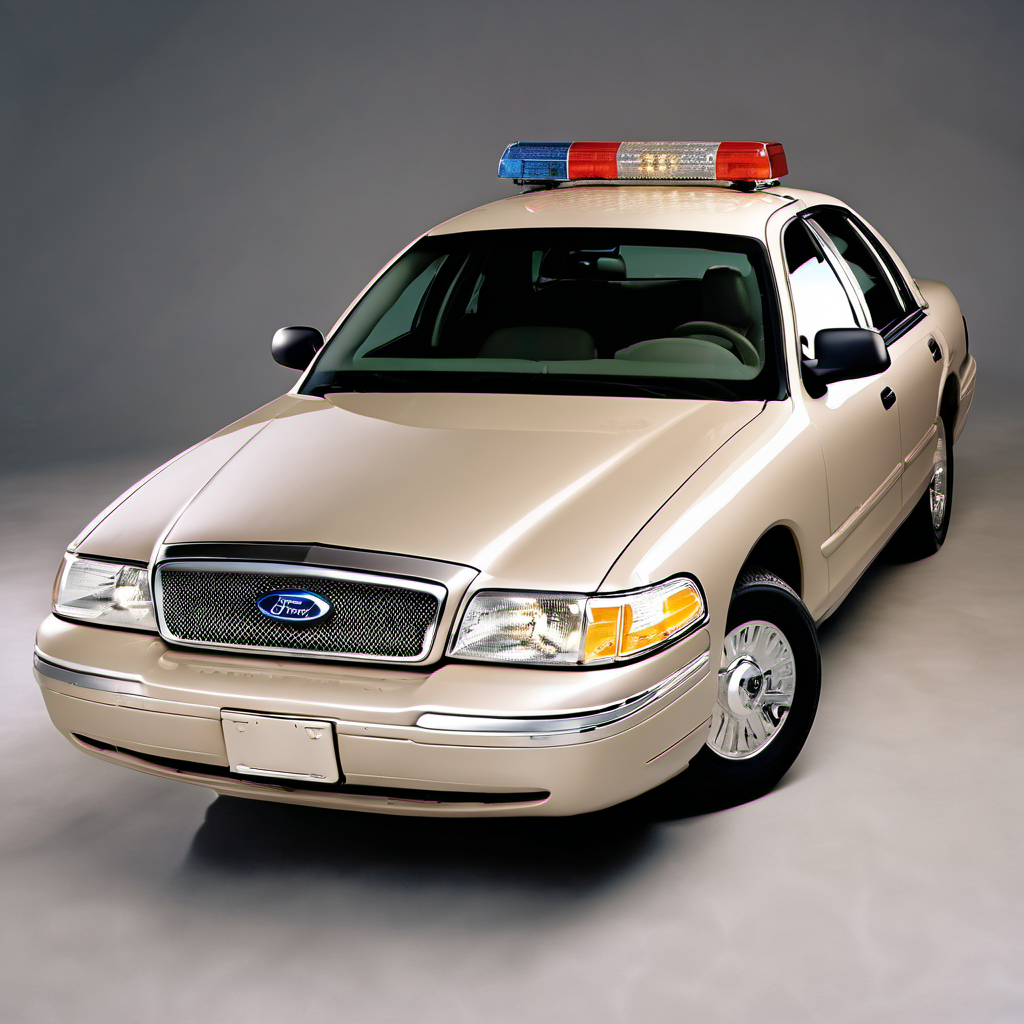
Mechanically identical Panther-platform sibling. Often cheaper to buy used due to fleet/police history stigma, but the same engine, transmission, and parts. A direct mechanical twin.
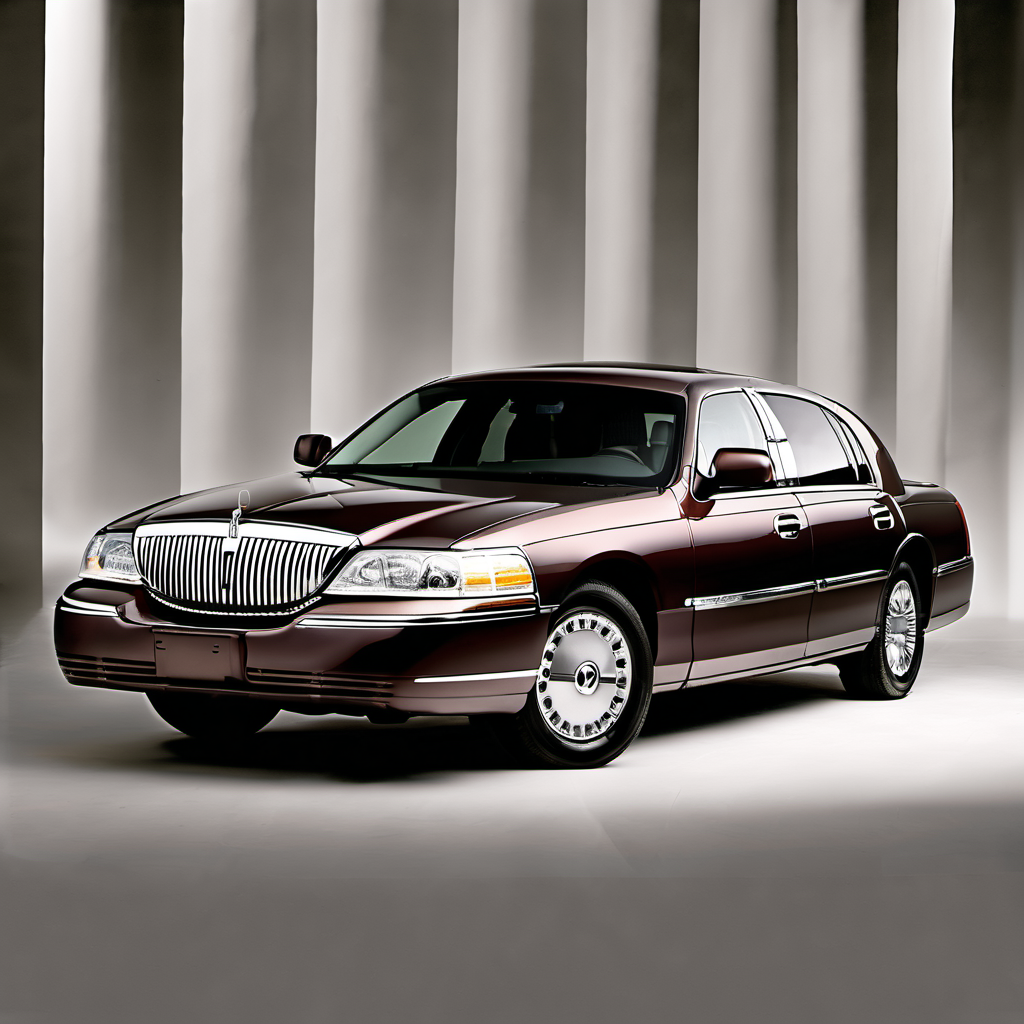
Upmarket Panther-platform cousin with the same 4.6L V8. More luxury features and a softer suspension tune; typically priced a bit higher used but shares nearly all drivetrain parts.
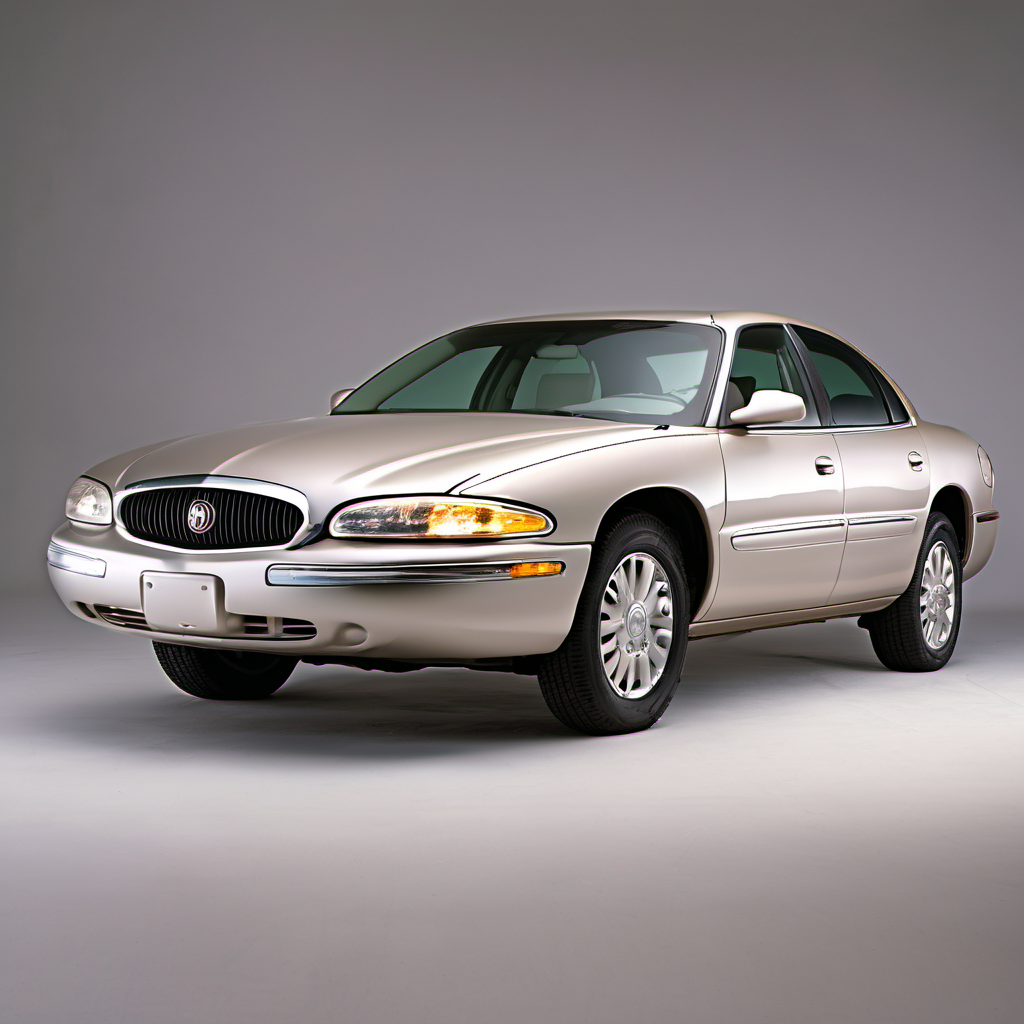
Another full-size American comfort sedan of the same era. FWD rather than RWD, with GM's 3.8L V6. Comparable ride quality, similar ownership demographics, strong reliability record.
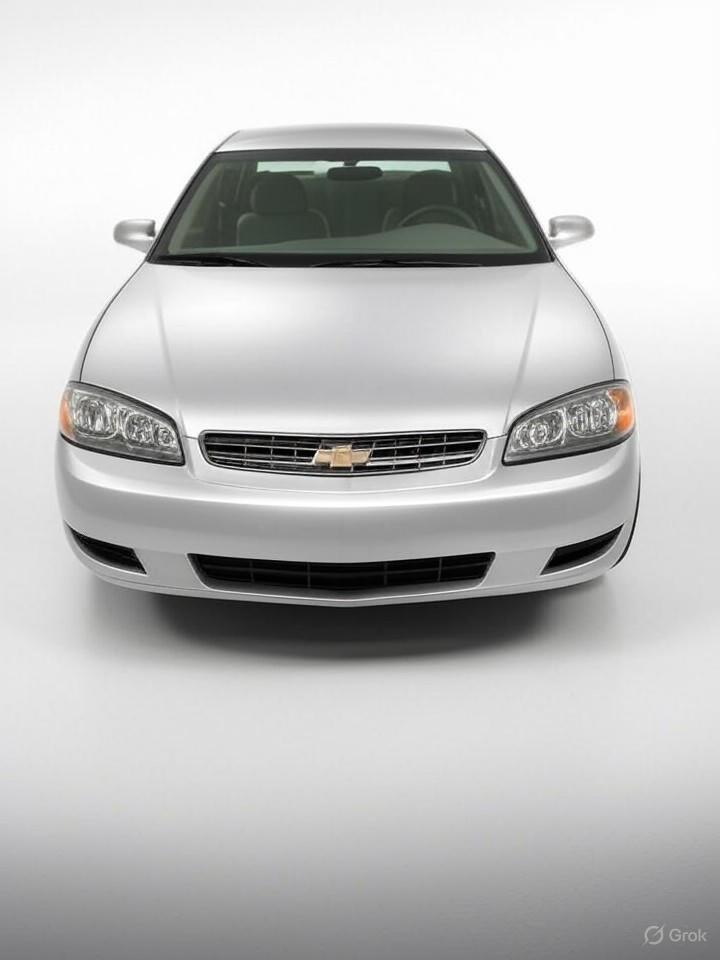
Slightly smaller and sportier, but a similar mission: affordable, reliable, roomy American sedan. FWD with a 3.8L V6. Easier to find low-mileage non-fleet examples.