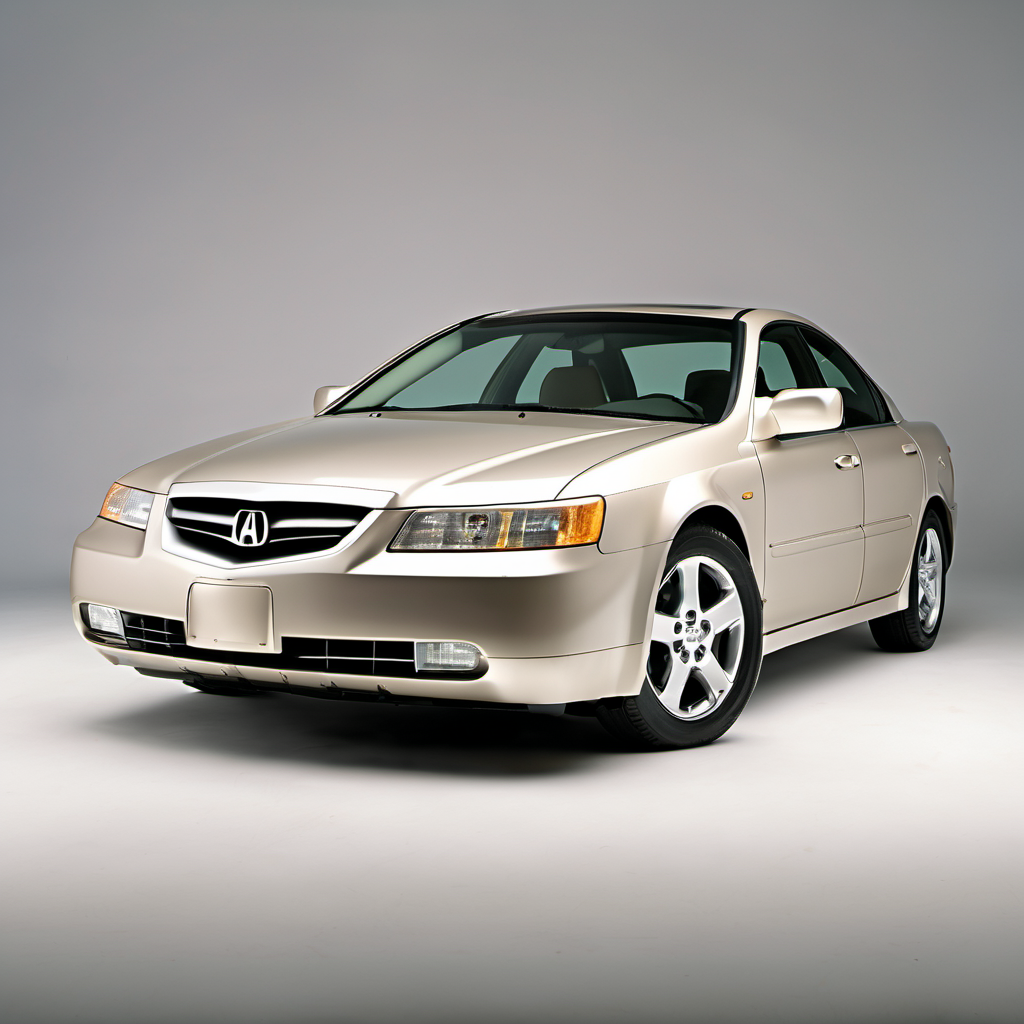
2003 Acura TL Sedan

2003 Acura

TLSedan

Sedan

The 2003 Acura TL is a front-wheel-drive luxury sport sedan powered by a 3.2L VTEC V6. It sits in the heart of the entry-luxury segment and was built on Honda's UA5 platform — the same bones shared with the Honda Accord V6 of the era, which is a double-edged sword: proven mechanicals, but the same known weak points. For its price point, the 2003 TL delivered genuine luxury features — heated leather seats, a Bose audio system, and a torque-rich V6 — without the European price-of-ownership penalty. It's quick enough to be genuinely fun and refined enough for daily highway commuting. This generation (1999–2003) is now old enough that the transmission is the elephant in the room on any used example. The 5-speed automatic has a documented history of premature failure, and any buyer or owner needs to know that going in. Beyond that, these are well-built, comfortable sedans that reward attentive maintenance.

Reliability
3/5
Verified data
Specs shown for 3.2TL — the most common configuration. Other trims may vary in engine, drivetrain, or fuel economy. Sign in to see your vehicle's exact specs.
Engine
[object Object]
Drivetrain
FWD
Fuel
Premium gasoline
MPG
17 city / 27 hwy / 21 combined
Seats
Doors
Body
Midsize Cars

Overview

AI-curated

The 2003 Acura TL is a front-wheel-drive luxury sport sedan powered by a 3.2L VTEC V6. It sits in the heart of the entry-luxury segment and was built on Honda's UA5 platform — the same bones shared with the Honda Accord V6 of the era, which is a double-edged sword: proven mechanicals, but the same known weak points. For its price point, the 2003 TL delivered genuine luxury features — heated leather seats, a Bose audio system, and a torque-rich V6 — without the European price-of-ownership penalty. It's quick enough to be genuinely fun and refined enough for daily highway commuting. This generation (1999–2003) is now old enough that the transmission is the elephant in the room on any used example. The 5-speed automatic has a documented history of premature failure, and any buyer or owner needs to know that going in. Beyond that, these are well-built, comfortable sedans that reward attentive maintenance.

Known for
  • Smooth, rev-happy 3.2L VTEC V6
  • Premium interior quality for the price
  • Strong highway fuel economy
  • Solid Honda-based reliability (engine and chassis)
  • Notorious automatic transmission weakness
Best for
  • Highway commuters who want luxury without European repair bills
  • Buyers who want a well-equipped used sedan on a modest budget
  • Drivers willing to stay on top of transmission fluid maintenance
Watch for
  • Automatic transmission failure — the defining issue of this generation
  • Power steering hose leaks and rack wear at higher mileage
  • Aged rubber: coolant hoses, CV boots, and motor mounts on any 20+ year old example
  • Premium fuel requirement adds to running costs
  • Rust on underbody components common on Wisconsin/salt-belt cars

Common issues by mileage

6 known

Automatic Transmission Failure

high
Typically appears
80–130k mi
Estimated repair
$1,800 – $3,500

Camshaft Position / VTC Actuator Issues (VTEC Oil Pressure)

medium
Typically appears
100–180k mi
Estimated repair
$300 – $900

Valve Control Solenoid Circuit Faults

medium
Typically appears
100–180k mi
Estimated repair
$150 – $500

Oxygen Sensor / Sensor Heater Circuit Failure

medium
Typically appears
80–150k mi
Estimated repair
$150 – $400

Power Steering Rack Leak / Hose Deterioration

medium
Typically appears
100–160k mi
Estimated repair
$200 – $900

Motor Mount Wear (Torque-Side Mount)

medium
Typically appears
80–140k mi
Estimated repair
$150 – $400

Maintenance schedule

  1. 1
    Every 30,000 miles — do not skip Transmission fluid change (Honda DW-1 or OEM-spec ATF only)

    The 5-speed automatic is heat-sensitive and prone to failure when fluid is neglected. Using the wrong fluid type accelerates clutch pack wear. This is the single most important maintenance item on this vehicle.

  2. 2
    Every 5,000 miles or per oil life monitor Engine oil change with Honda-spec 5W-30

    VTEC and VTC actuators are oil-pressure dependent. Low or dirty oil is a direct trigger for camshaft timing fault codes and premature actuator wear.

  3. 3
    Every 5 years or 60,000 miles Coolant system flush and thermostat inspection

    At 20+ years old, original coolant hoses, the thermostat housing, and radiator seams are due. A cooling system failure can cause head gasket damage on this engine.

  4. 4
    Every 60,000 miles Spark plug replacement (iridium OEM-spec)

    Worn plugs cause misfires that stress the catalytic converters and can affect VTEC engagement smoothness.

  5. 5
    Every 60,000 miles or at any sign of cracking/glazing Serpentine belt and tensioner inspection

    Belt-driven accessories include the power steering pump and alternator. A snap at highway speed leaves you without power steering.

  6. 6
    Every 15,000 miles or annually Power steering fluid level and hose inspection

    High-pressure hose leaks are common on this generation. Catching a seep early avoids rack damage and a much larger repair bill.

  7. 7
    Every 3 years Brake fluid flush

    Hygroscopic brake fluid absorbs moisture over time, lowering boiling point and corroding ABS components. Wisconsin road salt accelerates corrosion on brake lines and calipers.

  8. 8
    Every fall before winter, annually Underbody / brake line rust inspection

    Salt-belt cars of this vintage frequently develop rust on brake lines, fuel lines, and subframe mounting points. Catching this early prevents a safety failure or a cost-prohibitive repair.

Always defer to the manufacturer's service manual for warranty-mandated intervals.

Cost of ownership

Annual maintenance
$600 – $1,400
Fuel
Premium fuel (91+ octane) required. At 21 MPG combined and ~15,000 miles/year, expect roughly $2,200–$2,600/year at current Wisconsin pump prices for premium.
Insurance
Typically moderate — insures similarly to a used mid-size sedan. Expect $900–$1,400/year for a driver with a clean record in the Lake Geneva area, though actual quotes will vary.

Day-to-day costs are reasonable for a luxury sedan of this era, but budget for transmission work if the history is unknown — that one repair can easily exceed the car's market value on a high-mileage example. A well-maintained, transmission-serviced TL with documented history is a genuinely economical luxury car to own.
Seasonal care

Lake Geneva, WI
Winter
  • Test the battery before first freeze — cold-cranking amps degrade significantly on batteries over 4 years old, and the 3.2L V6 needs strong cranking power in sub-zero temperatures.
  • Switch to a full-synthetic 5W-30 if not already using one; conventional oil thickens at Wisconsin temperatures and starves the VTEC system on cold starts.
  • Flush washer fluid reservoir and refill with -25°F or colder rated fluid; the stock reservoir has no heating element and standard fluid freezes in the nozzles.
  • Inspect and treat underbody and wheel well areas for existing rust before salt season — road salt in Lake Geneva will aggressively attack brake lines and subframe on a 20-year-old car.
  • Check that the power steering reservoir is topped up; cold temperatures make thin or low fluid worse and this car's rack is already a wear item.
  • Install winter wiper blades and verify the rear defroster grid is fully functional before temperatures drop.
Summer
  • Check tire pressure monthly — tire pressure drops ~1 PSI for every 10°F of temperature change, and underinflation on a FWD car with torquey V6 increases front tire wear.
  • Inspect the A/C system for refrigerant charge and cabin air filter condition; a clogged cabin filter restricts airflow significantly and reduces cooling effectiveness.
  • Monitor the coolant temperature gauge closely during stop-and-go traffic — the radiator and cooling fans on a 20-year-old car may struggle in prolonged summer heat.
  • Check transmission fluid condition before summer heat; ATF that has darkened or smells burnt should be changed immediately, as heat is the primary killer of this transmission.

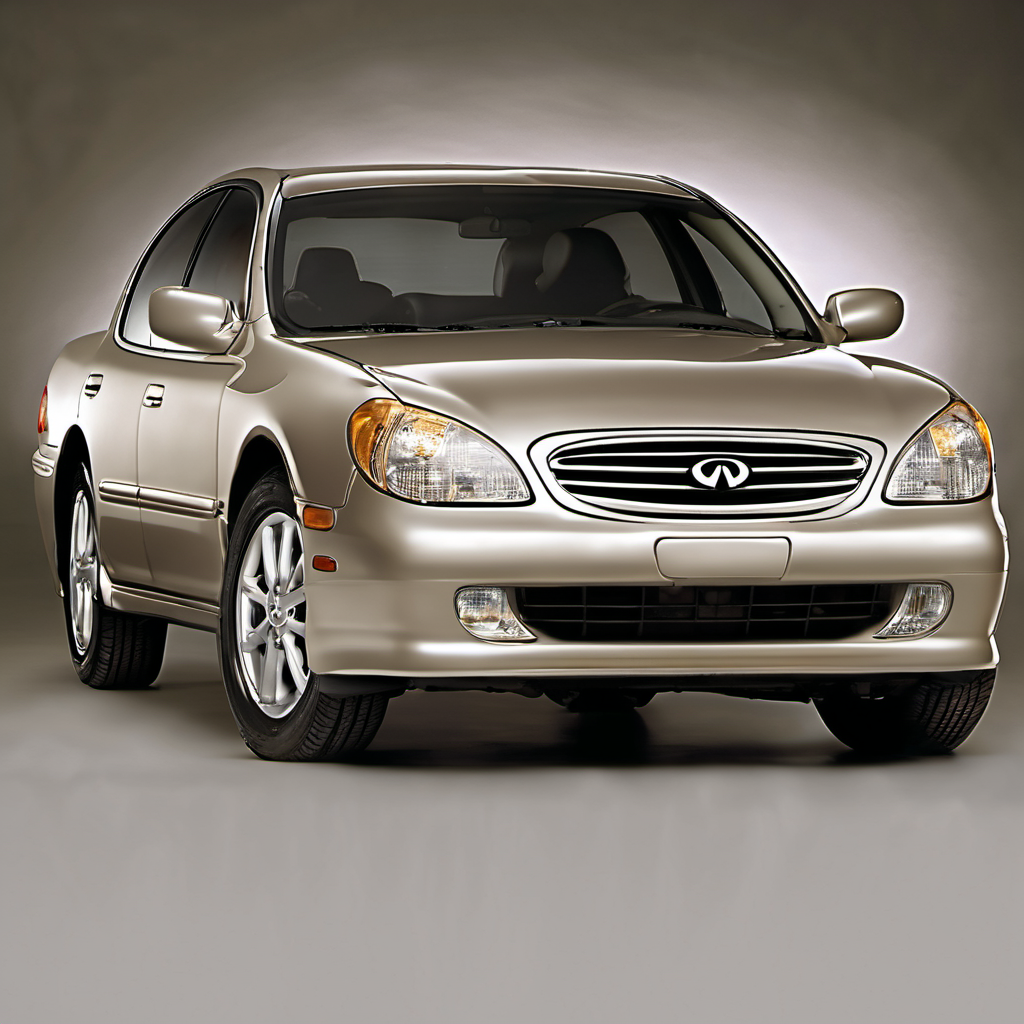
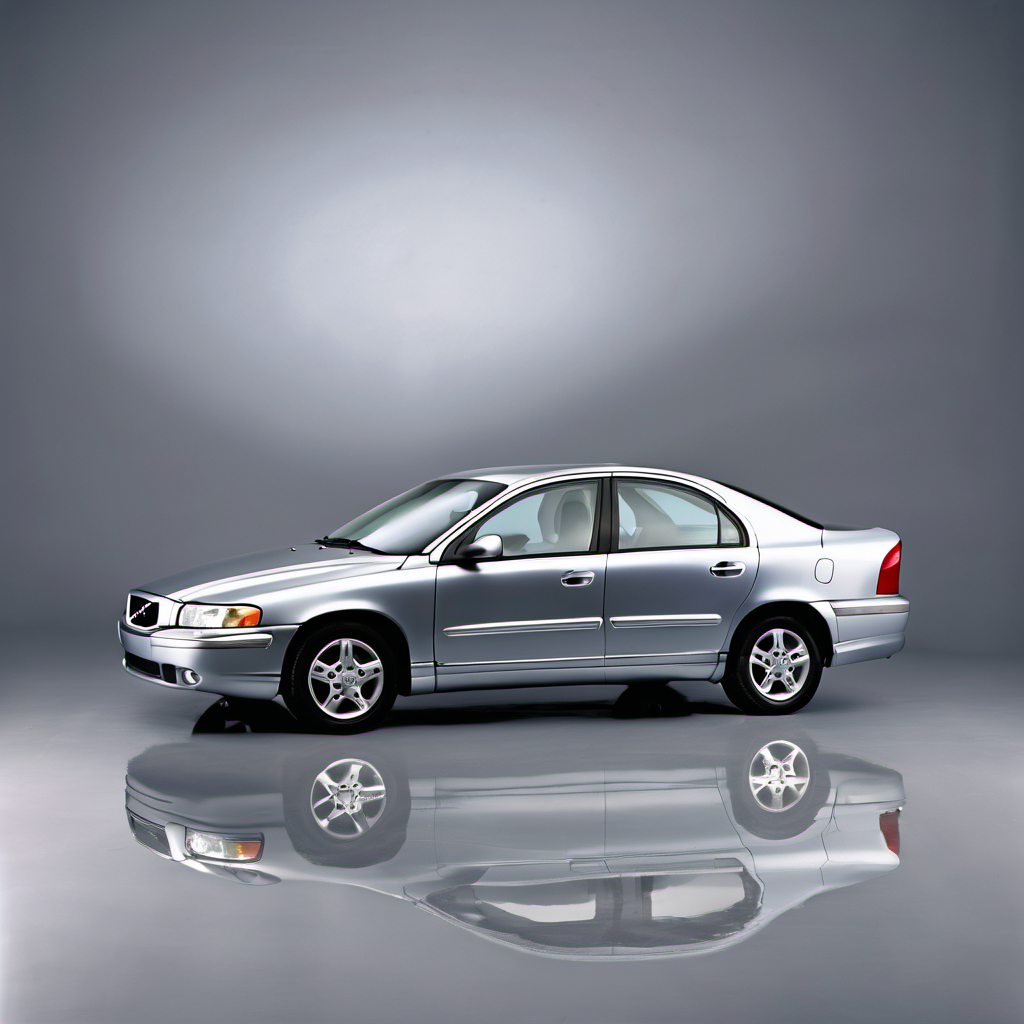
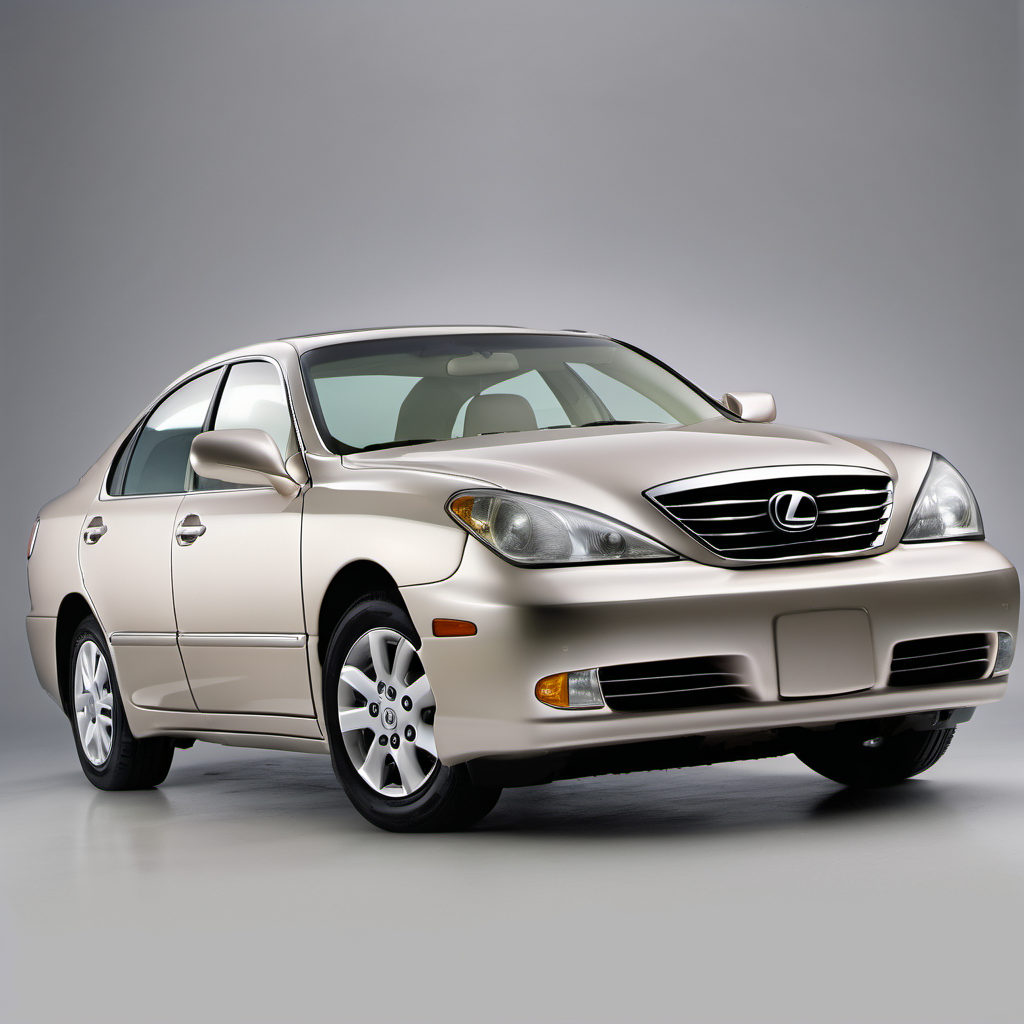
Comparable vehicles

If you're shopping for one

Red flags
  • Any transmission slip, shudder, or delayed shift — walk away or price in a full rebuild ($1,800–$3,500).
  • No transmission fluid service records on a car over 80,000 miles.
  • Active camshaft timing codes (P0012/P0015/P0022/P0025) without a clear diagnosis — could indicate engine sludge from neglected oil changes.
  • Visible brake line rust or bubbling on the underbody — safety and cost concern on a salt-belt car.
  • Coolant that is brown or rusty — indicates a neglected cooling system on a car where hose and gasket repairs are overdue.
  • Strong burnt smell from the transmission fluid dipstick — clutch packs are already cooked.
What to inspect
  • Transmission behavior: shift through all gears, check for slipping, delayed engagement, shuddering on light throttle, or harsh 2-3 upshifts — all are red flags for imminent failure.
  • Ask for transmission fluid service records; if none exist and mileage is over 80k, price the car assuming a transmission rebuild is needed.
  • Scan for active or stored codes — especially P0012, P0015, P0022, P0025 (camshaft timing) which point to oil pressure or actuator issues.
  • Check the power steering reservoir for fluid level and look under the car for oily residue around the rack and high-pressure hose.
  • Inspect all underbody brake lines and fuel lines for rust scale or pinhole corrosion — critical on any Wisconsin-driven car of this vintage.
  • Look for oil leaks at the valve cover gaskets and around the VTEC solenoid housing on the top of the engine.
  • Check motor mount condition: with the engine at idle, look for excessive vibration through the steering wheel or shifter.
AI profile generated 11 days ago · claude-sonnet-4-6 · v2.