VVT / Camshaft Timing Solenoid Failure
medium- Typically appears
- 80–150k mi
- Estimated repair
- $150 – $450
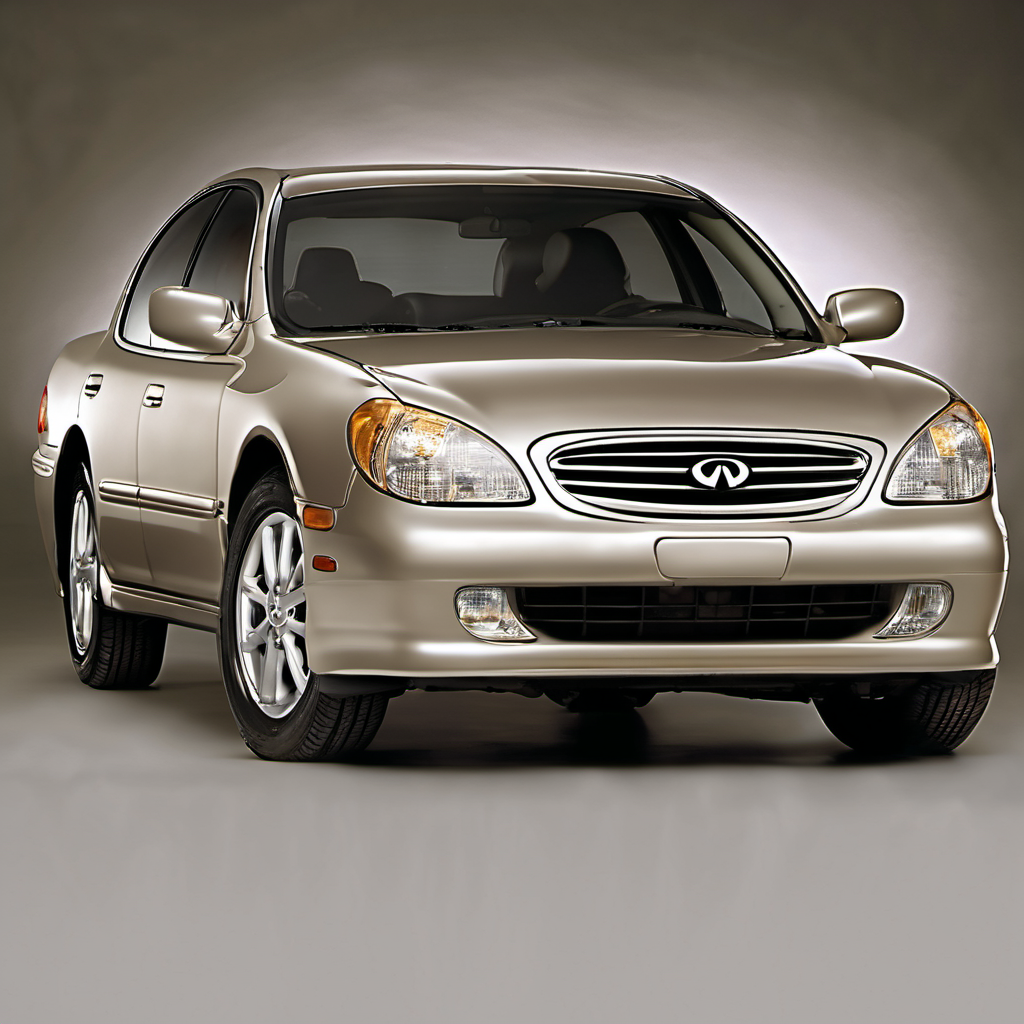
2003 INFINITI
3.5L V6 · Sedan
The 2003 Infiniti I35 is the final evolution of Infiniti's front-wheel-drive luxury sport sedan, based on the Nissan Maxima platform. It replaced the I30 nameplate and carried a refined 3.5L V6 paired with a 5-speed automatic, offering a blend of near-sport performance and genuine luxury appointments at a price below German rivals. By 2003, the I35 had matured into a well-sorted package with a strong engine, supportive seats, and a well-insulated cabin. It was never a driver's car in the traditional sense — FWD limits its sporting pretensions — but it earned a loyal following for its reliability, comfort, and value retention compared to European alternatives. At over 20 years old, survivors are typically high-mileage daily drivers. The VQ35DE engine is famously durable, but age-related issues — cooling system wear, oil consumption, and suspension bushings — are the real concerns on a used example today.
The 2003 Infiniti I35 is the final evolution of Infiniti's front-wheel-drive luxury sport sedan, based on the Nissan Maxima platform. It replaced the I30 nameplate and carried a refined 3.5L V6 paired with a 5-speed automatic, offering a blend of near-sport performance and genuine luxury appointments at a price below German rivals. By 2003, the I35 had matured into a well-sorted package with a strong engine, supportive seats, and a well-insulated cabin. It was never a driver's car in the traditional sense — FWD limits its sporting pretensions — but it earned a loyal following for its reliability, comfort, and value retention compared to European alternatives. At over 20 years old, survivors are typically high-mileage daily drivers. The VQ35DE engine is famously durable, but age-related issues — cooling system wear, oil consumption, and suspension bushings — are the real concerns on a used example today.
The VQ35DE's VVT system is oil-pressure-dependent. Sludge from extended intervals is the #1 cause of camshaft timing codes and solenoid failure. Use 5W-30 full synthetic.
Original coolant hoses and thermostat on a 20-year-old car are overdue. Flush to fresh long-life coolant and inspect all hoses for softness or cracking — especially important before Wisconsin winters.
V6 access to rear bank plugs requires more labor. If plug replacement history is unknown on a used purchase, budget for this job. Misfires on a neglected V6 can damage the catalytic converter.
Infiniti didn't always list this as scheduled maintenance, but fluid darkens and degrades over time. Fresh Nissan Matic-D or equivalent fluid extends 5-speed automatic life on a 20-year-old vehicle.
Brake fluid is hygroscopic. Wisconsin road salt also accelerates caliper and brake hardware corrosion. Fresh fluid maintains boiling point and protects against internal corrosion.
A clogged air filter restricts airflow to the VQ35 and hurts fuel economy and power. Easy DIY check.
Road salt attacks control arm hardware, brake lines, and subframe bolts. Annual undercarriage inspection catches corrosion before it becomes a safety issue or a costly repair.
The VQ35DE needs a strong crank in sub-zero temps. Original or aging batteries fail fast in Lake Geneva winters. Load-test every fall; replace at first sign of weakness.
Always defer to the manufacturer's service manual for warranty-mandated intervals.
The I35 is a low-cost luxury car to own relative to its original segment. Parts are shared with the Nissan Maxima, keeping costs down. The main financial risk on a used example is deferred maintenance catching up — cooling system, suspension, and VVT-related repairs can cluster if the car has been neglected. A well-maintained example with documented history keeps annual costs in the lower range.
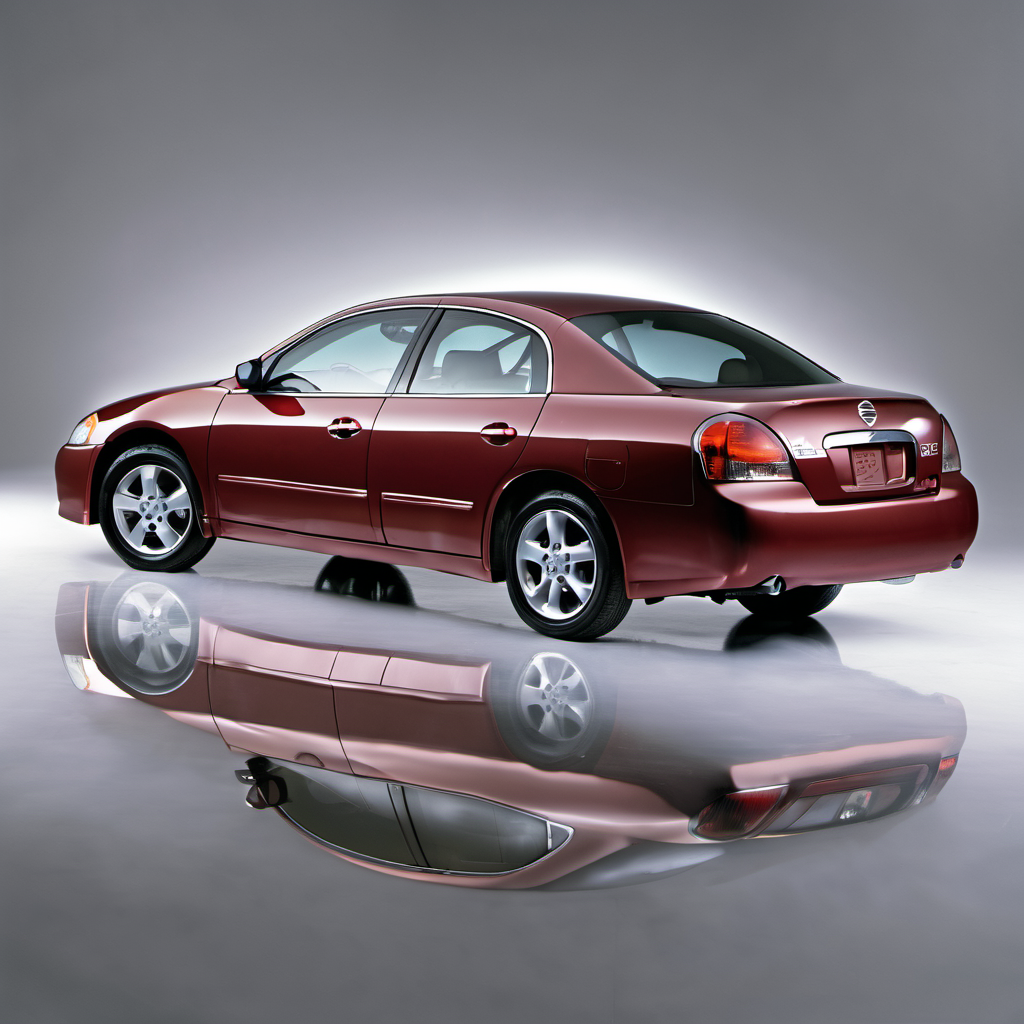
Mechanically near-identical — same VQ35DE engine, same platform, similar dimensions. The Maxima is cheaper to source parts for and has a larger used-parts ecosystem. If budget matters more than badge, the Maxima is the rational pick.
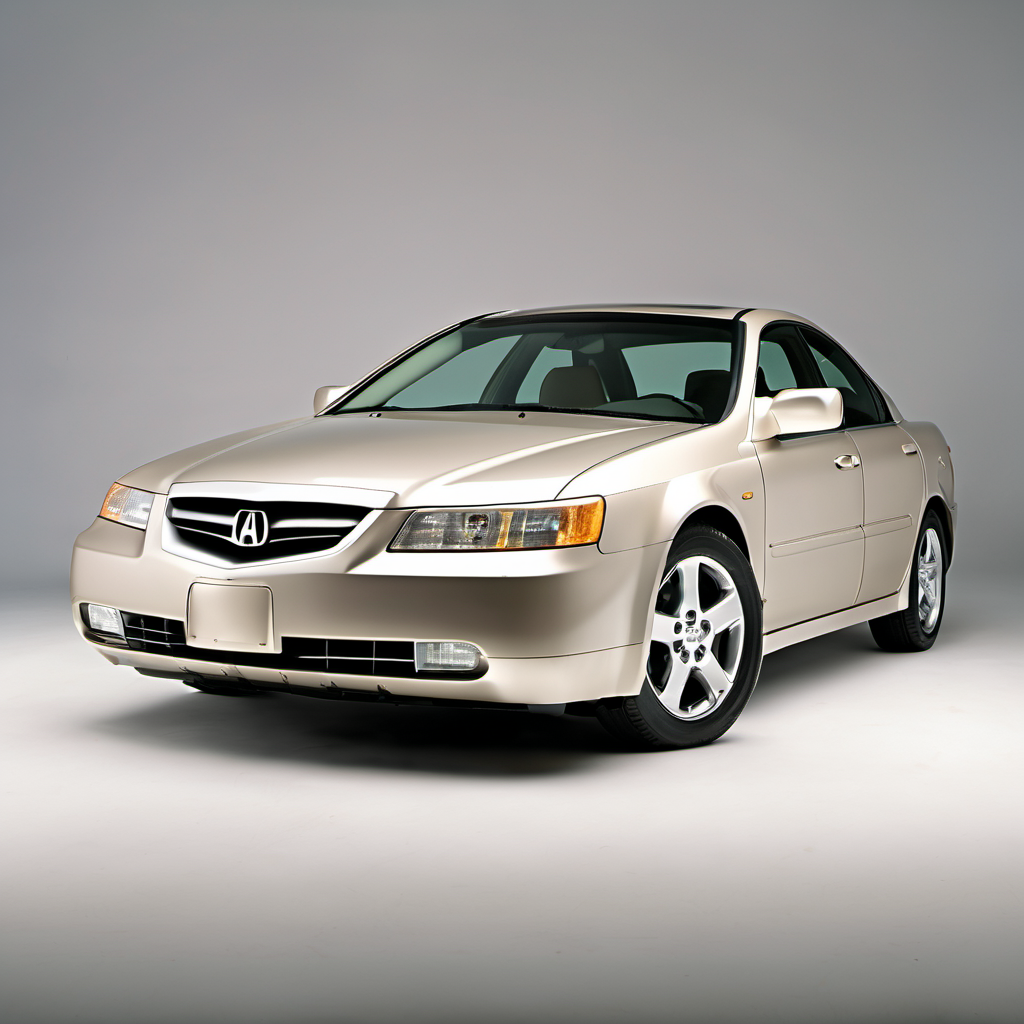
Direct competitor in the FWD V6 luxury sedan space. The 3.2 TL has a similarly durable Honda V6 and a comparable luxury spec. Slightly more conservative styling but similar ownership cost profile.
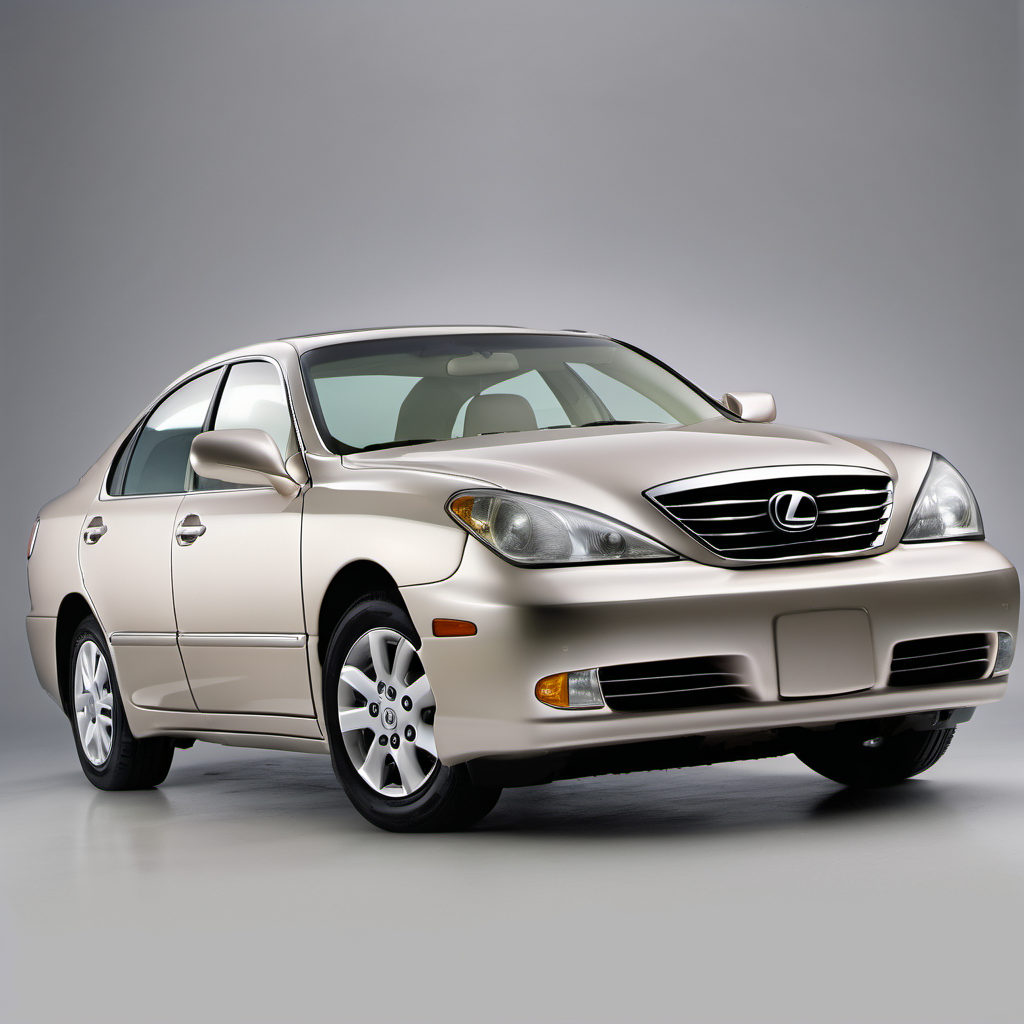
Toyota's FWD luxury sedan with a 3.0L V6. Slightly less power than the I35 but arguably even more reliable long-term. Parts availability and dealer support remain strong, a real advantage on a 20-year-old car.
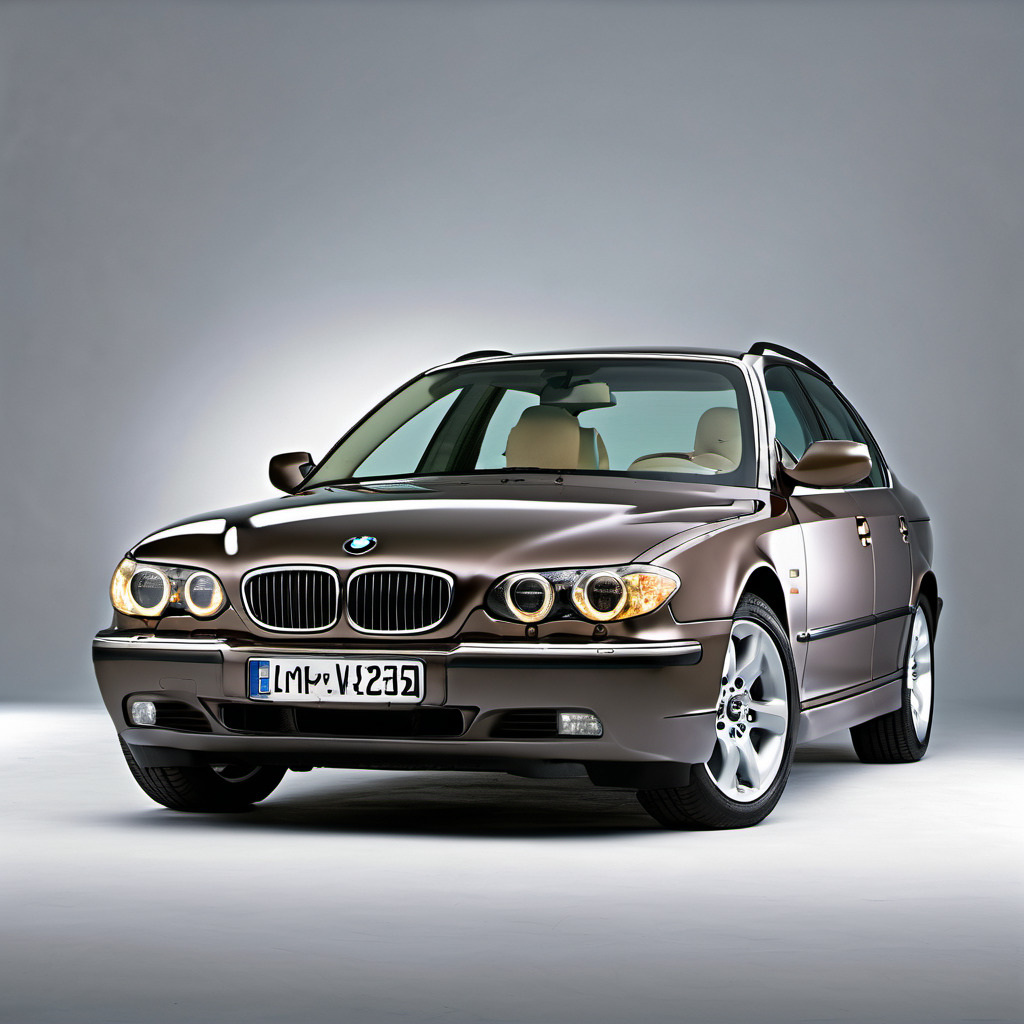
RWD alternative at a similar used-market price point. The E39/E60 5 Series offers better driving dynamics but significantly higher maintenance costs, parts expense, and complexity. The I35 wins on long-term ownership cost.