Automatic Transmission (41TE) Failure
high- Typically appears
- 80–130k mi
- Estimated repair
- $1,400 – $2,800
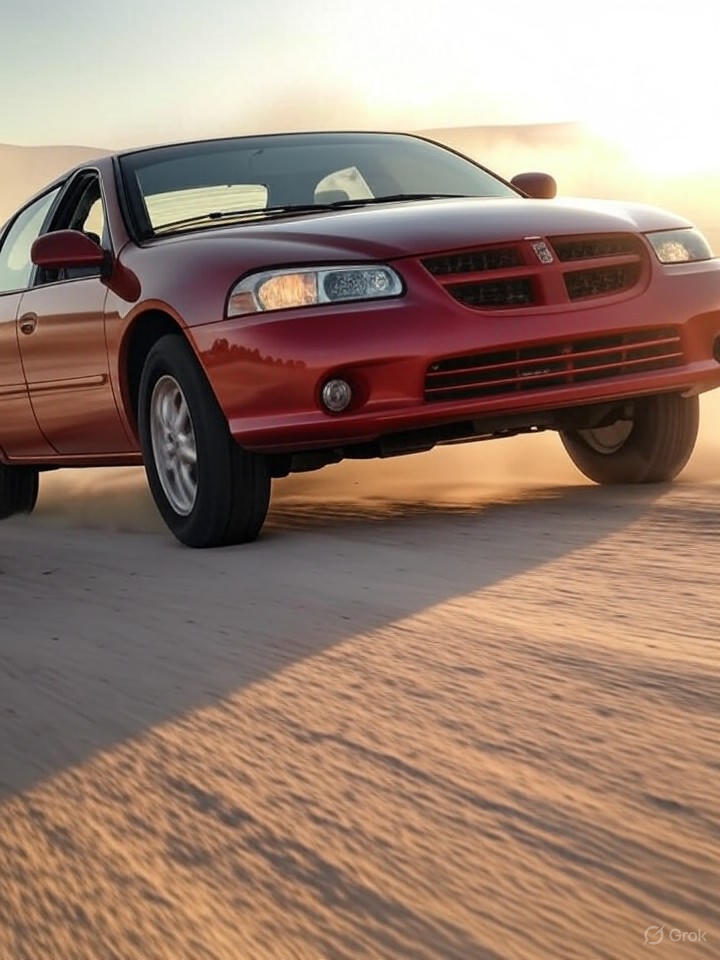
2003 Dodge
Sedan
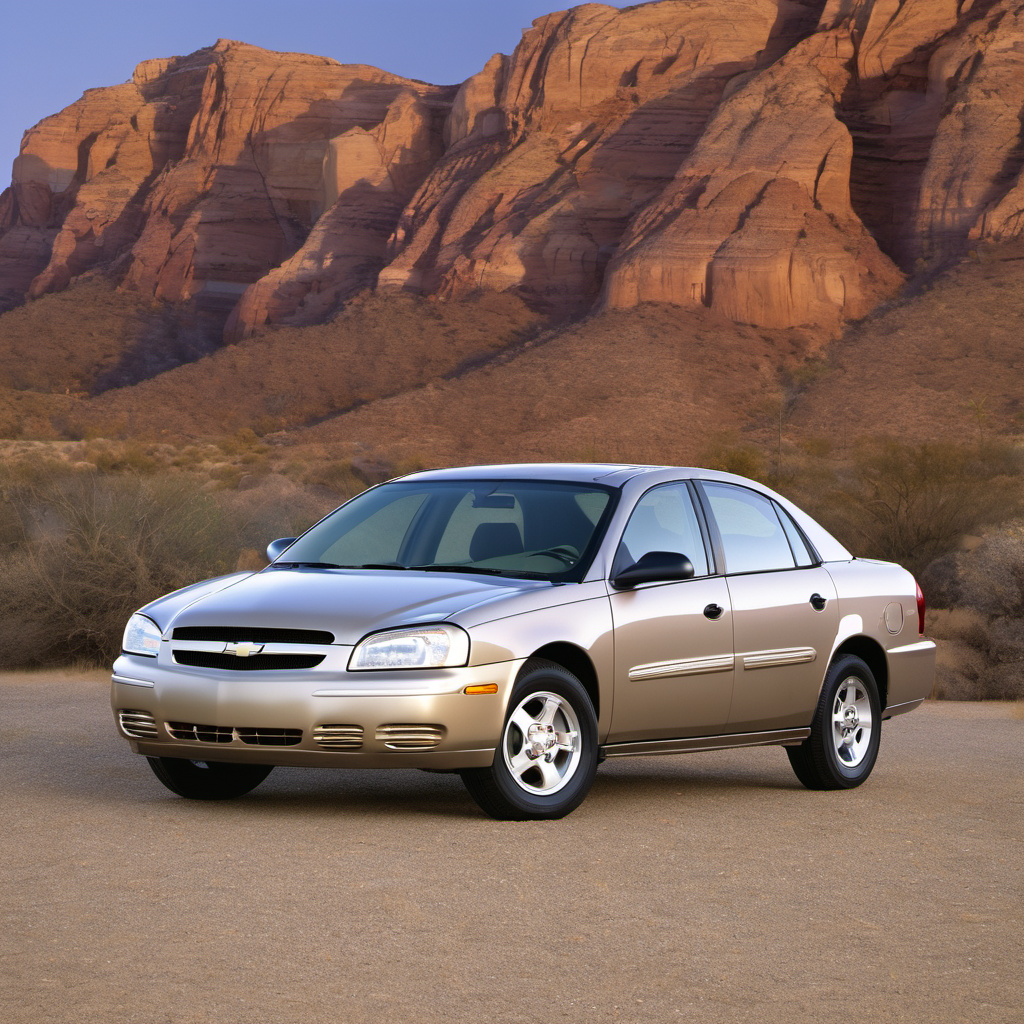
The 2003 Dodge Stratus Sedan is a front-wheel-drive midsize car built on the Chrysler JA platform, sharing its bones with the Chrysler Sebring Sedan. It was Dodge's answer to the Toyota Camry and Honda Accord — a comfortable, affordable family sedan with a smooth ride. By 2003, the second-generation Stratus had been on sale for a few years and was a popular fleet and entry-level family purchase. The base 2.4L four-cylinder is adequate for daily driving but unexciting. The bigger concern for any used Stratus is its mixed long-term reliability record — this generation earned a reputation for cooling system problems, automatic transmission issues, and interior quality that ages poorly. Parts are cheap and widely available, and independent shops know these cars well, which keeps repair costs manageable. At 20+ years old, surviving examples are best viewed as budget transportation. Expect to spend money on deferred maintenance. A well-documented, single-owner example with service records is worth paying a small premium for — most aren't that.
The 2003 Dodge Stratus Sedan is a front-wheel-drive midsize car built on the Chrysler JA platform, sharing its bones with the Chrysler Sebring Sedan. It was Dodge's answer to the Toyota Camry and Honda Accord — a comfortable, affordable family sedan with a smooth ride. By 2003, the second-generation Stratus had been on sale for a few years and was a popular fleet and entry-level family purchase. The base 2.4L four-cylinder is adequate for daily driving but unexciting. The bigger concern for any used Stratus is its mixed long-term reliability record — this generation earned a reputation for cooling system problems, automatic transmission issues, and interior quality that ages poorly. Parts are cheap and widely available, and independent shops know these cars well, which keeps repair costs manageable. At 20+ years old, surviving examples are best viewed as budget transportation. Expect to spend money on deferred maintenance. A well-documented, single-owner example with service records is worth paying a small premium for — most aren't that.
The 41TE is sensitive to degraded fluid. If service history is unknown, change it immediately but avoid flushing a very high-mileage unit that's never been serviced — a fresh fluid change can disturb built-up varnish and accelerate failure.
The 2.4L is prone to head gasket failure tied to cooling system neglect. Check for milky oil, sweet exhaust smell, and reservoir level drops. Use OAT coolant as specified.
Belt failure at this age is common and can strand you. Tensioner pulleys wear alongside the belt — replace together.
Stock platinum plugs last 30k; copper plugs less. Ignition wires on a 20-year-old car are often cracked and misfiring.
Road salt accelerates brake line corrosion on these cars. A rusted-through line is a sudden brake failure risk. Inspect the full length underneath every spring.
Cold cranking is hard on aging batteries. The 2.4L needs a strong battery to start reliably at sub-zero temps. Clean terminals reduce voltage drop.
Worn or out-of-spec suspension components — common at this age — cause uneven tire wear. Catching alignment issues early saves tires and reveals worn front-end parts.
Rack leaks are common. Low fluid accelerates pump and rack wear. Check level and look for wet spots under the front of the car.
Always defer to the manufacturer's service manual for warranty-mandated intervals.
The Stratus is cheap to insure and cheap to fuel, but a used example at this age carries real risk of a large one-time repair — particularly transmission or head gasket. Budget $600–$1,400/yr for routine upkeep in a best-case scenario, and keep a $1,500–$2,000 repair reserve. If that repair reserve would total more than the car's value, think carefully before buying.
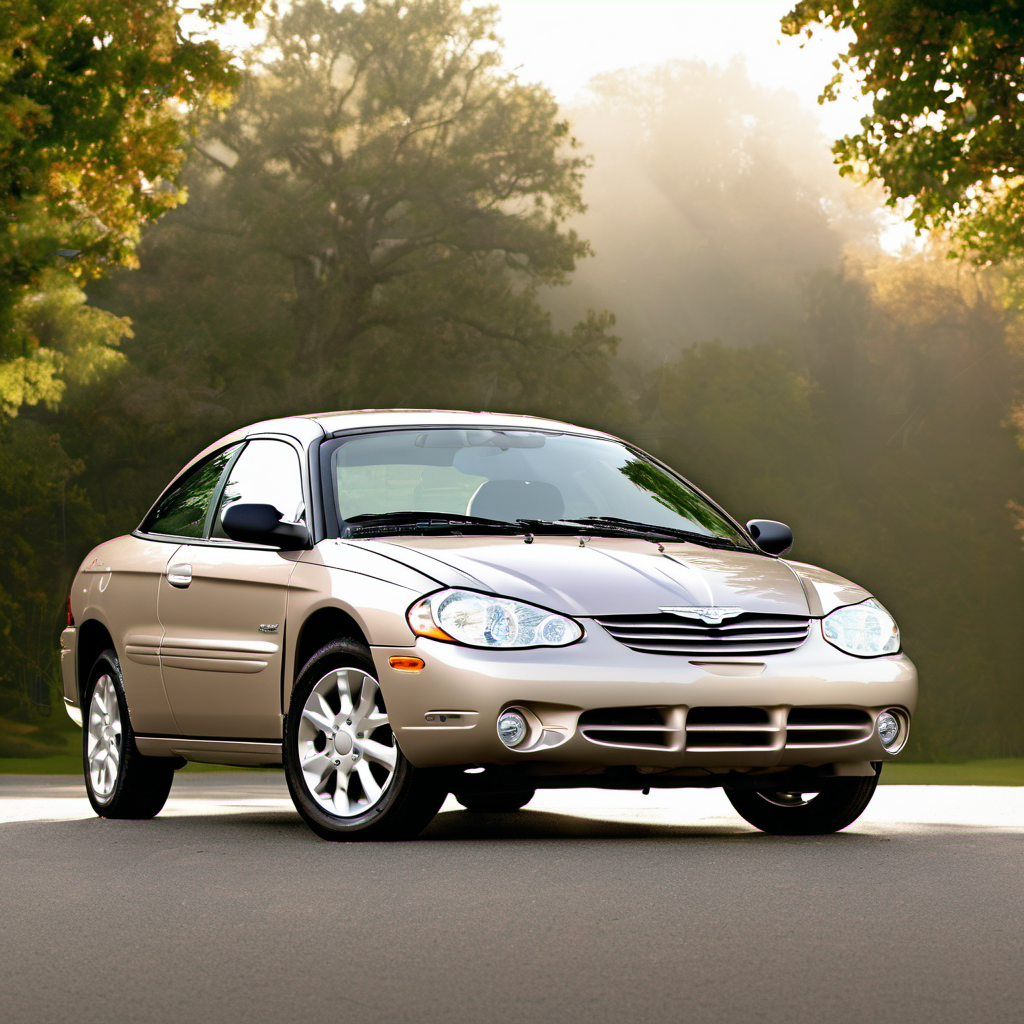
Shares the JA platform, same engines, many identical parts. If you find a Sebring in better condition for similar money, it's essentially the same car with different badges.
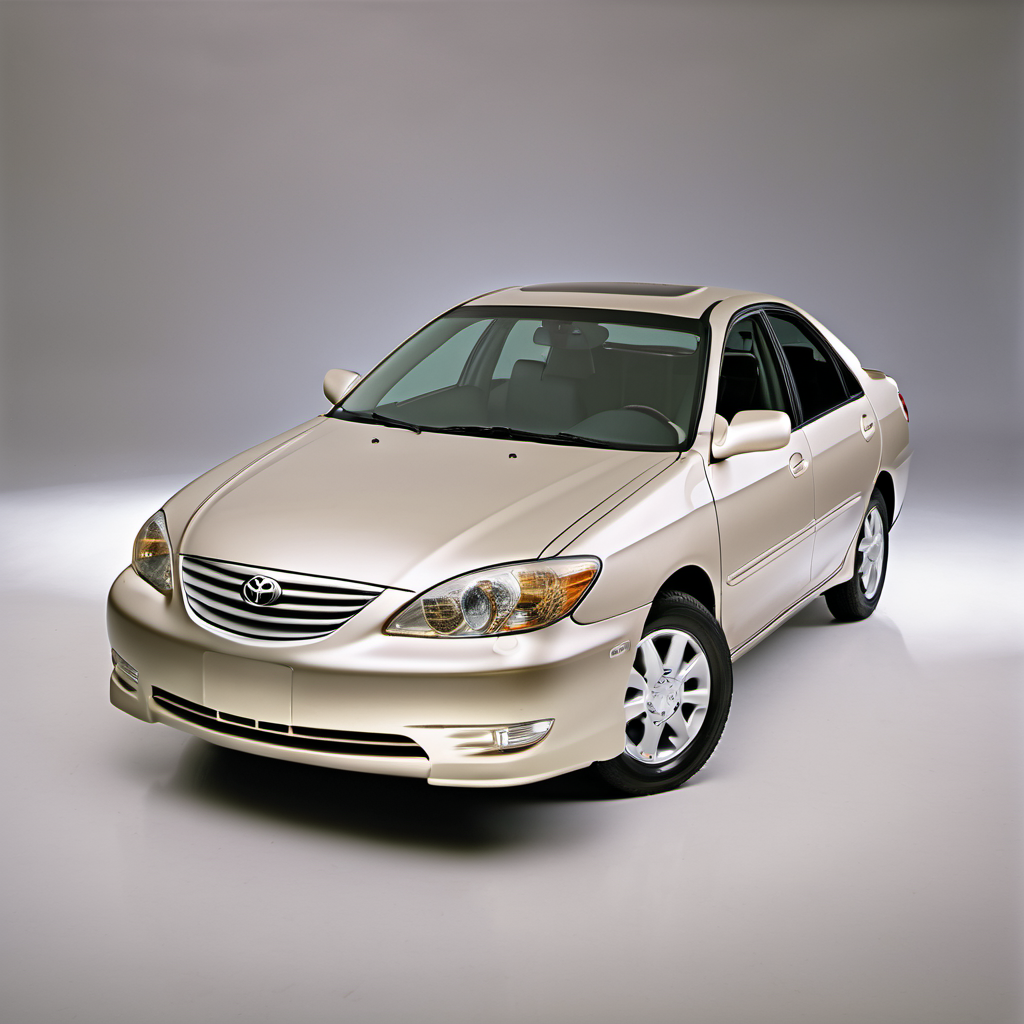
Same segment, similar price used — but significantly better long-term reliability. Worth paying more for a higher-mileage Camry over a lower-mileage Stratus.
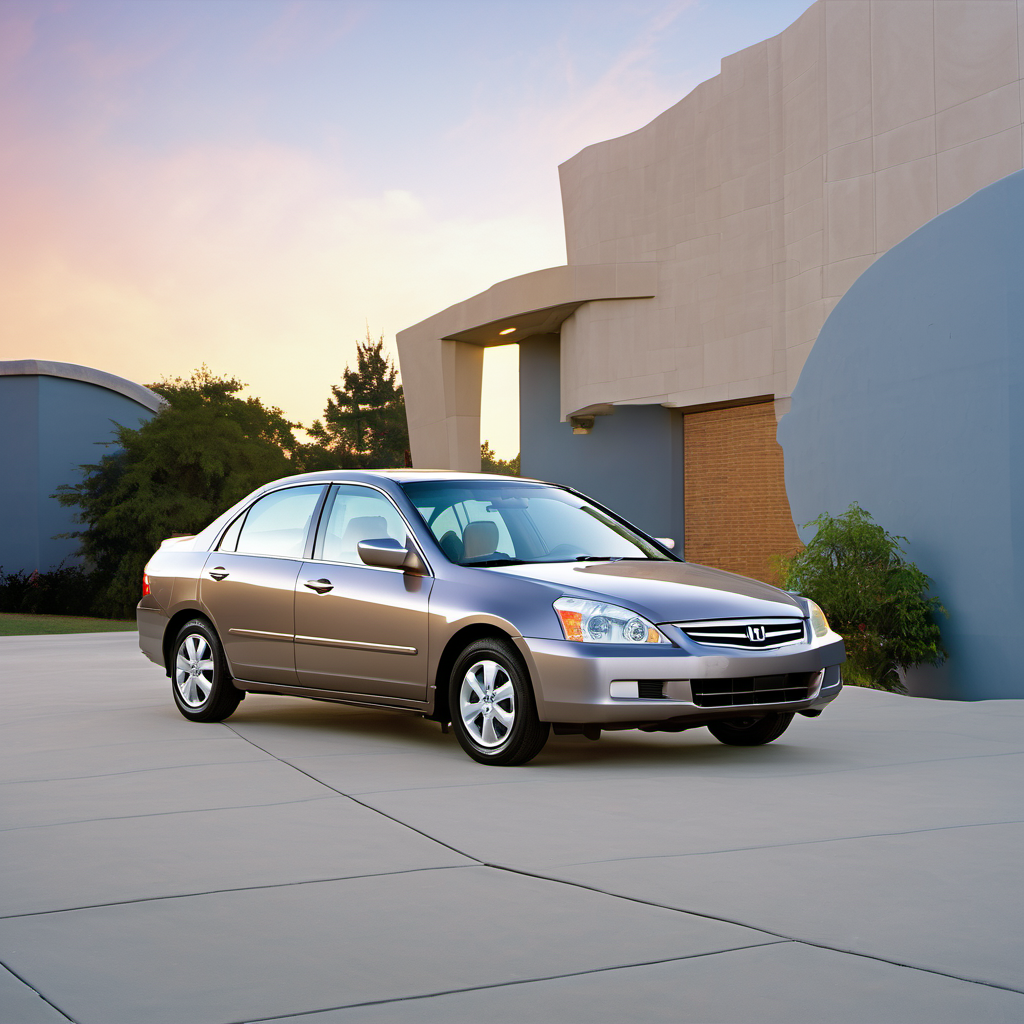
Direct competitor, more reliable powertrain and transmission, holds up better at high mileage. Parts are slightly more expensive but failures are less frequent.
Another domestic midsize sedan in the same price band. Similar age-related concerns; comparable reliability to the Stratus. Easier to find low-rust examples depending on history.