Cooling system failure (water pump / thermostat)
high- Typically appears
- 80–130k mi
- Estimated repair
- $250 – $550
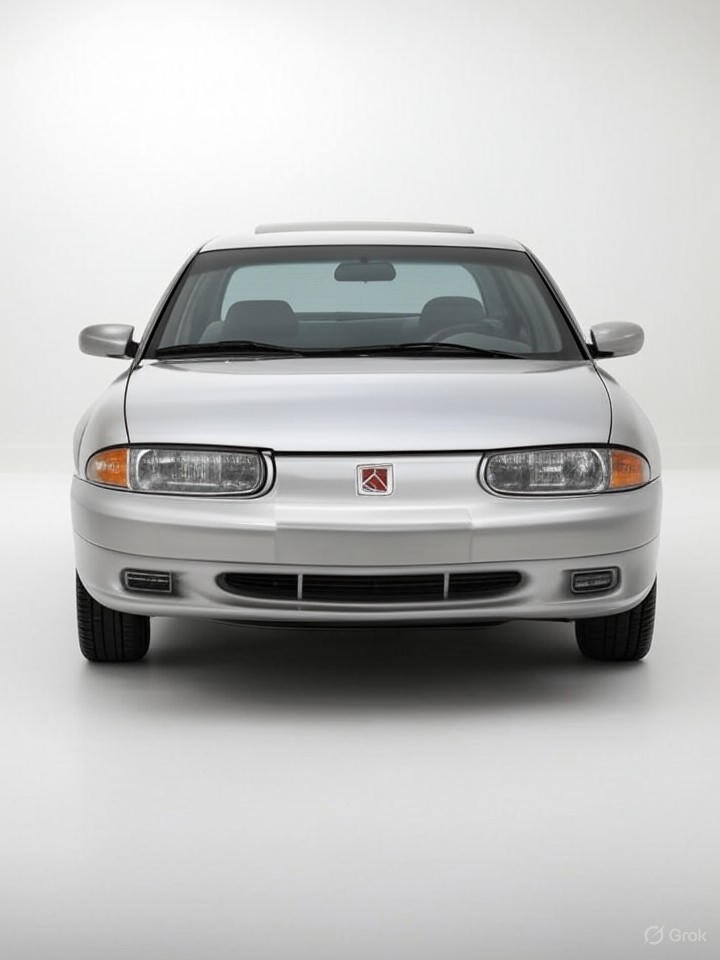
2002 Saturn
2.2L I4 Ecotec · Sedan
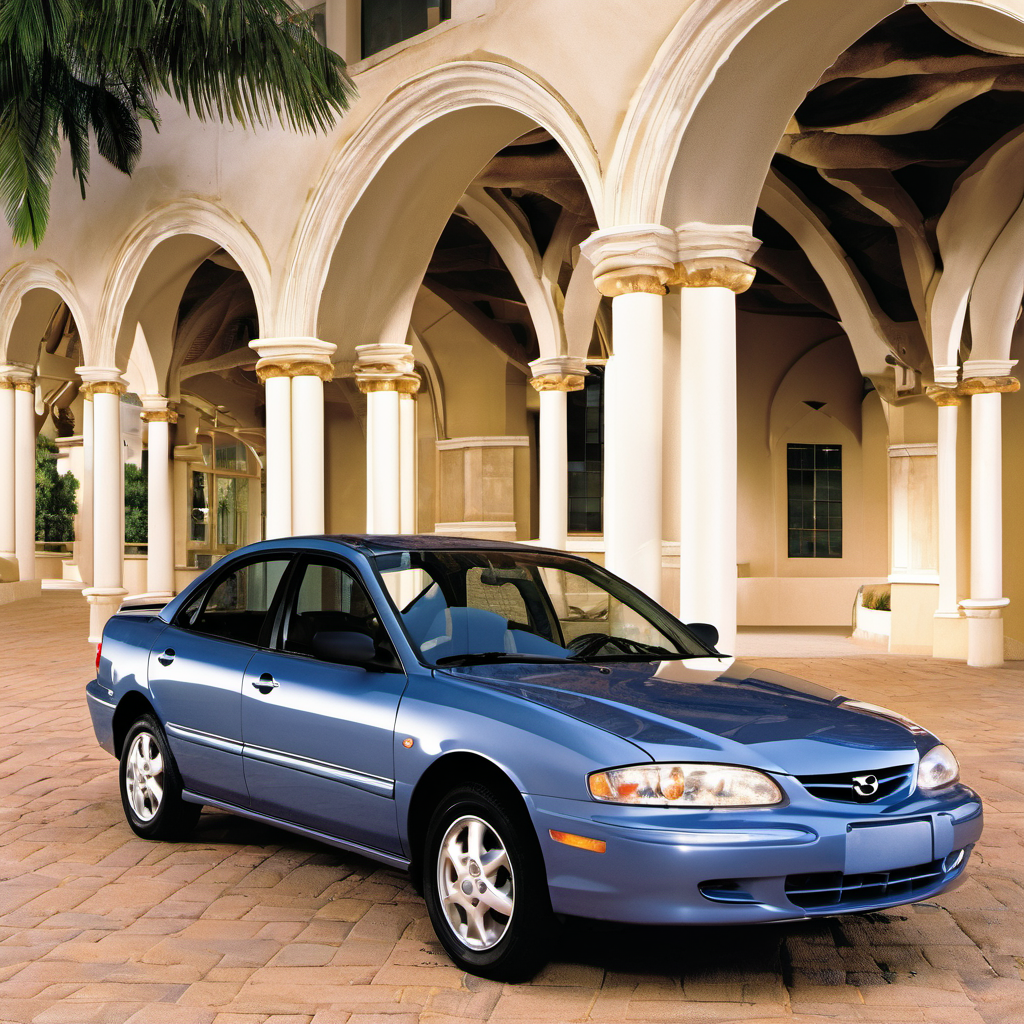
The 2002 Saturn L-Series is a front-wheel-drive compact/mid-size sedan that represented Saturn's attempt to move upmarket from its S-Series. Built on a platform shared with the Opel Vectra, it offered a more European feel than most domestic rivals of the era, with a smoother ride and a stiffer body structure than the outgoing S-Series. The L-Series came with either a 2.2L Ecotec four-cylinder or a 3.0L V6, paired with either a five-speed manual or four-speed automatic. By 2002 the L300 V6 trim was the volume seller, but the four-cylinder L200 was the better long-term value proposition due to lower complexity and better parts availability. Saturn's unique polymer door panels resisted minor dings well, but the underlying steel structure was still fully susceptible to rust — a real concern for a Wisconsin car now over 20 years old. Saturn discontinued the L-Series after 2005, and GM's decision to shut down the Saturn brand in 2009 means dealer support is gone entirely. Parts availability has thinned, especially for the V6 and its specific electronics. At this age, any surviving L-Series is a high-mileage or low-use survivor, and its value is strictly as budget transportation.
The 2002 Saturn L-Series is a front-wheel-drive compact/mid-size sedan that represented Saturn's attempt to move upmarket from its S-Series. Built on a platform shared with the Opel Vectra, it offered a more European feel than most domestic rivals of the era, with a smoother ride and a stiffer body structure than the outgoing S-Series. The L-Series came with either a 2.2L Ecotec four-cylinder or a 3.0L V6, paired with either a five-speed manual or four-speed automatic. By 2002 the L300 V6 trim was the volume seller, but the four-cylinder L200 was the better long-term value proposition due to lower complexity and better parts availability. Saturn's unique polymer door panels resisted minor dings well, but the underlying steel structure was still fully susceptible to rust — a real concern for a Wisconsin car now over 20 years old. Saturn discontinued the L-Series after 2005, and GM's decision to shut down the Saturn brand in 2009 means dealer support is gone entirely. Parts availability has thinned, especially for the V6 and its specific electronics. At this age, any surviving L-Series is a high-mileage or low-use survivor, and its value is strictly as budget transportation.
The 2.2L Ecotec is sensitive to oil quality. Extended intervals accelerate sludge buildup in the VVT passages and accelerate wear on timing chain components. Use the manufacturer-recommended 5W-30.
The L-Series cooling system is a known weak point. Fresh coolant maintains proper inhibitor protection; a pressure test catches water pump or gasket seepage before it becomes an overheat event.
GM's 4T40-E automatic is not a sealed unit. Fresh Dexron fluid preserves solenoid pack function, which is the most common expensive failure on this transmission.
This car is now 22+ years old and living in Wisconsin salt country. Subframe rust is a safety and structural issue. Annual inspection and rust-inhibitor application can extend service life significantly.
The Ecotec 2.2L benefits from fresh plugs on schedule; worn plugs stress the ignition coils, which are not cheap on this platform.
Brake fluid absorbs moisture over time, lowering boiling point and accelerating caliper and ABS modulator corrosion — especially relevant in a high-humidity, salt-use environment.
Cold-cranking capacity drops sharply below 0°F. A battery that passes a basic voltage check in September can still fail to start the car in January in Lake Geneva. Load test before winter every year.
Belt failure leaves you stranded and can cause overheating. The tensioner pulley bearing is a common failure point on higher-mileage Ecotec engines.
Always defer to the manufacturer's service manual for warranty-mandated intervals.
The L-Series is cheap to acquire but costs are unpredictable at this age. Routine maintenance is affordable — parts for the 2.2L Ecotec are still reasonably priced through the GM aftermarket network. The danger zone is deferred maintenance: a neglected cooling system or transmission can produce $800–$2,500 repair bills that exceed the car's market value. Budget for surprises, especially rust-related structural work.
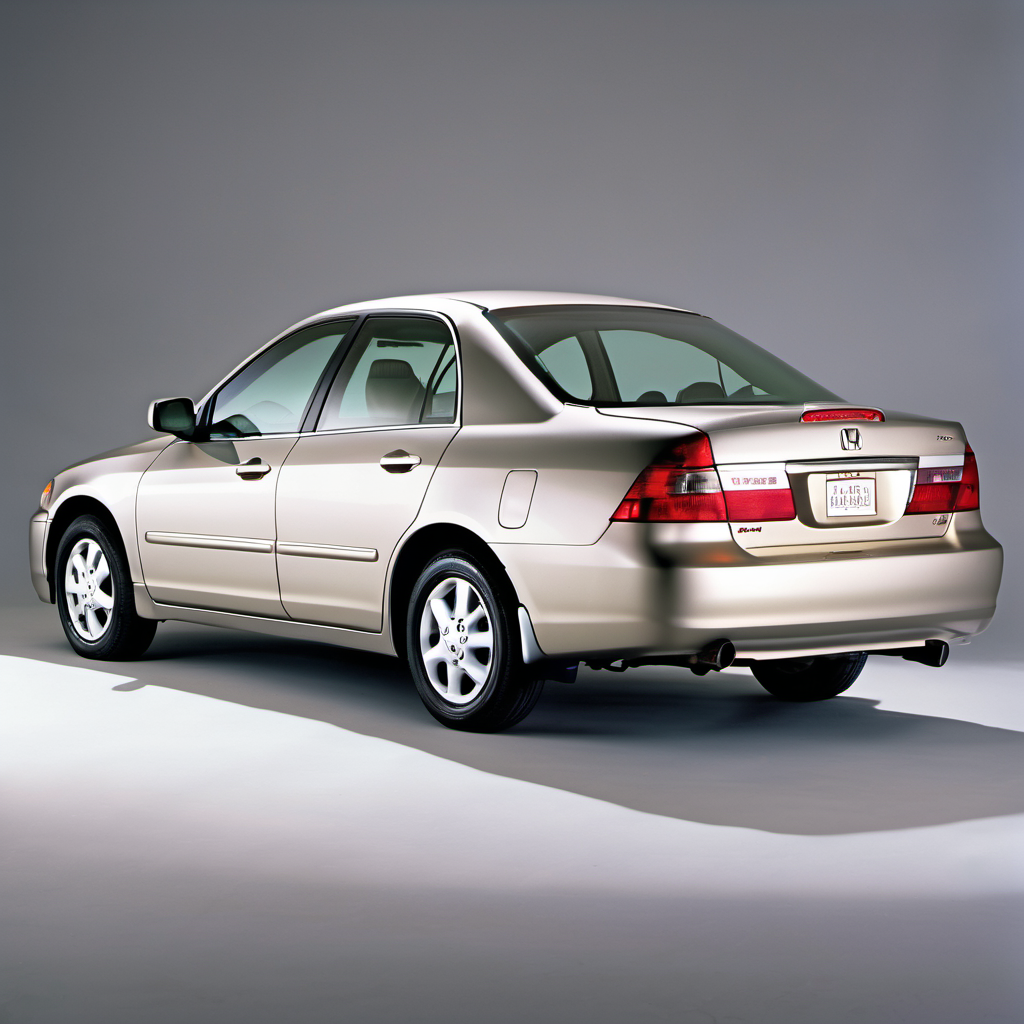
Same segment, similar price when new, significantly better long-term reliability and parts availability — the gold standard comparison for a budget sedan buyer.
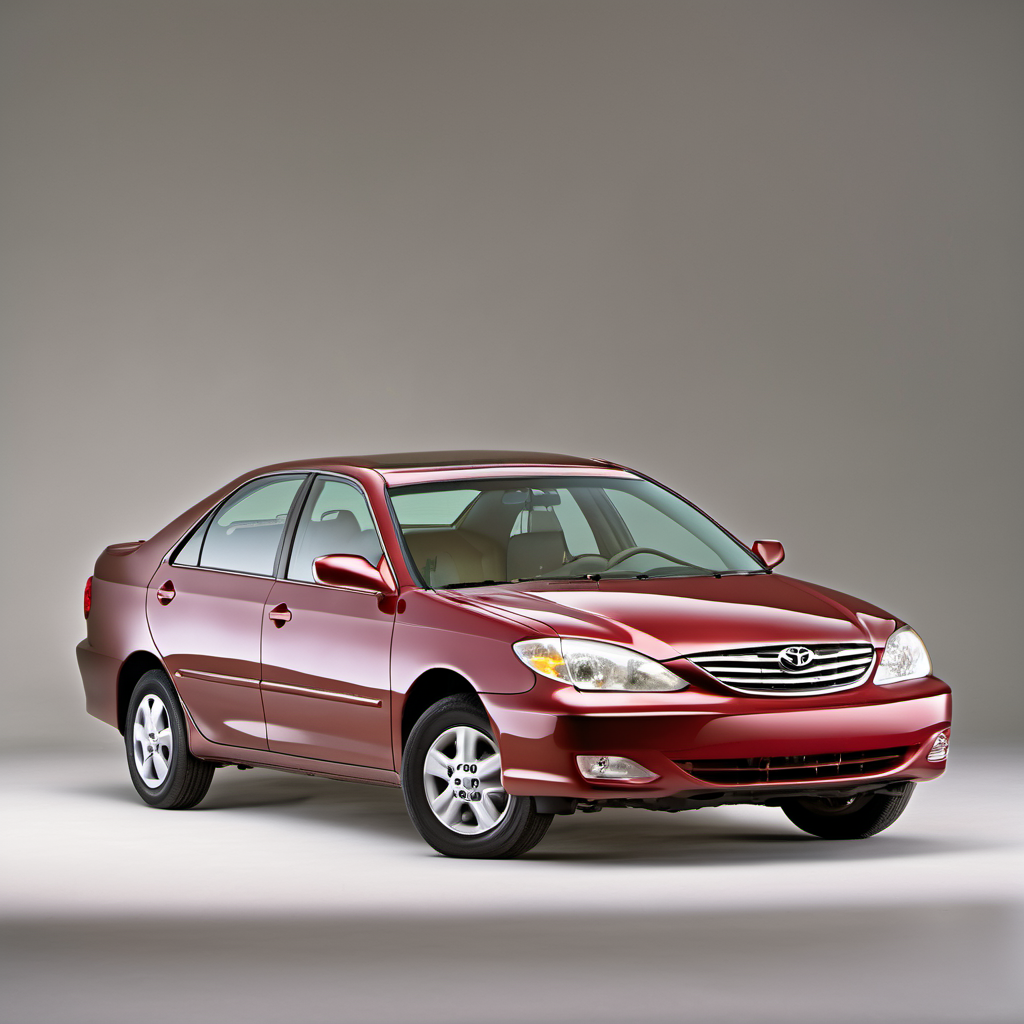
Near-identical mission and price bracket; far stronger reliability track record and much easier to source parts for in 2024.
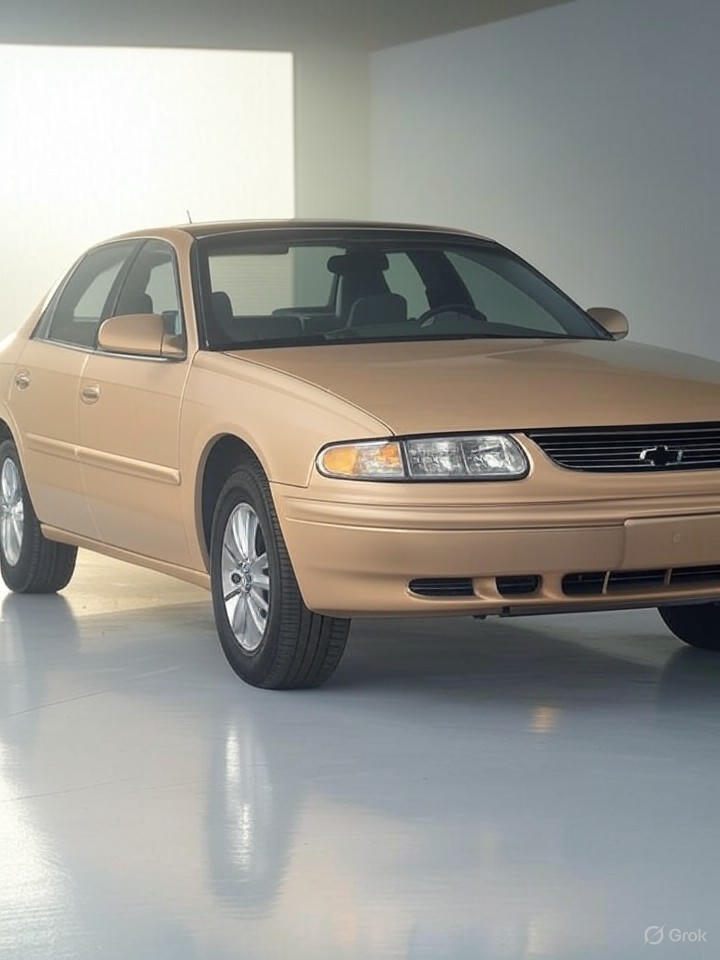
GM stablemate from the same era with similar pricing; shares some drivetrain DNA and has better remaining parts support than the Saturn.
Similar European-influenced compact/mid-size sedan with a more driver-focused character; comparable age and market value today.