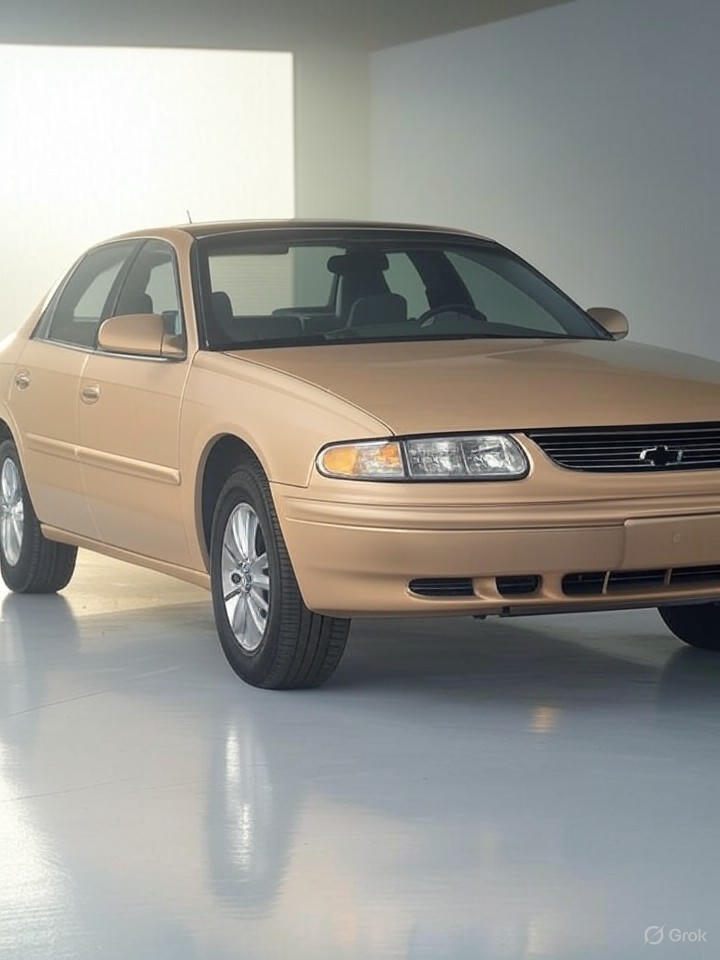
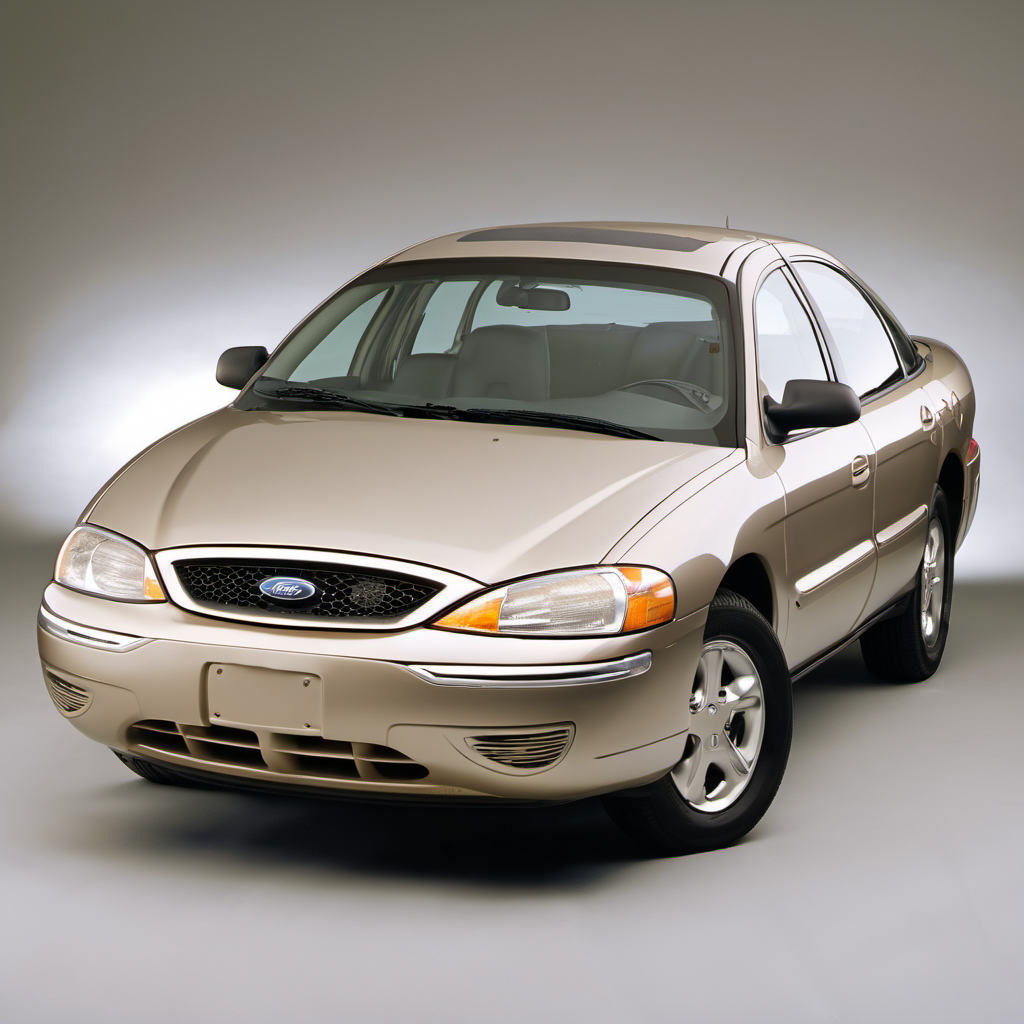
2002 Chevrolet Malibu Sedan

2002 Chevrolet

MalibuSedan

Sedan

The 2002 Chevrolet Malibu is a front-wheel-drive midsize sedan built on GM's N-body platform. It was a solid, no-frills family hauler offered at an accessible price point — straightforward to own and relatively easy to work on at an independent shop. The 3.1L V6 is the volume engine and delivers adequate power for everyday driving, though fuel economy is unremarkable by modern standards. This generation (1997–2003) was a significant improvement over its predecessor and helped re-establish the Malibu nameplate, but it carried some persistent GM platform-era weaknesses — particularly around the intake manifold gasket and lower-end cooling system components. Parts are cheap and widely available, which keeps repair costs manageable. At this point in its life, a 2002 Malibu is a high-mileage used-car proposition. If maintained, the 3.1L can soldier on well past 150k miles, but deferred maintenance catches up fast. Buy one with documented service history or budget for catch-up work.

Reliability
3/5
Verified data
Specs shown for Malibu — the most common configuration. Other trims may vary in engine, drivetrain, or fuel economy. Sign in to see your vehicle's exact specs.
Engine
[object Object]
Drivetrain
FWD
Fuel
Gasoline
MPG
18 city / 26 hwy / 21 combined
Seats
Doors
Body
Midsize Cars

Overview

AI-curated

The 2002 Chevrolet Malibu is a front-wheel-drive midsize sedan built on GM's N-body platform. It was a solid, no-frills family hauler offered at an accessible price point — straightforward to own and relatively easy to work on at an independent shop. The 3.1L V6 is the volume engine and delivers adequate power for everyday driving, though fuel economy is unremarkable by modern standards. This generation (1997–2003) was a significant improvement over its predecessor and helped re-establish the Malibu nameplate, but it carried some persistent GM platform-era weaknesses — particularly around the intake manifold gasket and lower-end cooling system components. Parts are cheap and widely available, which keeps repair costs manageable. At this point in its life, a 2002 Malibu is a high-mileage used-car proposition. If maintained, the 3.1L can soldier on well past 150k miles, but deferred maintenance catches up fast. Buy one with documented service history or budget for catch-up work.

Known for
  • Affordable, widely available repair parts
  • 3.1L V6 that's durable when coolant system is maintained
  • Comfortable, roomy interior for its segment and era
  • Simple FWD platform easy for independent shops to service
Best for
  • Budget-conscious commuters needing a reliable A-to-B sedan
  • Buyers comfortable with older vehicles and minor upkeep
  • Urban and suburban driving with occasional highway use
Watch for
  • Intake manifold gasket leaks — the single biggest failure on the 3.1L
  • Lower intake gasket coolant intrusion leading to engine damage if ignored
  • Worn struts and suspension bushings on higher-mileage examples
  • Age-related electrical gremlins and brittle plastic trim

Common issues by mileage

6 known

Intake Manifold Gasket Failure (Lower)

high
Typically appears
60–120k mi
Estimated repair
$350 – $650

Oxygen Sensor / O2 Heater Circuit Failure

medium
Typically appears
80–150k mi
Estimated repair
$120 – $280

Strut and Strut Mount Wear

high
Typically appears
80–130k mi
Estimated repair
$300 – $600

Wheel Bearing Failure

medium
Typically appears
90–150k mi
Estimated repair
$200 – $400

Coolant Reservoir / Thermostat Housing Leaks

medium
Typically appears
70–130k mi
Estimated repair
$80 – $220

Ignition Switch / Passlock Security System Issues

medium
Typically appears
80k+ mi
Estimated repair
$100 – $350

Maintenance schedule

  1. 1
    Every 2 years or 30k miles Coolant flush and system inspection

    The 3.1L's plastic intake manifold gaskets degrade faster when coolant is old or mixed incorrectly. Using the correct Dex-Cool (or full flush to conventional) and keeping the system clean dramatically extends gasket life.

  2. 2
    Every 30–40k miles Transmission fluid change (4T40-E)

    GM rated this fluid for longer intervals, but real-world use in stop-and-go or aging vehicles benefits from more frequent changes. Fresh fluid keeps the transmission shifting cleanly.

  3. 3
    Every 30k miles (conventional plugs) Spark plug and wire replacement

    The 3.1L uses conventional plugs that wear on schedule. Worn plugs cause rough idle, misfires, and reduced fuel economy on an engine already showing its age.

  4. 4
    Every 60k miles or at signs of cracking Serpentine belt inspection and replacement

    Belt failure leaves you stranded. On a vehicle this age, inspect annually for glazing, cracking, or fraying regardless of mileage.

  5. 5
    Every 2–3 years Brake fluid flush

    Moisture-saturated brake fluid lowers boiling point and accelerates caliper and ABS component corrosion — especially important in Wisconsin's salt-heavy winters.

  6. 6
    Annually, or with every tire rotation Tie rod end and ball joint inspection

    Suspension wear is accelerated by Wisconsin road conditions. Loose tie rods cause wandering and uneven tire wear; catch them early before they become a safety issue.

  7. 7
    Every fall before winter season Battery load test

    A marginal battery that starts the car in September will likely fail at -10°F in January. The 3.1L is not a hard starter, but a weak battery stresses the alternator too.

  8. 8
    Every 20–30k miles Air filter and PCV valve replacement

    A clogged PCV valve on the 3.1L can push crankcase pressure into the intake, accelerating oil consumption and seal wear on an older engine.

Always defer to the manufacturer's service manual for warranty-mandated intervals.

Cost of ownership

Annual maintenance
$500 – $1,200
Fuel
At ~21 MPG combined and typical upper Midwest driving, expect roughly $1,800–$2,200/year at current regular-grade prices (assuming ~12,000 miles/year).
Insurance
Low — older sedan with modest market value. Liability-only coverage is common; expect $600–$1,000/year depending on your history and coverage level.

A well-maintained 2002 Malibu is one of the cheaper cars to own in absolute terms — parts are inexpensive and the platform is simple. Budget $500–$1,200/year for normal maintenance and minor repairs. If the intake manifold gasket hasn't been done, set aside an additional $400–$650 immediately. Major surprises (transmission, water pump, struts all at once) can push a bad year to $2,000+, but that's still manageable for a paid-off vehicle.
Seasonal care

Lake Geneva, WI
Winter
  • Test the battery every fall — cold-cranking amps drop sharply below 0°F and this car's battery location makes a jump-start inconvenient in a parking lot.
  • Switch to a winter-grade washer fluid rated to at least -20°F; the 3.1L's hood seal traps road spray and summer fluid will freeze in the reservoir and lines.
  • Inspect the undercarriage for rust annually — Wisconsin road salt attacks the subframe, brake lines, and fuel lines on vehicles this age. Address surface rust before it becomes structural.
  • Check antifreeze concentration with a tester (not just a visual check) — aim for protection to -34°F minimum.
  • Use a quality winter wiper blade; the stock-style blades ice up at the pivot and streak badly below 20°F.
  • Warm the engine gently — avoid prolonged idling over 3 minutes, but don't rev it hard immediately in sub-zero temps. Drive easy for the first mile.
Summer
  • Inspect the cooling system thoroughly before hot weather — the 3.1L's known gasket issues are often triggered or worsened by summer heat and a marginal coolant condition.
  • Check tire pressure monthly; pressure rises roughly 1 PSI for every 10°F increase in ambient temperature, which can push aging tires into overinflation.
  • Test A/C refrigerant charge and inspect the condenser for road debris. The condenser sits low and collects gravel and bugs that restrict airflow.
  • Inspect the serpentine belt and tensioner — heat accelerates rubber degradation, and a snapped belt in August on US-12 is avoidable.
  • Check brake pad thickness — heat dramatically shortens the remaining life of pads that are borderline going into summer.

Comparable vehicles

If you're shopping for one

Red flags
  • Overheating history or a recently replaced thermostat with no explanation — likely masking a head gasket or intake gasket problem.
  • Coolant that looks brown or rusty — indicates neglected maintenance and possible internal contamination.
  • Any sign of frame or subframe rust-through, particularly at the front cradle mounting points.
  • A freshly steam-cleaned engine on a high-mileage example — sellers sometimes clean up oil leaks before showing the car.
  • No service records and mileage over 120k — the intake gasket job is essentially a 'when not if' at that point, and without history you don't know if it's been done.
What to inspect
  • Pull the oil dipstick and check for a milky or foamy residue — this is a telltale sign of coolant intrusion from a failed lower intake manifold gasket.
  • Check the coolant reservoir for brown sludge or oily film, which also indicates gasket leakage into the cooling system.
  • Listen for a rumbling or humming noise from the front wheels during a test drive — likely a wheel bearing, common and affordable but verify before buying.
  • Inspect the undercarriage and rear wheel wells for rust perforation — salt damage on a 20+ year old Wisconsin-area car can be severe.
  • Check all four struts for leaking oil; bounce each corner and confirm it dampens within one rebound.
  • Verify the Passlock security system doesn't cause extended no-start issues — a common complaint on this generation GM.
AI profile generated 17 days ago · claude-sonnet-4-6 · v2.