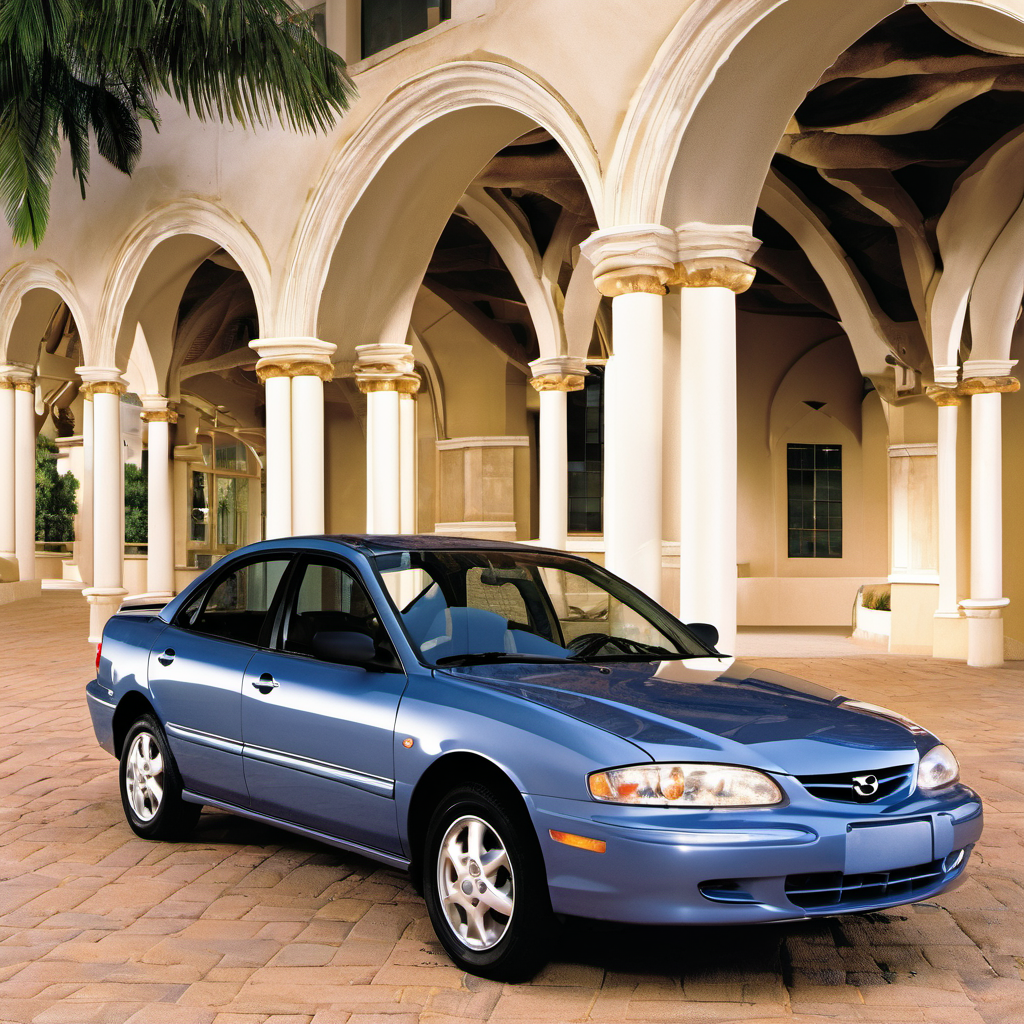
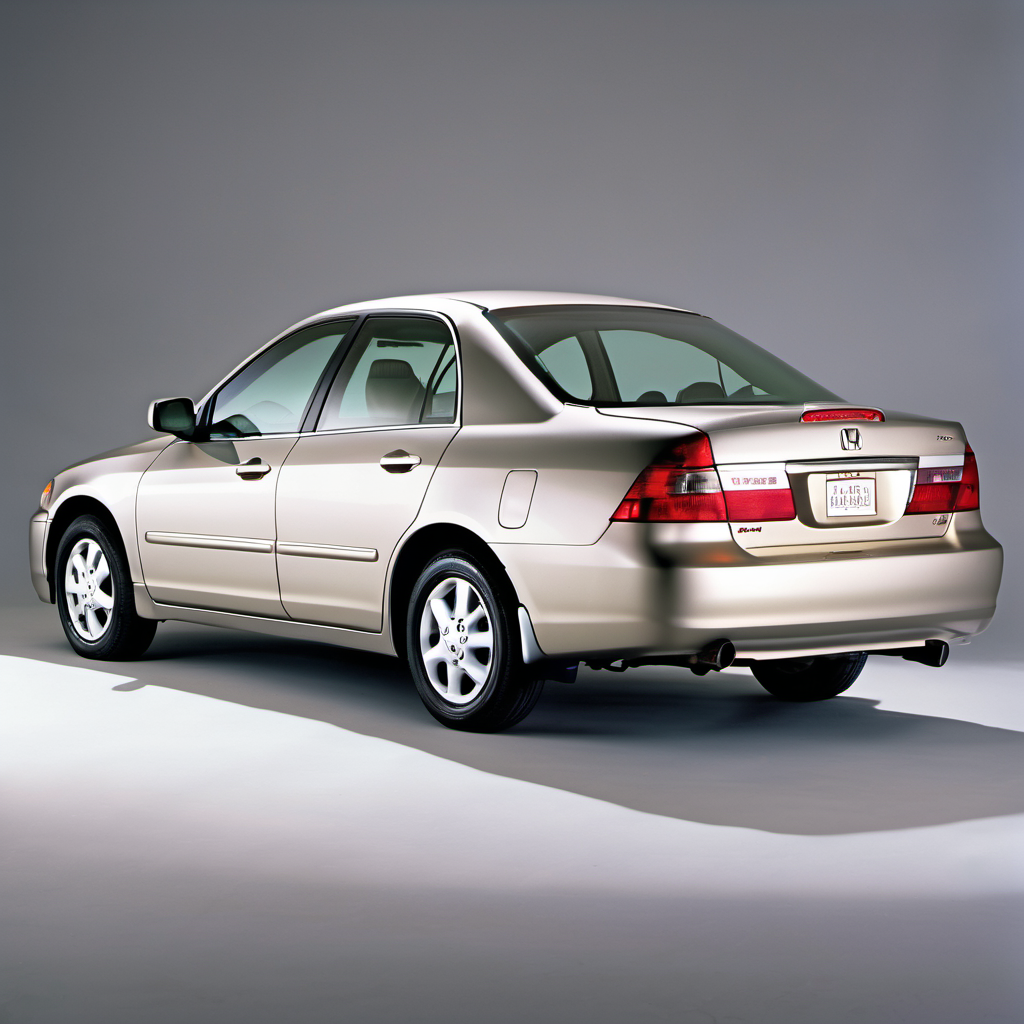
2002 MAZDA 626 Sedan

2002 MAZDA

626Sedan

Sedan

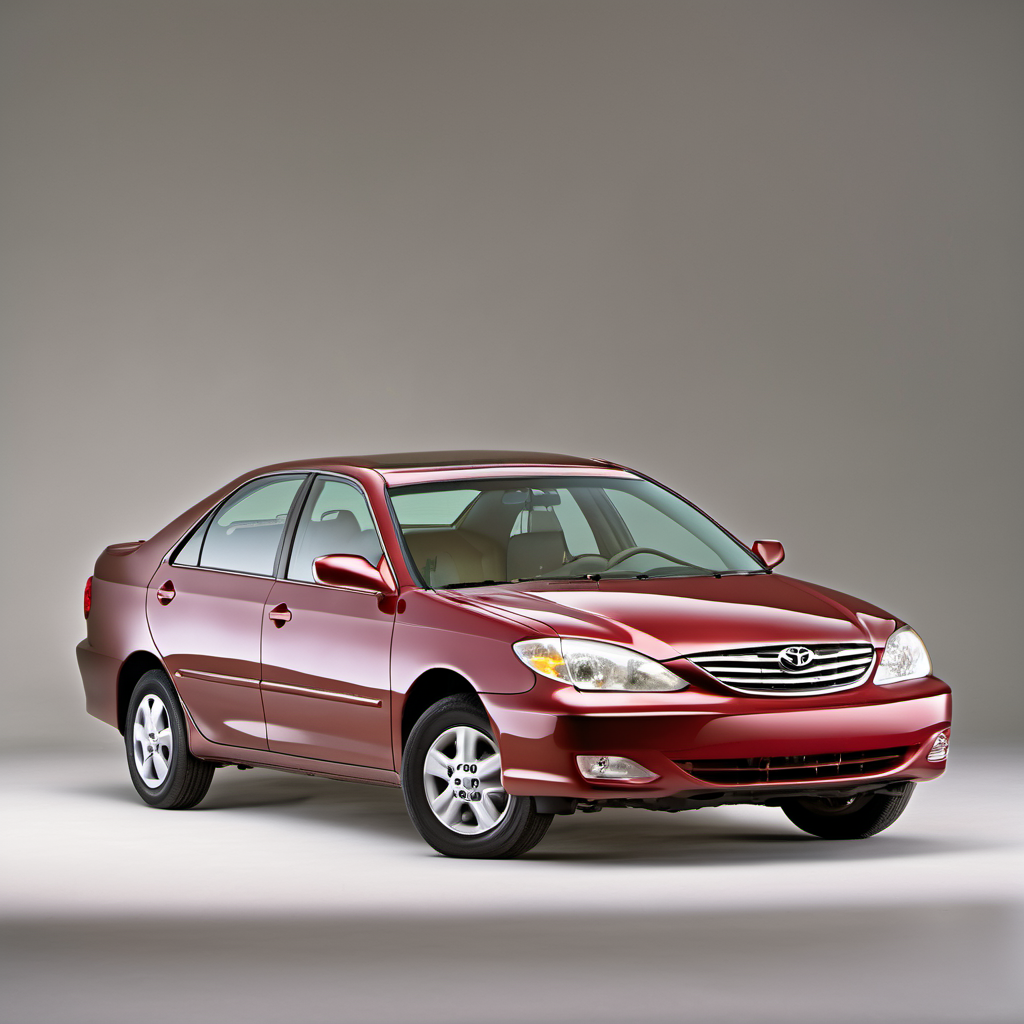
The 2002 Mazda 626 is the final model year of a nameplate that ran from 1979 through 2002. By this point it was a well-sorted, mid-size front-wheel-drive sedan powered by either a 2.0L four-cylinder or an optional 2.5L V6. It sat in a competitive segment alongside the Honda Accord and Toyota Camry, and while it never quite matched those two in long-term reliability reputation, it delivered a more driver-focused feel at a lower price point. The 2.0L four-cylinder car is the volume seller. It's smooth enough for daily use, reasonably fuel-efficient for its era, and parts are still available from aftermarket suppliers. The automatic transmission — a 4-speed unit — is the weak link most owners eventually encounter, particularly as mileage climbs past 80,000. At over 20 years old, any surviving 626 is now a high-mileage used car. The ones still on the road have usually been maintained well or patched repeatedly. Budget for deferred maintenance and rust remediation if the car spent its life in the upper Midwest.

Reliability
2/5
Verified data
Specs shown for 626 — the most common configuration. Other trims may vary in engine, drivetrain, or fuel economy. Sign in to see your vehicle's exact specs.
Engine
[object Object]
Drivetrain
FWD
Fuel
Gasoline
MPG
19 city / 25 hwy / 22 combined
Seats
Doors
Body
Midsize Cars

Overview

AI-curated

The 2002 Mazda 626 is the final model year of a nameplate that ran from 1979 through 2002. By this point it was a well-sorted, mid-size front-wheel-drive sedan powered by either a 2.0L four-cylinder or an optional 2.5L V6. It sat in a competitive segment alongside the Honda Accord and Toyota Camry, and while it never quite matched those two in long-term reliability reputation, it delivered a more driver-focused feel at a lower price point. The 2.0L four-cylinder car is the volume seller. It's smooth enough for daily use, reasonably fuel-efficient for its era, and parts are still available from aftermarket suppliers. The automatic transmission — a 4-speed unit — is the weak link most owners eventually encounter, particularly as mileage climbs past 80,000. At over 20 years old, any surviving 626 is now a high-mileage used car. The ones still on the road have usually been maintained well or patched repeatedly. Budget for deferred maintenance and rust remediation if the car spent its life in the upper Midwest.

Known for
  • More engaging to drive than segment rivals of the same era
  • Competitive fuel economy for a late-1990s/early-2000s mid-sizer
  • Troubled automatic transmission reputation (especially V6 models)
  • Affordable parts availability through aftermarket suppliers
  • Final year of a long-running nameplate — no direct successor
Best for
  • Budget-conscious commuters willing to do basic wrenching
  • Drivers who want a manual-transmission sedan option
  • Owners comfortable sourcing used or aftermarket parts
  • Short-to-medium daily driving where highway mileage isn't critical
Watch for
  • Automatic transmission failure, particularly on high-mileage examples
  • Rust on subframes, floor pans, and brake lines — critical in Wisconsin
  • Cooling system neglect leading to head gasket issues on the 2.0L
  • Age-related rubber deterioration: hoses, belts, bushings, seals
  • Dwindling OEM parts supply — some items are dealer-discontinued

Common issues by mileage

6 known

Automatic Transmission Slipping / Failure

high
Typically appears
80–150k mi
Estimated repair
$1,200 – $3,200

Oxygen Sensor Heater Circuit Failure

high
Typically appears
80–130k mi
Estimated repair
$150 – $350

Cooling System Failure / Head Gasket Leak

medium
Typically appears
100–180k mi
Estimated repair
$900 – $2,200

Brake Line Rust-Through

high
Typically appears
Any mileage on a Wisconsin car
Estimated repair
$400 – $1,100

Engine Mounts / Subframe Bushing Deterioration

medium
Typically appears
100k+ mi
Estimated repair
$300 – $700

Distributor / Ignition System Wear

medium
Typically appears
90–140k mi
Estimated repair
$200 – $500

Maintenance schedule

  1. 1
    Every 30k mi — do not skip on a used example; drain and fill, not a flush on a high-mileage unit Automatic Transmission Fluid Change

    The 4-speed automatic is the 626's biggest vulnerability. Fresh fluid is the single best preventive measure against early failure.

  2. 2
    Every 2 years or 30k mi Cooling System Flush & Thermostat Inspection

    Old coolant turns acidic and accelerates head gasket and water pump wear. Wisconsin winters stress the system further with extreme thermal cycling.

  3. 3
    Every 60k mi or 5 years — do both at the same time Timing Belt & Water Pump Replacement

    The 2.0L is an interference engine. A snapped timing belt causes catastrophic internal damage. Water pump failure at the same mileage makes doing both together cost-effective.

  4. 4
    Every 30k mi Spark Plugs & Distributor Cap / Rotor

    The distributor-based ignition system wears with age. Cold Wisconsin starts put extra strain on the ignition — worn plugs and a cracked cap cause hard starts and misfires.

  5. 5
    Every year, before winter Brake Line Inspection (full undercarriage)

    Road salt destroys uncoated steel brake lines. A rusted-through line is a total brake failure waiting to happen. Catch it visually before it becomes an emergency.

  6. 6
    Every 2 years or 30k mi Serpentine & Accessory Belt Inspection

    Age degrades rubber belts regardless of mileage. A snapped belt disables the alternator and A/C simultaneously — replace proactively.

  7. 7
    Every fall Underbody Rust Inspection & Spot Treatment

    Subframe rails, suspension pickup points, and floor pan seams are prone to salt-induced rust on upper Midwest cars. Catching surface rust early prevents structural compromise.

  8. 8
    Every fall Battery Load Test

    A battery that passes a basic voltage test in September can fail to start the car at -10°F in January. Load testing reveals true cold-cranking capacity before it matters.

Always defer to the manufacturer's service manual for warranty-mandated intervals.

Cost of ownership

Annual maintenance
$600 – $1,400
Fuel
At 22 MPG combined and typical Wisconsin driving, expect roughly $1,800–$2,200/year at current fuel prices for a daily driver.
Insurance
Typically low — an older, low-value sedan with no advanced safety tech. Expect $600–$900/year for full coverage depending on driving record and ZIP code.

The 626 is cheap to insure and reasonably economical at the pump. Annual maintenance on a well-kept example runs $600–$1,000. Budget toward the higher end ($1,000–$1,400+) if deferred maintenance has piled up or if the transmission is already showing symptoms. A major repair year — transmission rebuild, head gasket, or brake line replacement — can add $1,000–$3,000 on top of routine costs.
Seasonal care

Lake Geneva, WI
Winter
  • Load-test the battery every fall — cold cranking demands spike at sub-zero temperatures and an aging battery will fail without warning.
  • Switch to a winter-weight washer fluid rated to at least -20°F; the 2.0L's hood seals age poorly and spray jets can freeze.
  • Inspect all rubber brake lines and steel hard lines before first snowfall — road salt accelerates corrosion on a 20-year-old car.
  • Check antifreeze concentration — it should protect to at least -34°F for Lake Geneva winters; test with a refractometer, not guesswork.
  • Fit dedicated winter tires if you drive in snow; the FWD setup helps, but all-seasons on a 20-year-old car may be worn past safe winter traction.
  • After each major salt event, rinse the undercarriage at a touchless wash — the 626's subframe and suspension mounting points are rust-prone.
Summer
  • Check tire pressure monthly — ambient heat causes significant pressure variation in older tires, and sidewall aging on a 20+ year old car means blowout risk is real.
  • Inspect the A/C system for refrigerant leaks — seals and hoses age and crack; a system that worked last fall may not hold charge by July.
  • Monitor coolant temperature closely on hot days — a marginal thermostat or low coolant that was tolerable in winter can trigger overheating in summer stop-and-go traffic.
  • Inspect the radiator for fin damage and blockage — insects and debris reduce airflow and efficiency, compounding heat soak at idle.

Comparable vehicles

If you're shopping for one

Red flags
  • No records of timing belt replacement — assume it's overdue; interference engine means a snapped belt = engine replacement.
  • Any transmission slip, delayed engagement, or rough shift — used 4-speed automatics for this car are hard to source and rebuild costs are high.
  • Visible rust bubbling on rocker panels, floor pans, or around rear wheel arches — surface rust here almost always means structural rust underneath.
  • Overheating history or a cooling system recently 'topped off' by the seller — could be masking a head gasket or water pump problem.
  • Check Engine light recently cleared with no explanation — use an OBD-II scanner before purchase to check for pending codes.
  • Mismatched or severely worn tires — signals deferred maintenance culture across the whole car.
What to inspect
  • Full undercarriage inspection for brake line rust, subframe corrosion, and floor pan integrity — non-negotiable on any Wisconsin-kept example.
  • Automatic transmission: test for slipping between 1st–2nd, delayed engagement from Park, and shudder at highway speeds.
  • Check for white exhaust smoke and milky oil residue on the dipstick — both indicate head gasket failure on the 2.0L.
  • Pull the timing belt cover if possible and confirm belt replacement history; if unknown, budget for immediate replacement before purchase price.
  • Inspect all rubber coolant hoses and the radiator for cracks, swelling, or discoloration — these age badly regardless of mileage.
  • Test the A/C output temperature and look for oily residue around the compressor and line fittings.
AI profile generated 16 days ago · claude-sonnet-4-6 · v2.