Intake Manifold Gasket Failure
high- Typically appears
- 80–150k mi
- Estimated repair
- $350 – $650
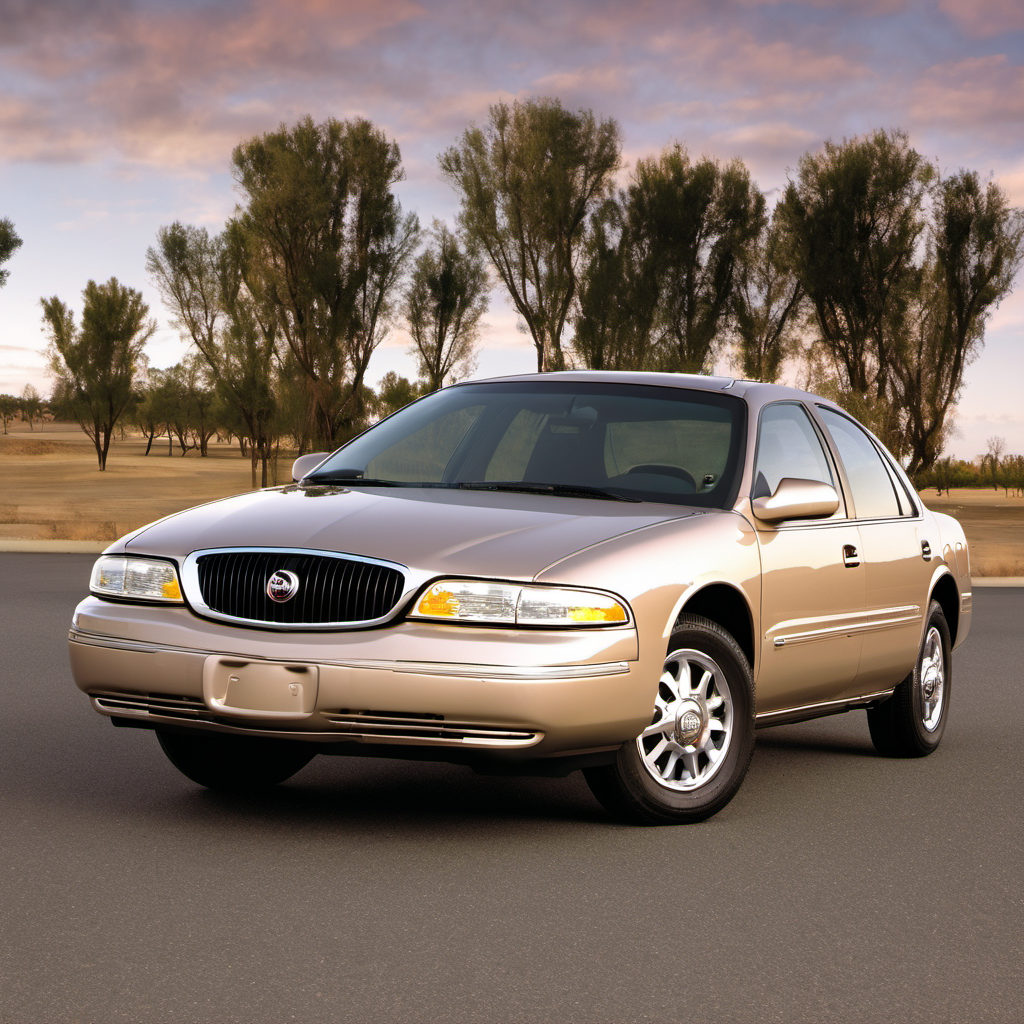
2002 Buick
Sedan
The 2002 Buick Century is a front-wheel-drive full-size sedan built on GM's W-body platform, the same bones shared with the Pontiac Grand Prix and Chevrolet Impala. By 2002 it was in its final generation, aimed squarely at buyers who wanted a quiet, comfortable highway cruiser with a soft ride and straightforward V6 power. It was a volume seller for Buick throughout the late 1990s and early 2000s and earned a reputation as a solid, unfussy daily driver. Powered by GM's proven 3.1L V6 (LG8), the Century is no performance machine, but it delivers adequate real-world power for commuting and long interstate runs. The 4-speed automatic is smooth and durable when maintained. Interior room is generous — rear-seat space is a genuine selling point — and highway noise isolation is better than most competitors at this price point. At 20+ years old, most examples on the road today have covered significant miles. The good news is the 3.1L engine and 4T65-E transmission are well-understood by independent shops, parts are cheap and widely available, and failures are generally predictable. The bad news is that rust (especially in Wisconsin) and deferred maintenance are the real killers of these cars.
The 2002 Buick Century is a front-wheel-drive full-size sedan built on GM's W-body platform, the same bones shared with the Pontiac Grand Prix and Chevrolet Impala. By 2002 it was in its final generation, aimed squarely at buyers who wanted a quiet, comfortable highway cruiser with a soft ride and straightforward V6 power. It was a volume seller for Buick throughout the late 1990s and early 2000s and earned a reputation as a solid, unfussy daily driver. Powered by GM's proven 3.1L V6 (LG8), the Century is no performance machine, but it delivers adequate real-world power for commuting and long interstate runs. The 4-speed automatic is smooth and durable when maintained. Interior room is generous — rear-seat space is a genuine selling point — and highway noise isolation is better than most competitors at this price point. At 20+ years old, most examples on the road today have covered significant miles. The good news is the 3.1L engine and 4T65-E transmission are well-understood by independent shops, parts are cheap and widely available, and failures are generally predictable. The bad news is that rust (especially in Wisconsin) and deferred maintenance are the real killers of these cars.
The 3.1L's plastic intake manifold gaskets degrade and allow coolant to enter the oil. Catching it early via coolant condition and oil inspection prevents catastrophic engine damage.
Fresh Dexron VI in the 4T65-E resolves most early shudder complaints and extends transmission life significantly. Old fluid is the #1 transmission killer on these cars.
Rear bank plugs on this transverse V6 are awkward to access — shops often skip them. Worn plugs stress the ignition coil pack and can cause rough idle and misfires.
Belt tensioners wear on high-mileage examples. A snapped belt disables power steering and the water pump simultaneously — a roadside headache.
Moisture absorption in old brake fluid lowers boiling point and corrodes ABS components. At 20+ years old, this is often overdue on any used example.
Lake Geneva road salt accumulates on rocker panels, subframe mounts, and brake lines. Annual inspection catches surface rust before it becomes structural.
A stuck-closed PCV on the 3.1L raises crankcase pressure and can push oil past gaskets and seals — compounding the already-prone intake gasket issue.
Wisconsin winters are hard on aging batteries. The Century's charging system is adequate but not robust — a weak battery in January is a cold-morning no-start waiting to happen.
Always defer to the manufacturer's service manual for warranty-mandated intervals.
A well-maintained Century is one of the cheaper sedans to own in this region. Parts are inexpensive and widely stocked. The biggest financial risk is deferred maintenance: ignoring the intake gasket issue can turn a $400 repair into a $2,500+ engine overhaul. Budget an extra $500–$1,000 in year one if purchasing a used example to address age-related catch-up maintenance.
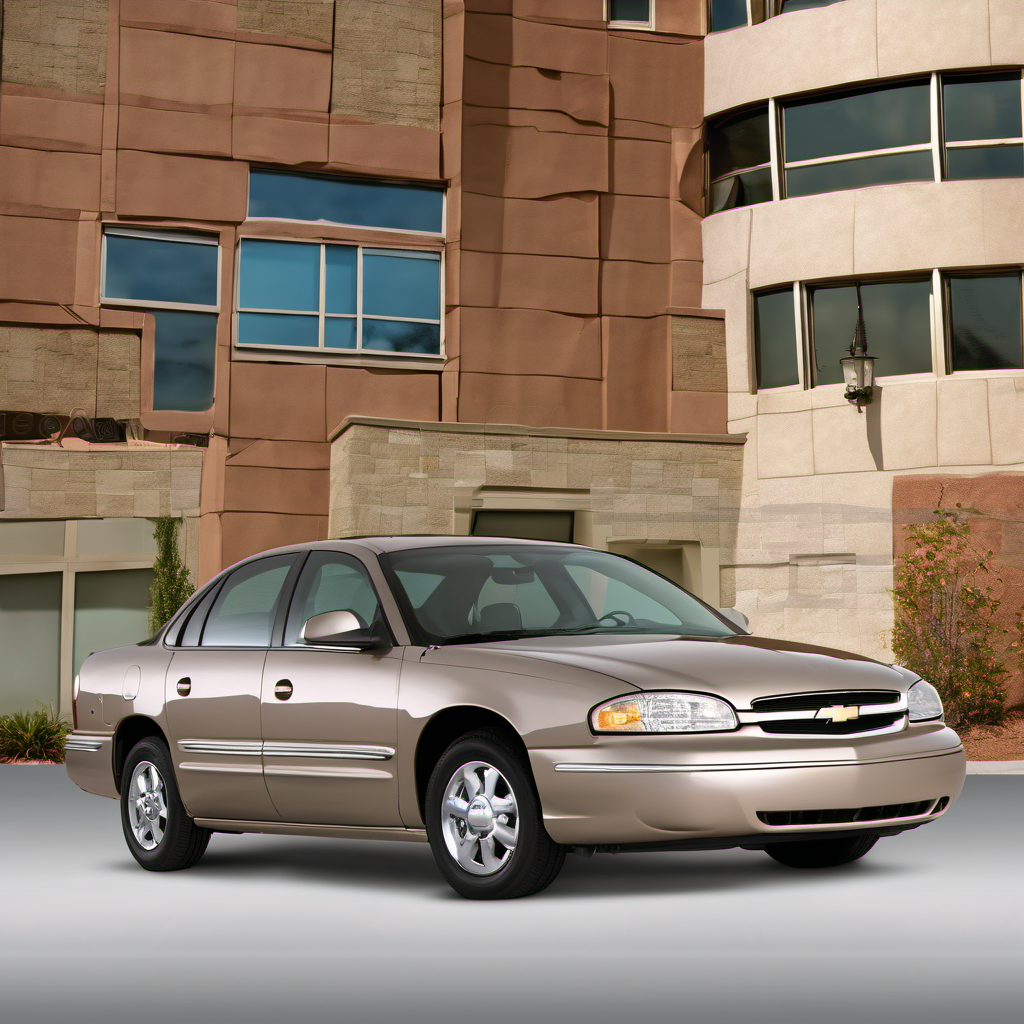
Same W-body platform, same 3.1L or 3.8L V6, nearly identical ownership costs — slightly sportier styling, equally common at independent shops.
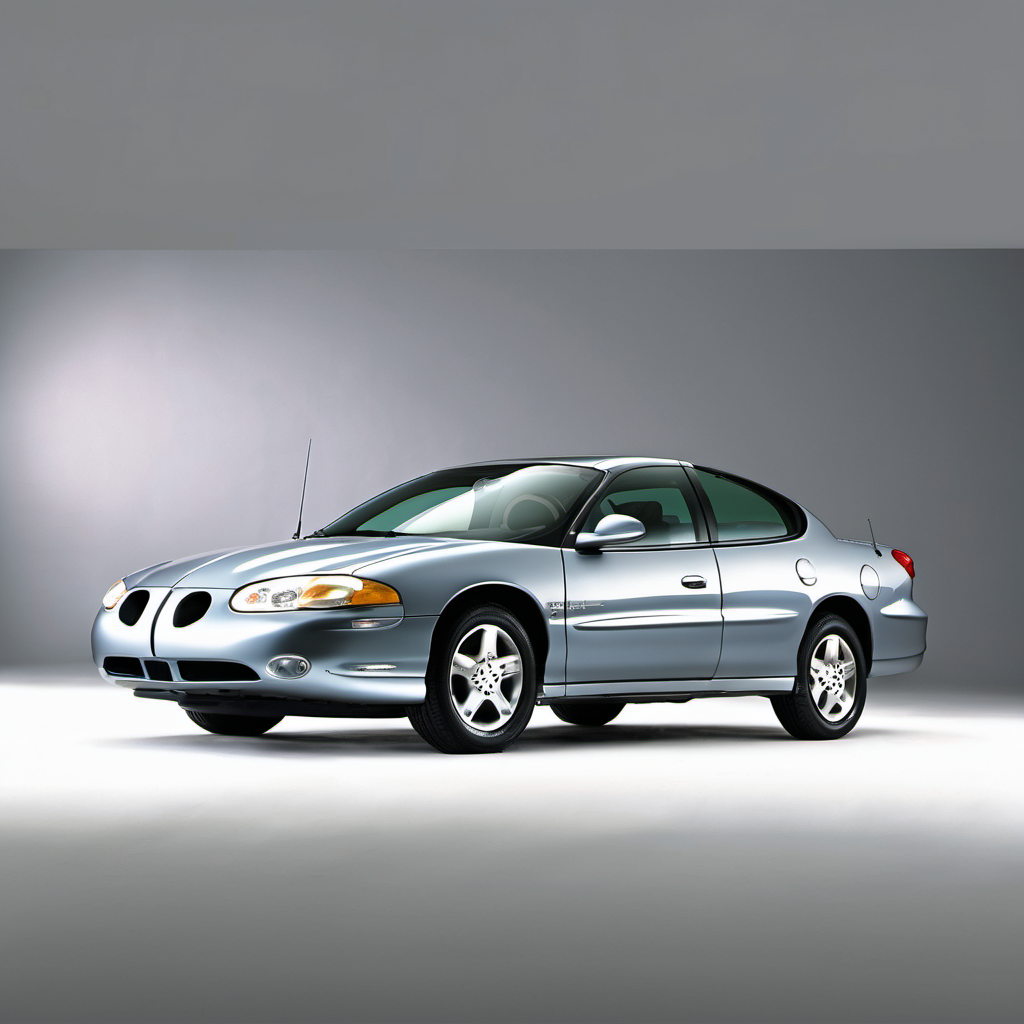
W-body sibling with a firmer suspension tune and available 3.8L supercharged V6. Similar reliability profile, more performance-oriented buyer.
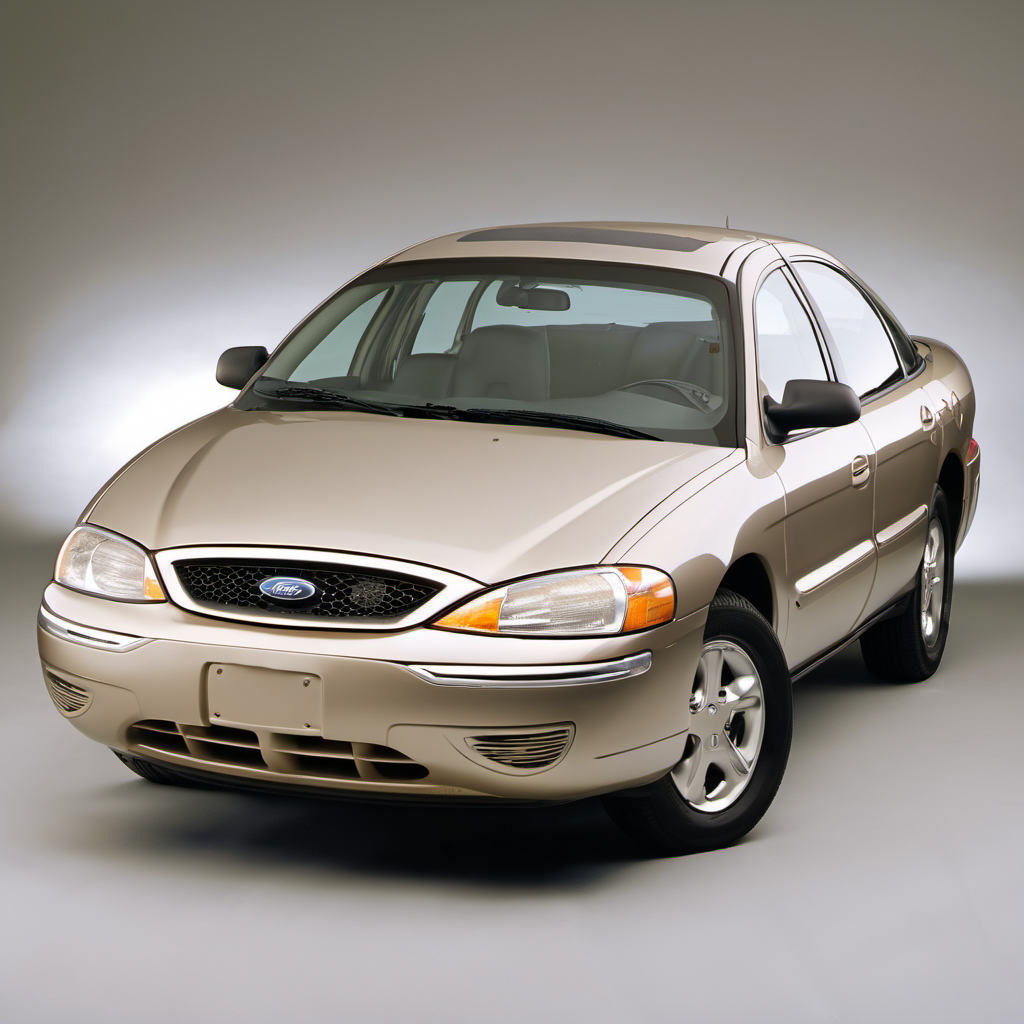
Closest Ford competitor in size, comfort, and price point. The 3.0L Vulcan V6 is similarly proven; watch for head gasket and transmission issues on Ford's side.
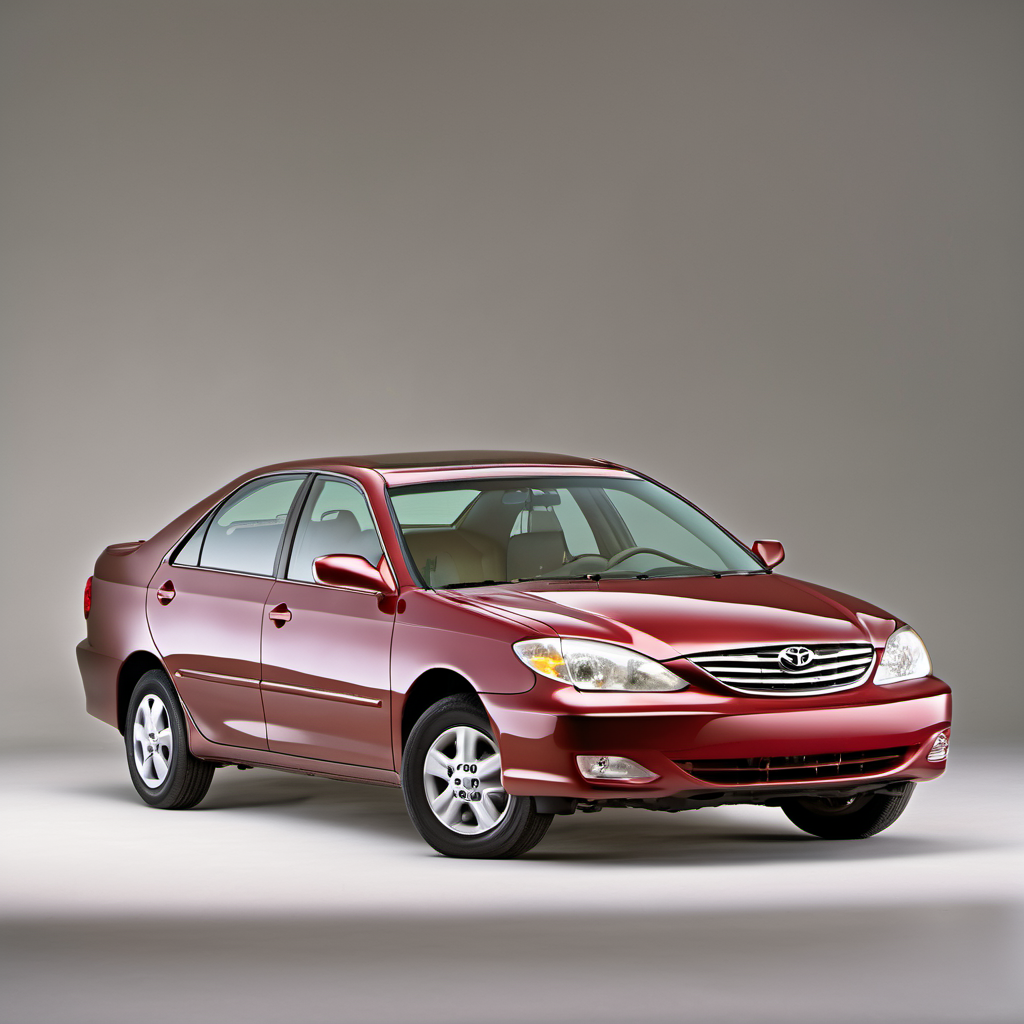
Higher acquisition cost used, but marginally better long-term reliability record. Fewer rust issues if sourced from a dry climate. Parts slightly pricier but still reasonable.