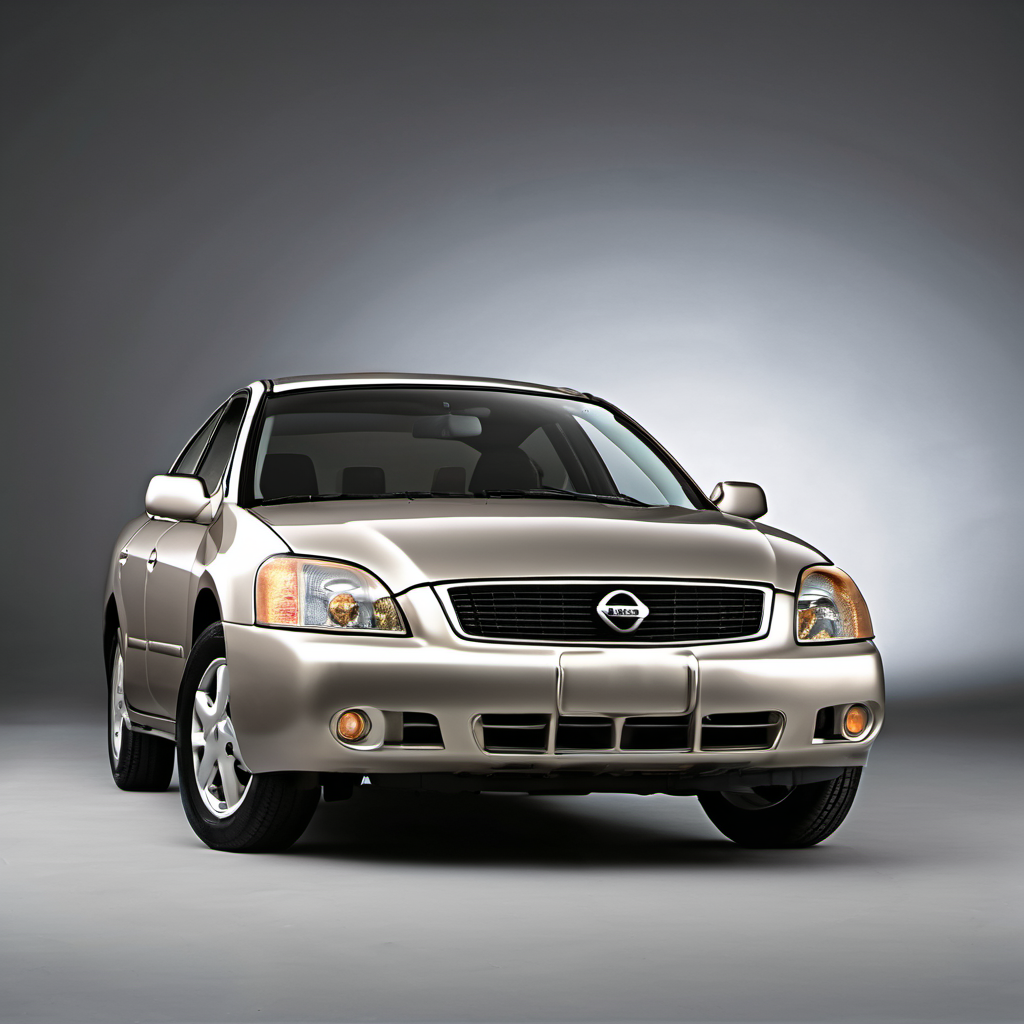
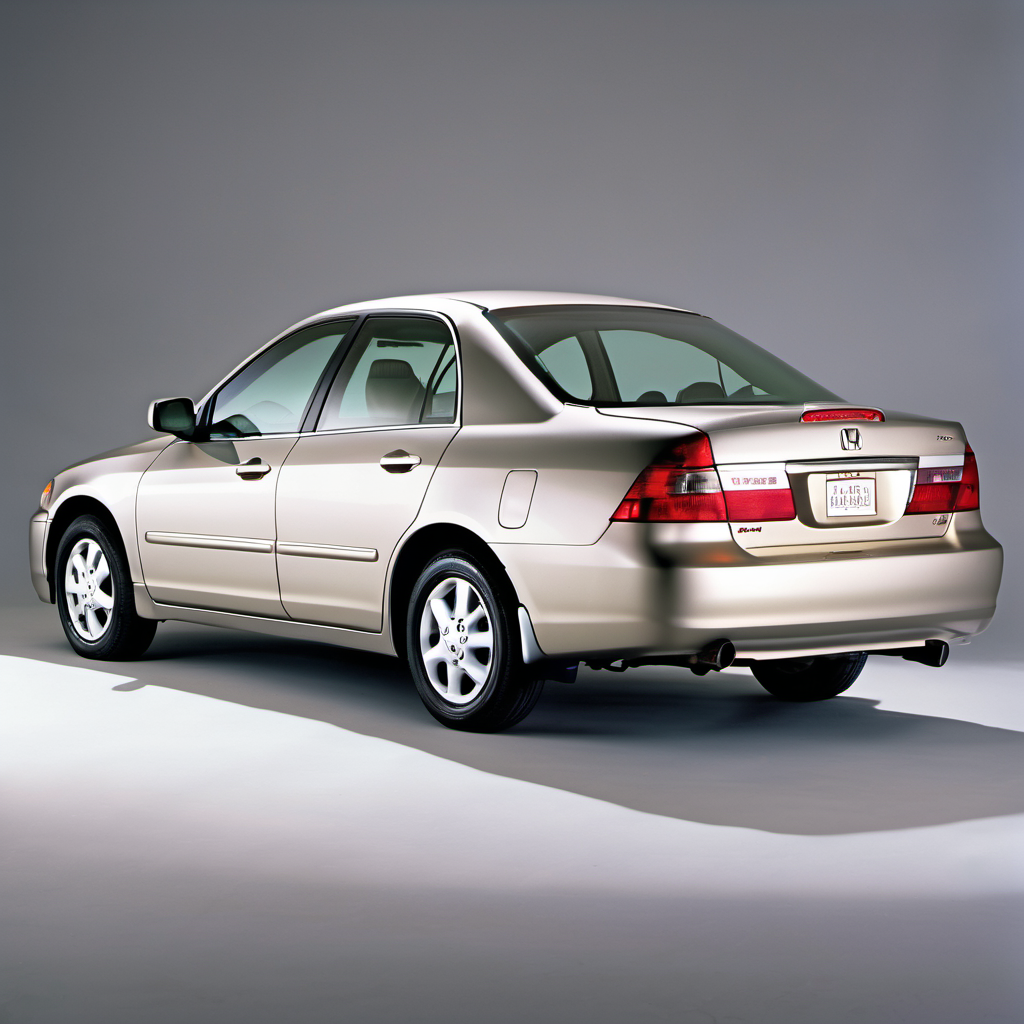
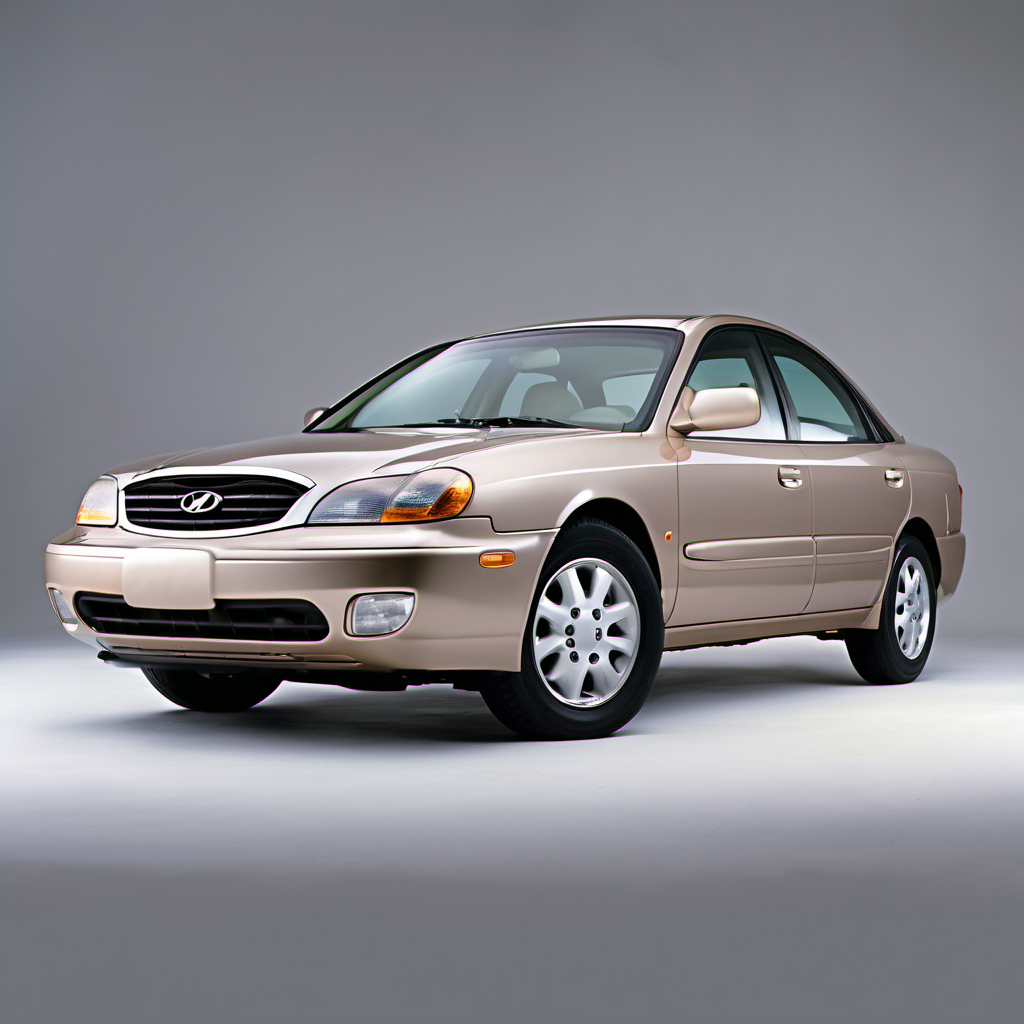
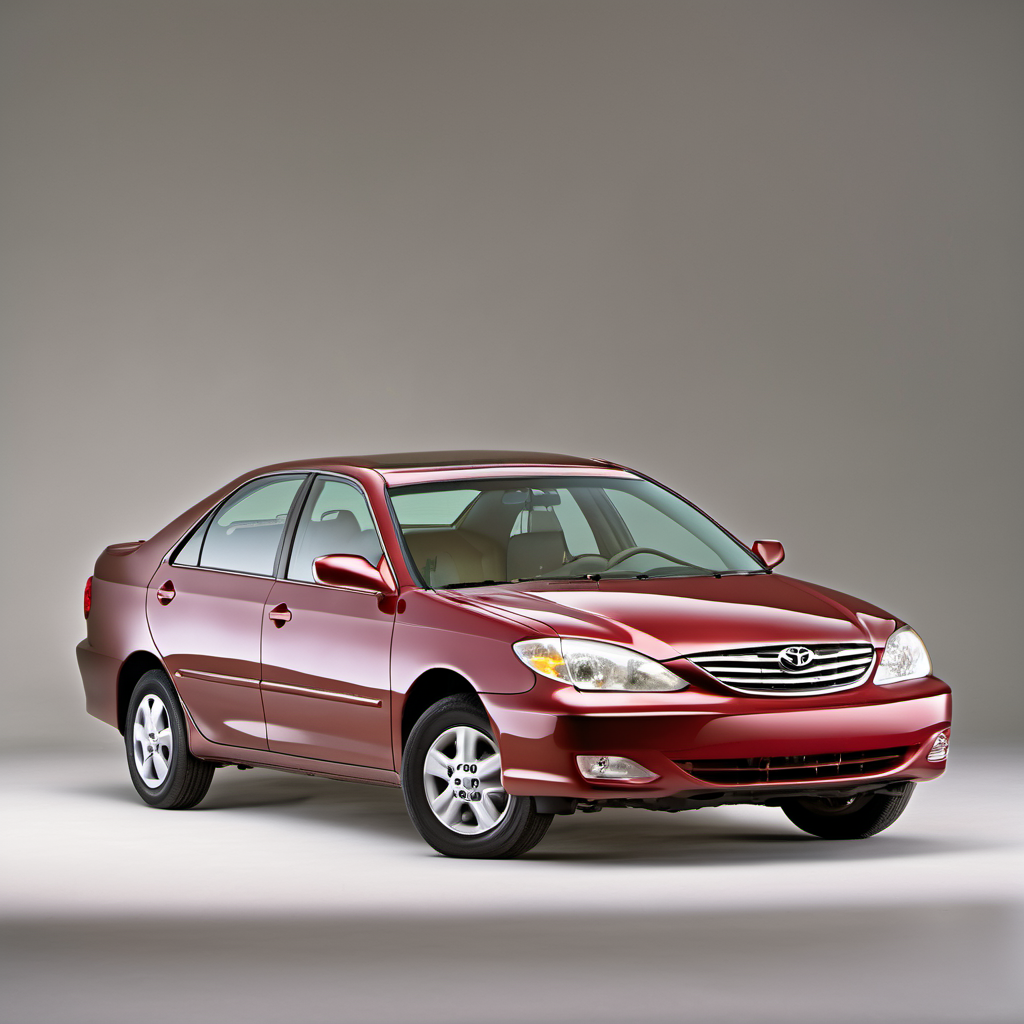
2002 Nissan Altima Sedan

2002 Nissan

AltimaSedan

Sedan

The 2002 Nissan Altima marked a major generational leap — this was the first year of the fourth-generation (L31) platform, and it arrived with a completely new body, a larger cabin, and Nissan's then-new QR25DE 2.5L four-cylinder as the standard engine. It moved upmarket in size and feel, competing squarely with the Camry and Accord while undercutting them on price. Buyers got a genuinely roomy mid-size sedan for what the previous Altima charged as a compact. Being a first model year of a new generation, the 2002 Altima came with some growing pains — most notably early CVT (if equipped with the 3.5L V6/automatic combo) and some oil consumption quirks in the QR25DE. That said, the platform itself proved durable, and well-maintained examples with the 2.5L engine have accumulated well over 200,000 miles in everyday use. For a budget-conscious buyer in 2025, a clean 2002 Altima 2.5 with documented maintenance is a functional, parts-friendly daily driver. Just go in with eyes open about rust — Wisconsin winters are brutal on these unibodies, and the 2002 model is now over 20 years old.

Reliability
3/5
Verified data
Specs shown for Altima — the most common configuration. Other trims may vary in engine, drivetrain, or fuel economy. Sign in to see your vehicle's exact specs.
Engine
[object Object]
Drivetrain
FWD
Fuel
Gasoline
MPG
20 city / 27 hwy / 23 combined
Seats
Doors
Body
Midsize Cars

Overview

AI-curated

The 2002 Nissan Altima marked a major generational leap — this was the first year of the fourth-generation (L31) platform, and it arrived with a completely new body, a larger cabin, and Nissan's then-new QR25DE 2.5L four-cylinder as the standard engine. It moved upmarket in size and feel, competing squarely with the Camry and Accord while undercutting them on price. Buyers got a genuinely roomy mid-size sedan for what the previous Altima charged as a compact. Being a first model year of a new generation, the 2002 Altima came with some growing pains — most notably early CVT (if equipped with the 3.5L V6/automatic combo) and some oil consumption quirks in the QR25DE. That said, the platform itself proved durable, and well-maintained examples with the 2.5L engine have accumulated well over 200,000 miles in everyday use. For a budget-conscious buyer in 2025, a clean 2002 Altima 2.5 with documented maintenance is a functional, parts-friendly daily driver. Just go in with eyes open about rust — Wisconsin winters are brutal on these unibodies, and the 2002 model is now over 20 years old.

Known for
  • Spacious interior for its class — a big jump from the previous-gen Altima
  • Strong, rev-happy QR25DE 2.5L four-cylinder engine
  • First-year model of a new generation — some early production quirks
  • Affordable purchase price and widely available parts
  • Competitive fuel economy for a mid-size sedan of its era
Best for
  • Budget-minded commuters needing a reliable daily driver
  • Buyers who want a parts-abundant, independent-shop-friendly vehicle
  • Someone comfortable wrenching or paying for occasional older-car upkeep
  • Urban and suburban driving with occasional highway use
Watch for
  • Rust — frame rails, subframe, and rocker panels corrode aggressively in Wisconsin salt
  • Oil consumption from the QR25DE engine, especially past 100k miles
  • Automatic transmission reliability on early examples — fluid maintenance history matters
  • Exhaust and suspension components that rust solid and become expensive to remove
  • First-year model quirks: check for any outstanding or previously addressed recalls

Common issues by mileage

6 known

Oil consumption — QR25DE engine burning oil between changes

high
Typically appears
80–150k mi
Estimated repair
$50 – $300

Catalytic converter / oxygen sensor failure

high
Typically appears
100–180k mi
Estimated repair
$300 – $900

Automatic transmission slipping or harsh shifts (fluid neglect)

medium
Typically appears
90–160k mi
Estimated repair
$600 – $2,800

Underbody / subframe rust (rocker panels, control arm mounts, exhaust)

high
Typically appears
Any — age-related in Wisconsin
Estimated repair
$200 – $2,500

Struts and front suspension wear (ball joints, tie rods)

medium
Typically appears
80–140k mi
Estimated repair
$350 – $900

Camshaft position sensor / timing chain stretch (VTC noise on cold start)

medium
Typically appears
100–160k mi
Estimated repair
$400 – $1,200

Maintenance schedule

  1. 1
    Every 5,000 miles or 6 months — sooner if oil consumption is noted Engine oil and filter change

    The QR25DE is oil-change sensitive. Neglected oil is the primary cause of premature engine wear and timing chain issues on this motor. Check the dipstick monthly on high-mileage examples.

  2. 2
    Every 30,000 miles if history is unknown; every 45,000 miles if documented Automatic transmission fluid change

    Nissan's early 4-speed automatic in the 2002 Altima does not tolerate degraded fluid. Many failures trace directly to extended drain intervals.

  3. 3
    Every 50,000 miles or 5 years Coolant flush

    Old coolant loses its corrosion inhibitors, attacking the aluminum heads and radiator — especially relevant in a car this age.

  4. 4
    Every 30,000 miles (conventional plugs on this engine) Spark plug replacement

    Worn plugs worsen fuel economy and can cause misfires. The QR25DE responds well to fresh plugs for smooth idle.

  5. 5
    Every 2–3 years Brake fluid flush

    Brake fluid absorbs moisture over time. Wisconsin's temperature swings accelerate this — wet fluid lowers boiling point and promotes caliper and ABS unit corrosion.

  6. 6
    Every fall before salt season Undercarriage rust inspection and treatment

    At 20+ years old, the subframe mounting points and control arm brackets are prime rust targets. Catching and treating surface rust before it becomes structural is far cheaper than replacing corroded components.

  7. 7
    At 100,000 miles and every 40,000 miles thereafter Timing chain and VTC actuator inspection

    The QR25DE uses a timing chain, not a belt, but chain stretch and VTC actuator wear are documented — especially on engines that ran low on oil. A rattling cold start is the warning sign.

  8. 8
    Every 15,000–20,000 miles Cabin and engine air filter replacement

    Wisconsin road grit and fall leaf debris clog filters faster than in drier climates. A clogged engine air filter hurts fuel economy noticeably on this motor.

Always defer to the manufacturer's service manual for warranty-mandated intervals.

Cost of ownership

Annual maintenance
$600 – $1,400
Fuel
At 23 MPG combined and ~12,000 miles/year, expect roughly $1,400–$1,700/year at $2.70–$3.25/gallon (regular unleaded).
Insurance
Typically low — older, low-value sedan. Expect $600–$1,100/year for full coverage depending on driver profile; liability-only can be under $500.

The 2002 Altima is genuinely cheap to own if the car is rust-free and well-maintained. Parts are inexpensive and widely available. The risk comes from deferred maintenance catching up — a neglected transmission or an engine that's consumed oil unchecked can generate a single repair bill that dwarfs several years of normal upkeep. Budget a bit extra for age-related rubber and suspension items.
Seasonal care

Lake Geneva, WI
Winter
  • Rinse the undercarriage at a touchless car wash every 2 weeks during salt season — subframe and control arm mounts rust through on these cars.
  • Test the battery before November. Cold cranking amps drop sharply below 20°F, and a marginal battery will fail in a Lake Geneva winter.
  • Switch to a full-synthetic 5W-30 if still running conventional oil — it flows faster on sub-zero cold starts and reduces timing chain wear during warm-up.
  • Use winter-rated washer fluid rated to at least -20°F. The stock reservoir and lines are plastic and can crack if fluid freezes.
  • Inspect wiper blades and consider winter-style blades to prevent ice buildup on the blade frame.
  • Check tire pressure weekly — pressure drops roughly 1 PSI for every 10°F temperature decrease, and underinflated tires worsen handling on snow and ice.
Summer
  • Check coolant level and condition before summer heat — a 20-year-old cooling system with neglected coolant is a breakdown waiting to happen.
  • Inspect the A/C system for refrigerant leaks and verify the condenser fins aren't clogged with debris. The QR25DE runs warm under A/C load.
  • Re-check tire pressure as temperatures climb — pressure increases roughly 1 PSI per 10°F, and overinflated tires reduce contact patch on hot pavement.
  • Inspect the serpentine belt for cracking — heat accelerates rubber degradation on a belt this age.
  • Park in shade when possible. The 2002 Altima's interior plastics and dashboard are now 20+ years old and prone to cracking under UV exposure.

Comparable vehicles

If you're shopping for one

Red flags
  • Any rust perforation on the subframe or unibody — walk away, as structural rust repair often exceeds the car's value.
  • Blue or white exhaust smoke indicating oil burning or coolant loss.
  • Automatic transmission that hesitates, slips, or clunks shifting through gears.
  • Cold-start timing chain rattle that persists more than a few seconds.
  • Mismatched or poorly blended paint panels suggesting prior accident repair without proper disclosure.
  • No maintenance records on a high-mileage example — the QR25DE's oil change history matters enormously.
What to inspect
  • Crawl under the car and inspect the subframe, control arm mounting points, and rocker panels for rust perforation — this is the make-or-break check on any 20-year-old Wisconsin car.
  • Check the exhaust system from the manifold back; rusted-solid flanges and rotted mid-pipes are common and add to repair costs.
  • Pull the oil dipstick and check level and color — low oil or milky oil is a red flag for consumption or head gasket issues.
  • Ask for transmission fluid history. Dark, burnt-smelling fluid on the automatic means deferred maintenance.
  • Start the engine cold and listen for a timing chain rattle in the first 5–10 seconds — a sign of VTC actuator or chain wear.
  • Test all four windows, the A/C compressor engagement, and the heat output — electrical gremlins and HVAC wear are common on cars this age.
  • Look at the spare tire well for rust or water intrusion, which often indicates trunk seal failure.
AI profile generated 15 days ago · claude-sonnet-4-6 · v2.