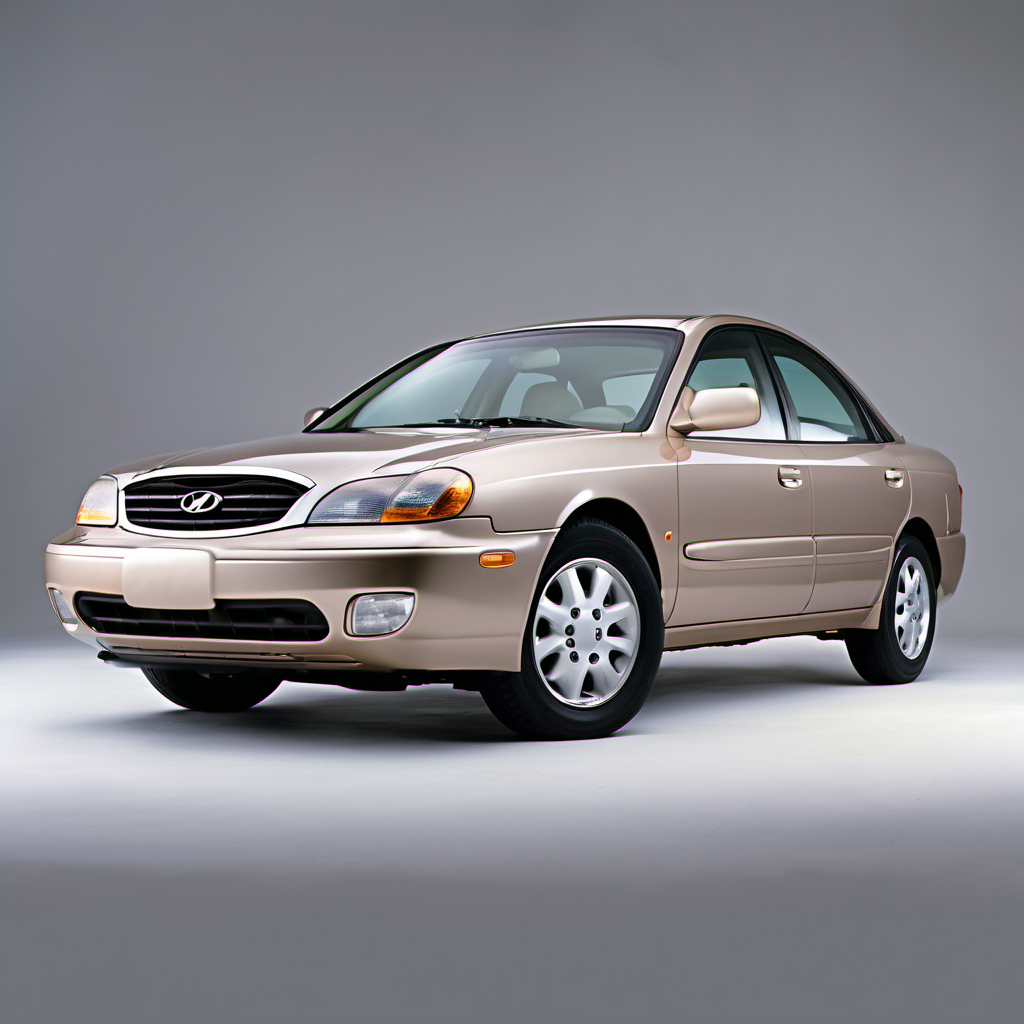
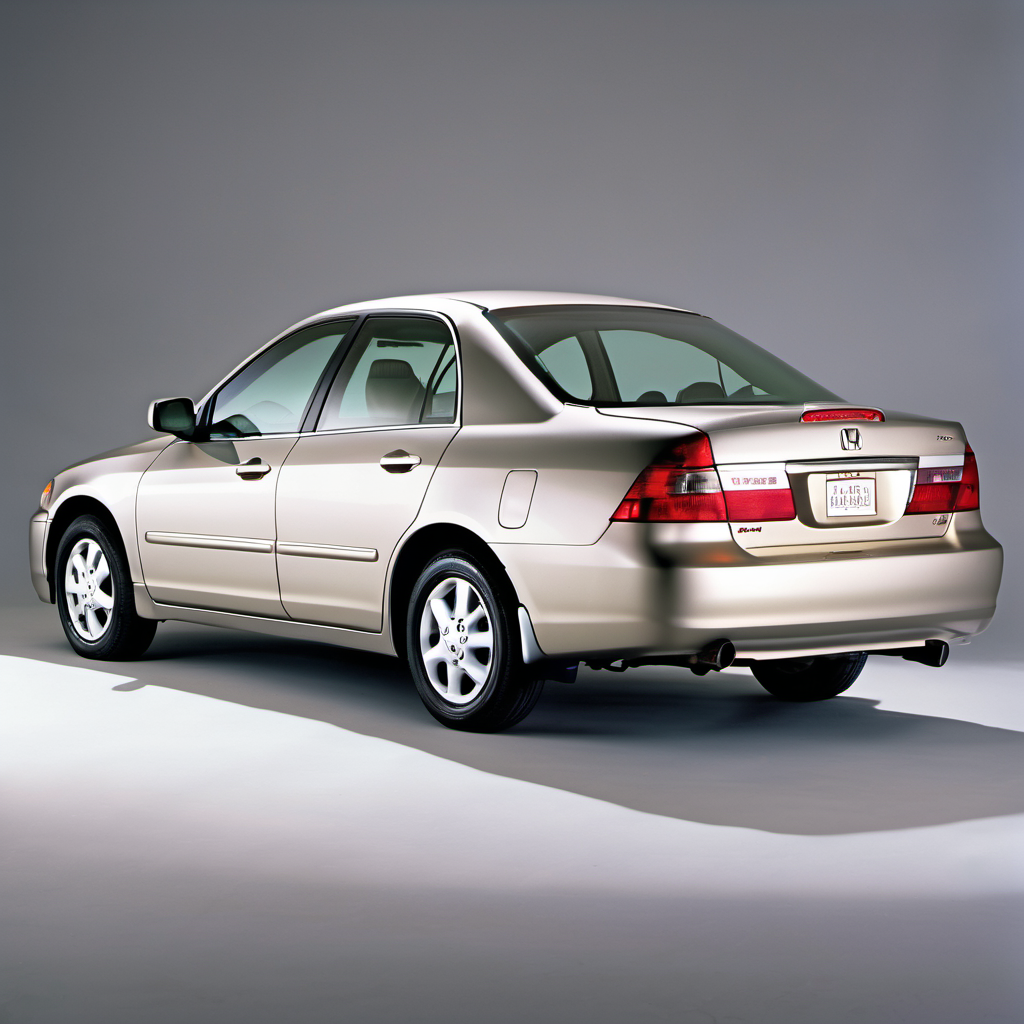
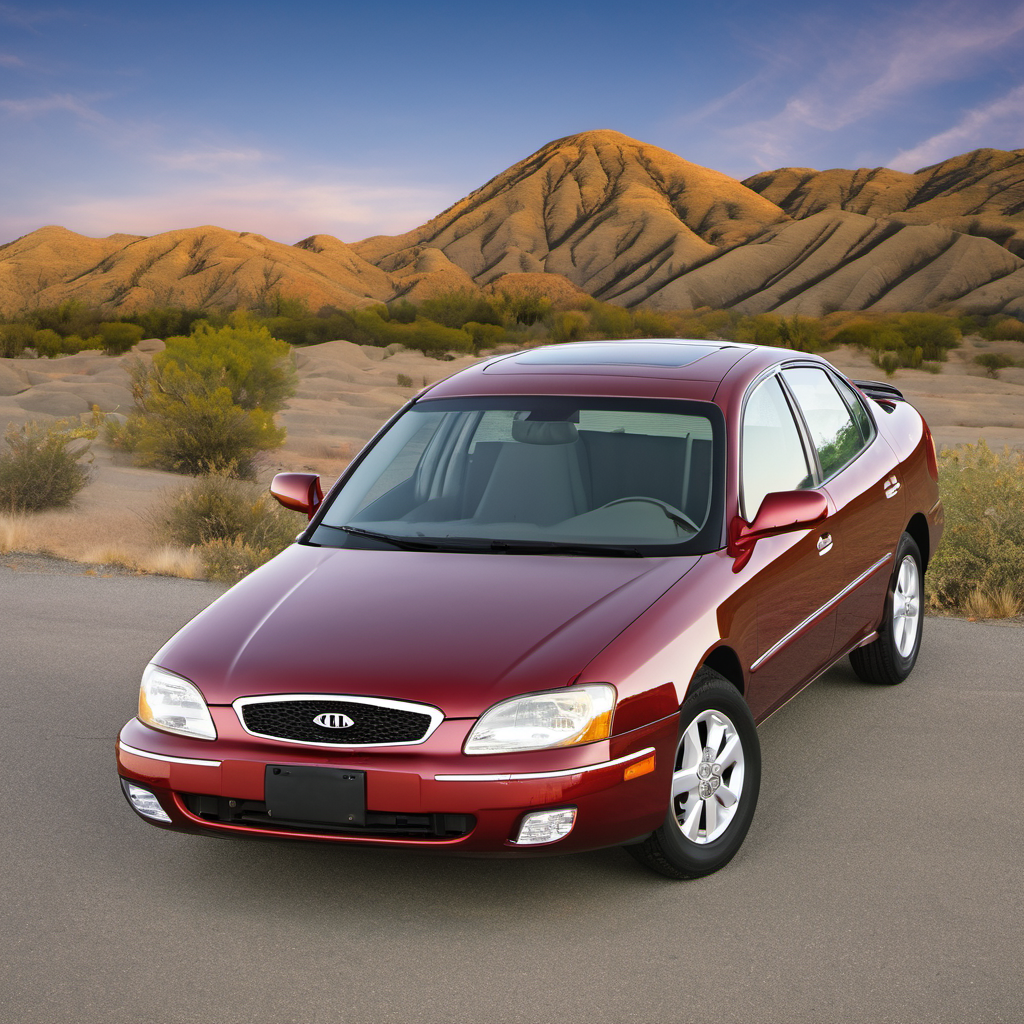
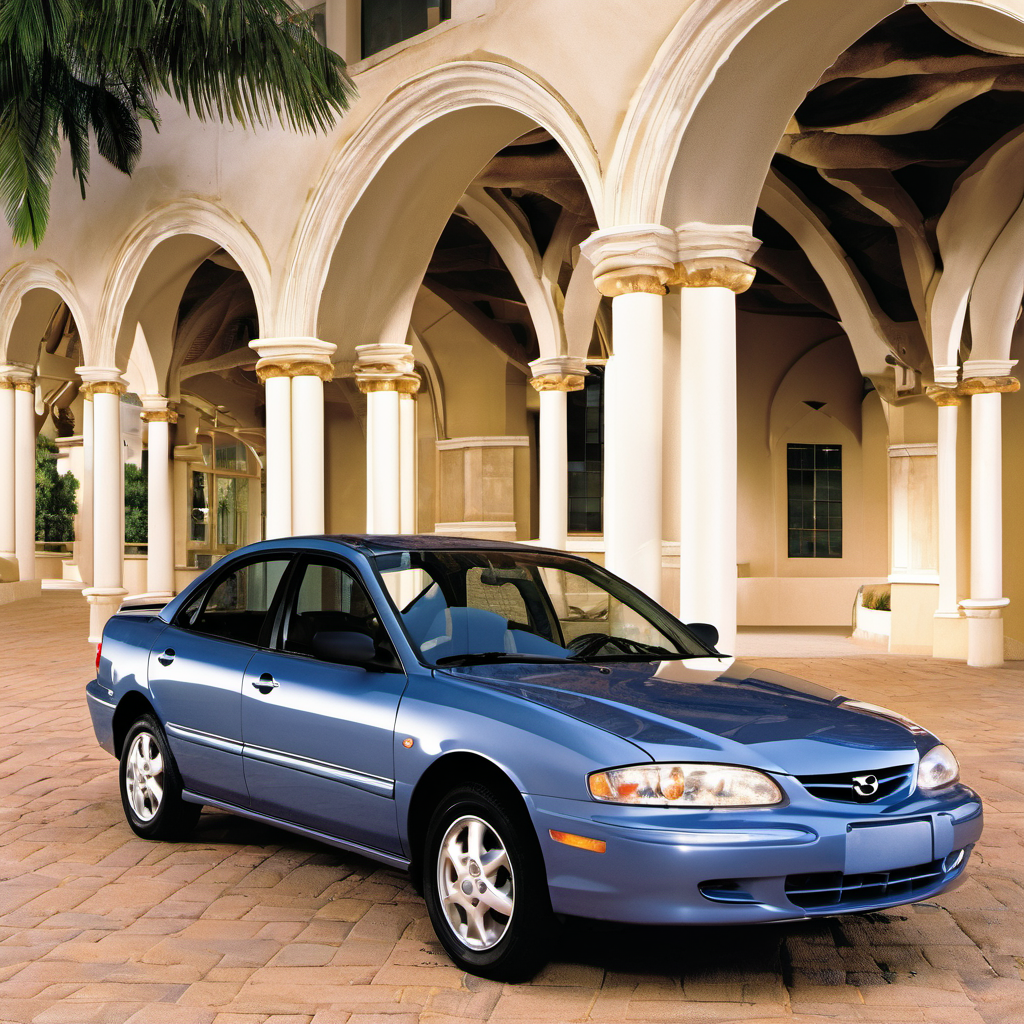
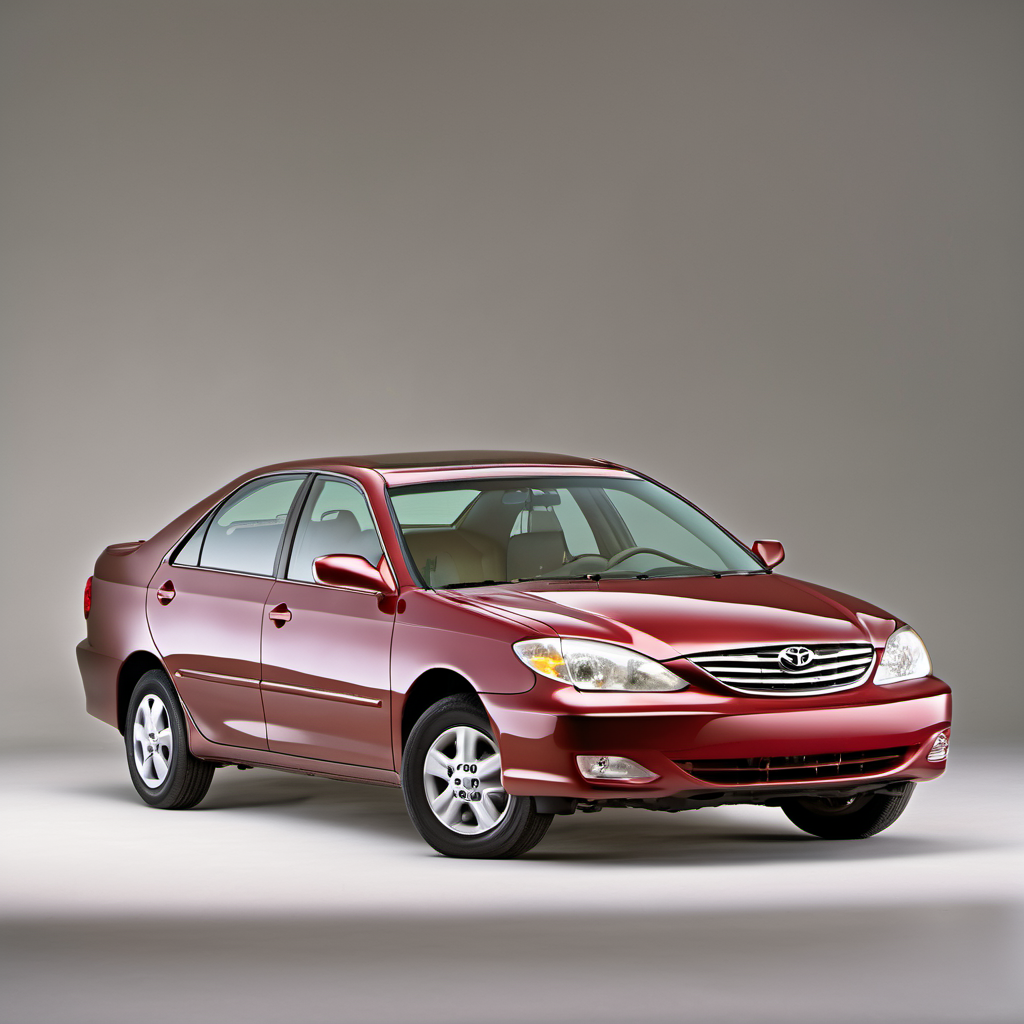
2002 Hyundai Sonata Sedan

2002 Hyundai

SonataSedan

Sedan

The 2002 Hyundai Sonata is a mid-size front-wheel-drive sedan from Hyundai's third generation (EF body), a car that represented a significant quality leap for the brand after years of being dismissed as a budget buy. By 2002 Hyundai had made real strides in fit, finish, and powertrain durability, offering a roomy interior and a comfortable ride at a price well below the Japanese competition. Under the hood sits either a 2.4L four-cylinder or an optional 2.7L V6. The four-cylinder is the more common engine and is generally the more reliable of the two. The automatic transmission of this era is acceptable but not a standout — it can be sensitive to fluid neglect. Overall the car was a solid commuter and family sedan for its price point, though it does not have the long-term durability reputation of a same-era Camry or Accord. At 20+ years old, any surviving 2002 Sonata is going to be high-mileage and heavily age-dependent. Rust is a serious concern on Wisconsin roads. Mechanical wear items are cheap to fix, but corrosion-related failures can make an otherwise running car not worth repairing. Approach this vehicle as a short-term, low-cost transportation option rather than a long-haul keeper.

Reliability
2/5
Verified data
Specs shown for Sonata — the most common configuration. Other trims may vary in engine, drivetrain, or fuel economy. Sign in to see your vehicle's exact specs.
Engine
[object Object]
Drivetrain
FWD
Fuel
Gasoline
MPG
19 city / 27 hwy / 22 combined
Seats
Doors
Body
Midsize Cars

Overview

AI-curated

The 2002 Hyundai Sonata is a mid-size front-wheel-drive sedan from Hyundai's third generation (EF body), a car that represented a significant quality leap for the brand after years of being dismissed as a budget buy. By 2002 Hyundai had made real strides in fit, finish, and powertrain durability, offering a roomy interior and a comfortable ride at a price well below the Japanese competition. Under the hood sits either a 2.4L four-cylinder or an optional 2.7L V6. The four-cylinder is the more common engine and is generally the more reliable of the two. The automatic transmission of this era is acceptable but not a standout — it can be sensitive to fluid neglect. Overall the car was a solid commuter and family sedan for its price point, though it does not have the long-term durability reputation of a same-era Camry or Accord. At 20+ years old, any surviving 2002 Sonata is going to be high-mileage and heavily age-dependent. Rust is a serious concern on Wisconsin roads. Mechanical wear items are cheap to fix, but corrosion-related failures can make an otherwise running car not worth repairing. Approach this vehicle as a short-term, low-cost transportation option rather than a long-haul keeper.

Known for
  • Competitive value pricing when new
  • Roomy cabin for the class
  • Smooth, comfortable highway ride
  • Long Hyundai powertrain warranty (original owner only)
  • Improved build quality over 1990s Hyundai models
Best for
  • Budget-conscious buyers needing a basic commuter
  • Drivers with low annual mileage
  • Someone comfortable doing or paying for older-car upkeep
  • City and suburban driving
Watch for
  • Underbody and rocker panel rust — critical in Wisconsin salt country
  • Automatic transmission wear if fluid has never been changed
  • Oil sludge in neglected 2.4L engines
  • Age-hardened rubber (belts, hoses, bushings) throughout
  • Fading or cracked interior plastics common on 20+ year old examples

Common issues by mileage

6 known

Automatic Transmission Slipping or Harsh Shifts

high
Typically appears
80–150k mi
Estimated repair
$800 – $2,800

Engine Oil Sludge (2.4L and especially 2.7L V6)

medium
Typically appears
60–120k mi
Estimated repair
$300 – $2,500

Timing Belt Failure or Neglect

high
Typically appears
60k mi intervals
Estimated repair
$350 – $700

Oxygen Sensor Failure (Bank 1 Sensor 1 Heater Circuit)

medium
Typically appears
80–130k mi
Estimated repair
$150 – $350

Suspension Bushings and Ball Joints Worn

high
Typically appears
90k+ mi
Estimated repair
$200 – $700

Underbody and Rocker Panel Rust (Wisconsin Specific)

high
Typically appears
Any mileage on WI-registered vehicles
Estimated repair
$500 – $3,500

Maintenance schedule

  1. 1
    Every 60,000 miles or 5 years — whichever comes first Timing Belt and Water Pump Replacement

    The 2.4L is an interference engine. A snapped timing belt will bend valves and likely total the engine. At 20+ years old, replace it immediately if there is no documented history.

  2. 2
    Every 30,000 miles; immediately if history is unknown Automatic Transmission Fluid Drain and Fill

    The 4-speed automatic in this generation is sensitive to fluid condition. Dark, burnt-smelling fluid means the transmission has been stressed. Use only Hyundai-specified ATF.

  3. 3
    Every 5,000 miles or 6 months with conventional oil Engine Oil Change with Sludge Inspection

    The 2.4L is prone to sludge under extended drain intervals. Pull the oil cap and look for mayonnaise-like buildup. If present, budget for a flush or engine inspection before driving it further.

  4. 4
    Every 30,000 miles or 3 years Coolant System Flush

    Old coolant loses corrosion inhibitors and accelerates deterioration of the water pump, thermostat housing, and hoses — all of which are already 20+ years old.

  5. 5
    Inspect every 30k mi; replace every 60k mi or if any cracking is visible Serpentine and Accessory Belt Inspection/Replacement

    Rubber hardens and cracks with age regardless of mileage. At this vehicle's age, assume it needs replacement if there's no documented history.

  6. 6
    Every 2 years Brake Fluid Flush

    Brake fluid absorbs moisture over time, lowering boiling point and corroding caliper and master cylinder internals. Especially important before Wisconsin winters.

  7. 7
    Annually, preferably before winter Full Underbody Rust Inspection

    Wisconsin road salt attacks brake lines, fuel lines, and frame rails. Soft or flaking metal on structural points can make the car unsafe to drive regardless of mechanical condition.

  8. 8
    Every fall, before temperatures drop below freezing Battery Load Test

    A battery that starts the car fine at 60°F can fail completely at 0°F. The 2002 Sonata's charging system is basic — a weak battery will strand you in Lake Geneva's winter cold.

Always defer to the manufacturer's service manual for warranty-mandated intervals.

Cost of ownership

Annual maintenance
$700 – $2,000
Fuel
At 22 MPG combined and ~12,000 miles/year, expect roughly $1,500–$1,800/year at current Midwest gas prices
Insurance
Typically low — expect $700–$1,200/year for full coverage on a vehicle of this age and value; liability-only would be significantly less

On paper, a 2002 Sonata is cheap to own. Routine maintenance is inexpensive and parts are widely available. The risk is unexpected repair costs: a transmission job, timing belt failure (if ignored), or rust remediation can quickly exceed the car's market value. Budget for surprises and set a repair ceiling before you sink money into it.
Seasonal care

Lake Geneva, WI
Winter
  • Load-test the battery every October — cold-cranking performance degrades sharply in sub-zero Lake Geneva temps and this vehicle's battery is 20+ years of hard winters old
  • Switch to a full-synthetic 5W-30 oil if not already; it flows far better at cold starts below 0°F and reduces wear during those critical first seconds
  • Inspect all rubber brake lines and steel brake lines for rust perforation before the first snowfall — a corroded line can fail suddenly on a slippery road
  • Top off windshield washer fluid with a -20°F or -40°F rated fluid; summer-grade fluid will freeze solid in the reservoir and spray nozzles
  • Check tire tread depth and consider dedicated winter tires — the factory all-season tires on a 20-year-old car are almost certainly due for replacement regardless of season
  • Flush and refill coolant to ensure freeze protection to at least -34°F; degraded coolant can freeze in the block overnight
Summer
  • Check tire pressure monthly — pressure drops roughly 1 PSI for every 10°F temperature change, and summer heat can mask a slow leak until the tire is dangerously underinflated
  • Inspect the A/C system for refrigerant leaks and compressor function; if the system hasn't been serviced in years, a recharge and leak check is worthwhile before July heat arrives
  • Watch coolant temperature on hot days — a 20-year-old cooling system with an aging thermostat, water pump, or clogged radiator will run hot in stop-and-go traffic faster than a newer car
  • Inspect the cabin air filter if equipped; a clogged filter reduces A/C airflow significantly and puts extra load on the blower motor

Comparable vehicles

If you're shopping for one

Red flags
  • Perforated or soft metal on rockers, subframe, or brake lines — walk away regardless of price
  • No service records and unknown timing belt history on an interference engine
  • Slipping, harsh, or delayed automatic transmission — a rebuild will likely cost more than the car's value
  • Milky oil or sludge visible under the oil cap — engine damage may already be done
  • Any check engine light that the seller cannot explain with a clear repair history
  • Evidence of overheating (white residue around coolant hoses, warped hood paint near radiator, heater that blows cold)
What to inspect
  • Lift the car on a hoist and probe the rocker panels, frame rails, and rear subframe for rust — not surface scale, but actual perforation or soft metal
  • Pull the oil cap and look inside for sludge (thick, dark, mayonnaise-like deposits); this is a fast indicator of oil change neglect
  • Check the timing belt replacement date on the sticker under the hood or in service records — if unknown, assume it's overdue
  • Test the automatic transmission through all gears including manual hold; slipping, shuddering, or delayed engagement are red flags
  • Inspect all rubber hoses and belts for cracking, swelling, or brittleness — at 20+ years these are likely original or not far from it
  • Look for coolant stains around the water pump, thermostat housing, and lower radiator hose connections
  • Test the A/C, heat, and all power accessories — repairs on a car this old often cost more than the car is worth
AI profile generated 13 days ago · claude-sonnet-4-6 · v2.