VQ35DE Oil Sludge / Valve Train Wear from Infrequent Oil Changes
medium- Typically appears
- 60–150k mi
- Estimated repair
- $400 – $1,800
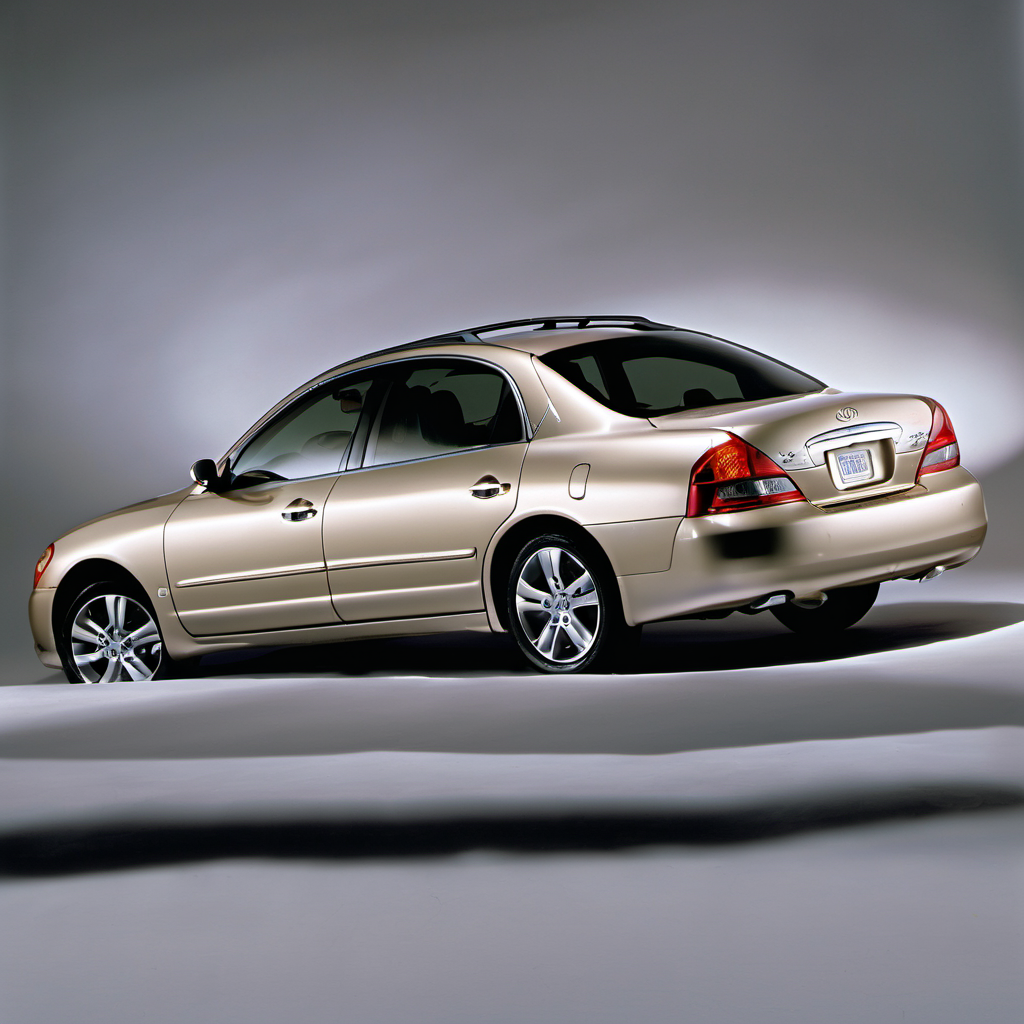
2002 INFINITI
3.5L V6 · Sedan
The 2002 Infiniti I35 is a front-wheel-drive luxury sedan built on Nissan's FF-L platform, sharing its bones with the Nissan Maxima. It replaced the I30 and was the final generation of the 'I' nameplate before Infiniti retired it in 2004. Powered by a smooth 3.5L V6, the I35 delivered genuine luxury-car refinement — quiet cabin, supple ride, and a well-appointed interior — at a price below many European competitors. It carved out a niche for buyers who wanted near-BMW comfort and power without the maintenance cost of a German luxury car. The VQ35DE engine is one of Nissan/Infiniti's strongest powerplants, with a well-earned reputation for durability when oil is changed on schedule. The rest of the car, however, carries some age-related vulnerabilities that buyers of a now 20+ year old example need to respect. At this age, condition and maintenance history matter far more than the model's general reputation. A well-kept I35 with documented service is a solid find; a neglected one can become an expensive parts hunt, since dealer support has diminished and some interior trim pieces are now scarce.
The 2002 Infiniti I35 is a front-wheel-drive luxury sedan built on Nissan's FF-L platform, sharing its bones with the Nissan Maxima. It replaced the I30 and was the final generation of the 'I' nameplate before Infiniti retired it in 2004. Powered by a smooth 3.5L V6, the I35 delivered genuine luxury-car refinement — quiet cabin, supple ride, and a well-appointed interior — at a price below many European competitors. It carved out a niche for buyers who wanted near-BMW comfort and power without the maintenance cost of a German luxury car. The VQ35DE engine is one of Nissan/Infiniti's strongest powerplants, with a well-earned reputation for durability when oil is changed on schedule. The rest of the car, however, carries some age-related vulnerabilities that buyers of a now 20+ year old example need to respect. At this age, condition and maintenance history matter far more than the model's general reputation. A well-kept I35 with documented service is a solid find; a neglected one can become an expensive parts hunt, since dealer support has diminished and some interior trim pieces are now scarce.
The VQ35DE's VVT system depends on clean, pressurized oil. Sludge from extended intervals is the single most common cause of expensive camshaft timing failures on this engine.
Nissan's RE5F01A transmission is reliable with clean fluid and fragile without it. Use only Nissan Matic-D or equivalent specified fluid — the wrong fluid accelerates wear.
Aged coolant loses its corrosion inhibitors. On a 20+ year old car, inspect hoses and the radiator cap at every flush; rubber deteriorates and the plastic radiator end tanks can crack.
Factory plugs last long, but a 20-year-old car may be well overdue. Worn plugs stress the ignition coils, which are a known secondary failure item.
Glycol-based brake fluid absorbs moisture over time. In Wisconsin winters, water contamination in the lines accelerates internal caliper and master cylinder corrosion.
Brake lines, fuel lines, and exhaust components are at high risk on a Midwest car this age. Catching surface rust early with a wire brush and rust-inhibiting coating is far cheaper than replacing a corroded brake line on the roadside.
A snapped belt in a Wisconsin winter leaves you stranded. On a car this age, replacement is cheap insurance regardless of appearance.
Cold-cranking demands in sub-zero Lake Geneva winters will expose a weak battery instantly. A battery that tests marginal in October will likely fail in January.
Always defer to the manufacturer's service manual for warranty-mandated intervals.
Day-to-day running costs are reasonable for the class — the VQ35DE is not thirsty and routine service is straightforward. The wildcard on a 20-year-old example is deferred maintenance catching up: a transmission service, full brake job, and oxygen sensor replacement in the same year can push costs above $2,000. Budget a small reserve for age-related repairs.
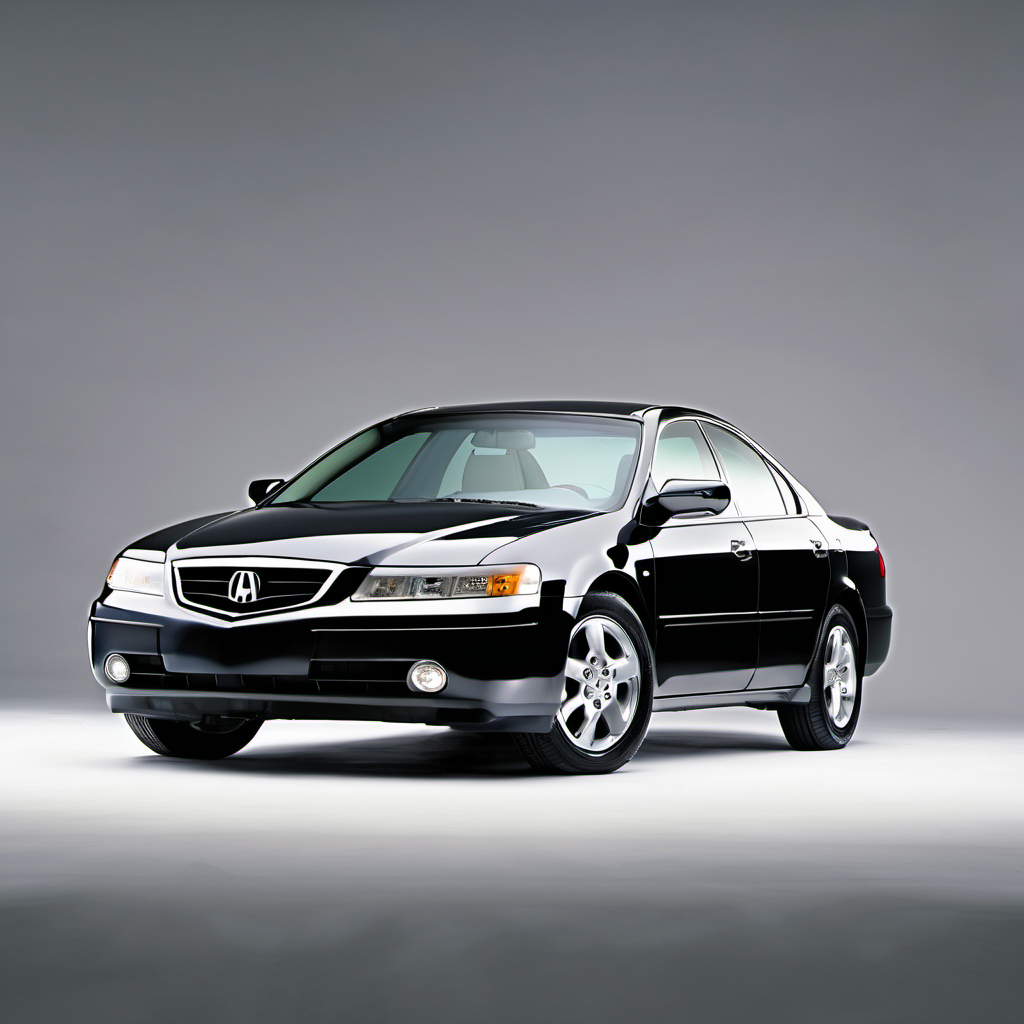
Same segment, same era, same FWD Japanese luxury approach. The TL's J-series V6 is equally durable; parts and mechanic familiarity may be slightly better.
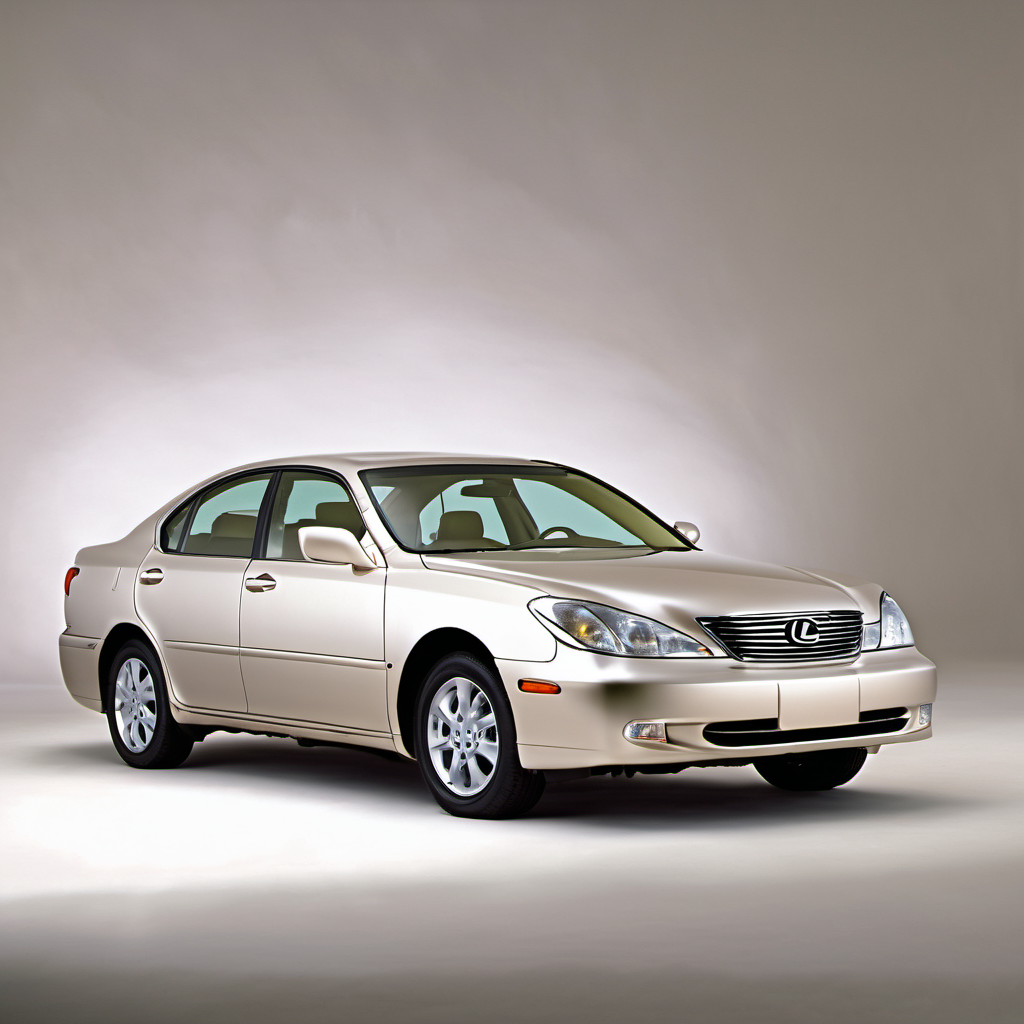
Direct competitor in FWD Japanese luxury sedans. The ES300 is often slightly more expensive used but has a stronger reliability reputation and better long-term parts support.
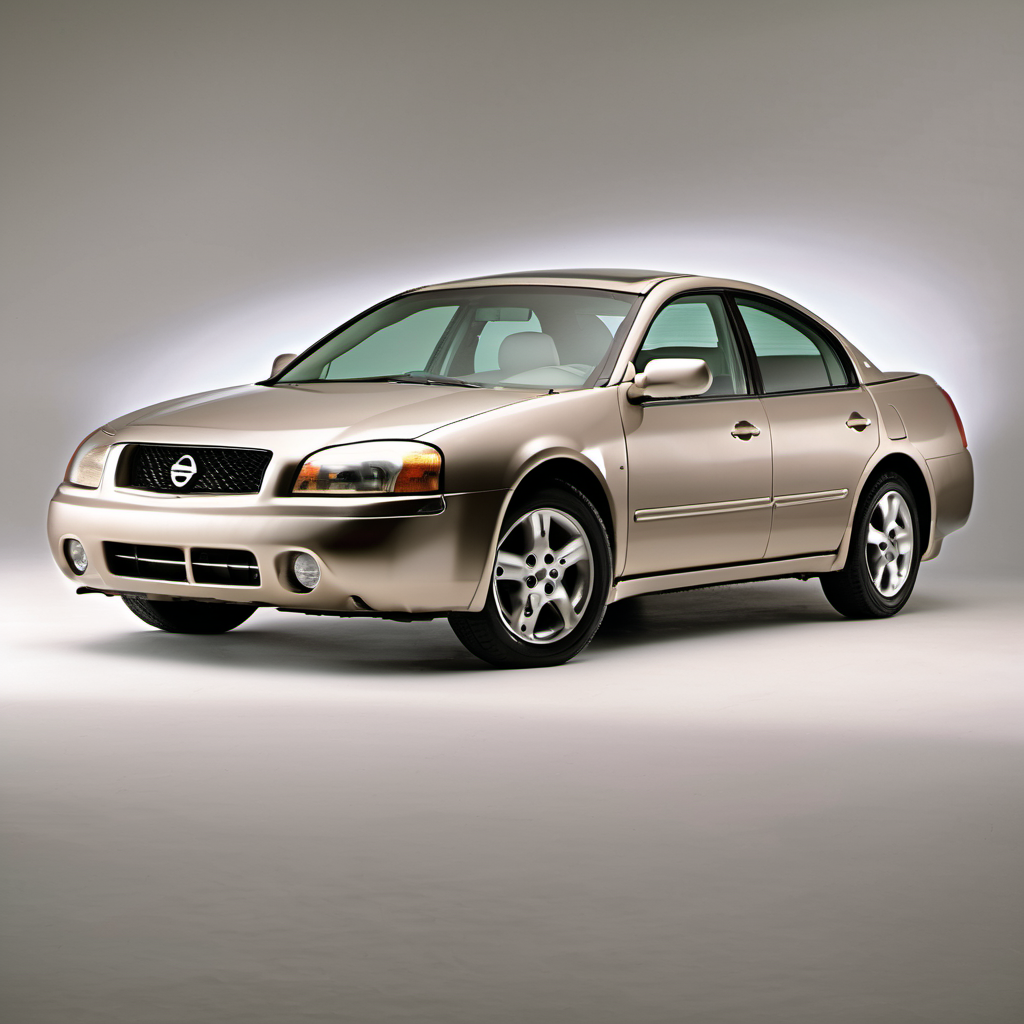
The I35 shares its platform and engine with the Maxima. The Maxima is sportier-tuned but mechanically nearly identical — parts are often cheaper and more plentiful.
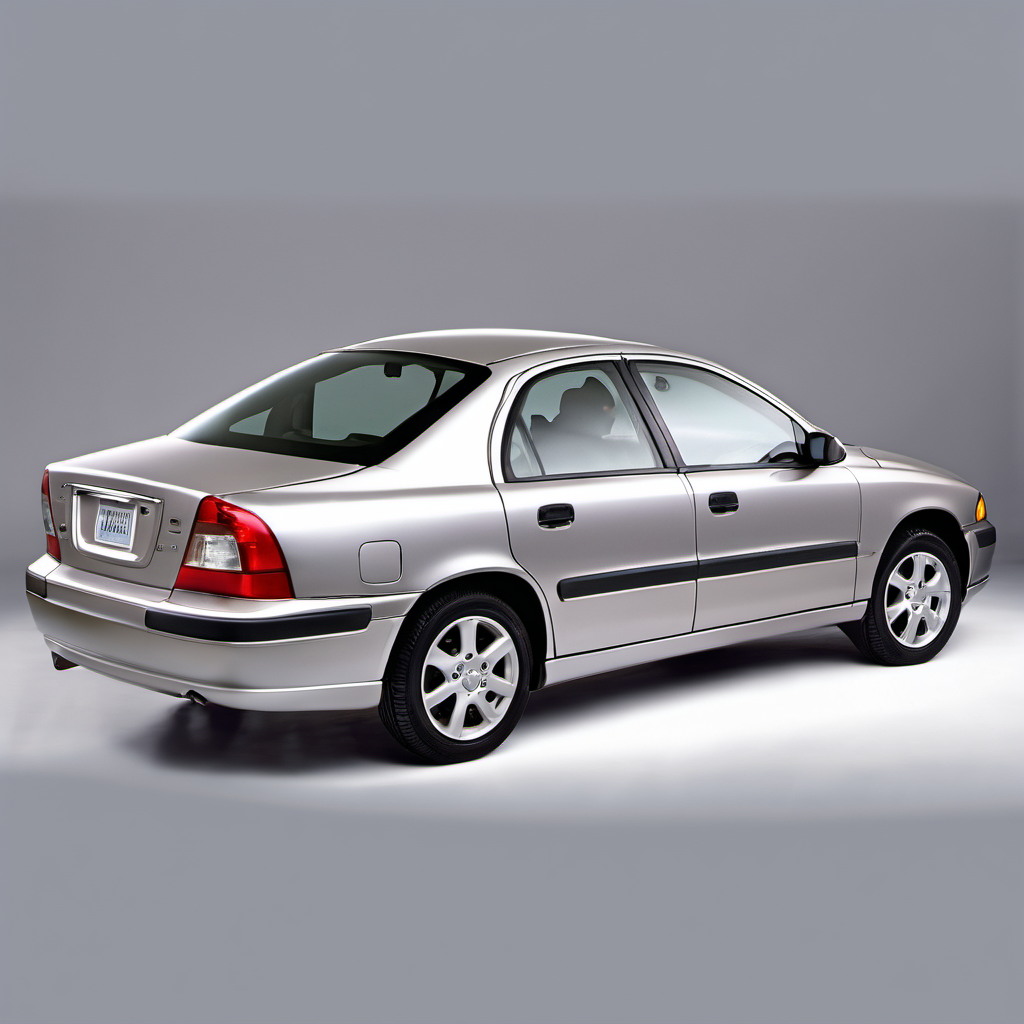
European alternative at similar used-market prices. More driver-focused, but significantly higher maintenance costs and more complex systems make the I35 the more practical long-term ownership choice.