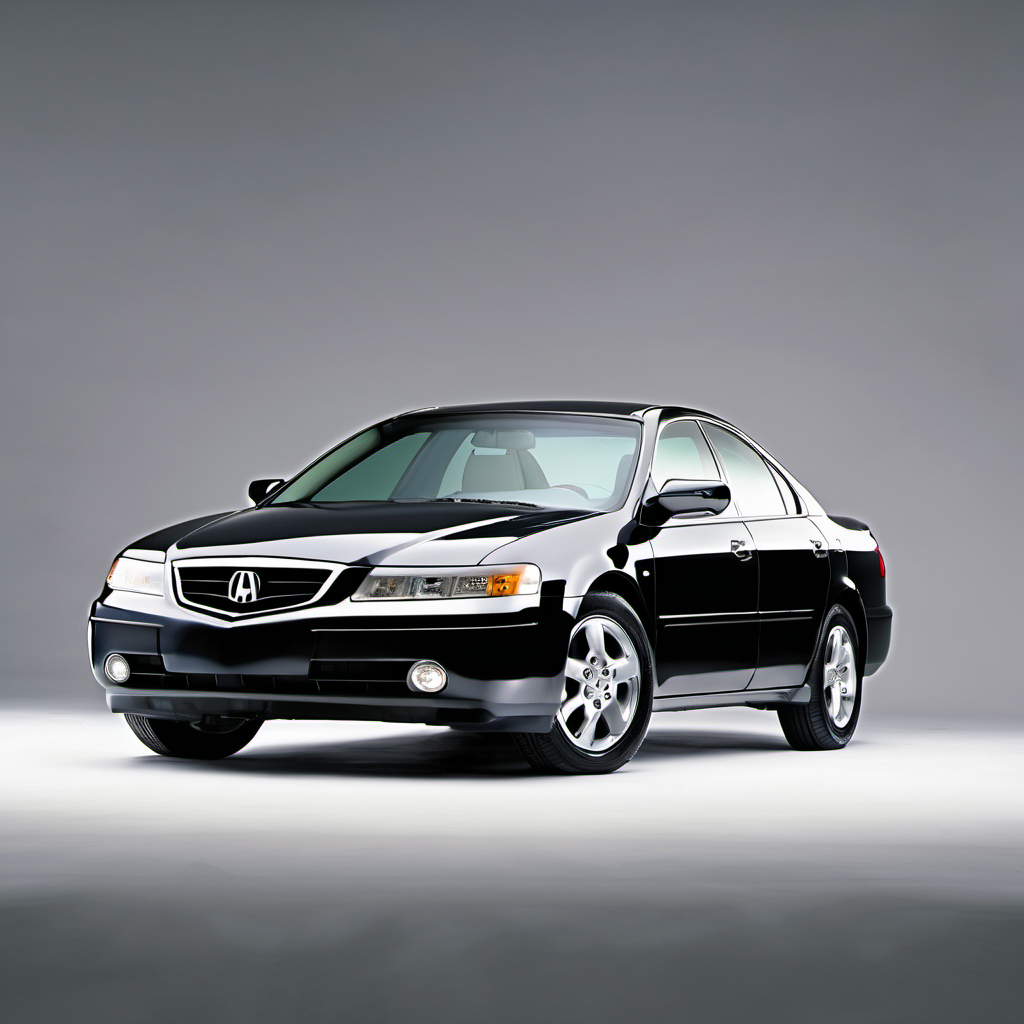
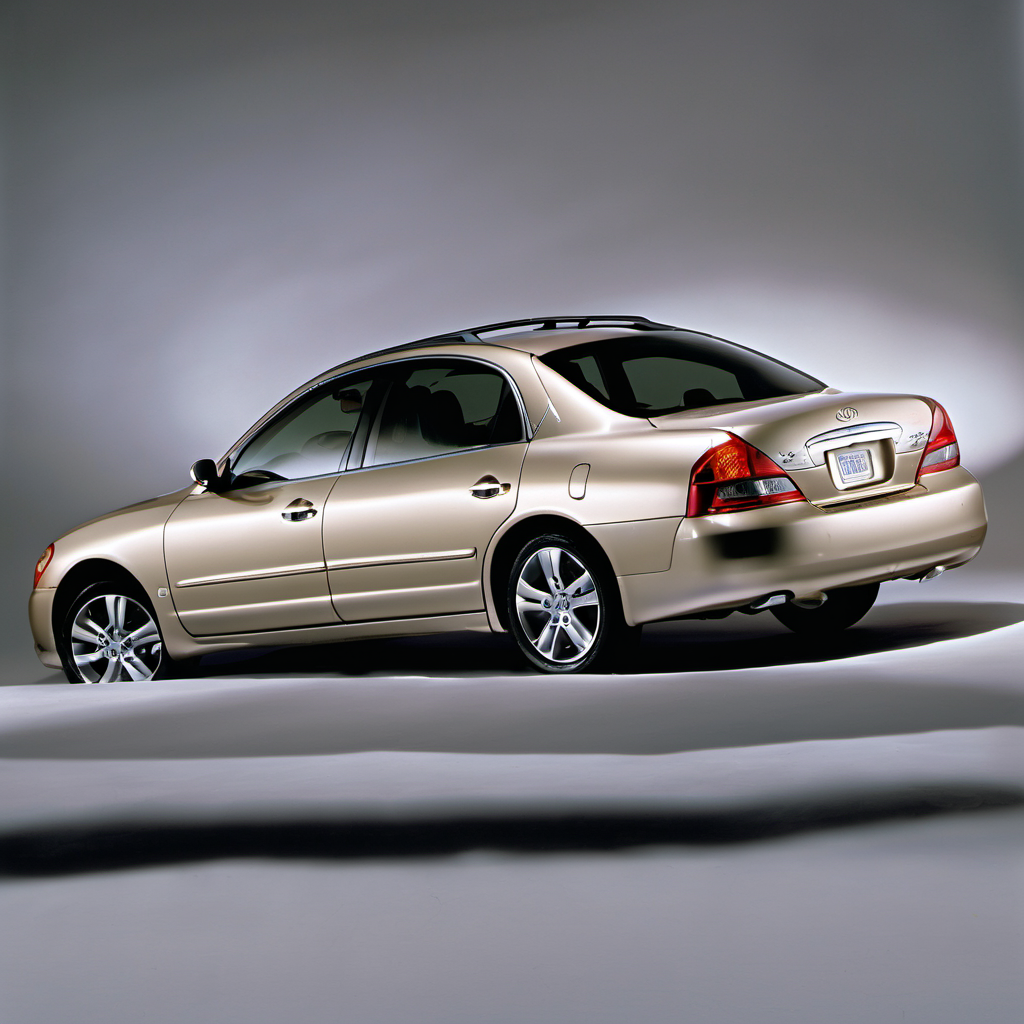
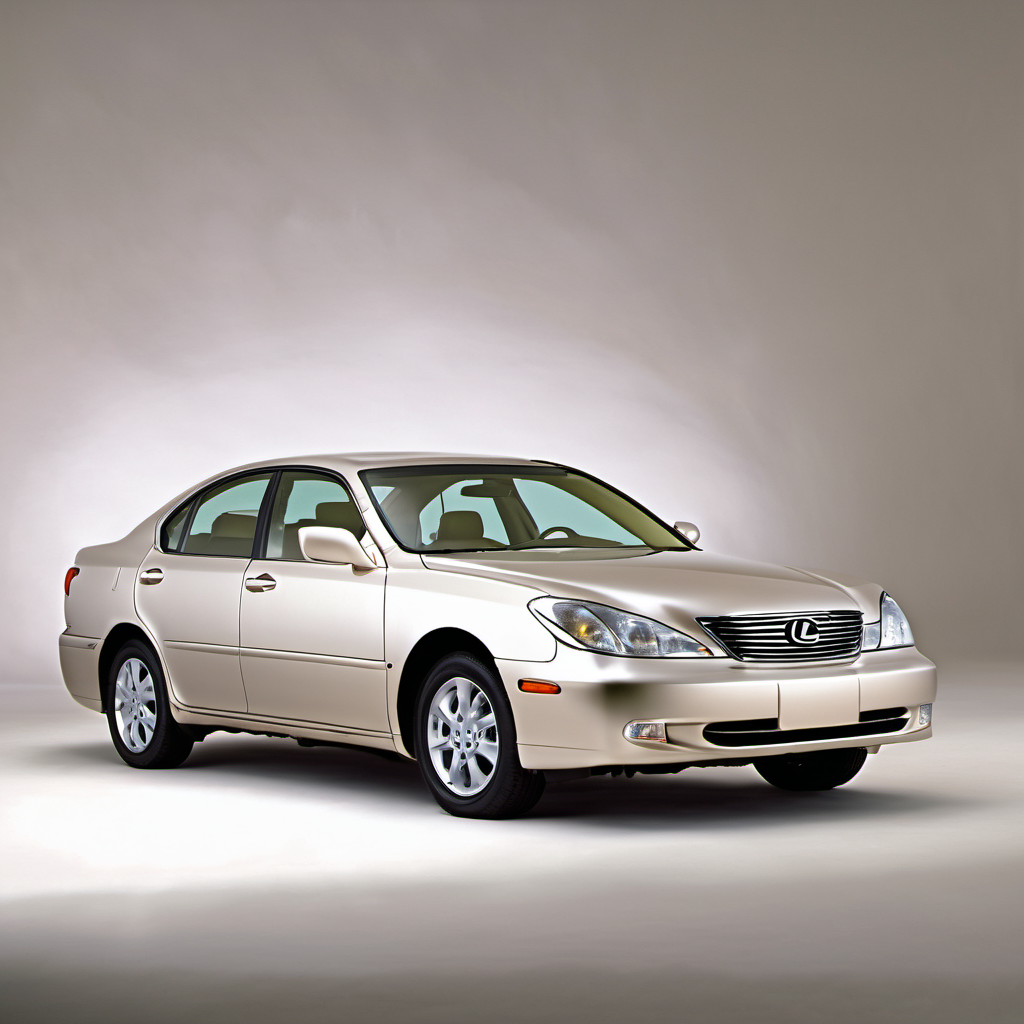
2002 Acura TL Sedan

2002 Acura

TLSedan

Sedan

The 2002 Acura TL is the second-generation (UA5) TL, powered by a 3.2L SOHC VTEC V6 mated to a 5-speed automatic transmission. It was Acura's volume-leading sedan, positioned as a near-luxury daily driver with Honda's legendary powertrain reliability underneath a premium badge. At the time it competed squarely with the BMW 3 Series and Lexus IS 300, but at a notably lower price point. The J32A2 engine in this generation is fundamentally stout, but the 2002 model year sits in a window where the automatic transmission — a known weak link — is a primary ownership concern. The 5-speed unit in this generation is prone to failure, particularly under hard use or if transmission fluid changes were neglected. Budget for a possible transmission rebuild or replacement when buying used. Overall, a well-maintained 2002 TL with a healthy or already-rebuilt transmission is a solid buy. The interior is quiet, the V6 is smooth and pulls well, and parts availability from Honda/Acura dealers and the aftermarket remains decent even at 20+ years old.

Reliability
3/5
Verified data
Specs shown for 3.2TL — the most common configuration. Other trims may vary in engine, drivetrain, or fuel economy. Sign in to see your vehicle's exact specs.
Engine
[object Object]
Drivetrain
FWD
Fuel
Premium gasoline
MPG
17 city / 27 hwy / 21 combined
Seats
Doors
Body
Midsize Cars

Overview

AI-curated

The 2002 Acura TL is the second-generation (UA5) TL, powered by a 3.2L SOHC VTEC V6 mated to a 5-speed automatic transmission. It was Acura's volume-leading sedan, positioned as a near-luxury daily driver with Honda's legendary powertrain reliability underneath a premium badge. At the time it competed squarely with the BMW 3 Series and Lexus IS 300, but at a notably lower price point. The J32A2 engine in this generation is fundamentally stout, but the 2002 model year sits in a window where the automatic transmission — a known weak link — is a primary ownership concern. The 5-speed unit in this generation is prone to failure, particularly under hard use or if transmission fluid changes were neglected. Budget for a possible transmission rebuild or replacement when buying used. Overall, a well-maintained 2002 TL with a healthy or already-rebuilt transmission is a solid buy. The interior is quiet, the V6 is smooth and pulls well, and parts availability from Honda/Acura dealers and the aftermarket remains decent even at 20+ years old.

Known for
  • Smooth, rev-happy 3.2L VTEC V6
  • Refined, quiet cabin for its class and era
  • Strong Honda mechanical underpinnings
  • 5-speed automatic transmission reliability problems
  • Competitive near-luxury value when new
Best for
  • Daily commuters wanting near-luxury comfort on a budget
  • Buyers who prioritize a smooth, refined driving experience
  • Owners comfortable with independent-shop Honda/Acura service
  • Those who can verify transmission service history before buying
Watch for
  • Automatic transmission failure — the #1 issue on this generation
  • Power steering rack leaks at higher mileage
  • Aged rubber: motor mounts, suspension bushings go soft after 20 years
  • Deferred maintenance on timing belt and coolant on used examples
  • Premium fuel required — budget accordingly

Common issues by mileage

6 known

5-Speed Automatic Transmission Failure

high
Typically appears
80–130k mi
Estimated repair
$1,800 – $3,800

Timing Belt & Water Pump Service Overdue

high
Typically appears
90–105k mi (interval-based)
Estimated repair
$600 – $950

Power Steering Rack Leak / Seal Failure

medium
Typically appears
100–160k mi
Estimated repair
$500 – $1,200

Motor Mount Deterioration (Vibration at Idle)

medium
Typically appears
80–140k mi
Estimated repair
$250 – $600

Camshaft Position / VTC Actuator Fault (VTEC Oil Pressure)

medium
Typically appears
100–180k mi
Estimated repair
$300 – $800

Oxygen Sensor Heater Circuit Failure

medium
Typically appears
100–160k mi
Estimated repair
$150 – $400

Maintenance schedule

  1. 1
    Every 30,000 miles — do not skip or extend Automatic Transmission Fluid Change

    This generation's 5-speed automatic is sensitive to fluid condition. Use only Honda ATF-Z1 or a direct OEM equivalent. Running old or incorrect fluid dramatically accelerates failure. If service history is unknown, change it now.

  2. 2
    Every 90,000 miles or 7 years, whichever comes first Timing Belt, Water Pump & Drive Belt Replacement

    The J32A2 is an interference engine — a snapped timing belt causes catastrophic valve and piston damage. At 20+ years old, age alone justifies replacement regardless of mileage if not recently done.

  3. 3
    Every 5,000 miles using 5W-20 or 5W-30 full synthetic Engine Oil & Filter Change (Premium fuel engine)

    VTEC and VTC actuators depend on clean, pressurized oil. Dirty oil is the leading cause of VTEC-related DTCs and sludge buildup on this engine family.

  4. 4
    Every 5 years or 60,000 miles Coolant Flush (Honda Long-Life Blue)

    Honda's proprietary coolant chemistry degrades on a time basis. Mixing with generic green coolant causes corrosion inside the aluminum block and radiator.

  5. 5
    Every 60,000 miles Spark Plug Replacement (Iridium OEM spec)

    Original OEM plugs are iridium-tipped with a long service life, but worn plugs on a VTEC engine cause rough idle, misfires, and reduced fuel economy.

  6. 6
    Every oil change — inspect for leaks annually Power Steering Fluid Inspection & Top-Off

    Rack seals on this generation age and weep fluid. Catching low PS fluid early prevents pump and rack damage, which is expensive to fix.

  7. 7
    Every 3 years Brake Fluid Flush

    Brake fluid is hygroscopic. Wisconsin winters accelerate moisture absorption through caliper boots and reservoir seals. Wet fluid raises brake fade risk and corrodes ABS components.

  8. 8
    Every 40,000 miles or at each tire rotation Suspension Bushing & Motor Mount Inspection

    Rubber components on a 20-year-old vehicle degrade from age as much as mileage. Wisconsin road salt accelerates metal-to-rubber bonding corrosion. Worn mounts cause vibration and drivetrain strain.

Always defer to the manufacturer's service manual for warranty-mandated intervals.

Cost of ownership

Annual maintenance
$700 – $1,600
Fuel
Premium fuel required (91 octane). At 21 MPG combined and ~15,000 miles/year, expect roughly $2,000–$2,400/year in fuel at current Midwest prices. Running regular 87 octane long-term risks knock and engine damage.
Insurance
Typically $900–$1,400/year for a 20+ year old near-luxury sedan in Wisconsin, depending on driver profile and coverage level. Actual cash value is low, so many owners carry liability-only.

Day-to-day costs are moderate for a near-luxury sedan — the Honda V6 doesn't need exotic parts. The wildcard is the transmission: if it hasn't been rebuilt, set aside $2,000–$3,800 as a contingency. Annual maintenance on a well-kept example with no deferred work runs $700–$1,600. Premium fuel adds cost over a regular-grade competitor. Overall, the TL is an affordable near-luxury car to own as long as the transmission situation is resolved upfront.
Seasonal care

Lake Geneva, WI
Winter
  • Switch to a full synthetic 5W-20 or 5W-30 oil before first freeze — this engine cranks hard at sub-zero temps with thick conventional oil.
  • Test the battery every October. Cold-cranking amps drop significantly below 0°F and this FWD sedan sits lower to salt-spray than a truck; battery and cable terminals corrode faster.
  • Flush and refill washer fluid with a rated -20°F or lower concentrate. Lake Geneva winters regularly hit single digits.
  • Inspect and treat underbody and wheel wells for rust — road salt in Wisconsin is aggressive and the TL's aging brake lines and fuel lines are vulnerable on a 20+ year old car.
  • Check tire pressure monthly — every 10°F drop in temperature reduces pressure by roughly 1 PSI, affecting handling on snow and ice.
  • Keep the gas tank at least half full to prevent fuel line moisture and add weight over the front-drive wheels for traction.
Summer
  • Inspect the A/C system for refrigerant level and compressor clutch engagement — recharging an aged system is common on vehicles this old.
  • Check coolant concentration with a refractometer; a system that's correct for -34°F is also correct to prevent summer boilover above 265°F.
  • Monitor tire pressure weekly in July and August — hot pavement can raise pressure 4–6 PSI above the door-placard spec, increasing wear and blowout risk.
  • Inspect the cabin air filter — pollen and road debris from winter accumulate and reduce A/C airflow significantly.
  • After winter, wash the undercarriage thoroughly to flush salt from brake lines, suspension components, and the exhaust system before corrosion sets in deeper.

Comparable vehicles

If you're shopping for one

Red flags
  • Any transmission slipping, shuddering, or delayed engagement — walk away or negotiate a significant price reduction.
  • No timing belt service records on a vehicle over 90,000 miles — this is a $600–$950 immediate expense on an interference engine.
  • Burnt transmission fluid smell — indicates the unit has already been cooked.
  • Visible rust on the brake lines or fuel lines underneath the vehicle.
  • Check Engine light on at time of sale — have it scanned before purchase; VTC/VTEC codes (P0012, P0015) may indicate oil maintenance neglect.
  • Cooling system with mixed or unknown coolant — indicates deferred maintenance and potential internal corrosion.
What to inspect
  • Transmission behavior: check for slipping, hard shifts, delayed engagement from Park, or shudder on the highway. Any of these mean rebuild is imminent.
  • Pull the transmission dipstick — fluid should be pink/red and not smell burnt. Dark brown or black fluid with a burnt odor is a serious red flag.
  • Ask for documentation of timing belt replacement. If the seller can't prove it was done, budget $700–$950 to do it immediately.
  • Look under the hood for oil leaks around the valve cover gaskets and at the front of the engine (timing belt cover area).
  • Inspect the power steering reservoir and rack boots for wetness or fluid staining.
  • Check all four motor mounts by having someone rev the engine in drive with the brake held while you watch for excessive engine movement.
  • Inspect undercarriage for rust on brake lines, fuel lines, and frame rails — 20 Wisconsin winters can be brutal.
  • Test the A/C compressor engagement and cooling output.
AI profile generated 8 days ago · claude-sonnet-4-6 · v2.