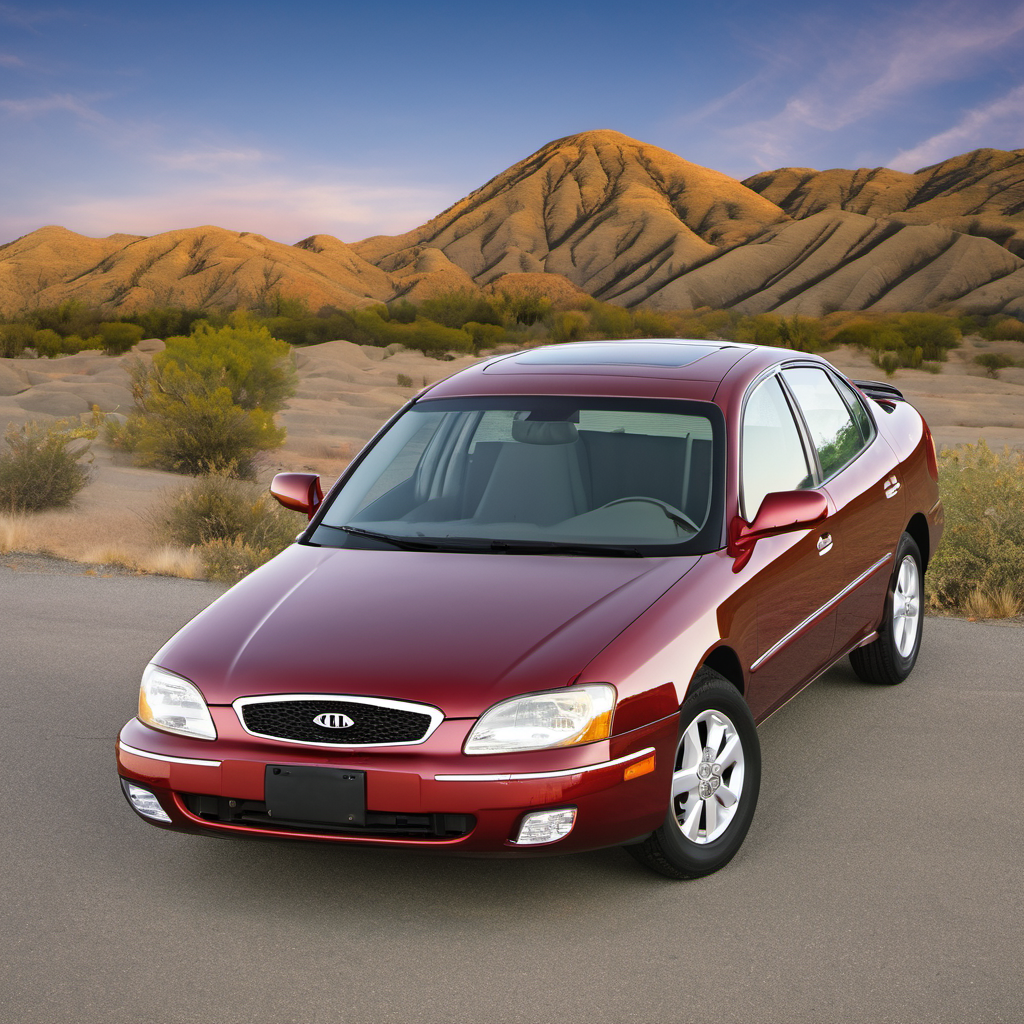
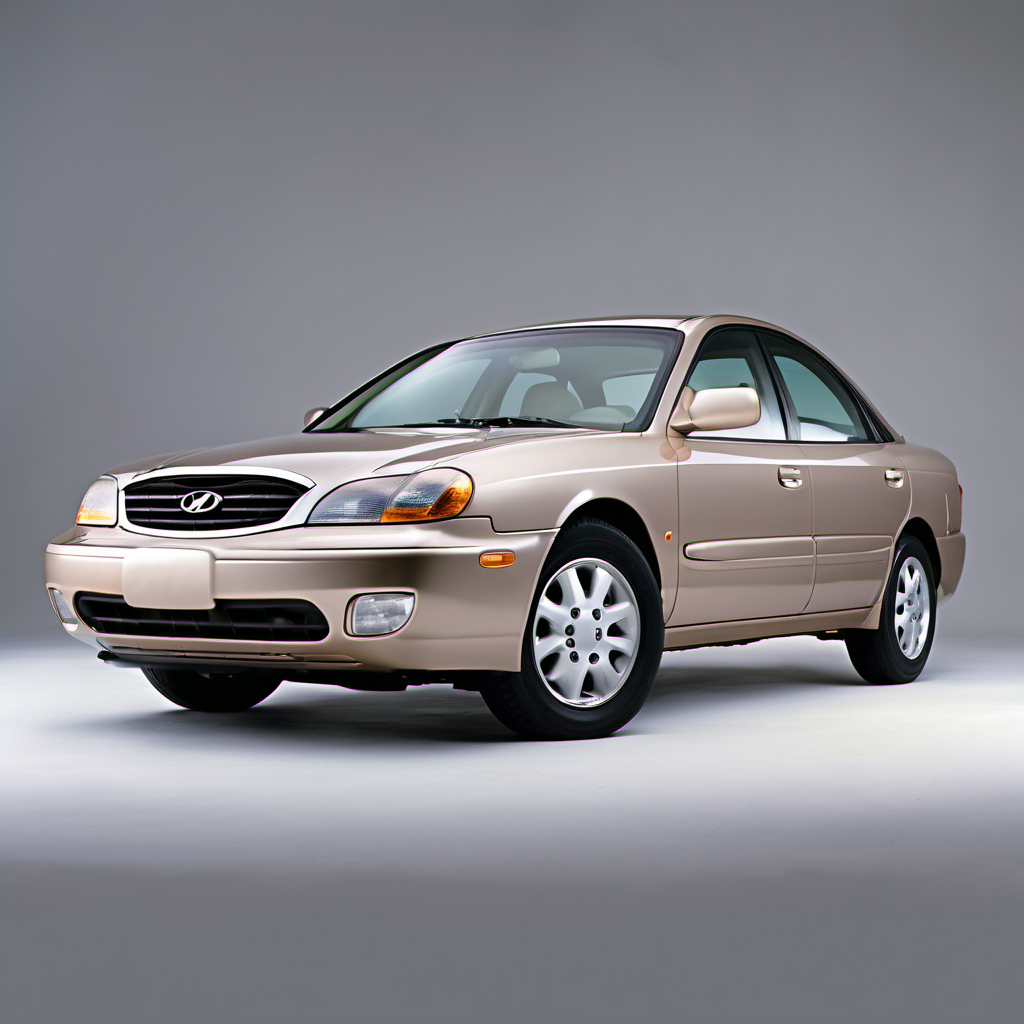
2002 Kia Optima Sedan

2002 Kia

OptimaSedan

Sedan

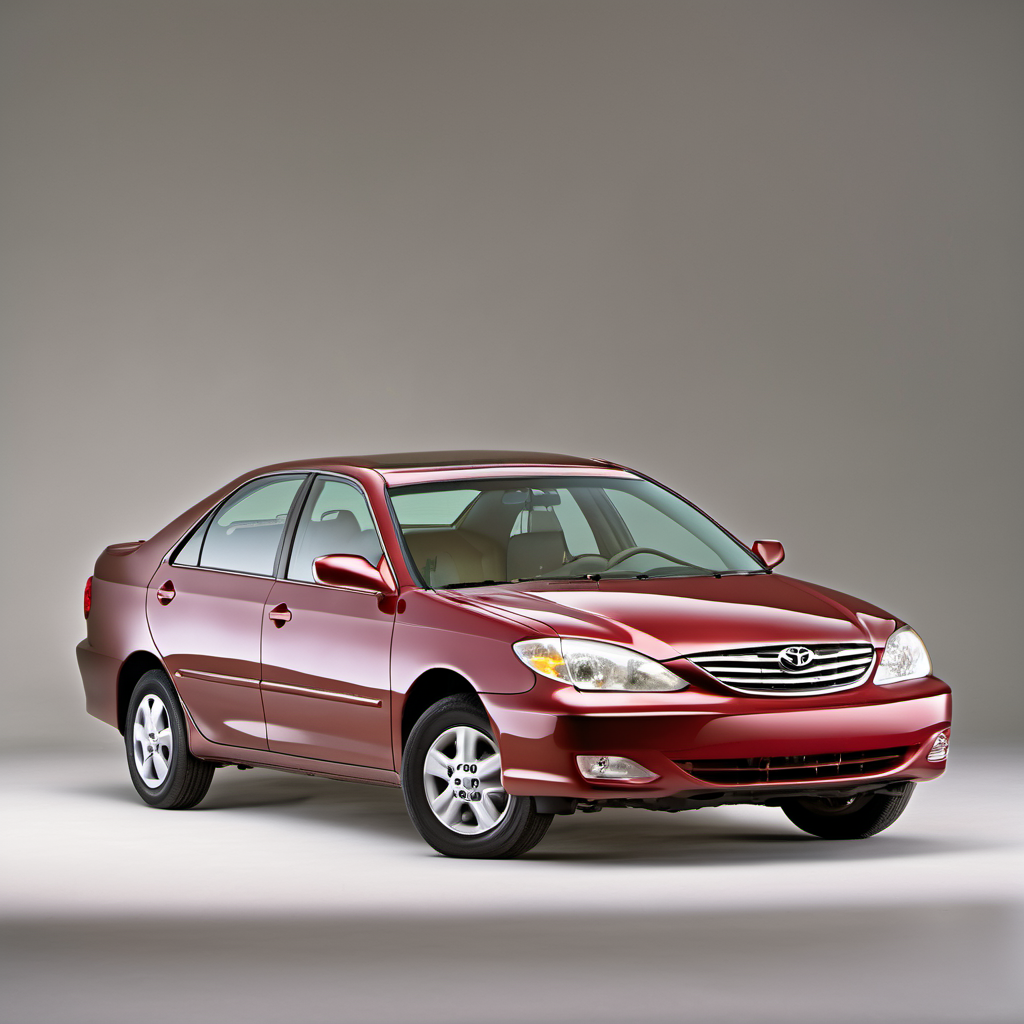
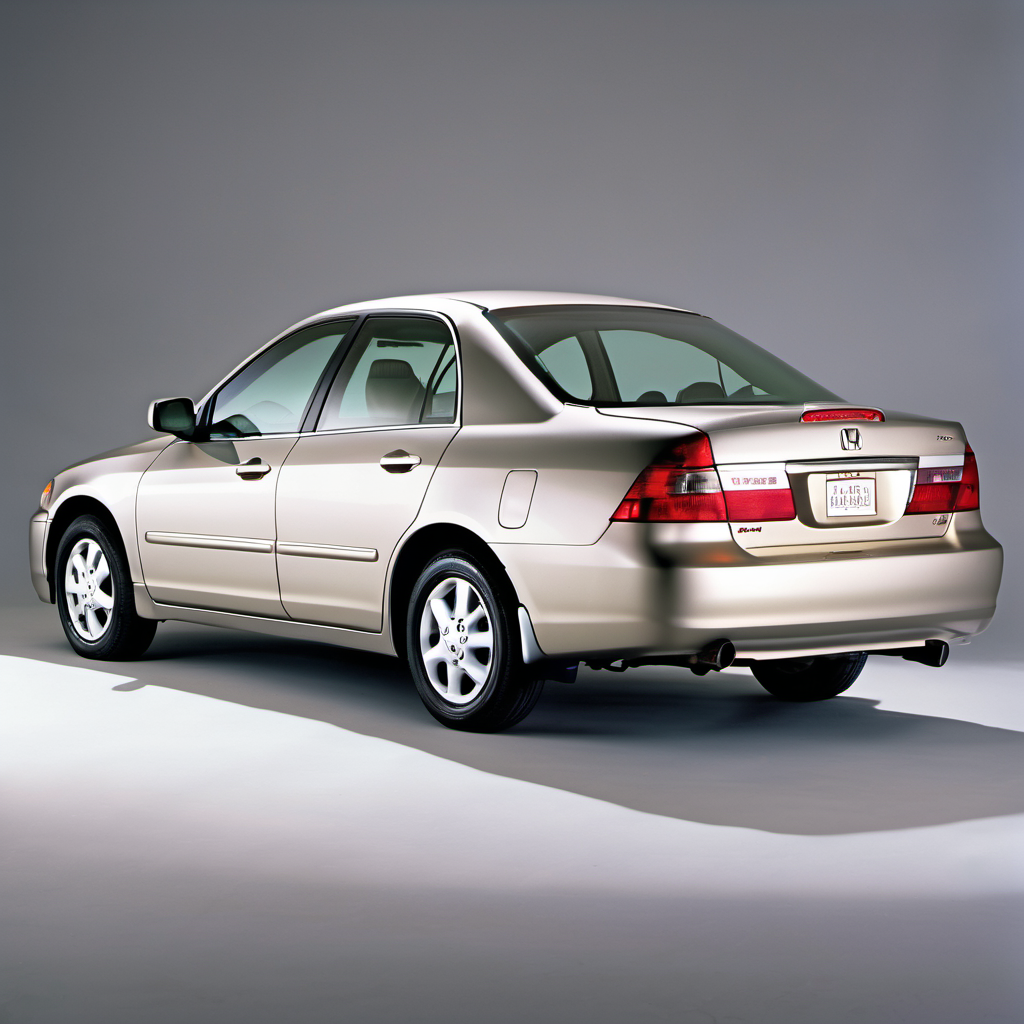
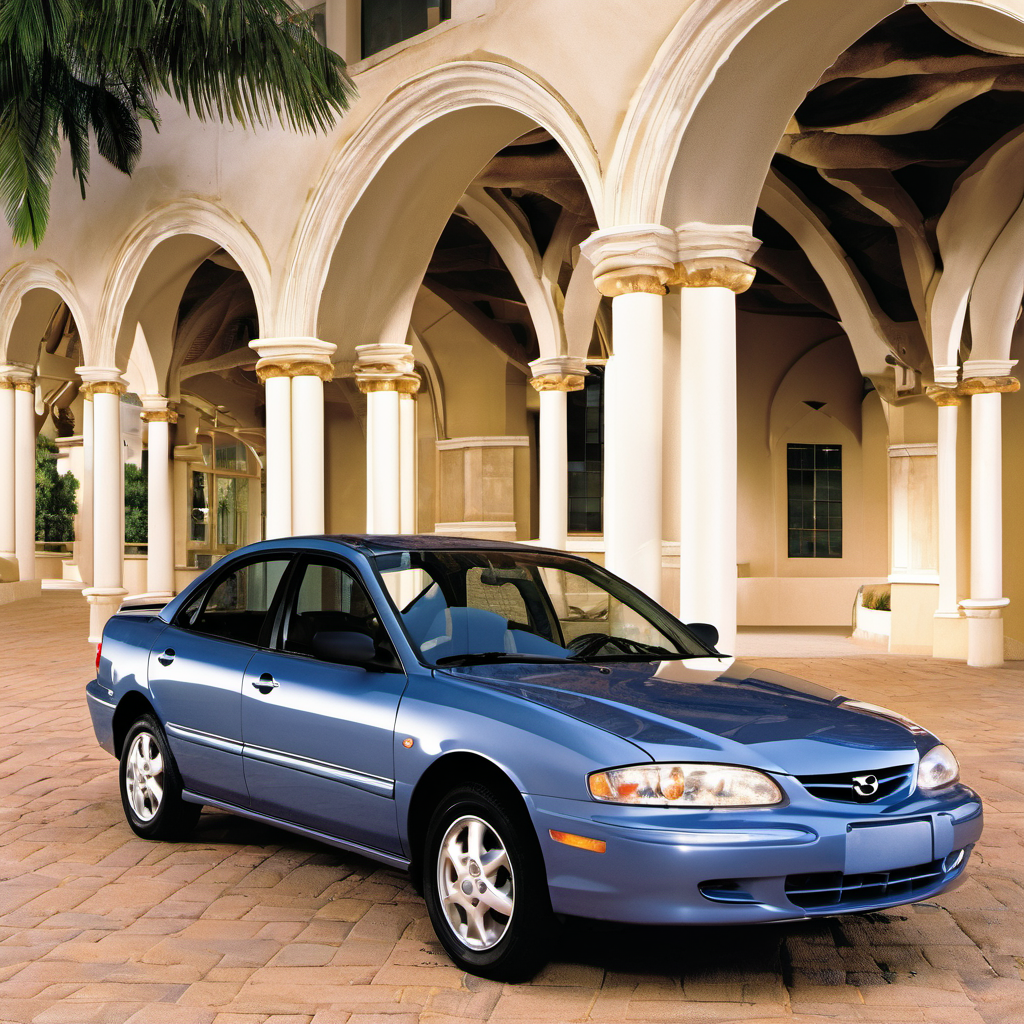
The 2002 Kia Optima is a first-generation front-wheel-drive midsize sedan that Kia brought to North America as part of its push into the mainstream family-car market. It shared its platform and much of its engineering with the Hyundai Sonata of the same era — a fact that makes parts relatively easy to find even today. At launch it was positioned as a value alternative to the Camry and Accord, and it delivered on price, though it lagged behind those benchmarks in refinement and long-term durability. The 2.4L four-cylinder engine is the more capable of the two powerplant options offered that year, producing adequate around-town performance but not much to write home about on the highway. Build quality was middling by 2002 standards, and early Kia supplier relationships meant mixed results across electrical components and body hardware. At this age, any surviving 2002 Optima is well past its depreciation floor. Ownership costs are low on the surface, but deferred maintenance on a 20-plus-year-old vehicle can surface quickly and expensively. Budget accordingly and inspect thoroughly before buying.

Reliability
2/5
Verified data
Specs shown for Optima — the most common configuration. Other trims may vary in engine, drivetrain, or fuel economy. Sign in to see your vehicle's exact specs.
Engine
[object Object]
Drivetrain
FWD
Fuel
Gasoline
MPG
18 city / 24 hwy / 20 combined
Seats
Doors
Body
Midsize Cars

Overview

AI-curated

The 2002 Kia Optima is a first-generation front-wheel-drive midsize sedan that Kia brought to North America as part of its push into the mainstream family-car market. It shared its platform and much of its engineering with the Hyundai Sonata of the same era — a fact that makes parts relatively easy to find even today. At launch it was positioned as a value alternative to the Camry and Accord, and it delivered on price, though it lagged behind those benchmarks in refinement and long-term durability. The 2.4L four-cylinder engine is the more capable of the two powerplant options offered that year, producing adequate around-town performance but not much to write home about on the highway. Build quality was middling by 2002 standards, and early Kia supplier relationships meant mixed results across electrical components and body hardware. At this age, any surviving 2002 Optima is well past its depreciation floor. Ownership costs are low on the surface, but deferred maintenance on a 20-plus-year-old vehicle can surface quickly and expensively. Budget accordingly and inspect thoroughly before buying.

Known for
  • Shared Hyundai Sonata platform — widely available parts
  • Affordable entry price when new
  • Comfortable ride for the class
  • 2.4L four-cylinder offering decent power for the segment
Best for
  • Budget-conscious commuters needing a simple A-to-B sedan
  • Owners comfortable with DIY or independent-shop maintenance
  • Low-mileage local driving where highway performance matters less
Watch for
  • Rust and underbody corrosion on Wisconsin-driven examples
  • Timing belt neglect — this engine is interference-type
  • Aging electrical connectors and sensors causing intermittent faults
  • Automatic transmission slipping or harsh shifts on high-mileage units

Common issues by mileage

6 known

Timing Belt Failure

high
Typically appears
60–105k mi
Estimated repair
$350 – $650

Automatic Transmission Slipping or Harsh Shifting

medium
Typically appears
100–160k mi
Estimated repair
$800 – $2,800

Underbody and Floor Pan Rust

high
Typically appears
Any mileage on salt-exposed vehicles
Estimated repair
$300 – $2,000

Cooling System Leaks (Thermostat, Hoses, Water Pump)

medium
Typically appears
90–150k mi
Estimated repair
$150 – $500

Electrical Connector and Sensor Corrosion

medium
Typically appears
100k+ mi
Estimated repair
$100 – $600

Maintenance schedule

  1. 1
    Every 60,000 miles or 5 years — whichever comes first Timing Belt and Water Pump Replacement

    The 2.4L is an interference engine. A snapped belt means bent valves and a likely engine rebuild. If you don't have documentation proving it was done, treat it as overdue regardless of mileage.

  2. 2
    Every 5,000 miles with conventional oil; 7,500 with full synthetic Engine Oil and Filter Change

    High-mileage engines benefit from more frequent changes to keep sludge at bay. Use a quality oil rated for this engine's viscosity spec (5W-30).

  3. 3
    Every 30,000–45,000 miles on a used vehicle with unknown history Transmission Fluid Change

    Old ATF loses its friction modifiers and accelerates clutch wear. On any used purchase, treat the fluid as if it's never been changed.

  4. 4
    Every 30,000 miles or 2 years Coolant Flush

    Degraded coolant becomes acidic and attacks aluminum components, gaskets, and the water pump. Critical on a vehicle of this age.

  5. 5
    Every 30,000 miles Spark Plugs and Ignition Wires

    Worn plugs and cracked wires cause misfires, rough idle, and poor fuel economy — common complaints on high-mileage examples.

  6. 6
    Every 2 years regardless of mileage Brake Fluid Flush

    Brake fluid is hygroscopic and absorbs moisture over time, lowering boiling point and promoting internal corrosion. On a 20-year-old vehicle, this is long overdue.

  7. 7
    Every spring after winter, annually thereafter Underbody Rust Inspection

    Wisconsin road salt is relentless. Check brake lines, fuel lines, subframe mounting points, and floor pan seams. Brake line rust is a safety-critical failure mode.

  8. 8
    Every fall before winter Battery Test and Terminal Cleaning

    Cold-cranking amps drop sharply in sub-zero temps. A marginal battery that starts fine in October will fail in January. Test and replace proactively.

Always defer to the manufacturer's service manual for warranty-mandated intervals.

Cost of ownership

Annual maintenance
$600 – $1,800
Fuel
At 20 mpg combined and ~12,000 miles/year, expect roughly $1,500–$1,800/year at current Midwest gas prices.
Insurance
Typically low — expect $700–$1,100/year for full coverage on a vehicle of this value, depending on driver history.

On paper this is a cheap car to own, but the age factor changes the math. A vehicle this old with any deferred maintenance can stack up $1,500–$3,000 in catch-up work in the first year of ownership. Budget a cushion. If it's mechanically solid and rust-free, annual running costs are modest — mostly oil, tires, brakes, and filters.
Seasonal care

Lake Geneva, WI
Winter
  • Test the battery every fall — cold Wisconsin winters will expose any battery weakness fast. Replace if it's more than 4 years old or showing reduced CCA.
  • Switch to a winter washer fluid rated to at least -25°F. The 2002 Optima's reservoir is not heated, and freeze-ups will crack the pump.
  • Inspect all brake lines and fuel lines for rust pinholes before winter. Salt accelerates corrosion on these critical metal lines.
  • Check the antifreeze concentration with a tester — should protect to at least -34°F for Lake Geneva winters.
  • Use winter wiper blades to prevent ice buildup on the wiper arm, which can burn out the wiper motor on a cold morning.
  • If the car sits outside, consider a battery maintainer/trickle charger during extended cold snaps to prevent deep discharge.
Summer
  • Check tire pressure monthly — tires gain roughly 1 PSI for every 10°F rise in temperature, which can lead to over-inflation and uneven wear.
  • Inspect the A/C system for refrigerant leaks and proper cooling — the condenser and hoses on a 20-year-old vehicle are prone to slow leaks.
  • Watch coolant temperature closely during hot days or stop-and-go traffic. A failing thermostat or low coolant level can lead to overheating quickly.
  • Inspect rubber hoses and belts for heat cracking — summer heat accelerates deterioration on already-aged components.

Comparable vehicles

If you're shopping for one

Red flags
  • No timing belt service records — walk away or negotiate a significant price reduction to cover it
  • Rust bubbling at rocker panels, rear wheel arches, or floor pan — structural rust is a deal-breaker
  • Transmission that slips, clunks, or hesitates — rebuild or replacement cost can exceed the car's value
  • Milky or discolored oil in the cap — possible head gasket failure or worse
  • Any active check engine codes without a clear, documented repair history
  • Mismatched paint panels suggesting prior accident repair without disclosure
What to inspect
  • Timing belt service history — non-negotiable on an interference engine at this age
  • Underbody: brake lines, fuel lines, subframe, and floor pan for Wisconsin road salt damage
  • Automatic transmission behavior — test for smooth engagement in all gears, no slipping or delayed shifts
  • Coolant condition and any signs of leaks at hoses, thermostat housing, and water pump
  • Oxygen sensor and check engine light history — pull codes before purchase
  • Electrical connectors under the hood for corrosion, especially around the ECM and sensor wiring
AI profile generated 11 days ago · claude-sonnet-4-6 · v2.