Timing Belt Failure
high- Typically appears
- 60–100k mi
- Estimated repair
- $350 – $650
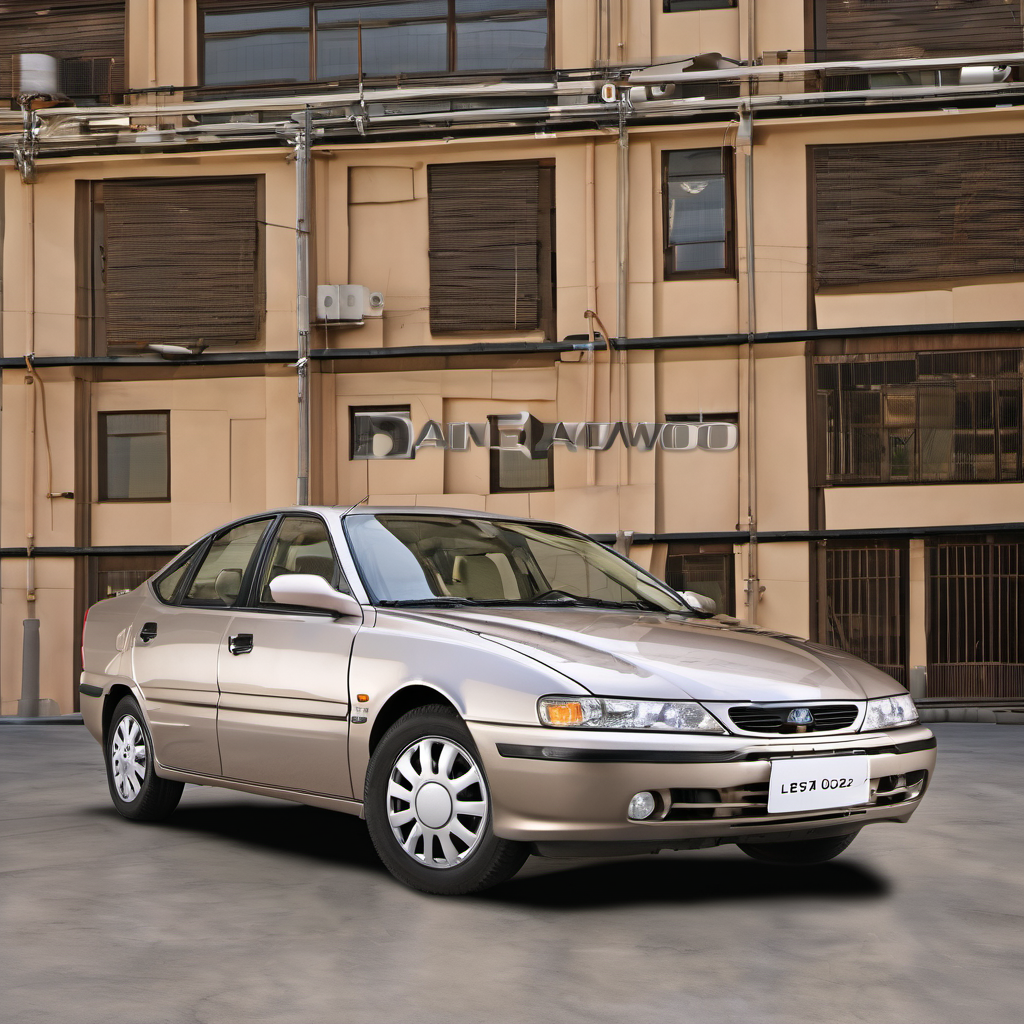
2002 Daewoo
Sedan
The 2002 Daewoo Leganza is a front-wheel-drive mid-size sedan that was sold in the US during Daewoo's brief American run (1999–2002). It was positioned as a value-priced alternative to mainstream Japanese and domestic sedans, offering a relatively spacious interior and a feature list that punched above its price point. Daewoo's US operations collapsed in 2002, and by late that year the brand had exited the American market entirely — making this one of the last Leganzas sold new here. The Leganza was engineered largely by GM subsidiaries and used a 2.2L DOHC four-cylinder shared with other GM-platform vehicles of the era. Build quality was acceptable for its class and price, but parts availability dried up sharply after the brand's exit. Owners today face the real-world challenge of sourcing components through specialty importers, some GM cross-reference parts, or salvage yards. If you already own one and it's running well, thoughtful maintenance can keep it going. Buying one today carries meaningful risk: dealer support is zero, independent mechanics unfamiliar with the platform may struggle, and body/trim parts are increasingly scarce. This is a vehicle for someone who either has a strong attachment to it or is handy enough to deal with sourcing challenges head-on.
The 2002 Daewoo Leganza is a front-wheel-drive mid-size sedan that was sold in the US during Daewoo's brief American run (1999–2002). It was positioned as a value-priced alternative to mainstream Japanese and domestic sedans, offering a relatively spacious interior and a feature list that punched above its price point. Daewoo's US operations collapsed in 2002, and by late that year the brand had exited the American market entirely — making this one of the last Leganzas sold new here. The Leganza was engineered largely by GM subsidiaries and used a 2.2L DOHC four-cylinder shared with other GM-platform vehicles of the era. Build quality was acceptable for its class and price, but parts availability dried up sharply after the brand's exit. Owners today face the real-world challenge of sourcing components through specialty importers, some GM cross-reference parts, or salvage yards. If you already own one and it's running well, thoughtful maintenance can keep it going. Buying one today carries meaningful risk: dealer support is zero, independent mechanics unfamiliar with the platform may struggle, and body/trim parts are increasingly scarce. This is a vehicle for someone who either has a strong attachment to it or is handy enough to deal with sourcing challenges head-on.
The 2.2L DOHC is an interference engine. A snapped belt means bent valves and a repair bill that will exceed the car's value. If the history is unknown, do it now.
Older engines with aging seals benefit from more frequent oil changes. Fresh oil helps protect against sludge that can accelerate wear on DOHC valve train components.
Degraded coolant accelerates corrosion inside the cooling system. On a vehicle this age, also inspect all hoses and clamps — rubber deteriorates with age regardless of mileage.
Wisconsin road salt aggressively attacks steel brake lines. A corroded line can fail without warning. This is a safety-critical check on any vehicle with Wisconsin winters behind it.
Standard copper plugs on this engine wear predictably. Fresh plugs maintain fuel economy and smooth starts, especially important in sub-zero Wisconsin mornings.
Do both jobs together to save labor. A failed serpentine belt kills charging and cooling simultaneously.
Parts for this vehicle are scarce. Protecting the frame, subframe, and brake/fuel lines from further salt corrosion is cheaper than replacing structural components that may not be available.
Batteries over 3–4 years old lose significant cold-cranking capacity. Lake Geneva winters can hit -20°F; a marginal battery that starts fine in October may leave you stranded in January.
Always defer to the manufacturer's service manual for warranty-mandated intervals.
The Leganza's low market value means insurance and registration costs are minimal. However, maintenance costs run higher than average because specialty or hard-to-find parts carry a premium, and labor hours rise when a shop has to research the platform. Budget on the higher end of the maintenance range if any deferred work is due, and always confirm parts availability before authorizing a repair.
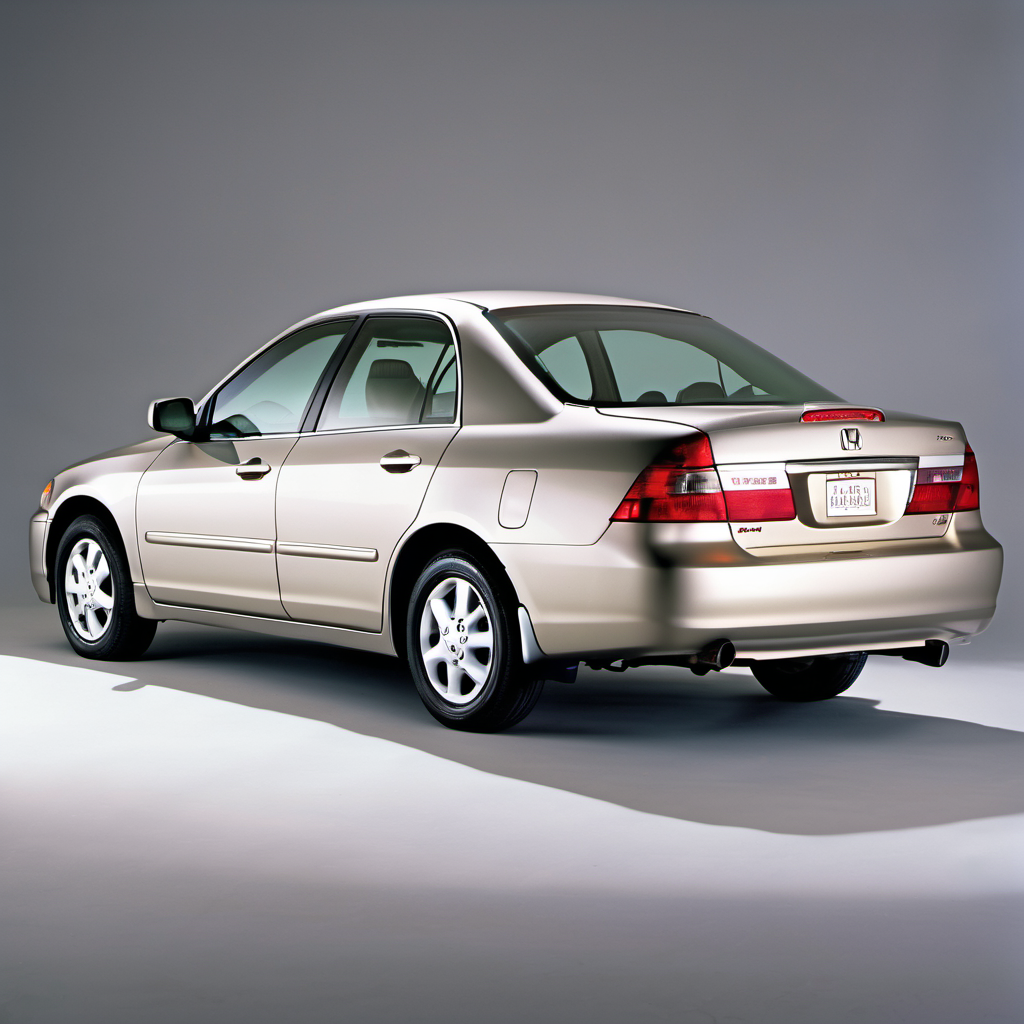
Same era, same segment, FWD sedan — but with a massive parts and service network, far better long-term reliability data, and easy parts sourcing anywhere in the Midwest
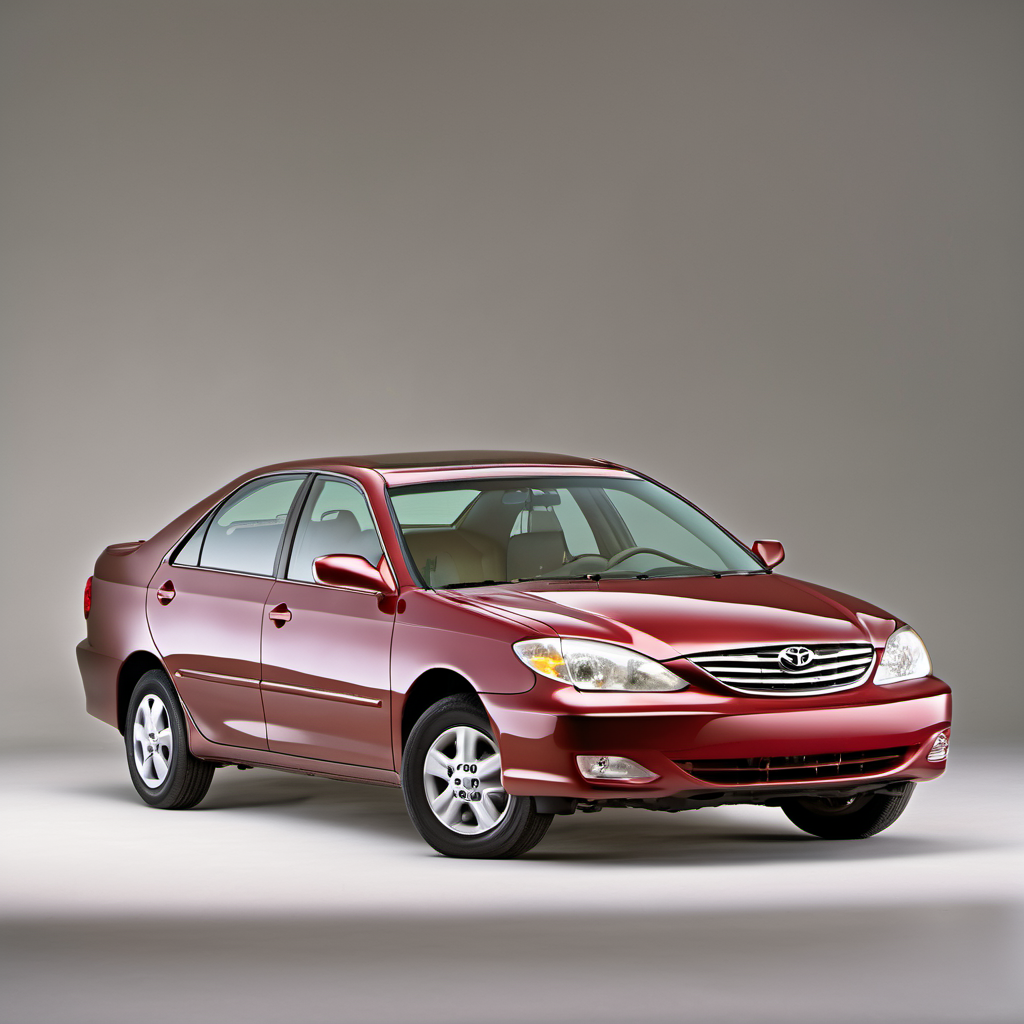
Direct mid-size sedan competitor with proven longevity, abundant parts, and strong resale — everything the Leganza lacks at this point in its life
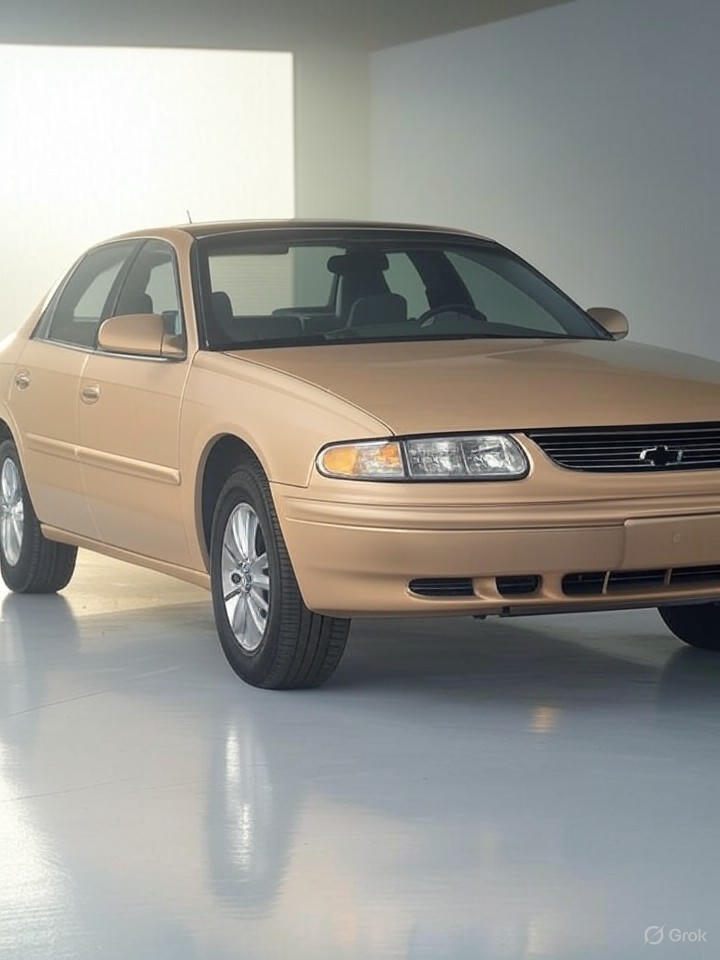
GM-family sedan from the same era with better domestic parts availability; shares some engineering lineage with the Leganza platform
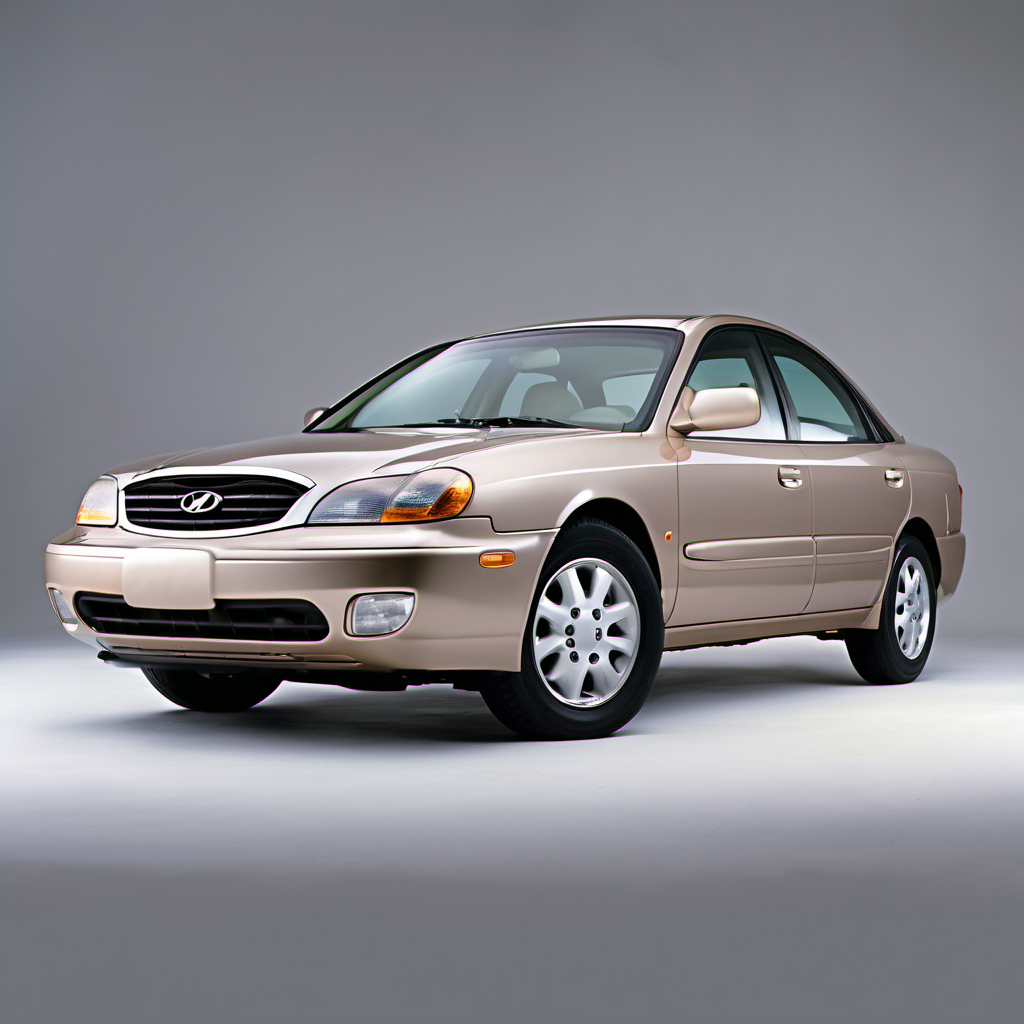
Similar value-market positioning and Korean manufacturing origin; Hyundai survived in the US market so parts and service are vastly more accessible