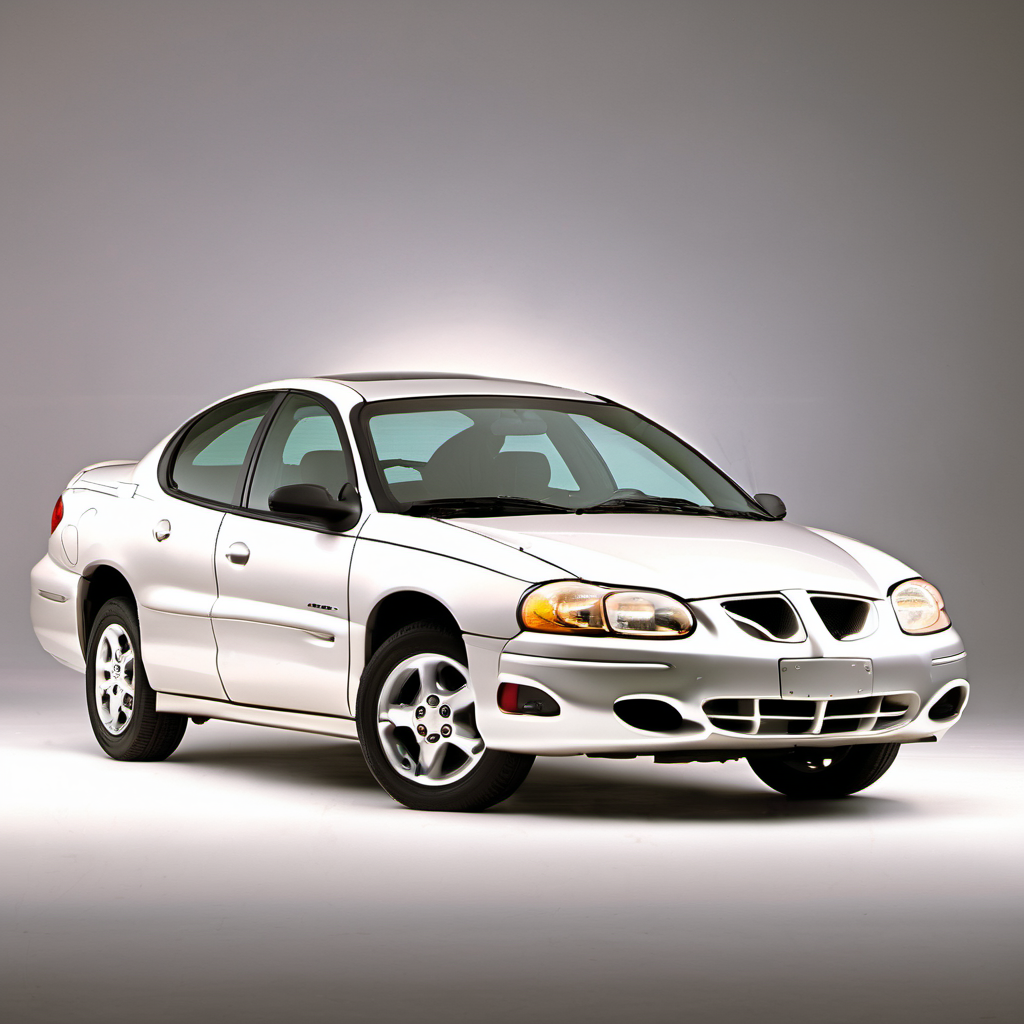
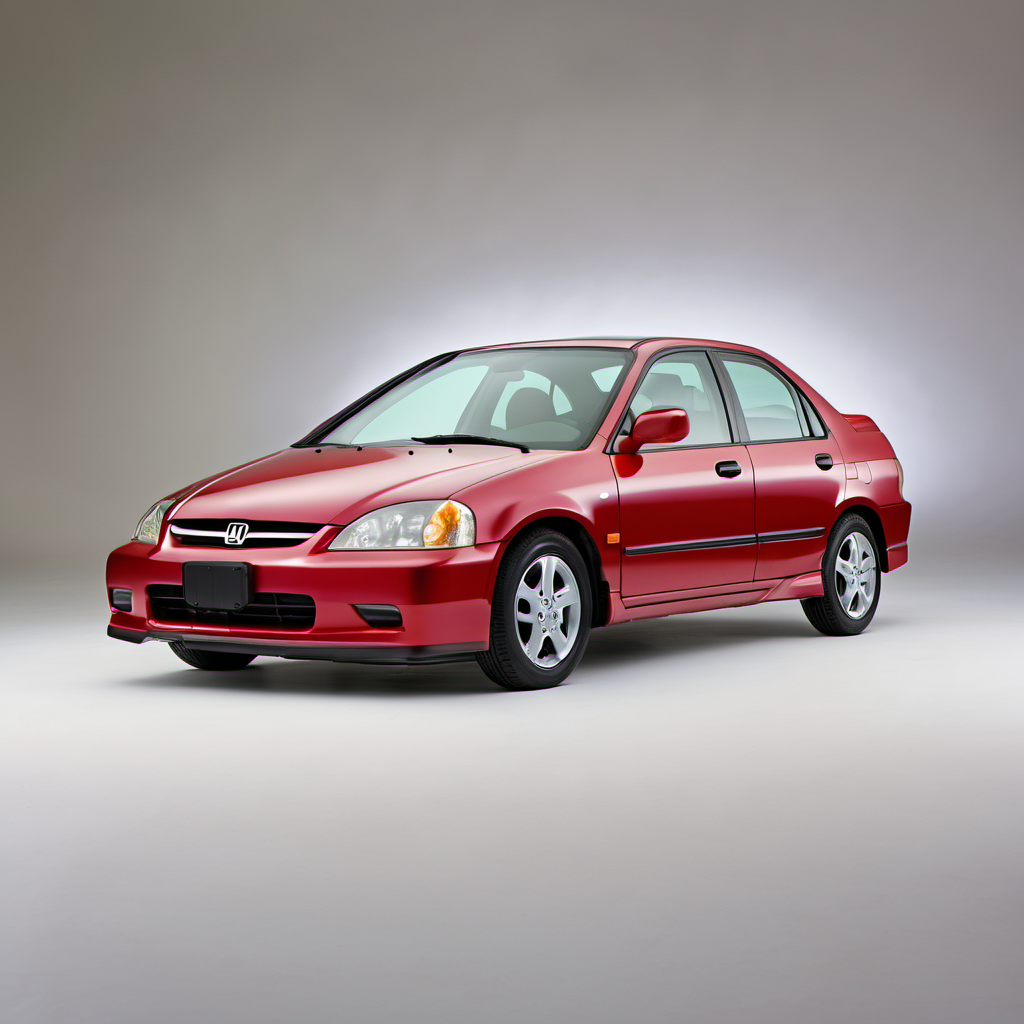
2002 Pontiac Grand Am Coupe

2002 Pontiac

Grand AmCoupe

Coupe

The 2002 Pontiac Grand Am Coupe is a front-wheel-drive compact from GM's last generation of the Grand Am nameplate (1999–2005). Built on the N-body platform and sold in enormous numbers through the early 2000s, it was a staple of rental fleets, college parking lots, and budget-minded buyers who wanted sporty styling at an approachable price. The 2.2L Ecotec four-cylinder replaced the older 2.4L twin-cam in 2002, bringing better fuel economy and reasonable durability — though the platform overall was never known for long-term reliability. By this vintage the Grand Am was showing its age against newer competition, but its low purchase price, easy parts availability, and simple mechanicals keep it in circulation. At over 20 years old now, survivorship matters: examples that haven't been neglected or heavily salt-abused can still serve as basic daily transportation, but they require realistic expectations and a proactive eye on the suspension and electrical systems.

Reliability
2/5
Verified data
Specs shown for Grand Am — the most common configuration. Other trims may vary in engine, drivetrain, or fuel economy. Sign in to see your vehicle's exact specs.
Engine
[object Object]
Drivetrain
FWD
Fuel
Gasoline
MPG
21 city / 30 hwy / 24 combined
Seats
Doors
Body
Compact Cars

Overview

AI-curated

The 2002 Pontiac Grand Am Coupe is a front-wheel-drive compact from GM's last generation of the Grand Am nameplate (1999–2005). Built on the N-body platform and sold in enormous numbers through the early 2000s, it was a staple of rental fleets, college parking lots, and budget-minded buyers who wanted sporty styling at an approachable price. The 2.2L Ecotec four-cylinder replaced the older 2.4L twin-cam in 2002, bringing better fuel economy and reasonable durability — though the platform overall was never known for long-term reliability. By this vintage the Grand Am was showing its age against newer competition, but its low purchase price, easy parts availability, and simple mechanicals keep it in circulation. At over 20 years old now, survivorship matters: examples that haven't been neglected or heavily salt-abused can still serve as basic daily transportation, but they require realistic expectations and a proactive eye on the suspension and electrical systems.

Known for
  • Sporty two-door coupe styling at a budget price
  • High production volume — parts are still plentiful and cheap
  • 2.2L Ecotec engine is more reliable than the older 2.4L it replaced
  • Comfortable highway cruiser for its class
Best for
  • Budget-conscious daily driver on flat, city/suburban roads
  • Short-to-medium commutes where fuel economy matters
  • Buyers who can do basic DIY maintenance
Watch for
  • Intake manifold gasket leaks — a known Ecotec and N-body weak point
  • Passlock II anti-theft system causing no-start conditions
  • Heavy rust on subframes, brake lines, and rocker panels on Wisconsin cars
  • Worn lower ball joints and strut mounts after 100k miles
  • Age-related electrical gremlins (BCM, instrument cluster)

Common issues by mileage

6 known

Passlock II Anti-Theft No-Start

high
Typically appears
Any mileage
Estimated repair
$50 – $300

Intake Manifold Gasket Leak (coolant/oil)

high
Typically appears
75–130k mi
Estimated repair
$250 – $550

Lower Ball Joint Wear

high
Typically appears
80–120k mi
Estimated repair
$200 – $450

Oxygen Sensor / Heater Circuit Failure

medium
Typically appears
80–150k mi
Estimated repair
$150 – $350

Instrument Cluster Failure (gauges, speedometer)

medium
Typically appears
100k+ mi
Estimated repair
$150 – $400

Brake Line Rust-Through (Midwest / Salt Belt)

high
Typically appears
Any mileage on older cars
Estimated repair
$300 – $900

Maintenance schedule

  1. 1
    Every 5,000 miles or 6 months Engine oil and filter change

    The 2.2L Ecotec is sensitive to oil quality and change intervals. Neglected oil causes premature wear on the cam phasers and valve train. Use the weight specified on the oil cap.

  2. 2
    Every 2 years or 30,000 miles Coolant flush and pressure-test intake manifold gasket

    Intake gasket seeping coolant into oil is a top failure mode on this engine family. Catching a slow leak before it becomes a mixing problem saves the engine.

  3. 3
    Every 30,000 miles Spark plugs

    The Ecotec is not forgiving of worn plugs — misfires strain the catalytic converter and the coil pack assembly.

  4. 4
    Every year Brake line inspection (full undercar)

    Wisconsin road salt eats steel brake lines on this era of GM cars. A rusted-through line is a safety emergency; annual inspection catches it before it fails on the road.

  5. 5
    Every 15,000 miles or at each tire rotation Lower ball joint and tie rod inspection

    The N-body front suspension is a known weak point. A failed ball joint can cause sudden loss of steering control — do not defer this inspection.

  6. 6
    Every 20,000–25,000 miles or annually Air filter

    Simple and inexpensive; a clogged filter hurts fuel economy and makes the Ecotec work harder in cold starts.

  7. 7
    Every 30,000–45,000 miles Transmission fluid change (if automatic)

    GM's 4T45-E automatic is durable when fluid is maintained. Most used Grand Ams have never had the fluid touched — fresh fluid is cheap insurance.

  8. 8
    Every fall before winter season Battery load test

    The Passlock II system is especially prone to triggering no-start faults when a weak battery causes voltage drops. A healthy battery prevents most anti-theft false positives in cold weather.

Always defer to the manufacturer's service manual for warranty-mandated intervals.

Cost of ownership

Annual maintenance
$600 – $1,400
Fuel
At 24 MPG combined and ~12,000 miles/year, expect roughly $1,500–$1,800/year at current Midwest gas prices. Mostly city driving will push that higher.
Insurance
Generally low — older compact coupe with modest horsepower. Expect $800–$1,400/year for full coverage depending on driver profile; liability-only is significantly cheaper on a car this age and value.

The Grand Am is cheap to buy and cheap to insure, but a Wisconsin car this old can surprise you with suspension, brake line, and cooling system repairs that add up fast. Budget an extra $500–$1,000 in year one if you haven't had a thorough pre-purchase inspection done. Parts are inexpensive and widely available — labor costs are low because every shop knows this platform.
Seasonal care

Lake Geneva, WI
Winter
  • Load-test the battery every fall — the Passlock II anti-theft system triggers false no-starts when battery voltage sags in the cold, leaving you stranded.
  • Flush and replace wiper fluid with a -30°F rated formula; the stock reservoir and lines have no heat and will freeze solid.
  • Inspect all steel brake lines under the car before winter — rust perforations hidden by surface scale can fail suddenly when salt brine gets in.
  • Check coolant freeze protection to at least -34°F; a leaking intake gasket can slowly dilute the mix without obvious symptoms.
  • Switch to a winter-weight oil (5W-30 at minimum) if you're running anything heavier — the Ecotec is slow to build oil pressure in sub-zero starts with thick oil.
  • Keep the gas tank above half when temps drop below 10°F to reduce condensation in the fuel system and help with cold starts.
Summer
  • Check A/C refrigerant charge — the system on a 20-year-old car has almost certainly lost some R-134a through hose seepage; a low charge overworks the compressor.
  • Inspect the serpentine belt and tensioner; heat accelerates belt cracking and the A/C load puts extra stress on an aging belt.
  • Tire pressure rises roughly 1 PSI per 10°F of temperature gain — check and adjust after the first heat wave to avoid overinflation and uneven wear.
  • Monitor the temperature gauge on hot days; a marginal thermostat or weak water pump that hides in winter will show itself in stop-and-go summer traffic.

Comparable vehicles

If you're shopping for one

Red flags
  • Any evidence of coolant in the oil or oil in the coolant (milky dipstick, sludgy reservoir) — walk away unless you're pricing in a full engine repair.
  • Perforated or fully rusted-through brake lines — not a negotiation item, a safety disqualifier until replaced.
  • Structurally rusted subframe — repair cost often exceeds the car's value.
  • A check engine light the seller 'just cleared' with no repair — on a car this old, codes come back fast for a reason.
  • Grinding or clunking from the front suspension when turning or going over bumps — likely ball joints or struts; price the repair before agreeing to a price.
  • Signs of Passlock anti-theft issues (intermittent no-starts, wiring hacks near the ignition cylinder) without a proper fix on record.
What to inspect
  • Crawl under and look at every steel brake line from the master cylinder to all four corners — rust perforation is common on Wisconsin cars this age and is a safety emergency.
  • Pull the oil dipstick and look for a milky or creamy residue, which signals coolant mixing from an intake manifold gasket leak.
  • Check the coolant reservoir for brown sludge or an oily film on the cap — same intake gasket leak indicator.
  • Start the car cold and listen for a ticking/clattering from the top of the engine that quiets within 30 seconds; persistent noise suggests oil starvation from a neglected change schedule.
  • Test the anti-theft system: turn the key to 'on' and let it sit 10 minutes, then try to start. A car that won't start after sitting is likely already having Passlock issues.
  • Inspect rocker panels, lower door skins, and subframe mounting points for rust perforation — surface rust is cosmetic, but perforated metal in structural areas is a deal-breaker.
  • Check the instrument cluster for dead gauges or a flickering speedometer, which is a known failure on this generation.
AI profile generated 13 days ago · claude-sonnet-4-6 · v2.