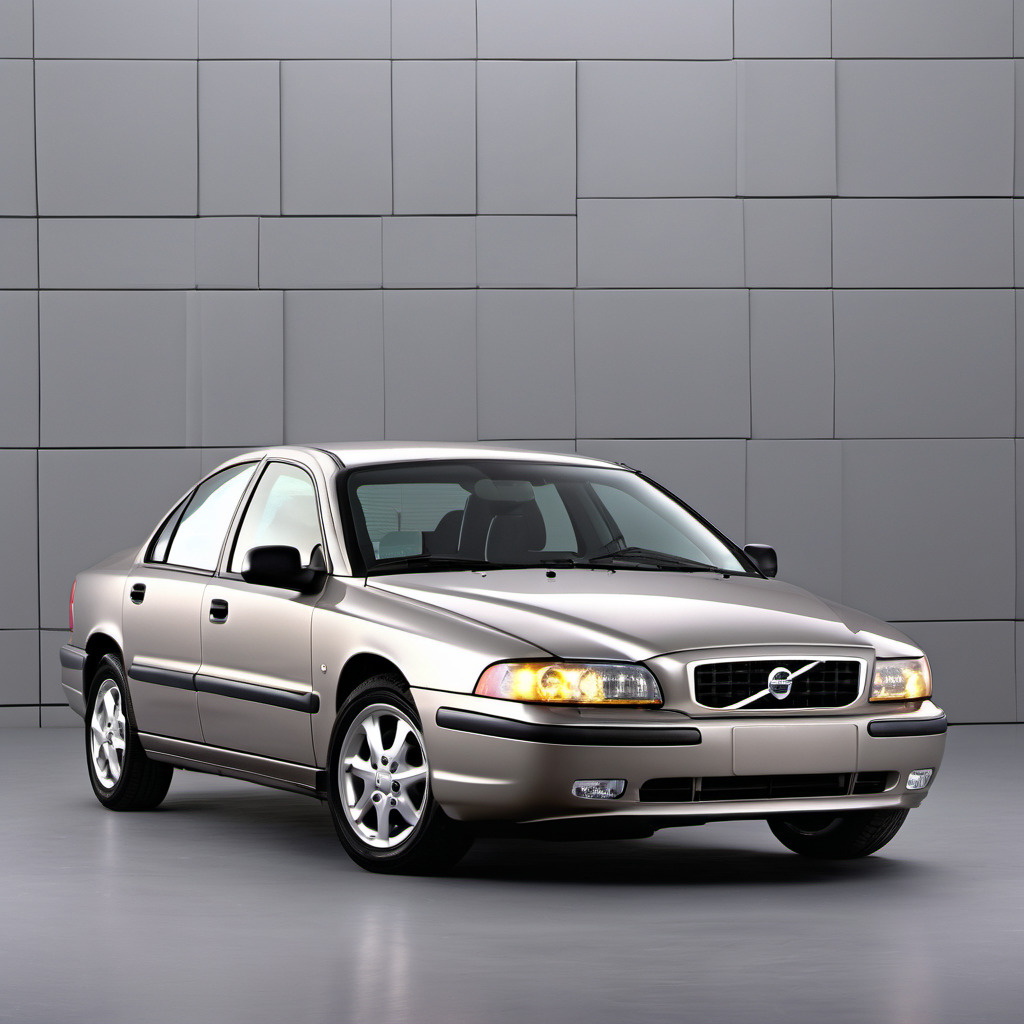
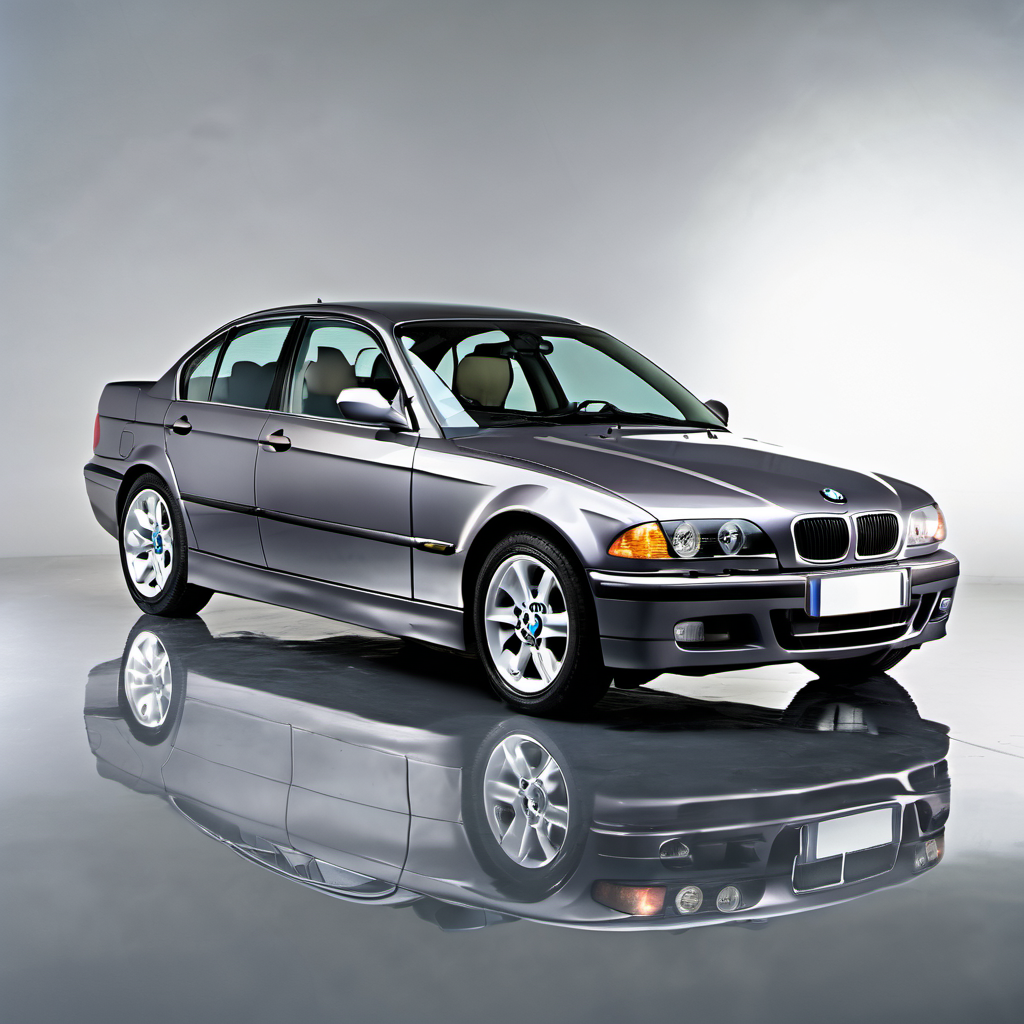
2001 Volvo S60 Sedan

2001 Volvo

S60Sedan

Sedan

The 2001 Volvo S60 is the first model year of Volvo's mid-size sport sedan, replacing the older S70. Built on the P2 platform shared with the S80 and later XC90, the S60 brought a sharper, lower roofline and a more driver-focused feel than its predecessor. The base T5 variant pairs a turbocharged 2.3L inline-5 with front-wheel drive and delivers a genuinely engaging drive for a Volvo sedan of that era. The S60 earned its place as one of the more sporty European sedans in its class, offering a blend of Scandinavian interior quality, active safety features, and reasonable power. However, being the first model year means some teething issues were present — particularly around the turbo and cooling systems — and parts availability has tightened as the car ages past two decades. For a buyer in the upper Midwest, the S60's FWD setup handles Wisconsin winters reasonably well, but the age of these vehicles means rust inspection and maintenance history are non-negotiable before purchase. Expect higher-than-average maintenance costs versus Japanese or American alternatives at this mileage and age.

Reliability
2/5
Verified data
Specs shown for S60 — the most common configuration. Other trims may vary in engine, drivetrain, or fuel economy. Sign in to see your vehicle's exact specs.
Engine
[object Object]
Drivetrain
FWD
Fuel
Premium gasoline
MPG
18 city / 26 hwy / 21 combined
Seats
Doors
Body
Compact Cars

Overview

AI-curated

The 2001 Volvo S60 is the first model year of Volvo's mid-size sport sedan, replacing the older S70. Built on the P2 platform shared with the S80 and later XC90, the S60 brought a sharper, lower roofline and a more driver-focused feel than its predecessor. The base T5 variant pairs a turbocharged 2.3L inline-5 with front-wheel drive and delivers a genuinely engaging drive for a Volvo sedan of that era. The S60 earned its place as one of the more sporty European sedans in its class, offering a blend of Scandinavian interior quality, active safety features, and reasonable power. However, being the first model year means some teething issues were present — particularly around the turbo and cooling systems — and parts availability has tightened as the car ages past two decades. For a buyer in the upper Midwest, the S60's FWD setup handles Wisconsin winters reasonably well, but the age of these vehicles means rust inspection and maintenance history are non-negotiable before purchase. Expect higher-than-average maintenance costs versus Japanese or American alternatives at this mileage and age.

Known for
  • Turbocharged inline-5 with strong mid-range pull
  • Solid passive safety engineering — Volvo's core identity
  • Comfortable, high-quality Scandinavian interior
  • Driver-focused chassis tuning for a Volvo of its era
  • First-year S60 refinements over the outgoing S70
Best for
  • Drivers who want European sedan character on a used-car budget
  • Someone with a trusted independent Volvo specialist nearby
  • Buyers who prioritize safety ratings and build quality
  • Highway commuters who appreciate a comfortable, composed ride
Watch for
  • First model year — some early production quirks remain
  • Expensive European parts and specialized labor requirements
  • Rust on subframes, strut towers, and undercarriage given Midwest salt exposure
  • Turbo system and cooling components wearing on high-mileage examples
  • Electrical gremlins as early 2000s Volvo wiring ages

Common issues by mileage

6 known

Electronic Throttle Module (ETM) failure

high
Typically appears
60–120k mi
Estimated repair
$400 – $900

Turbocharger failure / oil starvation

medium
Typically appears
80–150k mi
Estimated repair
$1,200 – $2,800

Cooling system failure (thermostat, reservoir, hoses)

high
Typically appears
60–100k mi
Estimated repair
$250 – $700

Oil sludge buildup in engine (from extended oil change intervals)

medium
Typically appears
80–160k mi
Estimated repair
$500 – $3,500

Oxygen sensor / upstream O2 sensor heater circuit failure

medium
Typically appears
80–130k mi
Estimated repair
$200 – $450

Camshaft position / VVT timing faults (dirty oil, worn solenoids)

medium
Typically appears
100–160k mi
Estimated repair
$300 – $900

Maintenance schedule

  1. 1
    Every 5,000 miles Engine oil & filter change — use correct spec (e.g. 5W-30 fully synthetic meeting Volvo spec)

    The turbocharged inline-5 is highly sensitive to oil quality and change frequency. Extended intervals are the #1 cause of sludge and premature turbo failure on this engine. Do not stretch intervals.

  2. 2
    Every 2 years or 30,000 miles Cooling system inspection and coolant flush

    The early S60 cooling system is a well-known weak point. Hoses, the reservoir cap, and thermostat housing should be inspected proactively. A surprise overheat on a cold Wisconsin morning can cause serious engine damage.

  3. 3
    Every 60,000–70,000 miles Serpentine belt and tensioner replacement

    Belt and tensioner wear together. Failure leaves you stranded and can damage ancillaries. On an older vehicle, replace both at the same time.

  4. 4
    Every 30,000 miles Spark plug replacement

    The inline-5 turbo benefits from fresh plugs to maintain clean combustion. Worn plugs stress ignition coils and can trigger misfires.

  5. 5
    Every 2 years Brake fluid flush

    Volvo recommends this interval and the hygroscopic fluid absorbs moisture over time, lowering boiling point — a real concern during spirited driving or heavy braking.

  6. 6
    Every 30,000 miles or at symptoms (surging idle, hesitation) Inspect and clean throttle body (ETM area)

    The Electronic Throttle Module on this generation is prone to carbon buildup and electrical wear. Early cleaning can extend its life; watch for idle surge as a warning sign.

  7. 7
    Every spring (after winter salt season) Underbody rust inspection — frame, subframe, strut towers

    Lake Geneva road salt is brutal on 20+ year-old European cars. Check subframe mounting points and rear trailing arm brackets — these are structural and expensive to repair if neglected.

  8. 8
    Every fall before winter Battery load test and terminal cleaning

    Older Volvos have higher electrical demands and the ECU is sensitive to low voltage. A weak battery in a Wisconsin winter can cause a cascade of false fault codes and no-start events.

Always defer to the manufacturer's service manual for warranty-mandated intervals.

Cost of ownership

Annual maintenance
$1,200 – $2,800
Fuel
Requires premium gasoline. At current upper-Midwest prices (~$3.50–$3.90/gal for premium) and 15,000 miles/year at 21 MPG combined, expect roughly $2,500–$2,800/year in fuel.
Insurance
Typically moderate — mid-size sedan classification with strong safety ratings helps rates. Expect $900–$1,400/year for a typical adult driver in Wisconsin, depending on coverage level.

The S60 is not a cheap car to own at this age. Routine maintenance is manageable, but when something goes wrong — turbo, ETM, cooling system, electrical — parts sourcing and labor from a qualified Volvo-familiar shop adds up quickly. Budget on the higher end of the maintenance range if the car has unknown or spotty service history. A car with full records and recent major service can be a fair value, but go in with eyes open.
Seasonal care

Lake Geneva, WI
Winter
  • Load test the battery every fall — cold cranking a turbocharged I5 at sub-zero temps stresses a marginal battery hard, and the S60's electronics do not tolerate low voltage gracefully.
  • Switch to a full synthetic 5W-30 if not already running it — the turbo needs clean oil flowing immediately on cold starts.
  • After cold starts, idle briefly (30–60 seconds) before driving to allow oil pressure to reach the turbocharger — do not rev hard when cold.
  • Inspect and treat undercarriage with rust inhibitor before the salt season; pay special attention to subframe mounts and rear suspension brackets on a 20+ year-old car.
  • Use winter-rated washer fluid rated to at least -20°F — the low cowl design on the S60 can ice over nozzles quickly in freeze-thaw cycles.
  • Fit dedicated winter tires if any performance or sport tires are installed — FWD helps in snow but all-season tires on an older Volvo are a compromise in Wisconsin winters.
Summer
  • Inspect cooling system hoses and reservoir before summer heat — a marginal hose that survived winter can split under sustained heat and boost pressure.
  • Check A/C refrigerant charge and cabin filter — the system may need a recharge on a car this age, and a clogged cabin filter makes the A/C work harder.
  • Monitor tire pressure weekly during heat waves — tire pressures rise roughly 1 PSI per 10°F increase; overinflated tires reduce grip and wear unevenly.
  • Check for heat soak hesitation on hot restarts — a failing ETM or marginal fuel pressure can mask as a heat-related issue and should be diagnosed before attributing it purely to temperature.

Comparable vehicles

If you're shopping for one

Red flags
  • No documented oil change history — high risk of sludge damage in the turbo engine.
  • Check engine light present at purchase — codes like P0033–P0035 indicate turbo system issues that can be costly.
  • Any sign of overheating in the history or white/milky oil residue — potential head gasket involvement.
  • Rust on subframe or strut towers — structural repairs on a car this value rarely make financial sense.
  • Surging or erratic idle — classic ETM failure symptom; budget for replacement immediately.
  • Smoke from the exhaust at idle or on deceleration — turbo seal failure, plan for a turbo rebuild or replacement.
What to inspect
  • Full service history — especially oil change records. Spotty or missing records on a turbocharged Volvo are a hard pass.
  • ETM function: look for hunting/surging idle, hesitation from a stop, or a check engine light. Ask if the ETM has been replaced or cleaned.
  • Cooling system: look for white residue around hose clamps, reservoir discoloration, and any sign of overheating in the service history.
  • Turbocharger: with engine warm, check for blue/grey smoke at idle or on deceleration — a sign of turbo seal failure.
  • Undercarriage rust: subframe mounting points, rear trailing arm brackets, rocker panels, and strut towers are structural — rust here changes the value equation significantly.
  • Battery voltage at startup and all electrical systems: windows, sunroof, HVAC blower speeds — early 2000s Volvo electrics age and corrosion is common.
  • Transmission shift quality: the 5-speed automatic should shift smoothly without hesitation or flare between gears.
AI profile generated 6 days ago · claude-sonnet-4-6 · v2.