Timing Belt Overdue / Never Replaced
high- Typically appears
- 90k+ mi or 7+ years (whichever comes first)
- Estimated repair
- $600 – $950
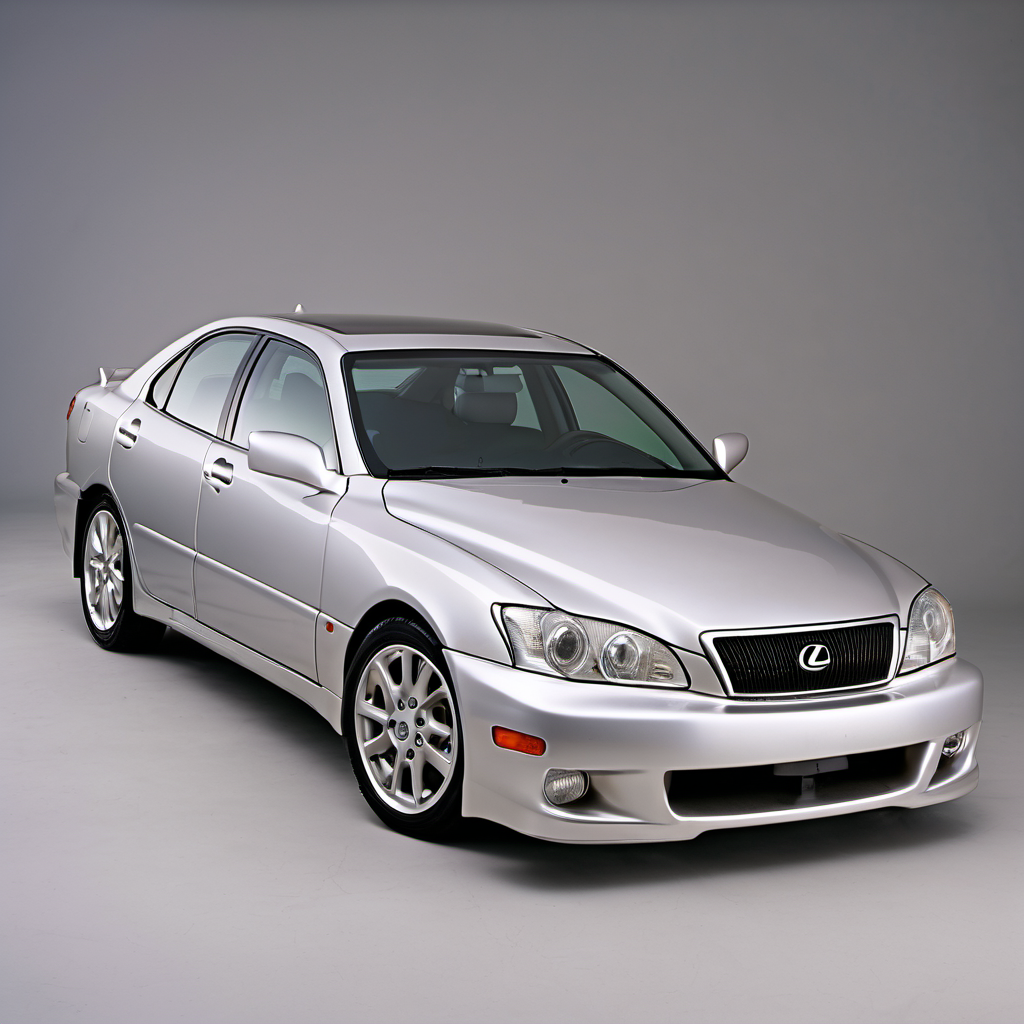
2001 Lexus
Sedan
The 2001 Lexus IS 300 is the first-generation IS (XE10 platform), brought to North America as Lexus's sport-compact entry. It's built around a 2JZ-GE inline-six — the naturally aspirated sibling of the legendary turbocharged 2JZ-GTE — giving it a reputation for near-bulletproof mechanical durability when maintained. Rear-wheel drive, a stiff chassis, and a rev-happy engine made it a driver's car that stood apart from the front-wheel-drive luxury competitors of the era. Now over 20 years old, the IS 300 occupies a unique spot: it's a legitimate enthusiast platform with a cult following, which means parts availability is reasonable and the community knowledge base is deep. However, age-related issues — rubber seals, cooling components, and electronics — are now a real concern on any example that hasn't been well cared for. Mileage alone doesn't tell the full story; service history and rust condition matter far more on a Wisconsin car. Fuel economy is modest by any standard — premium fuel is required and real-world combined figures hover around 18 MPG. Budget accordingly for a daily driver. The manual transmission (5-speed) was a rare but desirable option; most examples were sold with a 5-speed automatic.
The 2001 Lexus IS 300 is the first-generation IS (XE10 platform), brought to North America as Lexus's sport-compact entry. It's built around a 2JZ-GE inline-six — the naturally aspirated sibling of the legendary turbocharged 2JZ-GTE — giving it a reputation for near-bulletproof mechanical durability when maintained. Rear-wheel drive, a stiff chassis, and a rev-happy engine made it a driver's car that stood apart from the front-wheel-drive luxury competitors of the era. Now over 20 years old, the IS 300 occupies a unique spot: it's a legitimate enthusiast platform with a cult following, which means parts availability is reasonable and the community knowledge base is deep. However, age-related issues — rubber seals, cooling components, and electronics — are now a real concern on any example that hasn't been well cared for. Mileage alone doesn't tell the full story; service history and rust condition matter far more on a Wisconsin car. Fuel economy is modest by any standard — premium fuel is required and real-world combined figures hover around 18 MPG. Budget accordingly for a daily driver. The manual transmission (5-speed) was a rare but desirable option; most examples were sold with a 5-speed automatic.
The 2JZ-GE's VVT-i oil control valves are highly sensitive to oil quality and change intervals. Sludge from extended drains is the #1 preventable cause of expensive repairs on this engine. Full synthetic and 5k intervals are non-negotiable on a 20-year-old example.
Interference engine. Belt failure equals bent valves at minimum. Water pump is driven by the belt — replace it at the same time or pay the labor again later. Non-negotiable on any IS 300 without documented service.
Hoses, clamps, and the thermostat housing are all original-age parts on many of these cars. Coolant also becomes acidic with age and attacks aluminum components. Use Toyota Super Long Life coolant (pink) or equivalent compatible fluid.
Lexus A650E automatic is durable but many owners skip fluid changes. Dark, burnt-smelling fluid on a used purchase is a red flag. Fresh fluid extends valve body life significantly.
Stock iridium plugs last well but worn plugs affect fuel economy and put stress on ignition coils. On a 20-year-old car, check the ignition coils at the same service visit.
Brake fluid absorbs moisture over time, lowering boiling point. Critical for a performance-oriented RWD car used in Wisconsin winters with road salt exposure.
Salt-belt cars from Wisconsin are at real risk of frame and subframe corrosion. Inspect brake lines, fuel lines, and suspension mounting points. Rust on brake lines is a safety issue, not just cosmetic.
Often neglected on older vehicles. A clogged engine air filter reduces performance and fuel economy; a clogged cabin filter stresses the HVAC blower motor — a known wear item on aged Lexus units.
Always defer to the manufacturer's service manual for warranty-mandated intervals.
Day-to-day running costs are reasonable if major deferred items (timing belt, cooling system, bushings) are addressed upfront. Budget $1,500–$3,000 at purchase for catch-up maintenance on an unknown-history example. Once sorted, annual maintenance is predictable and independent shops can handle virtually all work. Premium fuel is the ongoing cost most buyers underestimate.
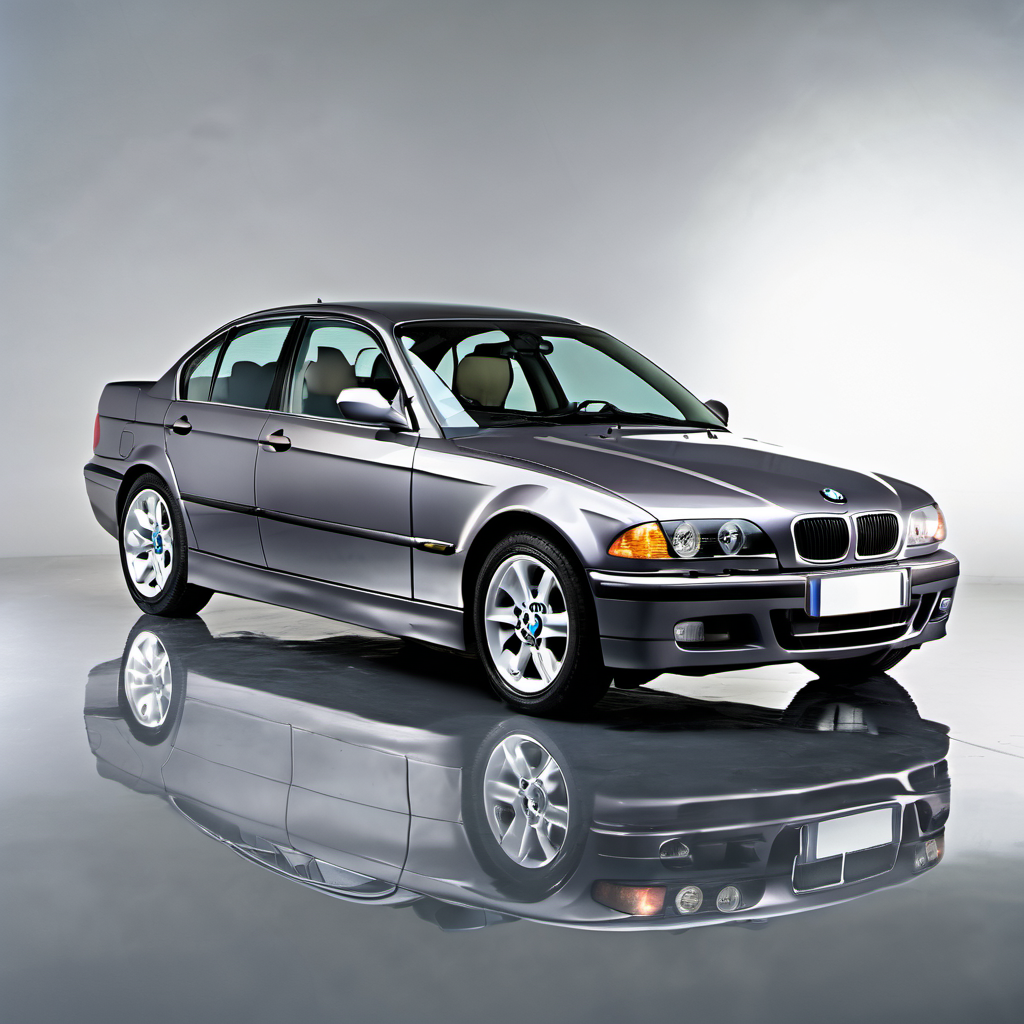
Direct competitor in the entry luxury RWD sport sedan segment. The E46 330i matches the IS 300's performance profile but carries higher long-term maintenance costs at an independent shop.
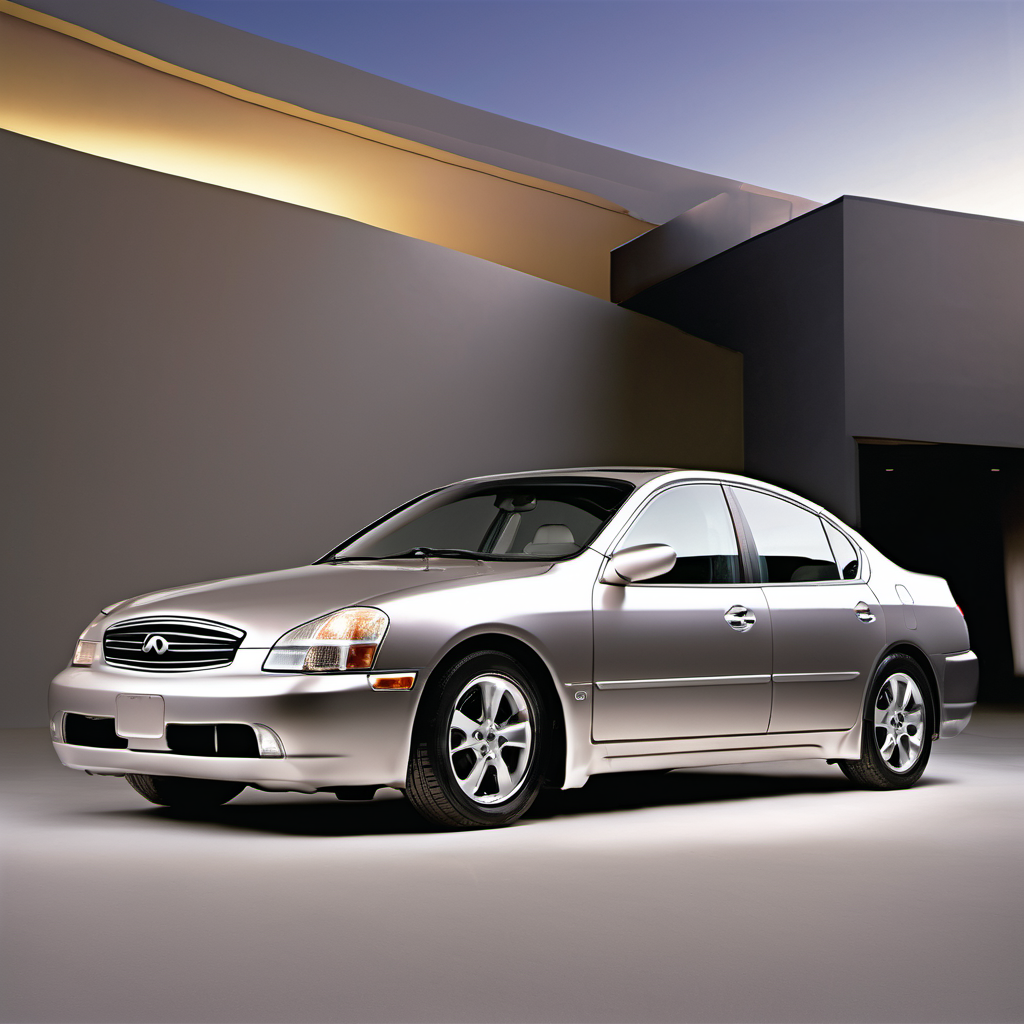
Infiniti's entry-level sport sedan from the same era. FWD versus the IS's RWD, more affordable to maintain, but notably less driver-focused.
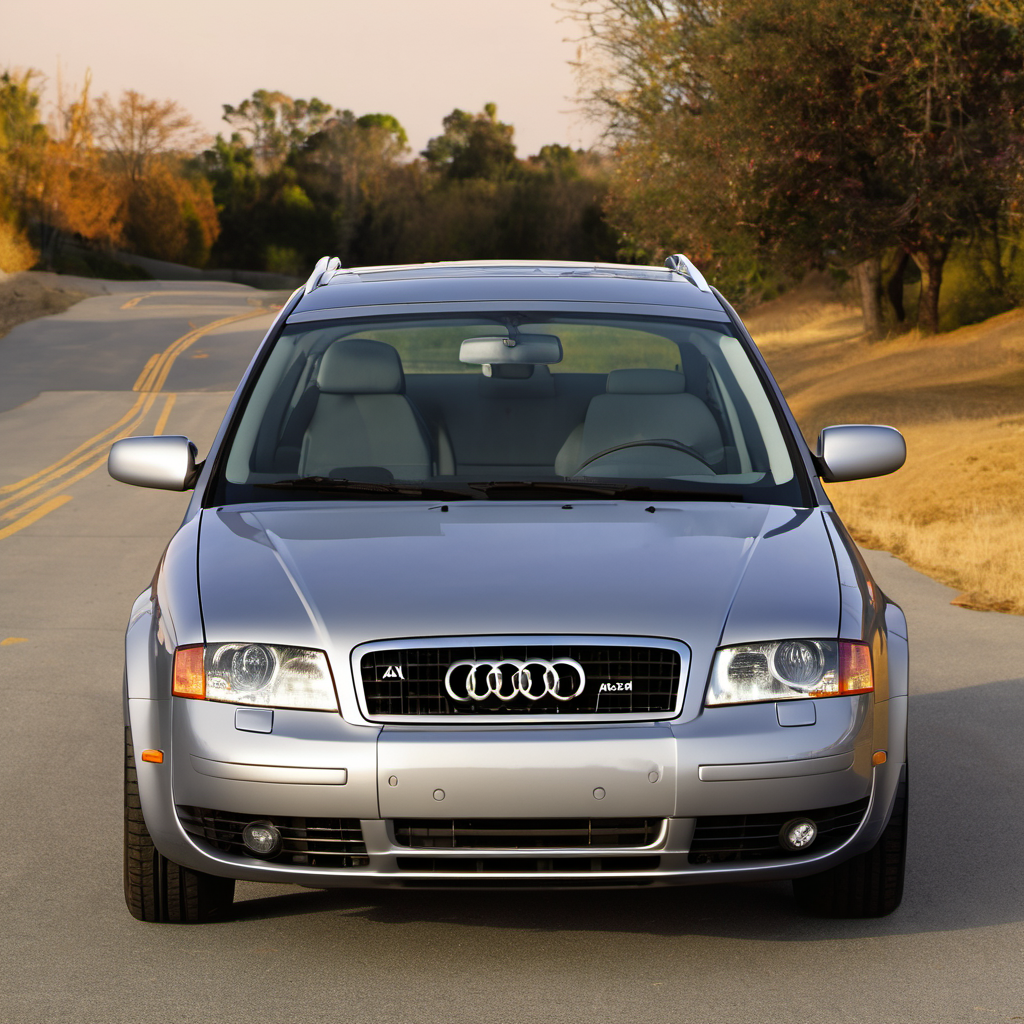
European premium sport sedan alternative. AWD traction is a winter advantage in Wisconsin, but Audi's maintenance and repair costs run substantially higher than the IS 300.
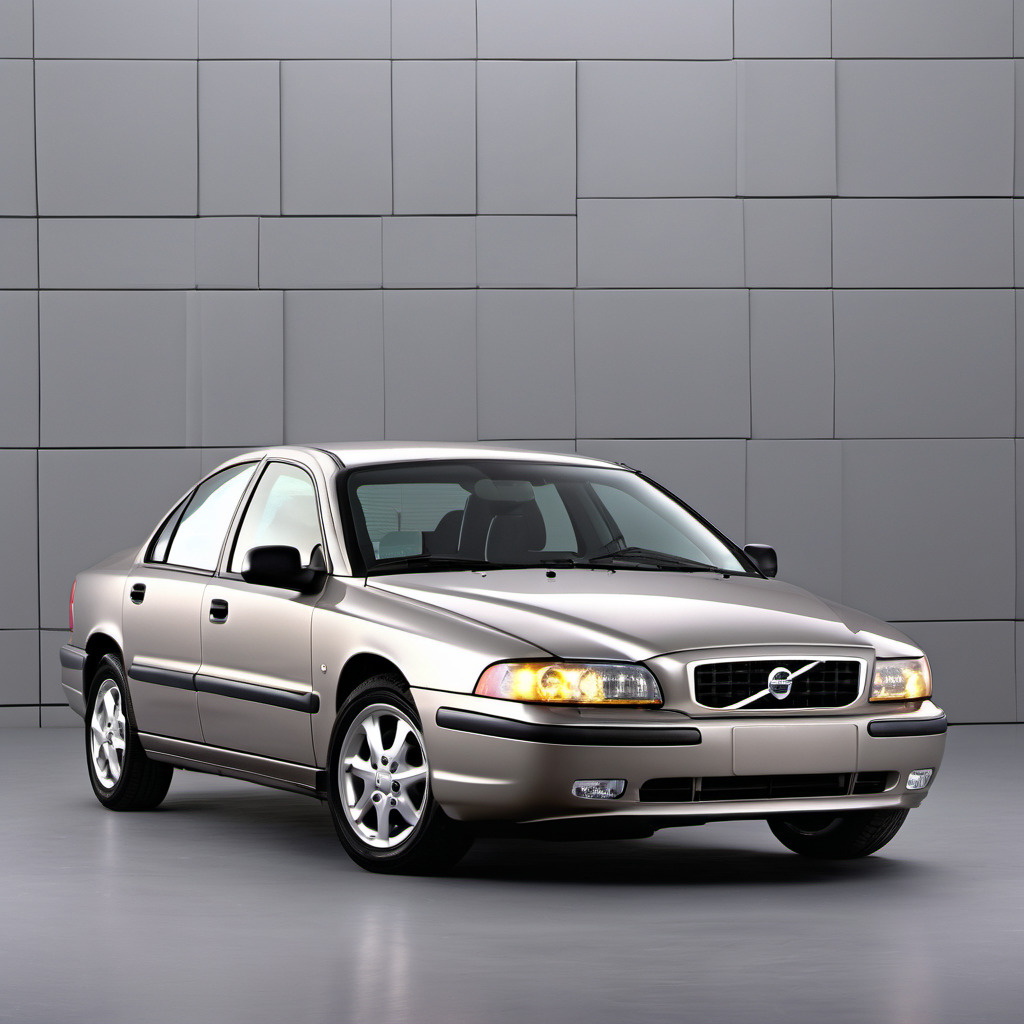
Similar price point and sedan format. Better safety scores for the era, more practical, but not driver-focused and lacks the 2JZ's long-term engine durability reputation.