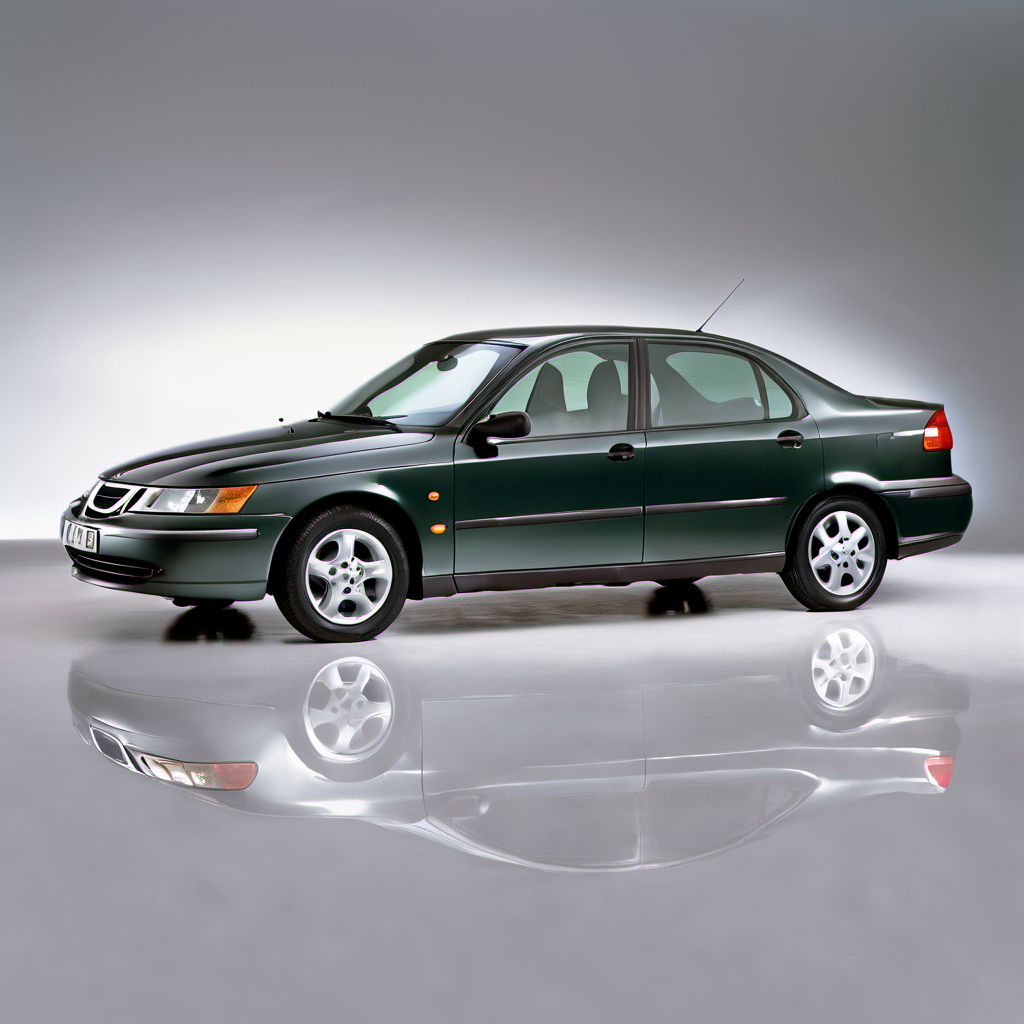
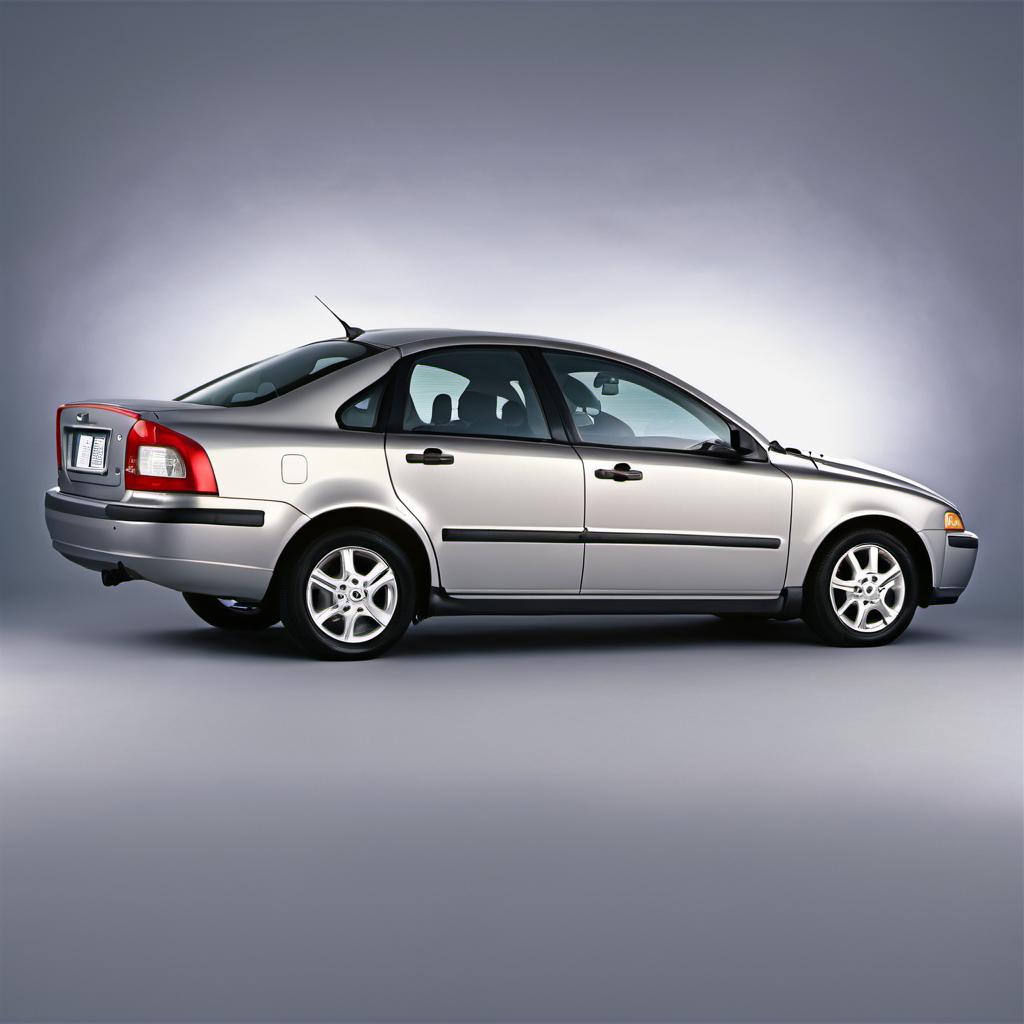
2001 Saab 9-3 Hatchback

2001 Saab

9-3Hatchback

Hatchback

The 2001 Saab 9-3 is a front-wheel-drive sport compact hatchback built on GM's older Vauxhall Cavalier platform — the last year of the original 'NG900-derived' 9-3 before the all-new second-generation model arrived for 2003. Power comes from Saab's turbocharged 2.0L B205 four-cylinder, offering a genuinely fun driving character that punches above its displacement. It's a distinctive, driver-focused car with a quirky Scandinavian personality. Saab designed the 9-3 for people who wanted something different from the usual European sport sedan crowd. The ignition between the seats, firm suspension tuning, and turbo pull made it feel like nothing else at the price. The hatchback body adds practical cargo room while keeping a sporty silhouette. The catch is that this is a 20-plus-year-old car from a brand that went bankrupt in 2011. Parts availability has narrowed considerably, and the technician pool that knows these cars well is small. Running one of these in Lake Geneva takes commitment — but owners who put in the work tend to be fiercely loyal to the brand.

Reliability
2/5
Verified data
Specs shown for 9-3 Convertible — the most common configuration. Other trims may vary in engine, drivetrain, or fuel economy. Sign in to see your vehicle's exact specs.
Engine
[object Object]
Drivetrain
FWD
Fuel
Gasoline
MPG
18 city / 25 hwy / 21 combined
Seats
Doors
Body
Subcompact Cars

Overview

AI-curated

The 2001 Saab 9-3 is a front-wheel-drive sport compact hatchback built on GM's older Vauxhall Cavalier platform — the last year of the original 'NG900-derived' 9-3 before the all-new second-generation model arrived for 2003. Power comes from Saab's turbocharged 2.0L B205 four-cylinder, offering a genuinely fun driving character that punches above its displacement. It's a distinctive, driver-focused car with a quirky Scandinavian personality. Saab designed the 9-3 for people who wanted something different from the usual European sport sedan crowd. The ignition between the seats, firm suspension tuning, and turbo pull made it feel like nothing else at the price. The hatchback body adds practical cargo room while keeping a sporty silhouette. The catch is that this is a 20-plus-year-old car from a brand that went bankrupt in 2011. Parts availability has narrowed considerably, and the technician pool that knows these cars well is small. Running one of these in Lake Geneva takes commitment — but owners who put in the work tend to be fiercely loyal to the brand.

Known for
  • Turbocharged 2.0L with punchy mid-range power
  • Unique ignition placement between front seats
  • Driver-focused, firm ride with European handling feel
  • Practical hatchback body with fold-flat rear seats
  • Distinctly Scandinavian interior design
Best for
  • Enthusiast drivers who want something off the beaten path
  • Buyers comfortable with independent-shop maintenance
  • Those willing to source used or European parts
  • Commuters who want a fun daily driver on a budget
Watch for
  • Brand defunct since 2011 — OEM parts increasingly scarce and expensive
  • Turbo system complexity adds repair cost vs. naturally aspirated rivals
  • Aging electrical systems prone to gremlins on high-mileage examples
  • Limited technician expertise outside of Saab-specialty shops
  • Rust on door sills, rear wheel arches, and undercarriage from road salt

Common issues by mileage

6 known

Turbo bypass (diverter) valve failure

high
Typically appears
60–120k mi
Estimated repair
$80 – $220

Direct ignition cassette (DI cassette) failure

high
Typically appears
60–150k mi
Estimated repair
$250 – $550

Coolant system leaks — thermostat housing and hoses

high
Typically appears
80–130k mi
Estimated repair
$150 – $400

Oxygen sensor / heated O2 sensor circuit faults

medium
Typically appears
75–130k mi
Estimated repair
$120 – $320

Camshaft position / VVT solenoid faults (sludge-related)

medium
Typically appears
80–150k mi
Estimated repair
$200 – $600

Door sill and rear wheel arch rust

high
Typically appears
Any — age/salt-dependent
Estimated repair
$400 – $2,000

Maintenance schedule

  1. 1
    Every 5,000 mi or annually Oil and filter change using full synthetic 5W-30

    The B205 turbo engine is prone to oil sludge if intervals are stretched. Fresh synthetic oil is the single best thing you can do to keep the turbo and VVT system healthy.

  2. 2
    Every 30,000 mi Inspect and replace spark plugs

    Worn plugs stress the DI cassette — one of this car's most common and expensive failure points. Stay ahead of it.

  3. 3
    Every 30,000 mi Inspect DI (direct ignition) cassette for cracks and carbon tracking

    The cassette fails at high mileage and can cause misfires or no-start conditions. Catching it early prevents a roadside breakdown.

  4. 4
    Every 2 years or 30,000 mi Flush and refill coolant (use Saab/GM-compatible silicate-free coolant)

    The plastic thermostat housing and aging hoses are vulnerable to pressure buildup from degraded coolant. Overheating a turbocharged engine is very expensive.

  5. 5
    Every 60,000 mi Replace serpentine belt and inspect idler/tensioner pulleys

    Belt failure on this engine can strand you and risk turbo oil starvation if the car overheats as a result.

  6. 6
    Every fall (before first freeze) Inspect battery and load-test; replace if over 4 years old

    Wisconsin sub-zero starts are hard on aging batteries. The 9-3's electrical system is intolerant of low voltage and produces spurious fault codes when the battery is weak.

  7. 7
    Annually — spring inspection Inspect undercarriage, door sills, and rear wheel arches for rust

    Lake Geneva road salt accelerates rust on these cars. Catching surface rust before it becomes structural rust saves hundreds to thousands of dollars.

  8. 8
    Every 30,000 mi Inspect turbo bypass (diverter) valve for tears or sticking

    A failed bypass valve causes boost surging and puts stress on the turbo. These are inexpensive parts and easy to inspect — don't skip it.

Always defer to the manufacturer's service manual for warranty-mandated intervals.

Cost of ownership

Annual maintenance
$900 – $2,200
Fuel
Expect $1,400–$1,900/year based on 12,000 miles at current Wisconsin gas prices. Premium fuel (91 octane) is recommended for the turbo engine.
Insurance
Typically moderate — expect $900–$1,400/year for full coverage in the Lake Geneva area on a 20-year-old vehicle, depending on driving record and coverage level.

The 9-3 is not a cheap car to own despite its low purchase price. Parts scarcity from a defunct brand means even routine items can cost more than on a Honda or Toyota. Budget on the higher end of the maintenance range for any car over 100k miles or with unknown service history. A clean, well-documented example with recent major services is worth paying more for upfront.
Seasonal care

Lake Geneva, WI
Winter
  • Load-test the battery every fall — weak batteries cause cascading electrical faults in cold weather and these cars are sensitive to low voltage.
  • Switch to full synthetic 5W-30 if not already running it; it flows better at sub-zero temps and protects the turbo on cold starts.
  • Fill the washer fluid reservoir with a -30°F-rated fluid; the low cowl design can trap ice and block sprayer lines.
  • Inspect the undercarriage and door sills before winter and apply a rust-inhibiting undercoating if any bare metal is visible — Lake Geneva salt is brutal on these Swedish unibodies.
  • Keep the fuel tank above half when possible to prevent fuel line moisture and ease cold starts.
  • Allow a 60-second idle warm-up before driving hard in extreme cold to let turbo oil pressure fully establish — do not rev the engine aggressively until coolant temp rises.
Summer
  • Check tire pressure monthly — summer heat causes pressure to rise roughly 1 PSI per 10°F increase; overinflation reduces grip and wears tires unevenly.
  • Inspect the A/C system for proper cooling; the 9-3 uses R-134a and the compressor seals can leak on older cars — recharge if cabin cooling is weak.
  • Check coolant level and condition before hot-weather driving; the thermostat housing is a known leak point and overheating a turbo engine causes severe damage quickly.
  • Inspect the turbo intercooler piping for cracks or loose clamps; heat cycling ages the rubber couplers and a boost leak will significantly reduce performance.

Comparable vehicles

If you're shopping for one

Red flags
  • Any evidence of overheating — warped hood, white exhaust smoke, coolant residue around the reservoir or cap.
  • Oil sludge visible under the oil cap or on the dipstick — walk away, this engine cannot be easily cleaned once sludged.
  • Rust perforation on door sills or rear arches — structural repair on a 20+ year old Saab rarely makes financial sense.
  • No service records whatsoever — on a car this age from a defunct brand, unknown history is a significant financial risk.
  • Active check-engine light combined with rough idle — could indicate DI cassette failure, turbo issues, or deeper engine problems.
  • Strong smoke from the exhaust under boost — a sign of turbo seal failure, which means a turbo replacement is imminent.
What to inspect
  • Pull the oil cap and check for creamy or sludgy residue — oil sludge from neglected oil changes is a death sentence for the B205 turbo engine.
  • Test the DI cassette by checking for smooth idle with no misfires; any stumble or rough running at idle is a red flag.
  • Inspect the turbo bypass valve — remove the intake pipe and check the diaphragm for tears or the valve for sticking.
  • Pressure-test the cooling system; look carefully at the thermostat housing and all rubber hoses for seeps or staining.
  • Check all four door sills and rear wheel arches for rust — poke soft spots with a key or pick to gauge depth.
  • Scan for stored fault codes before purchase; codes P0033–P0035 (turbo bypass) and P0012/P0015 (cam timing) indicate deferred maintenance.
  • Test the ignition lock (between the seats) — the mechanism wears and replacement is expensive and awkward.
  • Verify the A/C blows cold and the sunroof (if equipped) opens and drains properly — blocked drains rot the interior floor.
AI profile generated 4 days ago · claude-sonnet-4-6 · v2.