Cooling system failure (expansion tank, water pump, thermostat)
high- Typically appears
- 60–120k mi
- Estimated repair
- $400 – $900
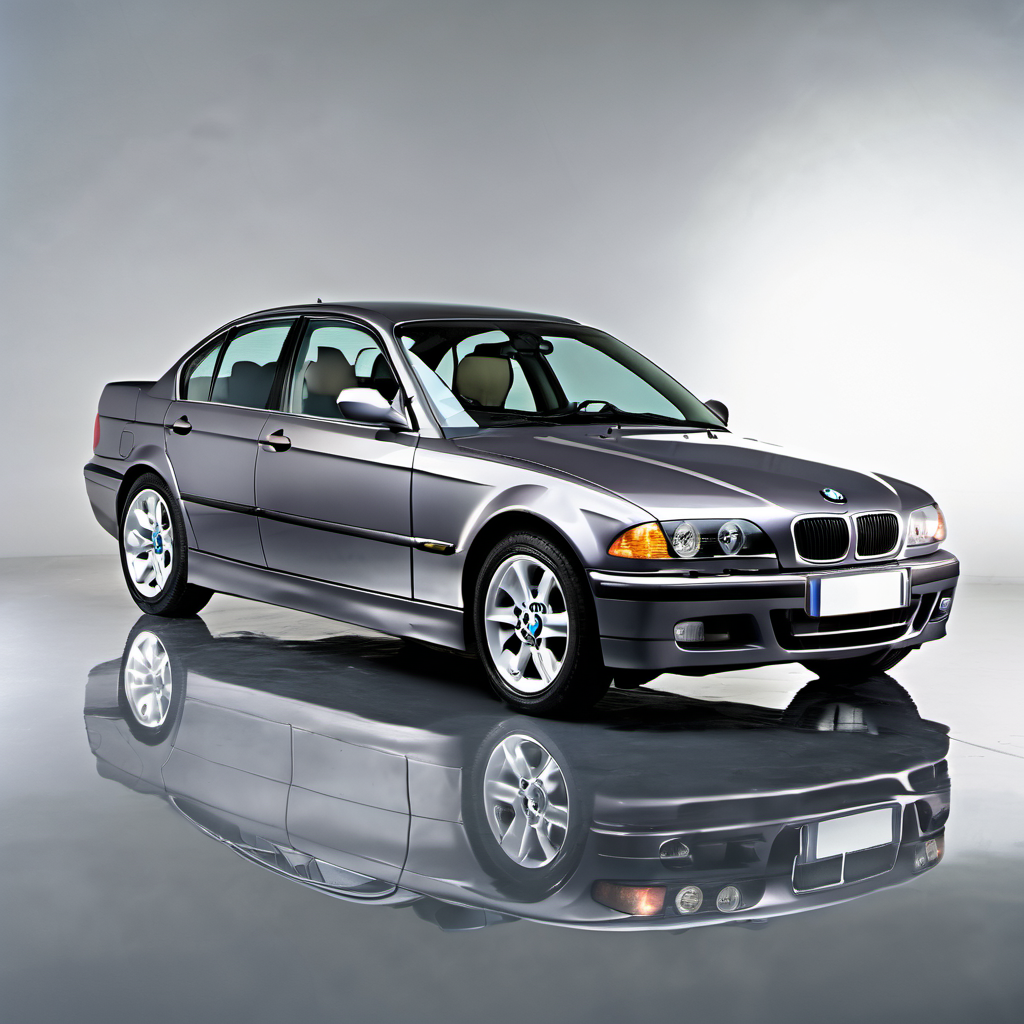
2001 BMW
Coupe
The 2001 BMW 3 Series Coupe (E46 generation) is the two-door version of BMW's most iconic sports sedan lineup. Powered by a 2.5L inline-six, it delivers a balanced mix of driving pleasure and everyday usability that earned it a near-legendary reputation among enthusiasts. The E46 chassis is widely regarded as one of the last truly driver-focused BMWs before electronics began to dominate the driving experience. At 20+ years old, these cars are well into the age where deferred maintenance catches up fast. The cooling system, VANOS variable valve timing system, and subframe mounts are the three areas that define whether an E46 has been cared for or neglected. A well-maintained example is a genuinely rewarding car to own; a neglected one can become a money pit quickly. In the Lake Geneva area, winter salt is this car's worst enemy. The E46's rear subframe mounting points and floor pan seams are known rust traps. Any used example coming from a salt-belt state deserves a thorough undercarriage inspection before purchase.
The 2001 BMW 3 Series Coupe (E46 generation) is the two-door version of BMW's most iconic sports sedan lineup. Powered by a 2.5L inline-six, it delivers a balanced mix of driving pleasure and everyday usability that earned it a near-legendary reputation among enthusiasts. The E46 chassis is widely regarded as one of the last truly driver-focused BMWs before electronics began to dominate the driving experience. At 20+ years old, these cars are well into the age where deferred maintenance catches up fast. The cooling system, VANOS variable valve timing system, and subframe mounts are the three areas that define whether an E46 has been cared for or neglected. A well-maintained example is a genuinely rewarding car to own; a neglected one can become a money pit quickly. In the Lake Geneva area, winter salt is this car's worst enemy. The E46's rear subframe mounting points and floor pan seams are known rust traps. Any used example coming from a salt-belt state deserves a thorough undercarriage inspection before purchase.
The original plastic expansion tank and water pump impeller become brittle with age. A failure at highway speed can destroy the engine within minutes. This is the single most important proactive repair on any E46.
VANOS seals deteriorate with age and heat cycles. Worn seals cause the variable timing system to lose oil pressure, leading to the characteristic E46 rough idle and sluggish low-end response.
The factory oil service intervals are long for a reason that made sense when the car was new. On a 20-year-old engine, shorter intervals protect VANOS components and keep sludge from forming.
Collapsed subframe mounts cause handling vagueness and, in severe cases, the subframe can crack the floor pan — a costly structural repair.
Salt-belt cars develop rust in the subframe mounting pockets and floor seams. Catching it early with rust inhibitor or undercoating is far cheaper than structural repairs.
These are the most common oil leak points on the M54 engine. Leaking oil onto hot exhaust components is a fire risk and masks other problems.
The tensioner pulley bearing is a known failure point. A snapped belt leaves you stranded and can damage surrounding components.
Wisconsin winters are hard on batteries. The E46's electronics are sensitive to low voltage — a weak battery can cause a cascade of electrical fault codes, especially in cold weather.
Always defer to the manufacturer's service manual for warranty-mandated intervals.
The E46 325Ci is relatively affordable to buy but carries above-average maintenance costs for its class. Parts availability is excellent (both OEM and aftermarket), but labor hours on BMW jobs add up quickly. Budget for a larger catch-up repair in the first year of ownership if service history is unknown. Ongoing annual costs land in the $1,500–$3,000 range when you fold in fuel, maintenance, and insurance — more if deferred repairs surface.
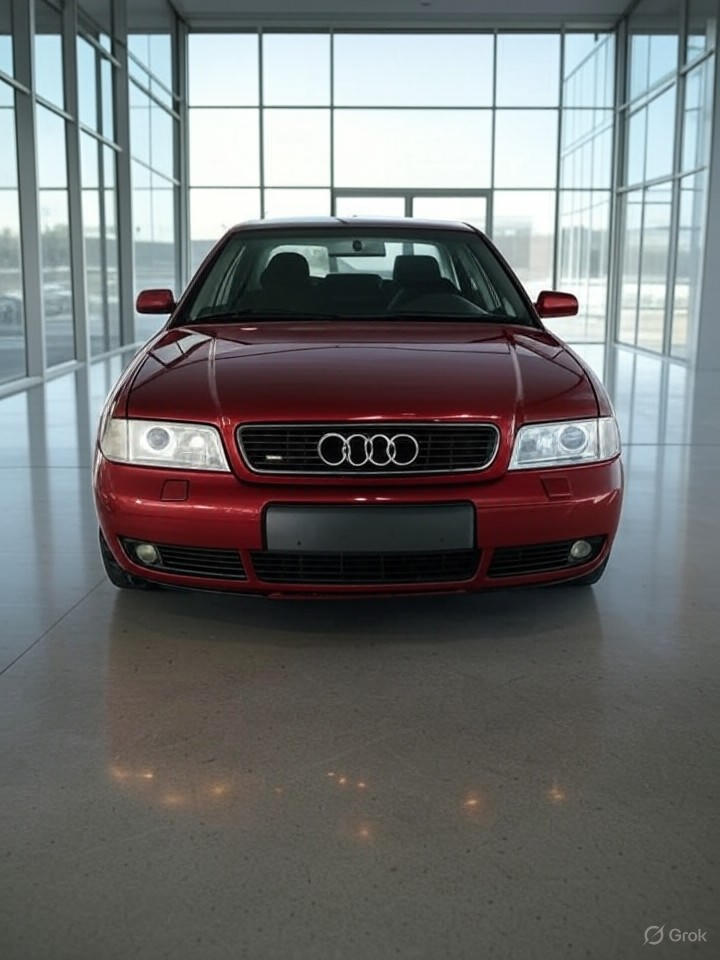
Same segment, similar price point when new, German sport compact. AWD quattro available gives it a winter-traction edge over the BMW's RWD, but maintenance costs are similarly elevated.
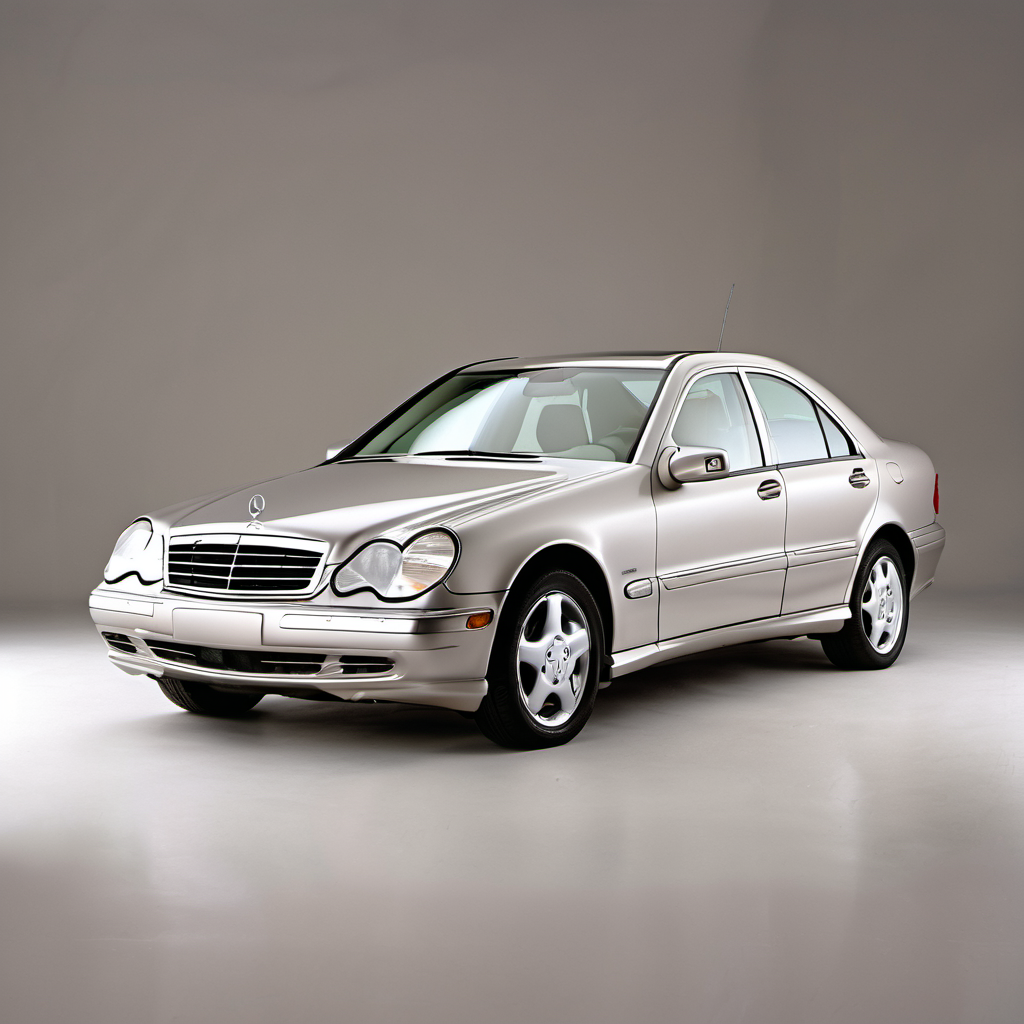
Direct luxury compact competitor. The W203 C-Class offers a similar premium feel and inline-six option, though it skews slightly more comfort-oriented versus the BMW's sportier driver focus.
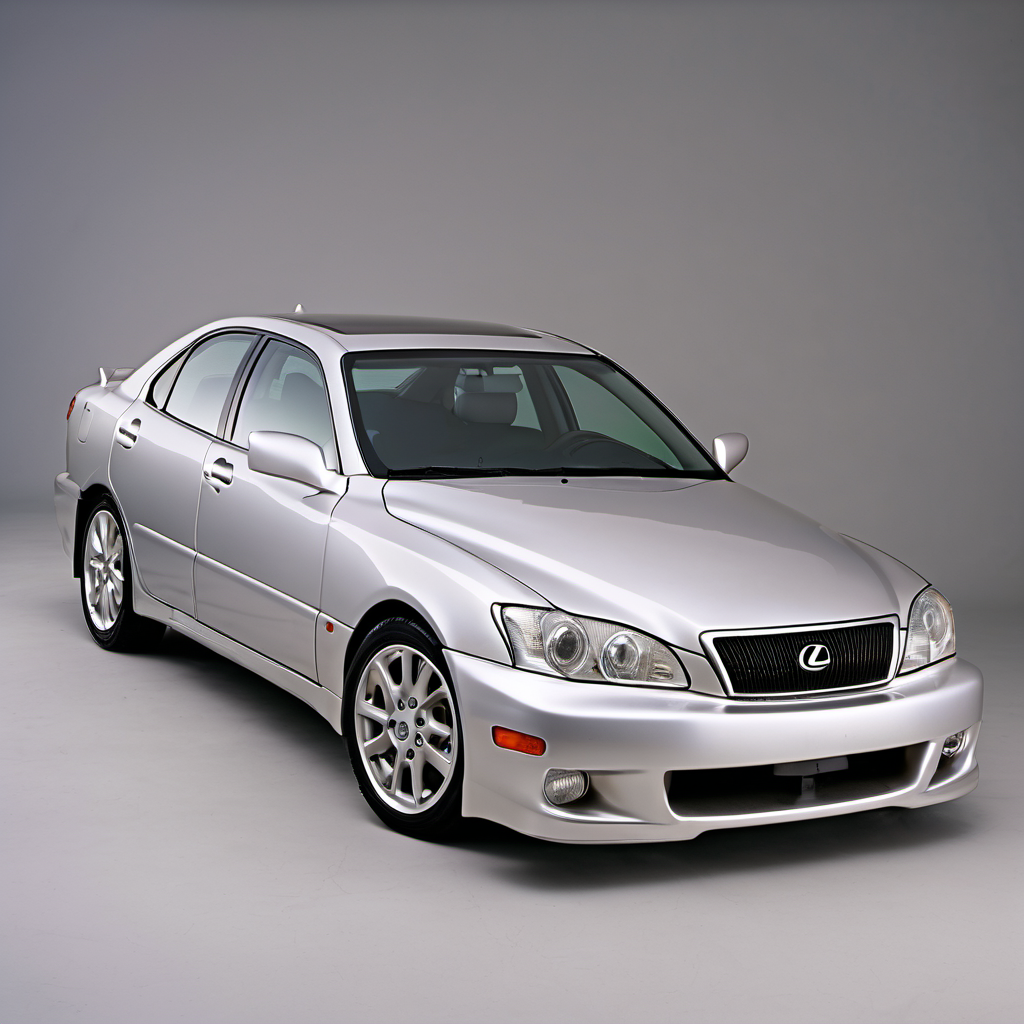
RWD inline-six sport compact at a similar used price. Significantly more reliable long-term and cheaper to maintain, though less engaging to drive and with a smaller enthusiast community.
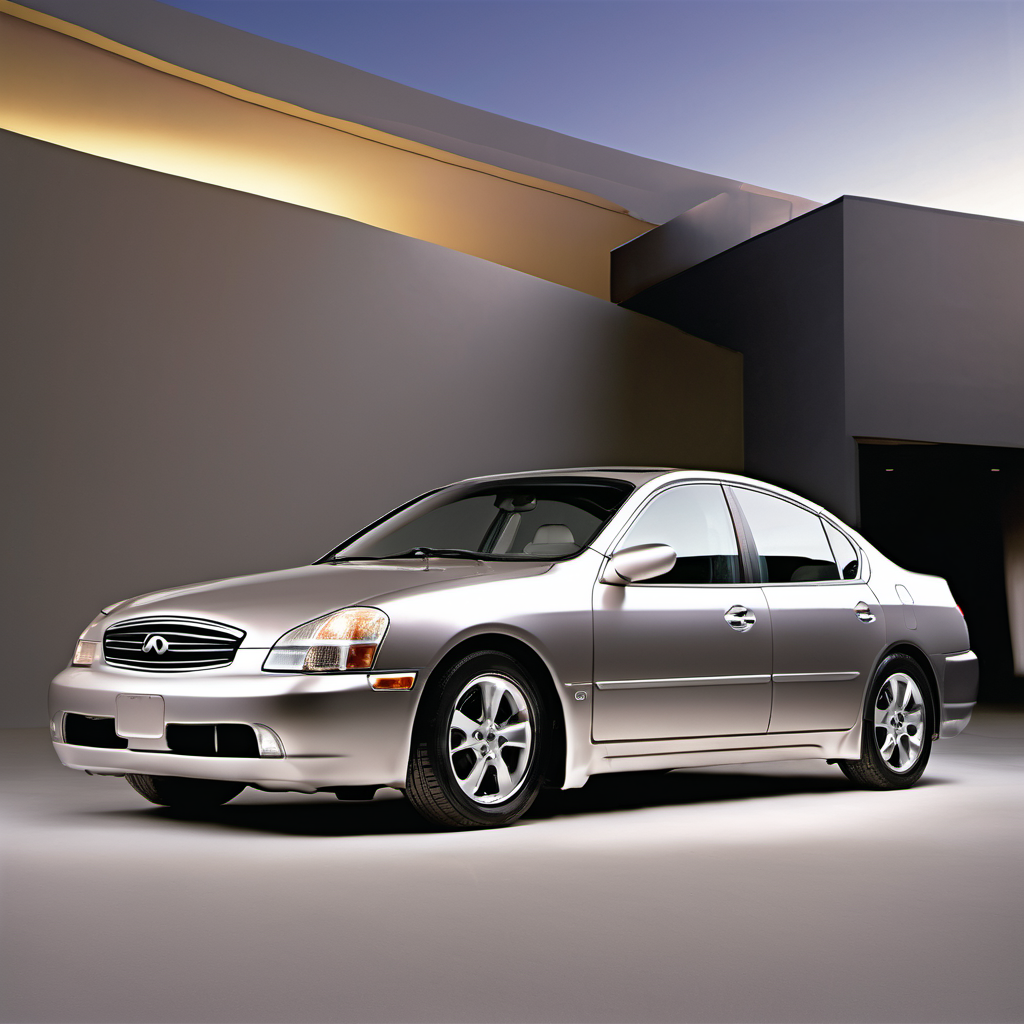
Smaller and less powerful but similarly sport-tuned with RWD dynamics and a strong reliability record. Lower entry cost and cheaper maintenance make it a practical alternative for budget-conscious buyers.