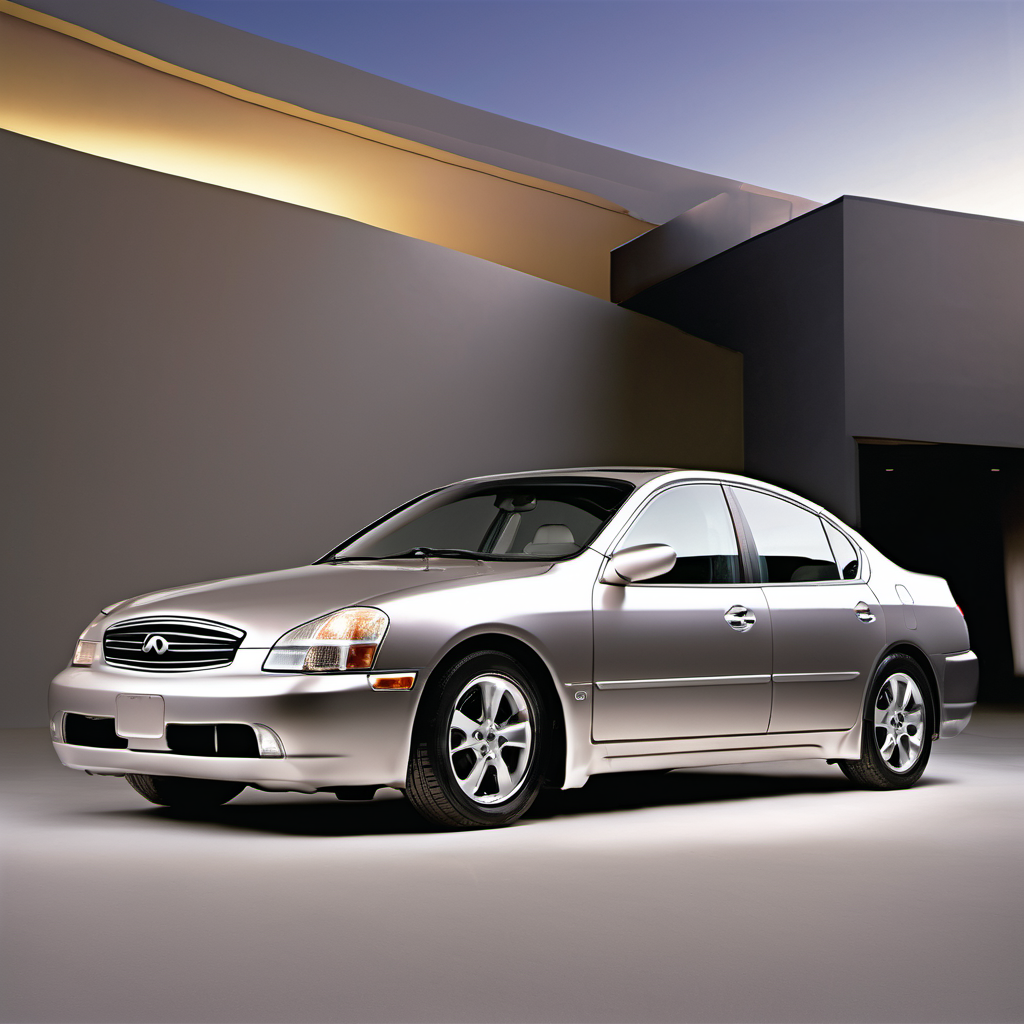
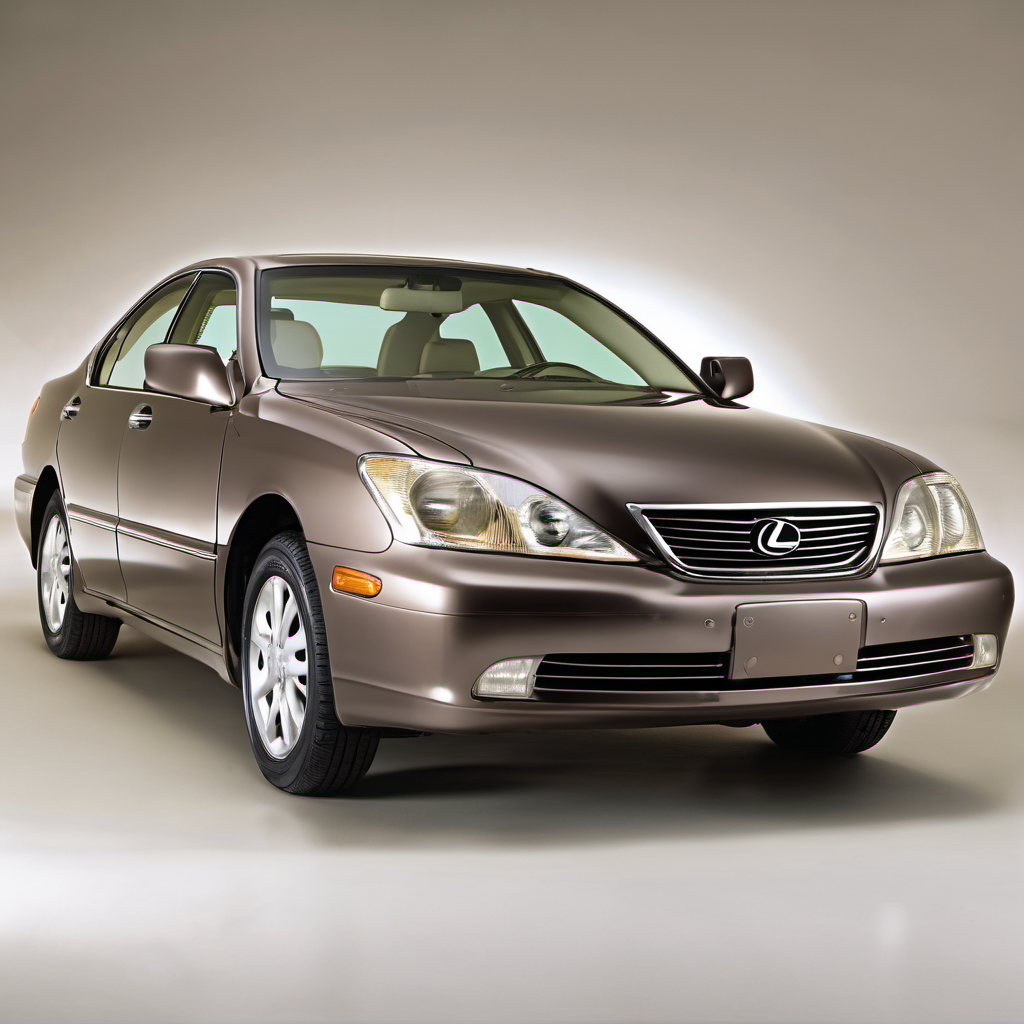
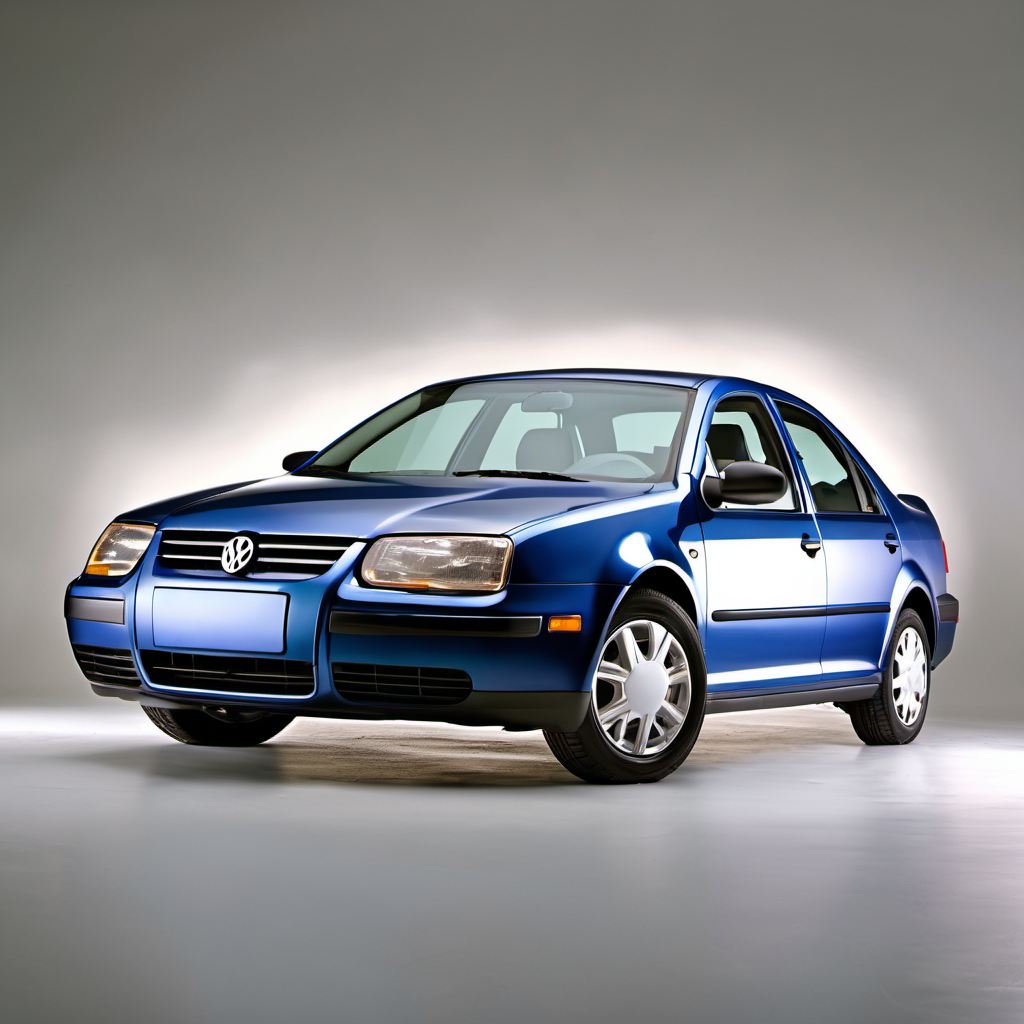
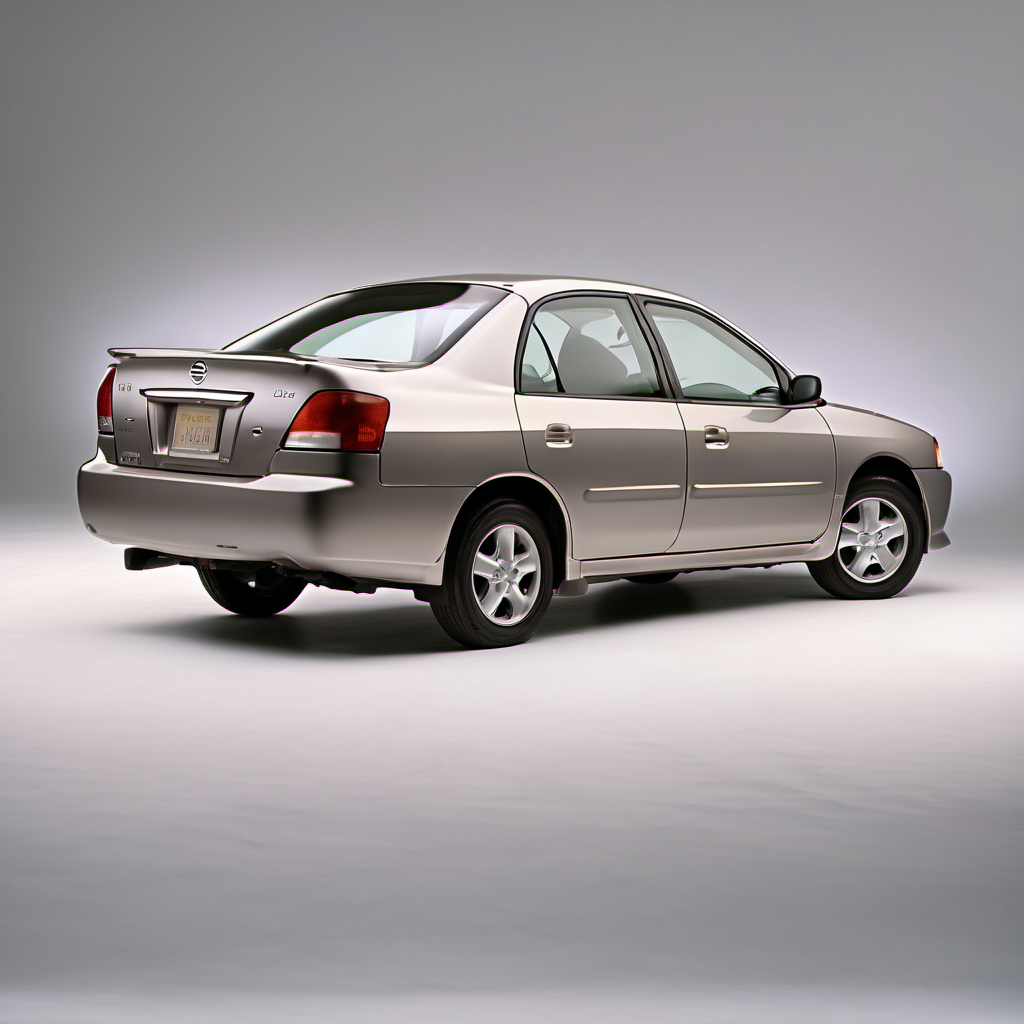
2001 INFINITI G Sedan

2001 INFINITI

GSedan

2.0L I4 (SR20DE) · Sedan

The 2001 Infiniti G20 is the second-generation (P11) G20, a compact rear-wheel-feel sedan built on Nissan's Primera platform with a transverse-mounted 2.0L four-cylinder engine. It was Infiniti's entry-level offering at the time, targeting buyers who wanted a near-luxury, sport-oriented sedan at a lower price point than the I30 or Q45. Inside, it punched above its class with leather, a sunroof, and Bose audio as common equipment. The G20 earned a reputation for being economical to run and surprisingly fun to drive, with a well-tuned suspension that rewarded spirited driving. It was never a powerhouse, but the 145-hp SR20DE engine is willing, reliable, and inexpensive to maintain. By 2001 the model had been refined through a mid-cycle update, giving it a cleaner interior and revised suspension tuning. By modern standards these cars are aging — the youngest are now well over 20 years old — so their condition varies wildly based on how they were maintained and where they lived. A well-kept G20 is still a rewarding, cheap-to-run sport sedan. A neglected one can be a money pit of deferred maintenance and rust.

Reliability
3/5
Verified data
Engine
2.0L I4 (SR20DE)
Drivetrain
FWD
Fuel
Gasoline
MPG
24 city / 31 hwy / 27 combined
Seats
5
Doors
4
Body
Sedan
MSRP
$24,400

Overview

AI-curated

The 2001 Infiniti G20 is the second-generation (P11) G20, a compact rear-wheel-feel sedan built on Nissan's Primera platform with a transverse-mounted 2.0L four-cylinder engine. It was Infiniti's entry-level offering at the time, targeting buyers who wanted a near-luxury, sport-oriented sedan at a lower price point than the I30 or Q45. Inside, it punched above its class with leather, a sunroof, and Bose audio as common equipment. The G20 earned a reputation for being economical to run and surprisingly fun to drive, with a well-tuned suspension that rewarded spirited driving. It was never a powerhouse, but the 145-hp SR20DE engine is willing, reliable, and inexpensive to maintain. By 2001 the model had been refined through a mid-cycle update, giving it a cleaner interior and revised suspension tuning. By modern standards these cars are aging — the youngest are now well over 20 years old — so their condition varies wildly based on how they were maintained and where they lived. A well-kept G20 is still a rewarding, cheap-to-run sport sedan. A neglected one can be a money pit of deferred maintenance and rust.

Known for
  • Reliable SR20DE four-cylinder engine with long service life
  • Sport-tuned suspension that handles well for a front-wheel-drive sedan
  • Near-luxury interior features at an entry-level price
  • Economical fuel consumption for a late-1990s/early-2000s near-luxury car
Best for
  • Budget-conscious buyers who want a sporty, easy-to-maintain daily driver
  • Owners comfortable doing some DIY maintenance on an older vehicle
  • Drivers who prioritize handling and efficiency over outright power
Watch for
  • Rust on underbody, subframe, and brake lines — critical concern in Wisconsin
  • High mileage examples with neglected timing chain and oil change history
  • Aging rubber: coolant hoses, motor mounts, and suspension bushings all degrade with age
  • Electrical gremlins from corroded connectors and aging wiring harnesses
  • Parts availability shrinking as the model approaches 25 years old

Common issues by mileage

6 known

Rust on underbody, subframe, and brake lines

high
Typically appears
Any mileage — age-driven
Estimated repair
$300 – $2,500

Cracked or deteriorated coolant hoses and thermostat housing

high
Typically appears
80k–150k+ mi
Estimated repair
$150 – $500

Worn engine and transmission mounts causing vibration

high
Typically appears
80k–150k mi
Estimated repair
$200 – $550

Camshaft position sensor / timing chain stretch (oil change neglect)

medium
Typically appears
100k–180k mi
Estimated repair
$400 – $1,200

Oxygen sensor failure / heater circuit faults

medium
Typically appears
80k–150k mi
Estimated repair
$150 – $400

Front suspension bushing and ball joint wear

high
Typically appears
90k–160k mi
Estimated repair
$250 – $800

Maintenance schedule

  1. 1
    Every 5,000 miles or 6 months — use full synthetic 5W-30 Engine oil and filter change

    The SR20DE's timing chain longevity is directly tied to clean oil. At this age, shorter intervals are cheap insurance.

  2. 2
    Every 30,000 miles or 2 years Coolant flush and hose inspection

    20-year-old hoses and clamps are failure-prone. A cooling system failure can quickly become an overheating event and head gasket damage.

  3. 3
    Every 2 years Brake fluid flush

    Brake fluid is hygroscopic and absorbs moisture over time. On an older vehicle this accelerates internal corrosion of calipers and wheel cylinders.

  4. 4
    At purchase, then annually Inspect and replace brake lines

    Wisconsin road salt causes brake line corrosion that can lead to sudden brake failure. This is a safety-critical check on any car this age in the upper Midwest.

  5. 5
    Every 30,000 miles Spark plug replacement

    The SR20DE is not a coil-on-plug engine — worn plugs affect combustion efficiency and can foul ignition wires.

  6. 6
    Every 30,000–45,000 miles Transmission fluid change (automatic)

    Nissan's RE4F02 automatic is reliable when fluid is kept fresh. Neglected fluid causes shift quality problems and shortens transmission life.

  7. 7
    Every 60,000 miles or at signs of cracking/glazing Serpentine belt and tensioner inspection

    A belt failure strands you and can kill the engine if it interferes with the cooling fan. Age matters as much as mileage on rubber components.

  8. 8
    Annually, preferably each spring after winter Underbody and subframe rust inspection

    Wisconsin salt eats subframes and control arm mounting points. Catching it early means cleaning and coating; catching it late means expensive structural repair or a junked car.

Always defer to the manufacturer's service manual for warranty-mandated intervals.

Cost of ownership

Annual maintenance
$600 – $1,800
Fuel
At roughly 27 MPG combined and typical Wisconsin driving, expect $1,100–$1,500/year in fuel at current prices.
Insurance
Generally inexpensive to insure given age and low book value — expect $600–$1,100/year depending on coverage level and driving record.

A well-maintained G20 is one of the cheaper cars to keep running day-to-day. The SR20DE parts are affordable and the car is mechanically simple. The wildcard on a 20+ year-old vehicle is deferred maintenance catch-up: if you buy one with aging hoses, tired bushings, and a questionable brake line history, the first year of ownership can run $2,000–$4,000 in repairs before you reach steady-state. Budget for it upfront.

Seasonal care

Lake Geneva, WI
Winter
  • Switch to a full synthetic 5W-30 if not already used — it flows better in sub-zero Wisconsin starts and reduces wear on cold start, which is when the SR20DE's timing chain sees the most stress.
  • Inspect and test the battery before November. A battery over 4 years old or below 550 CCA should be replaced — cold cranking amps drop sharply below 20°F.
  • Use winter-rated washer fluid rated to at least -20°F and replace wiper blades with winter blades before the first freeze.
  • Flush and inspect the cooling system — a 50/50 coolant mix protects to around -34°F; confirm your mix is correct before hard freezes arrive.
  • Inspect brake lines and underbody for rust damage before winter, then again in spring. Salt accelerates existing corrosion rapidly.
  • Keep the fuel tank at least half full to prevent moisture accumulation in the fuel system and add weight over the front-wheel-drive axle.
Summer
  • Check tire pressure monthly — pressure drops ~1 PSI for every 10°F of temperature change, and underinflated tires run hot in summer heat.
  • Inspect A/C system operation and cabin filter. The G20's A/C is old enough that the refrigerant charge and compressor seal condition should be verified each season.
  • Check coolant level and watch temperature gauge closely — aging hoses and a weak thermostat show up fastest during hot weather and stop-and-go traffic.
  • Inspect drive belts for cracking and glazing — heat accelerates rubber degradation on a vehicle this age.

Comparable vehicles

If you're shopping for one

Red flags
  • Any visible rust perforation on the floor, sills, or subframe — structural rust is a deal-breaker.
  • Coolant in the oil or oil in the coolant reservoir — head gasket failure on a 20-year-old SR20DE is usually not worth repairing.
  • Timing chain rattle on cold start — indicates oil neglect and a potentially expensive repair.
  • Check engine light with VVT/camshaft timing codes (P0012, P0015) — points to sludge in the oil passages or a worn timing chain.
  • Owner cannot provide any service records — deferred maintenance on a vehicle this age is very costly to catch up on.
  • Oxygen sensor faults (P0030–P0036) combined with a rough idle may indicate deeper fuel system or wiring issues beyond simple sensor replacement.
What to inspect
  • Lift the car and inspect subframe mounting points, control arm brackets, and all brake lines for rust — this is non-negotiable on a Wisconsin-market car this age.
  • Check the oil filler cap and dipstick for milky sludge (head gasket/coolant intrusion) and dark, gritty oil (neglected changes).
  • Warm the engine fully and listen for timing chain rattle on cold start — a rattling chain means the engine needs significant work.
  • Test all four windows, the sunroof, and the HVAC blower on all speeds — electrical gremlins are common at this age.
  • Drive it hard through corners and over bumps: clunks point to worn control arm bushings or ball joints, which are a safety and alignment issue.
  • Check for transmission shudder or harsh shifts — a slipping or shuddering automatic on a 20-year-old car is expensive to rebuild.
AI profile generated 2 days ago · claude-sonnet-4-6 · v2.