Timing Belt Failure (Interference Engine)
high- Typically appears
- 60–105k mi (and every 60k thereafter)
- Estimated repair
- $350 – $650
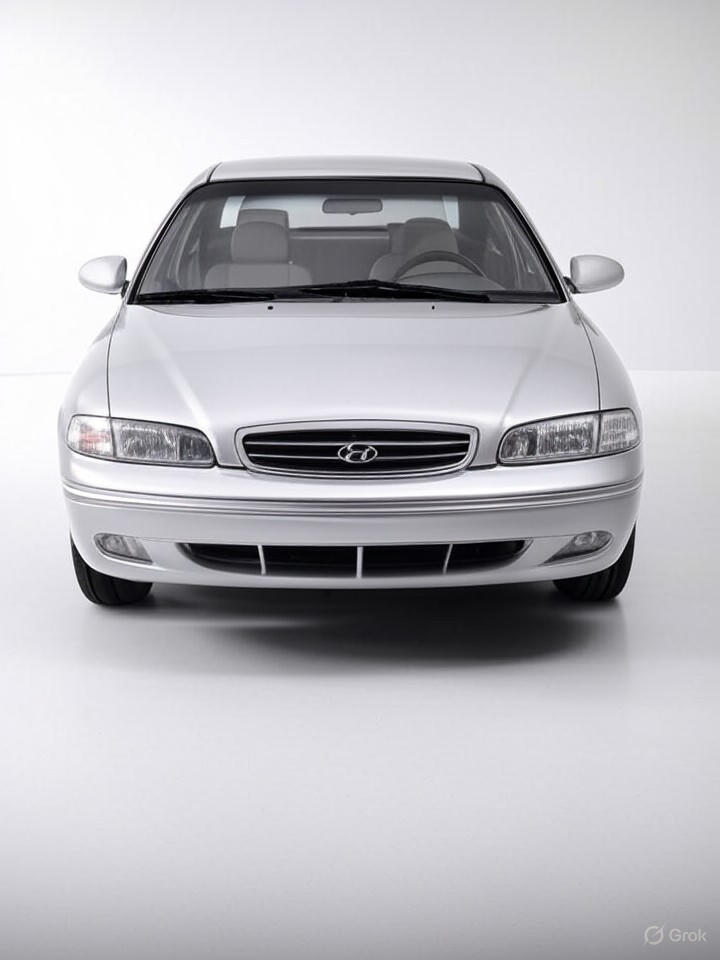
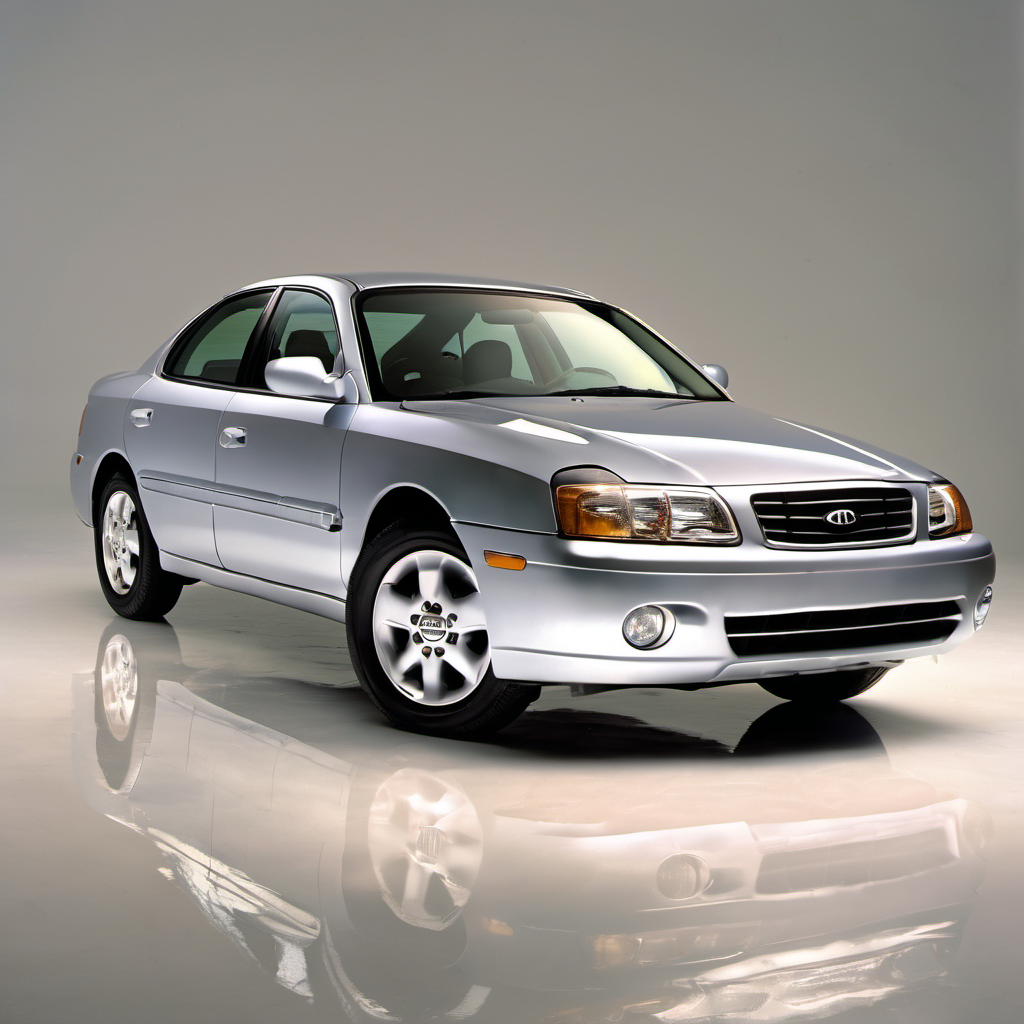
2001 Hyundai
Sedan
The 2001 Hyundai Sonata is a front-wheel-drive mid-size sedan from Hyundai's third generation (EF body). It was offered with either a 2.4L four-cylinder or a 2.5L V6, and represented a significant step forward in Hyundai's build quality over the 1990s models. By 2001 the Sonata had earned a reputation as a budget-friendly family sedan with decent comfort and a surprisingly spacious interior for the price. At 20+ years old, this car now lives squarely in beater or second-car territory. Parts availability is generally fine for common wear items, but some body and trim pieces can be hard to source. Rust is the single biggest threat to any 2001 Sonata still running in the upper Midwest — Lake Geneva's road salt will have been working on the underbody for two decades. For buyers on a tight budget who need reliable point-A-to-point-B transportation, a well-maintained 2001 Sonata can still deliver — but only if the underbody is clean, the automatic transmission shifts smoothly, and the timing belt has been serviced. Skip any example that can't document those basics.
The 2001 Hyundai Sonata is a front-wheel-drive mid-size sedan from Hyundai's third generation (EF body). It was offered with either a 2.4L four-cylinder or a 2.5L V6, and represented a significant step forward in Hyundai's build quality over the 1990s models. By 2001 the Sonata had earned a reputation as a budget-friendly family sedan with decent comfort and a surprisingly spacious interior for the price. At 20+ years old, this car now lives squarely in beater or second-car territory. Parts availability is generally fine for common wear items, but some body and trim pieces can be hard to source. Rust is the single biggest threat to any 2001 Sonata still running in the upper Midwest — Lake Geneva's road salt will have been working on the underbody for two decades. For buyers on a tight budget who need reliable point-A-to-point-B transportation, a well-maintained 2001 Sonata can still deliver — but only if the underbody is clean, the automatic transmission shifts smoothly, and the timing belt has been serviced. Skip any example that can't document those basics.
The 2.4L G4JS is an interference engine — if the belt snaps, valves meet pistons and the engine is destroyed. Replace the water pump at the same time since labor is already done. This is the most important maintenance item on this car.
Hyundai originally listed this as 'lifetime' fluid, but 20-year-old transmissions need fresh fluid regularly. Dirty fluid accelerates clutch pack wear. Do not flush a high-mileage unit that has never been serviced — a simple drain-and-fill is safer.
Old coolant loses its corrosion inhibitors and attacks aluminum components. Hoses and clamps on a 2001 model should be inspected and replaced proactively.
The 2.4L benefits from fresh plugs to maintain fuel efficiency and smooth starts, especially in Wisconsin cold.
Road salt causes rapid corrosion on brake lines, fuel lines, subframe mounts, and exhaust hangers. Catching rust early means patch repairs instead of replacement. This is the top threat to longevity in Lake Geneva.
Brake fluid absorbs moisture over time, lowering boiling point and corroding calipers and wheel cylinders. On a 20+ year old car, old fluid is the norm — not the exception.
Wisconsin cold makes old rubber brittle. A snapped serpentine belt kills charging, power steering, and cooling simultaneously.
Sub-zero temperatures cut battery capacity by up to 50%. A marginal battery that starts fine in October will fail in January. Test cold cranking amps (CCA) every autumn.
Always defer to the manufacturer's service manual for warranty-mandated intervals.
This is a low-cost-to-own vehicle on a normal maintenance schedule, but one big repair — transmission, rust remediation, or an unserviced timing belt failure — can easily exceed the car's market value. Keep a repair budget in reserve and set a 'walk away' threshold before putting money into it. Parts are inexpensive; labor is where costs can creep up on aging Hyundais.
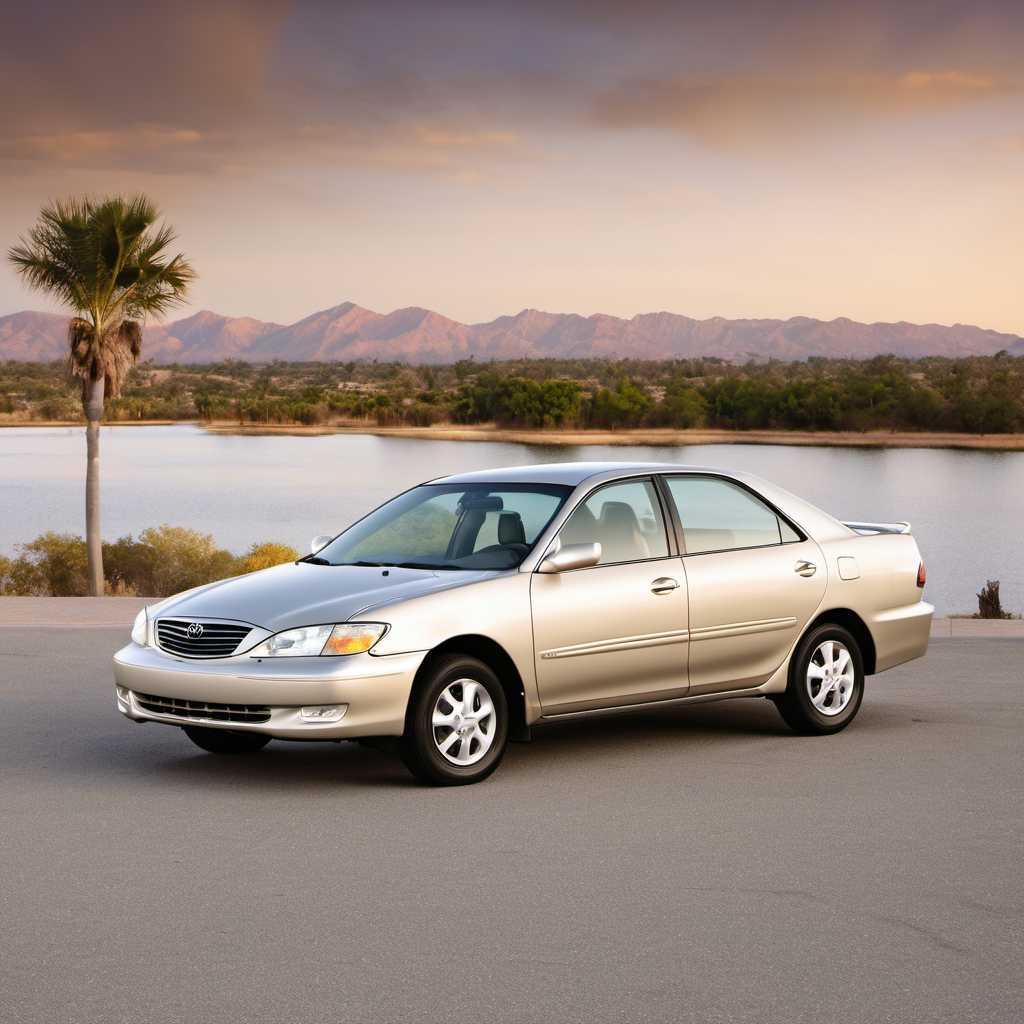
Same segment, similar size and mission, but significantly more reliable long-term — a better buy if the budget allows.
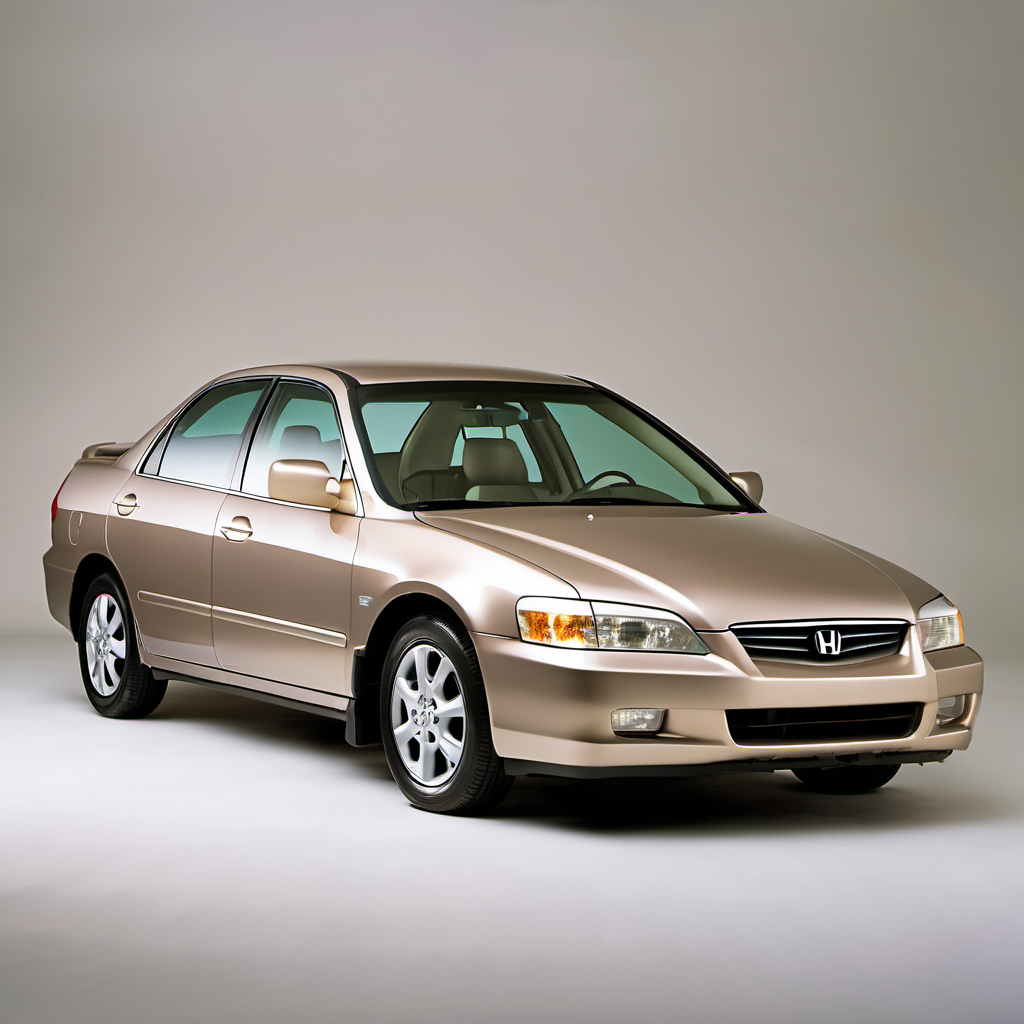
Direct competitor in price and size; stronger reliability reputation and better parts availability at this age.
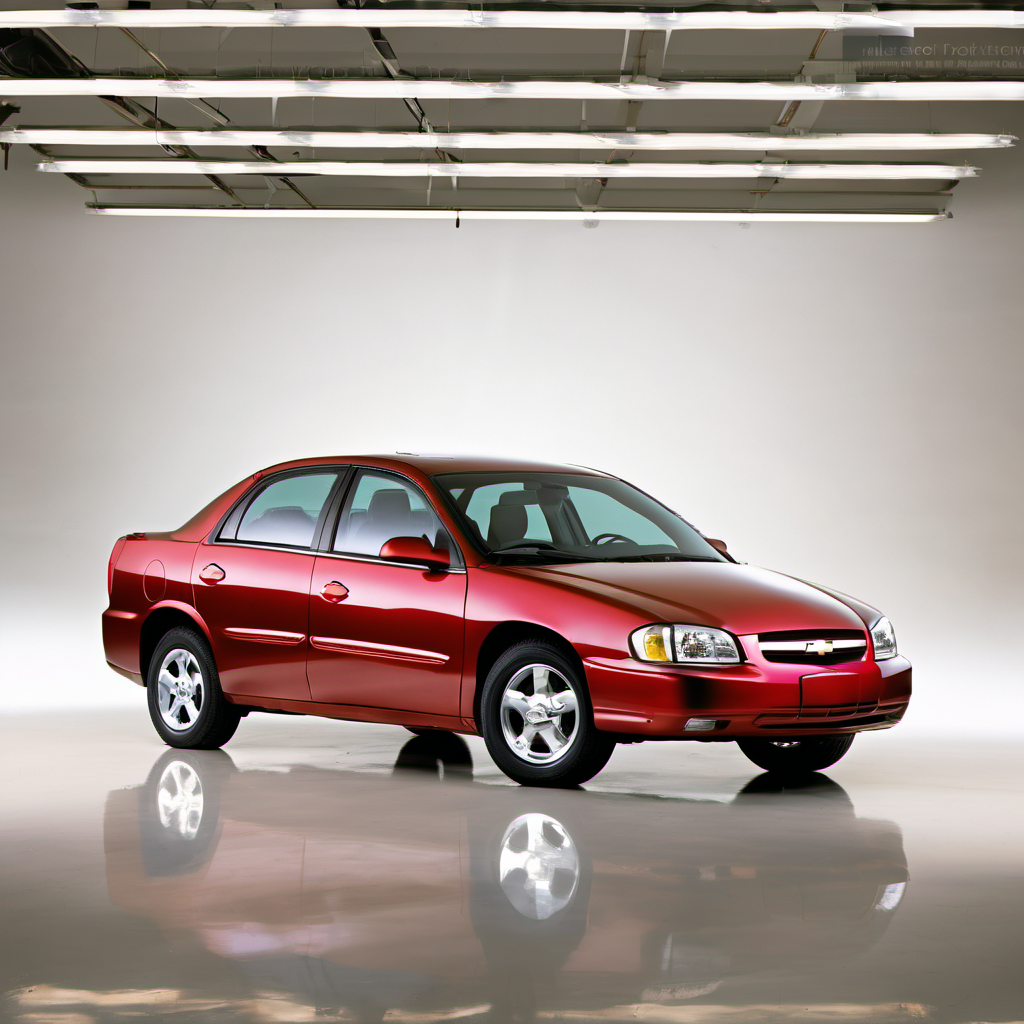
Similar budget mid-size sedan from the same era; comparable ownership cost but different reliability weak points (intake gaskets vs. Sonata's timing belt).
Platform-sharing sibling to the EF Sonata — essentially the same car with different trim. Useful for parts cross-referencing but not a meaningful upgrade.