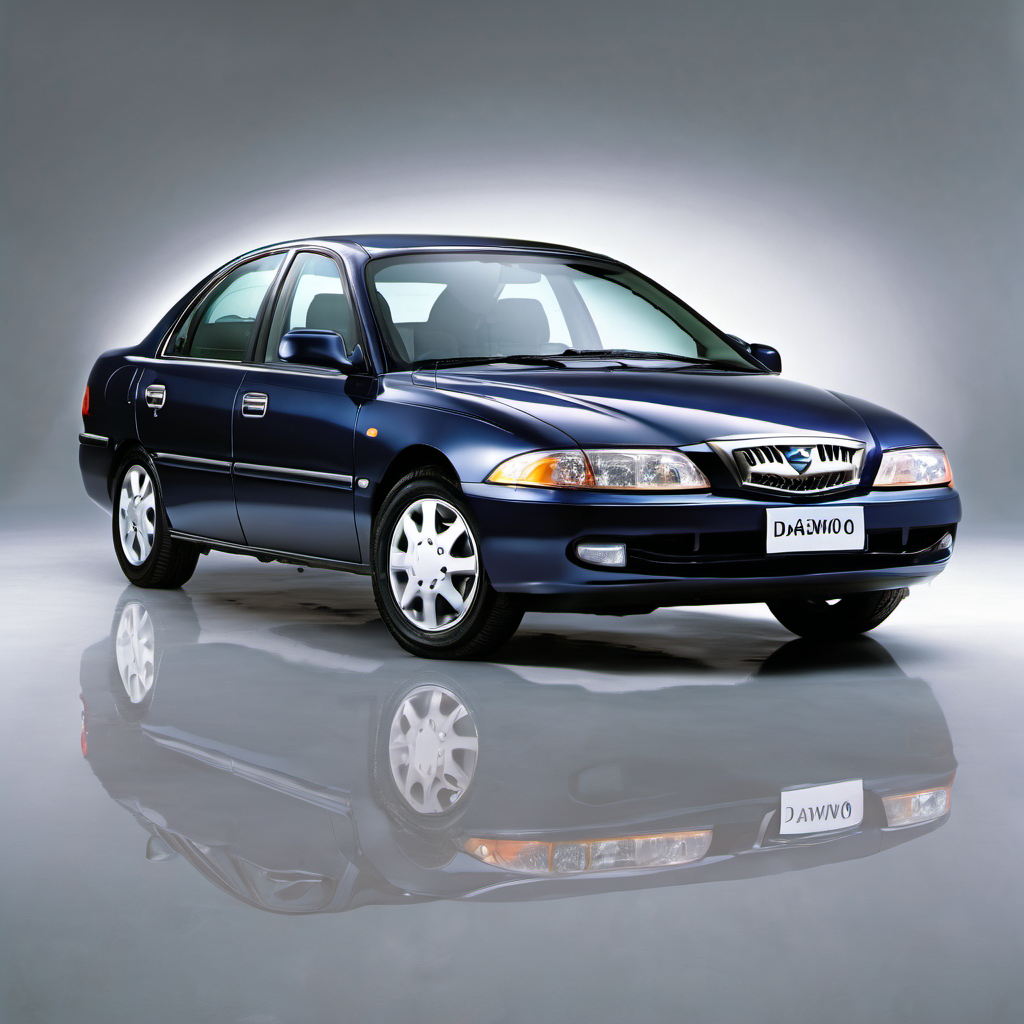
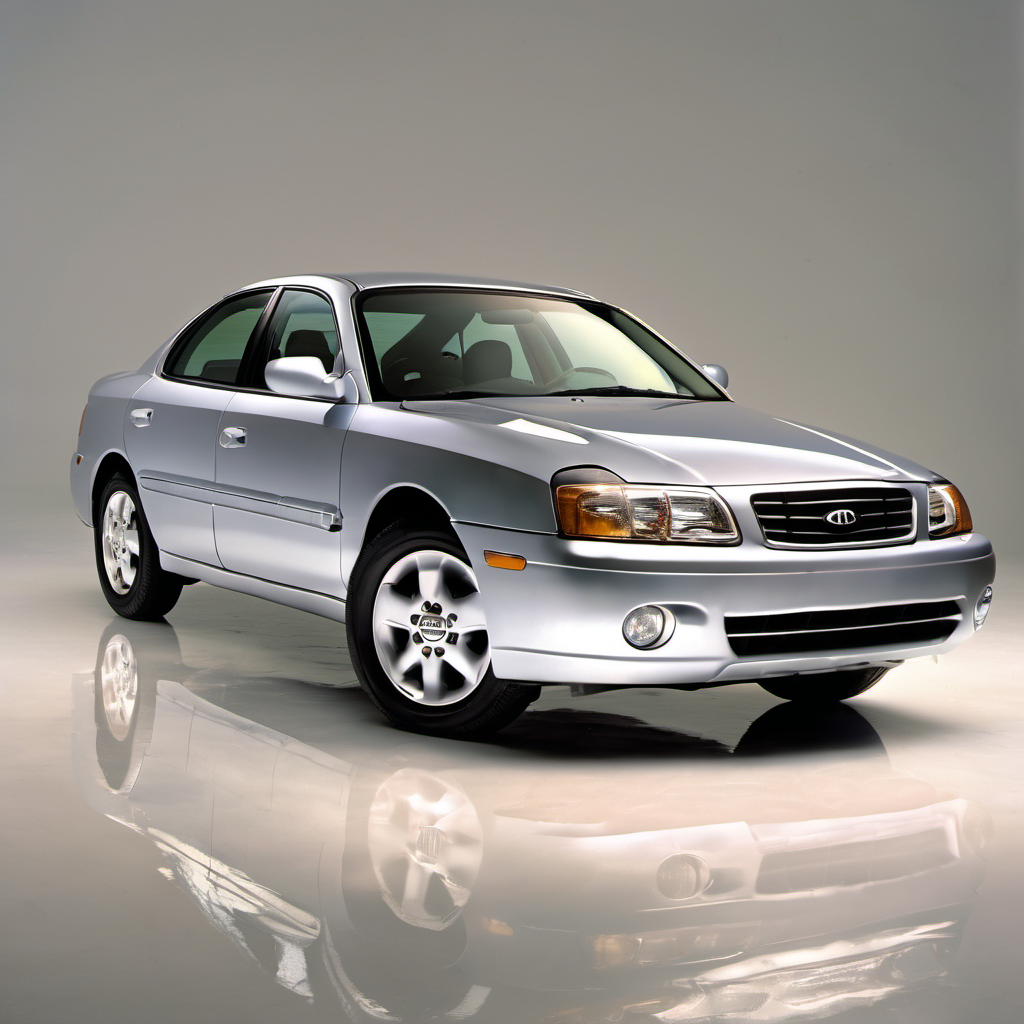
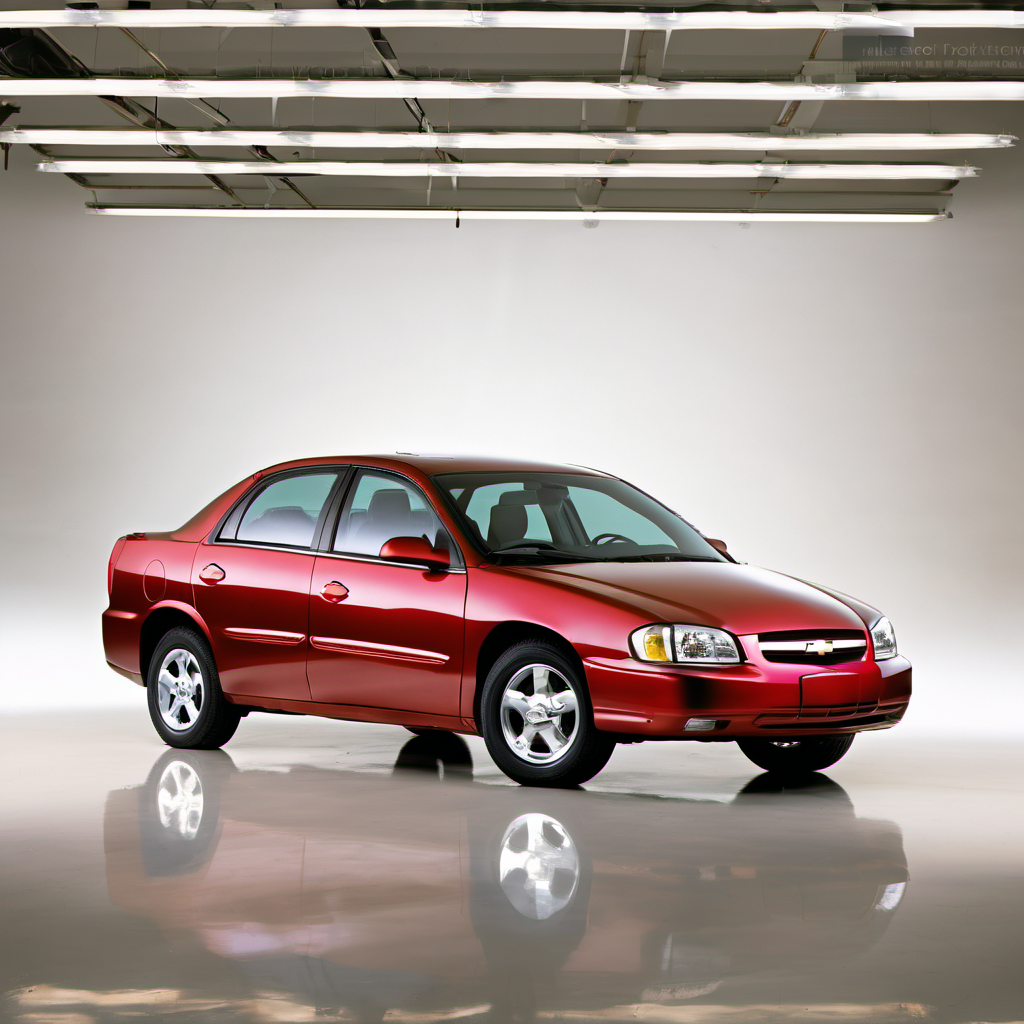
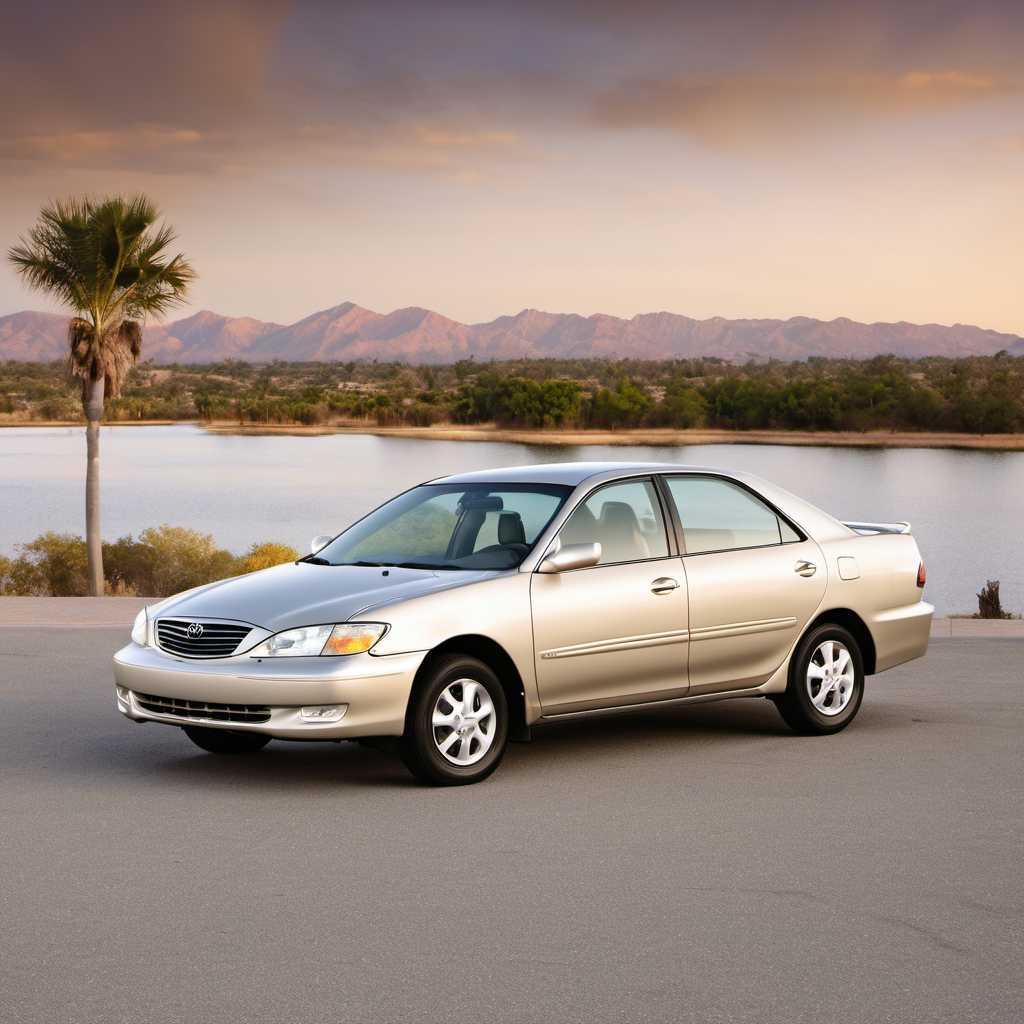
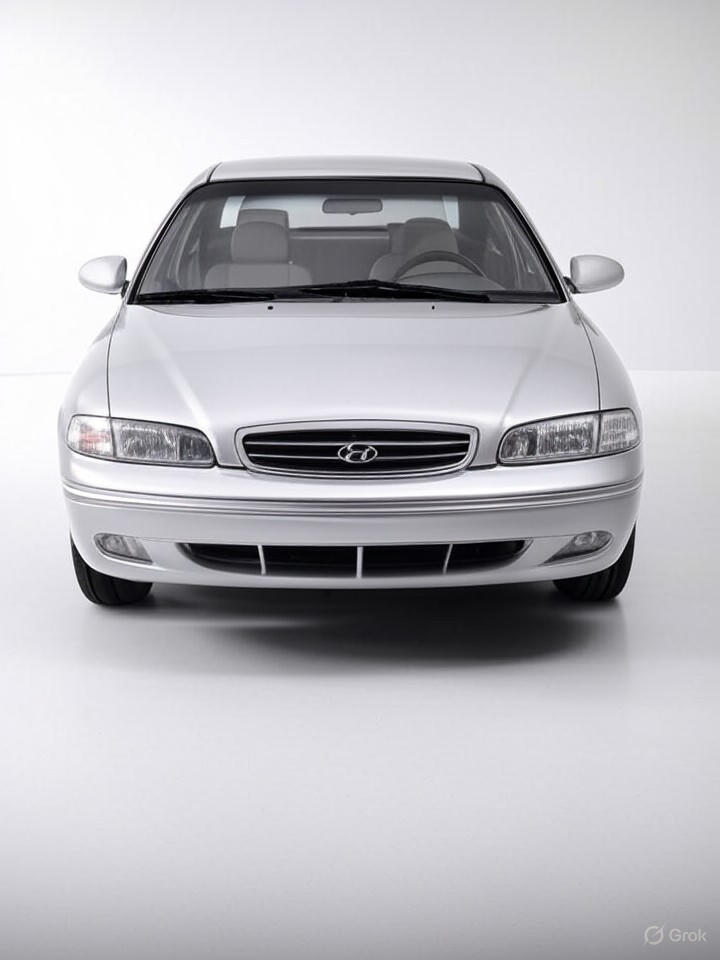
2001 Daewoo Leganza Sedan

2001 Daewoo

LeganzaSedan

Sedan

The 2001 Daewoo Leganza is a front-wheel-drive mid-size sedan that was sold in the U.S. during Daewoo's brief American market push in the late 1990s and early 2000s. It offered a surprisingly roomy interior and European-influenced styling at a budget price point, positioning itself against entry-level Camrys and Accords. Daewoo's U.S. operations collapsed in 2002 following the parent company's bankruptcy, leaving owners with a support vacuum that still defines the ownership experience today. The Leganza used a 2.2L DOHC four-cylinder engine shared with some GM platforms, which helps with parts availability for the engine itself. However, body panels, trim pieces, and electronic modules are increasingly scarce. Most surviving examples have high mileage and deferred maintenance histories — you are unlikely to find one in genuinely good shape without a thorough pre-purchase inspection. For a Lake Geneva-area owner, this car demands extra vigilance. Wisconsin road salt will exploit any existing rust on a 20+ year-old unibody, parts sourcing can involve long lead times, and local mechanic familiarity with Daewoo wiring and modules is limited. Owning one today is a project-car proposition, not a daily-driver recommendation.

Reliability
2/5
Verified data
Specs shown for Leganza — the most common configuration. Other trims may vary in engine, drivetrain, or fuel economy. Sign in to see your vehicle's exact specs.
Engine
[object Object]
Drivetrain
FWD
Fuel
Gasoline
MPG
17 city / 25 hwy / 20 combined
Seats
Doors
Body
Midsize Cars

Overview

AI-curated

The 2001 Daewoo Leganza is a front-wheel-drive mid-size sedan that was sold in the U.S. during Daewoo's brief American market push in the late 1990s and early 2000s. It offered a surprisingly roomy interior and European-influenced styling at a budget price point, positioning itself against entry-level Camrys and Accords. Daewoo's U.S. operations collapsed in 2002 following the parent company's bankruptcy, leaving owners with a support vacuum that still defines the ownership experience today. The Leganza used a 2.2L DOHC four-cylinder engine shared with some GM platforms, which helps with parts availability for the engine itself. However, body panels, trim pieces, and electronic modules are increasingly scarce. Most surviving examples have high mileage and deferred maintenance histories — you are unlikely to find one in genuinely good shape without a thorough pre-purchase inspection. For a Lake Geneva-area owner, this car demands extra vigilance. Wisconsin road salt will exploit any existing rust on a 20+ year-old unibody, parts sourcing can involve long lead times, and local mechanic familiarity with Daewoo wiring and modules is limited. Owning one today is a project-car proposition, not a daily-driver recommendation.

Known for
  • Spacious interior for its class
  • European-influenced styling from Italdesign
  • Budget pricing when new
  • GM-derived 2.2L engine with moderate parts crossover
  • Daewoo brand collapse making support extremely difficult
Best for
  • Budget-conscious DIY mechanics comfortable with scarce parts
  • Collectors interested in rare early-2000s imports
  • Short-trip, low-stakes driving with a backup vehicle available
Watch for
  • Severely limited parts availability — many body and electrical components are NLA (no longer available)
  • No U.S. dealer network; independent shops with Daewoo experience are rare
  • Rust perforation on rockers, floor pans, and subframes on Wisconsin examples
  • Aging rubber seals and electrical connectors that are difficult to source
  • Transmission durability on high-mileage examples is a known weak point

Common issues by mileage

6 known

Automatic transmission failure or harsh shifting

high
Typically appears
80–130k mi
Estimated repair
$1,200 – $3,000

Oxygen sensor heater circuit failure

high
Typically appears
60–120k mi
Estimated repair
$150 – $400

Camshaft position / timing irregularities

medium
Typically appears
70–130k mi
Estimated repair
$200 – $900

Subframe and rocker panel rust-through

high
Typically appears
Any — age-driven on Wisconsin cars
Estimated repair
$500 – $2,500

CAN/network communication faults due to corroded connectors

medium
Typically appears
100k+ mi
Estimated repair
$200 – $1,200

Cooling system leaks (water pump, hoses, radiator)

high
Typically appears
80–150k mi
Estimated repair
$150 – $700

Maintenance schedule

  1. 1
    Every 5,000 miles or 6 months Engine oil and filter change

    The 2.2L DOHC engine depends on clean oil for timing chain and camshaft lubrication. Given the age of these engines, shorter intervals reduce sludge risk.

  2. 2
    Every 2 years or 30,000 miles Coolant flush and hose inspection

    Original hoses and clamps on a 20+ year-old car are at end-of-life. Fresh coolant prevents corrosion inside the block; inspect hoses for cracking at every oil change.

  3. 3
    Every 30,000 miles Automatic transmission fluid change

    Transmission is the highest-cost failure point on this vehicle. Fresh fluid is cheap insurance — do not skip or extend this interval.

  4. 4
    Every 60,000 miles or at first purchase Serpentine belt and tensioner inspection

    Rubber components age regardless of mileage. A belt failure on a 20-year-old car is a real risk; if history is unknown, replace it.

  5. 5
    Every 2 years Brake fluid flush

    Moisture-saturated brake fluid lowers boiling point and accelerates caliper corrosion — a serious concern in a Wisconsin salt environment.

  6. 6
    Every fall, before first salt application Underbody rust inspection and treatment

    Wisconsin salt will accelerate any existing corrosion. Inspect subframe mounting points, floor pans, and rocker seams. Apply rust-inhibiting coating to bare metal annually.

  7. 7
    Every 30,000 miles Spark plug replacement

    Standard copper-tip plugs are the spec for this engine. Worn plugs stress ignition coils and cause rough running, which is harder to diagnose on aging electronics.

  8. 8
    Every fall Battery load test

    Sub-zero Wisconsin starts demand a strong battery. A battery that passes a summer voltage check can fail a cold-crank test — load-test it before November.

Always defer to the manufacturer's service manual for warranty-mandated intervals.

Cost of ownership

Annual maintenance
$800 – $2,500
Fuel
At 20 MPG combined and average Wisconsin driving (~12,000 mi/yr), expect roughly $1,800–$2,200/year at current fuel prices.
Insurance
Liability-only coverage is typical for a vehicle this age and value; expect $400–$700/year depending on driver profile. Full coverage rarely pencils out given market value.

On paper, a Leganza is cheap to acquire. In practice, parts scarcity and aging systems push real annual costs well above what a comparable Toyota or Honda of similar mileage would cost. Budget toward the high end of the maintenance range if the car has an unknown service history. A single transmission rebuild or significant rust repair can exceed the vehicle's entire market value.
Seasonal care

Lake Geneva, WI
Winter
  • Load-test the battery every fall — this engine needs strong cold-crank amps at Wisconsin temps; replace any battery older than 4 years proactively.
  • Switch to a full-synthetic 5W-30 oil before winter for easier cold starts and faster oil circulation at sub-zero temperatures.
  • Fill the washer fluid reservoir with a rated winter formula (good to at least -20°F); the Leganza's cowl and wiper linkage traps ice and debris.
  • Inspect and treat all underbody seams with rust-inhibiting product before first salt exposure; salt will find any gap in the aging body sealer.
  • Keep the fuel tank above half when possible — this reduces moisture condensation in the tank and helps with cold-start fuel pressure.
  • Check that rubber door and trunk seals are pliable; cracked seals on a 20-year-old car let moisture in and doors can freeze shut.
Summer
  • Check tire pressure monthly — hot pavement causes pressure to rise; the correct cold-inflation spec is on the door jamb sticker.
  • Inspect the cooling system carefully before summer: a marginal water pump, aged thermostat, or cracked hose that survives winter can fail under sustained summer heat load.
  • Test the A/C system for refrigerant charge and compressor clutch engagement early in the season; parts for the HVAC system are increasingly hard to find.
  • Check power steering fluid level and inspect hose connections — heat accelerates deterioration of aged rubber hoses on this car.
  • Park in shade when possible; UV exposure degrades the already-aging dashboard plastics and can cause interior trim clips to become brittle.

Comparable vehicles

If you're shopping for one

Red flags
  • Any rust perforation on the floor pan, rocker panels, or subframe — repair cost will exceed vehicle value
  • Transmission slipping, delayed engagement, or check-engine light with transmission-related codes
  • Missing or unavailable replacement parts confirmed during inspection (e.g., non-functional ABS or airbag modules with no sourcing path)
  • Active network/communication DTCs (U0100–U0104) that cannot be traced to a simple connector issue — module replacements may be impossible to source
  • Coolant in the oil or white exhaust smoke indicating head gasket failure on the 2.2L
  • No maintenance records and high mileage (100k+) — with no dealer support, deferred maintenance is an outsized risk on this specific model
What to inspect
  • Full underbody inspection by a lift — focus on subframe mounting points, floor pans, and rocker panels for rust-through, not just surface rust
  • Transmission shift quality: cold start, highway cruise, and kickdown response; any slipping or harsh engagement is a red flag
  • All four oxygen sensor heater circuits — check for P0030/P0031/P0032/P0036 codes with a scan tool
  • Cooling system: pressure-test for leaks, check thermostat response, inspect all hoses and the radiator for cracks
  • Electrical connectors throughout the engine bay and under the dash for corrosion — U-series network codes (U0100–U0104) indicate failing module communication
  • Service history documentation — any gap means unknown deferred maintenance on a 20+ year-old vehicle
AI profile generated 12 days ago · claude-sonnet-4-6 · v2.