Rust — rocker panels, floor pans, and subframe
high- Typically appears
- Any mileage on Midwest cars
- Estimated repair
- $500 – $3,500
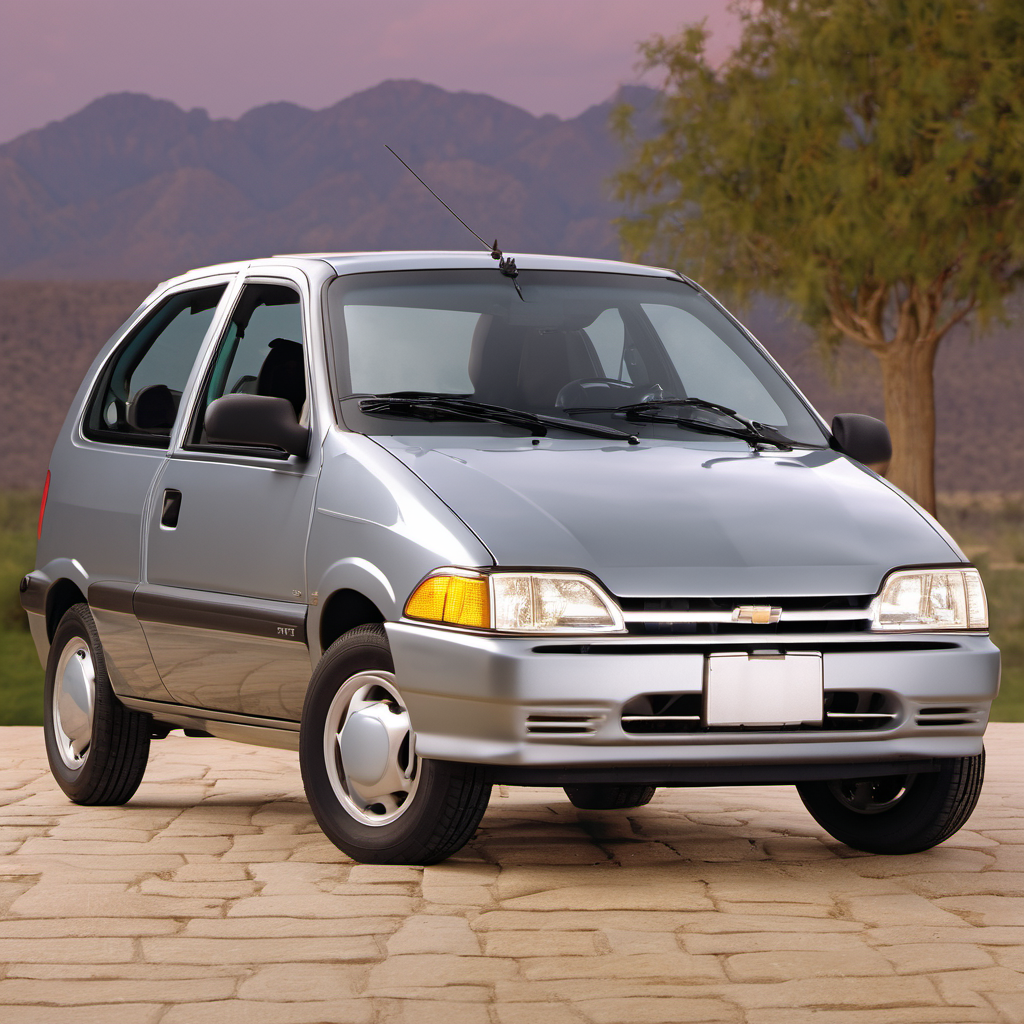
2001 Chevrolet
Sedan
The 2001 Chevrolet Metro is a subcompact economy sedan built on the Suzuki Swift platform — a joint venture between GM and Suzuki that gave the Metro its reputation as one of the most fuel-efficient non-hybrid cars ever sold in the U.S. By 2001, it was in its final model year before GM discontinued the nameplate entirely. The Metro is small, light, and simple: a 1.3L four-cylinder engine, a bare-bones interior, and almost no unnecessary electronics, which actually works in its favor for long-term ownership. Its strengths are straightforward: cheap to buy, cheap to insure, cheap to fill up, and cheap to repair when something does go wrong. The parts-sharing with the Suzuki Swift and Esteem means many components are still available. Mechanics familiar with basic Japanese small-car engineering will have no trouble working on one. The flip side is equally straightforward: the Metro is very light (under 2,000 lbs), which means crash safety is minimal by modern standards. Rust is a serious concern on any surviving example in the upper Midwest, and comfort features are essentially nonexistent. This is a commuter tool, not a road-trip companion.
The 2001 Chevrolet Metro is a subcompact economy sedan built on the Suzuki Swift platform — a joint venture between GM and Suzuki that gave the Metro its reputation as one of the most fuel-efficient non-hybrid cars ever sold in the U.S. By 2001, it was in its final model year before GM discontinued the nameplate entirely. The Metro is small, light, and simple: a 1.3L four-cylinder engine, a bare-bones interior, and almost no unnecessary electronics, which actually works in its favor for long-term ownership. Its strengths are straightforward: cheap to buy, cheap to insure, cheap to fill up, and cheap to repair when something does go wrong. The parts-sharing with the Suzuki Swift and Esteem means many components are still available. Mechanics familiar with basic Japanese small-car engineering will have no trouble working on one. The flip side is equally straightforward: the Metro is very light (under 2,000 lbs), which means crash safety is minimal by modern standards. Rust is a serious concern on any surviving example in the upper Midwest, and comfort features are essentially nonexistent. This is a commuter tool, not a road-trip companion.
The 1.3L engine has tight tolerances and is nearly as old as the model year itself — fresh oil is the single biggest longevity factor. Use the manufacturer-specified viscosity; do not use heavy oils that can slow circulation in a cold Wisconsin start.
This is an interference engine. A snapped belt means bent valves and a destroyed engine. On a 20+ year-old Metro, replace it immediately if history is unknown, regardless of mileage.
Aging rubber hoses and a small cooling system make overheating a real risk. Inspect all hoses for cracking and softness at every oil change.
Brake fluid absorbs moisture over time, lowering its boiling point. In Wisconsin winters, moisture intrusion also accelerates internal caliper and wheel cylinder corrosion.
The Metro's thin unibody is extremely vulnerable to salt corrosion. Inspect rocker panels, floor pans, and subframe mounts. Treat exposed metal and touch up any paint chips before winter.
Worn plugs cause misfires and hurt fuel economy — the Metro's main selling point. The 1.3L runs best with plugs replaced on schedule.
A small engine at sub-zero temps still needs full cranking power. The Metro's charging system is minimal; a weak battery won't get a second chance when it's -10°F in Lake Geneva.
Torn boots on salted roads pack in grit fast and destroy CV joints quickly. Catching a torn boot early is a $60 fix; ignoring it becomes a $250+ axle replacement.
Always defer to the manufacturer's service manual for warranty-mandated intervals.
The Metro is about as cheap to own as a gasoline car gets. Fuel and insurance are minimal. Maintenance costs stay low as long as rust hasn't compromised the structure. If major rust repair is needed, it can easily exceed the vehicle's market value — that's the primary financial risk.
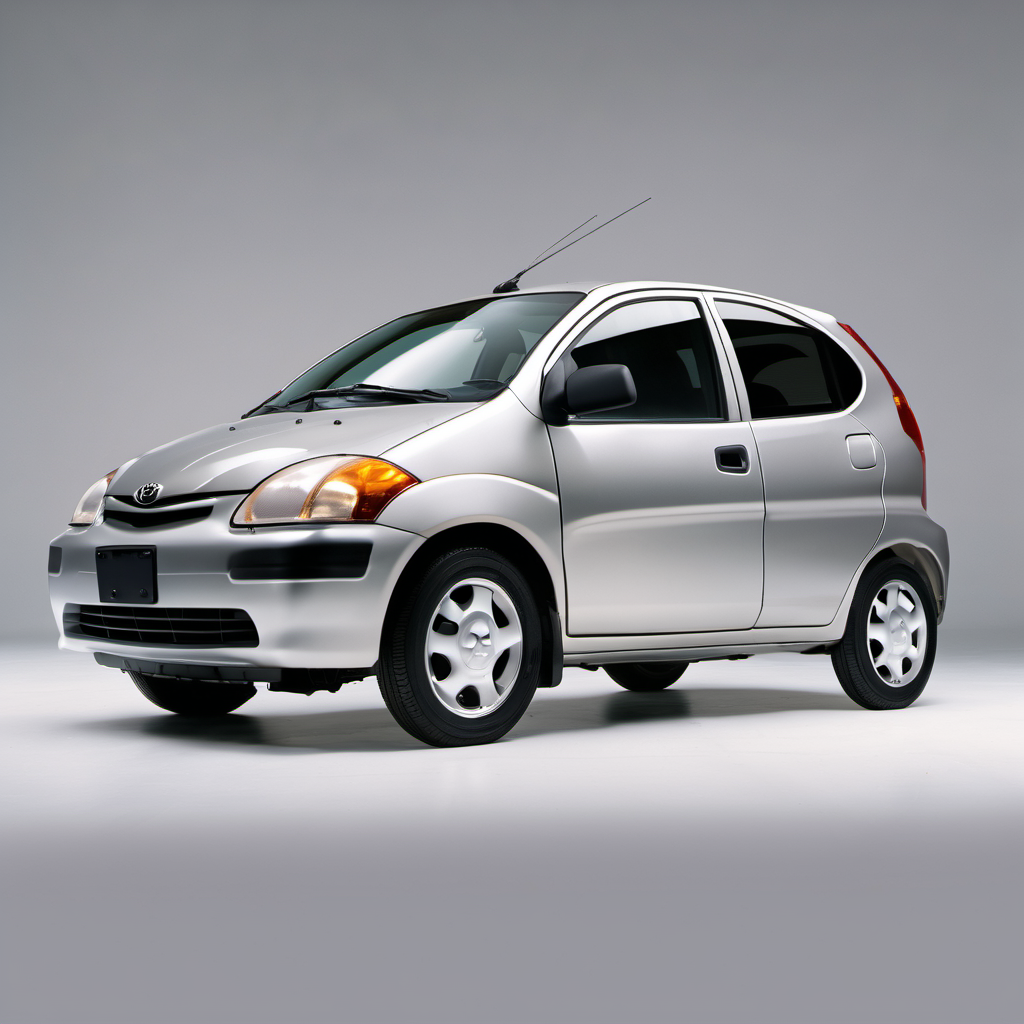
Same era, same mission — ultra-cheap subcompact commuter with excellent fuel economy and a reliable Japanese engine. Better crash safety and more interior room than the Metro.
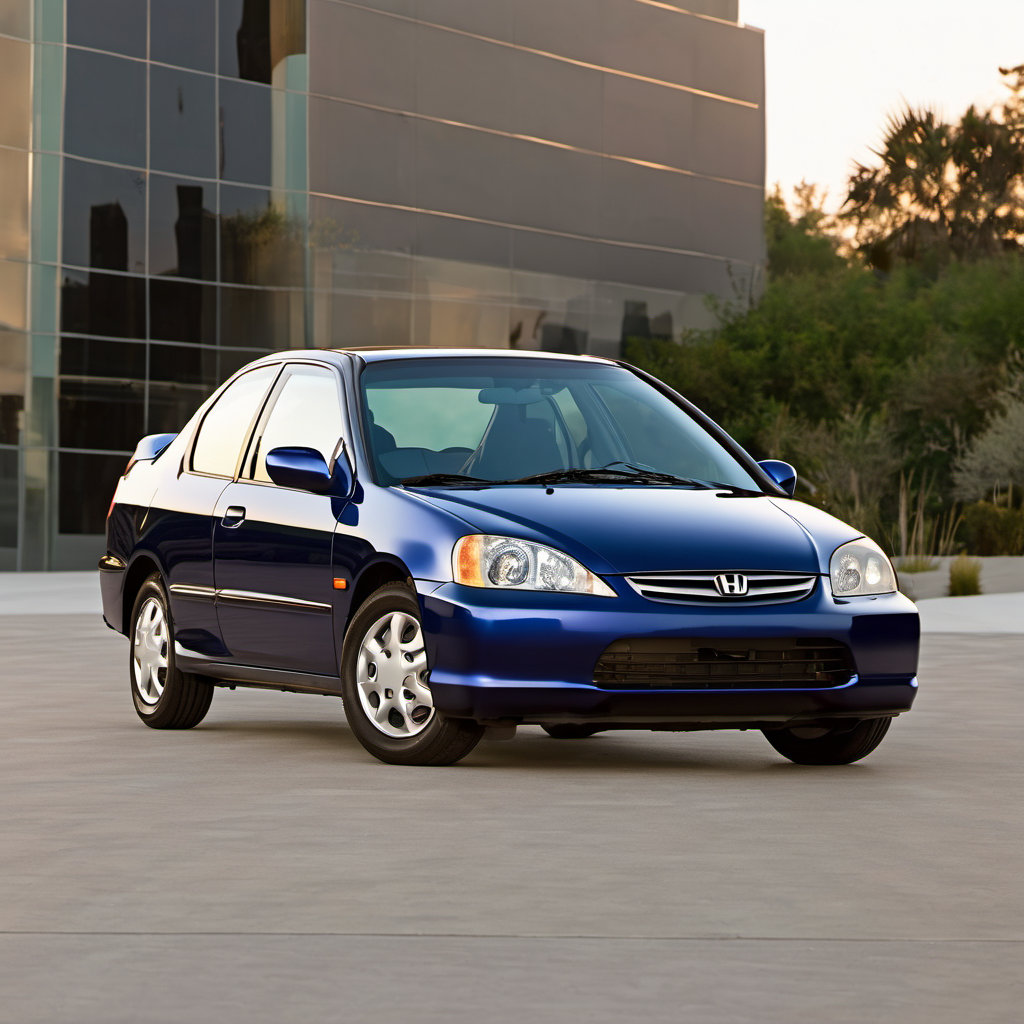
Step up in refinement, safety, and long-term reliability. Slightly higher purchase and maintenance cost, but far more parts availability and resale value.
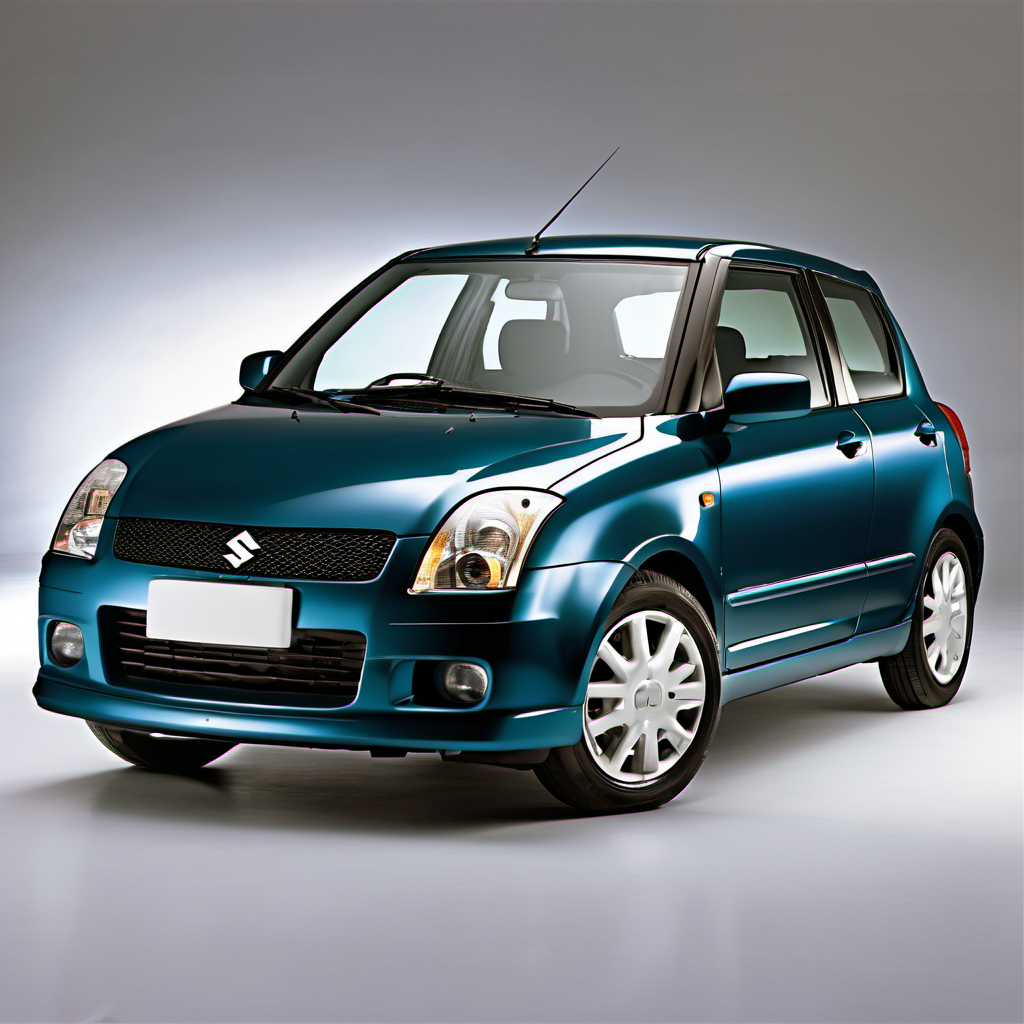
Essentially the same vehicle under a different badge — shared platform, shared engine, many shared parts. A Swift in good condition is a direct alternative.
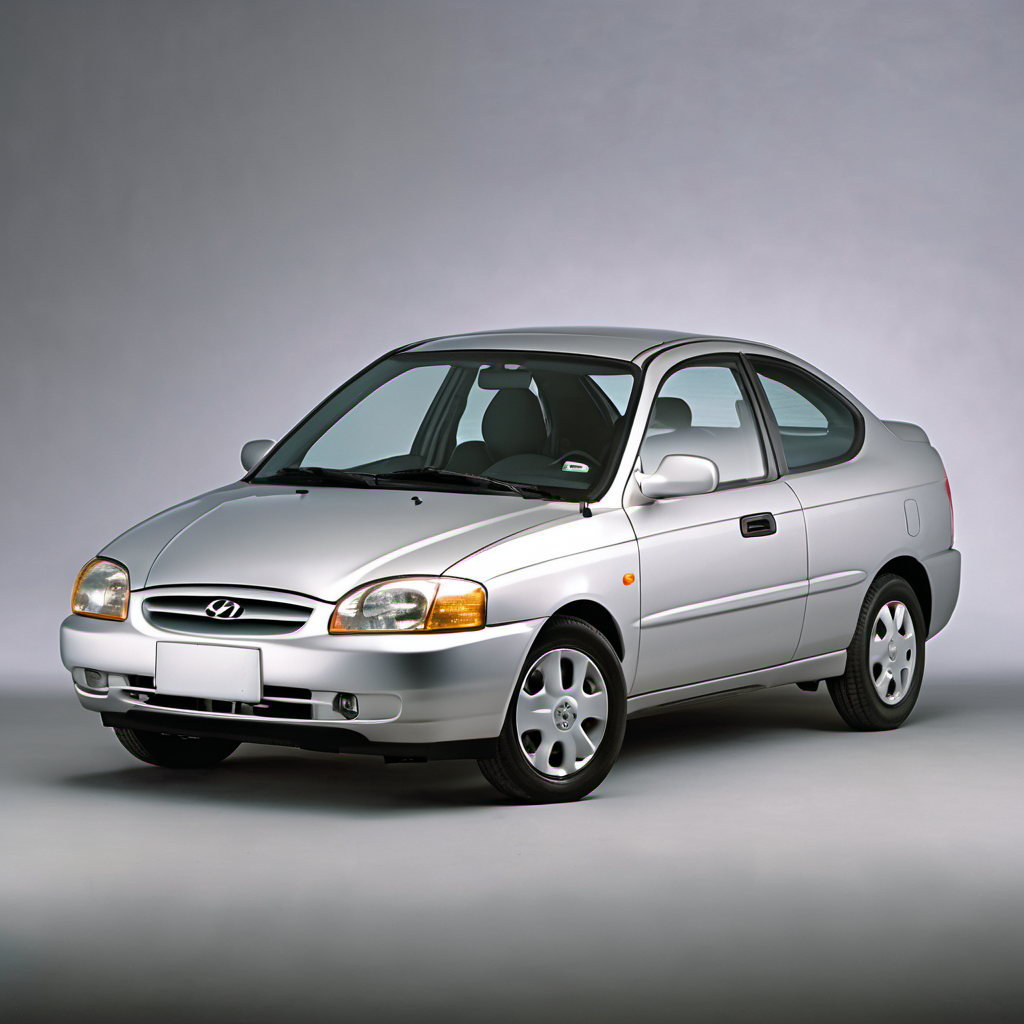
Competing economy subcompact from the same era at a similar price point. Slightly larger and heavier than the Metro, with more standard features.