Timing Belt Failure
high- Typically appears
- 60–105k mi (and every 60k thereafter)
- Estimated repair
- $250 – $450
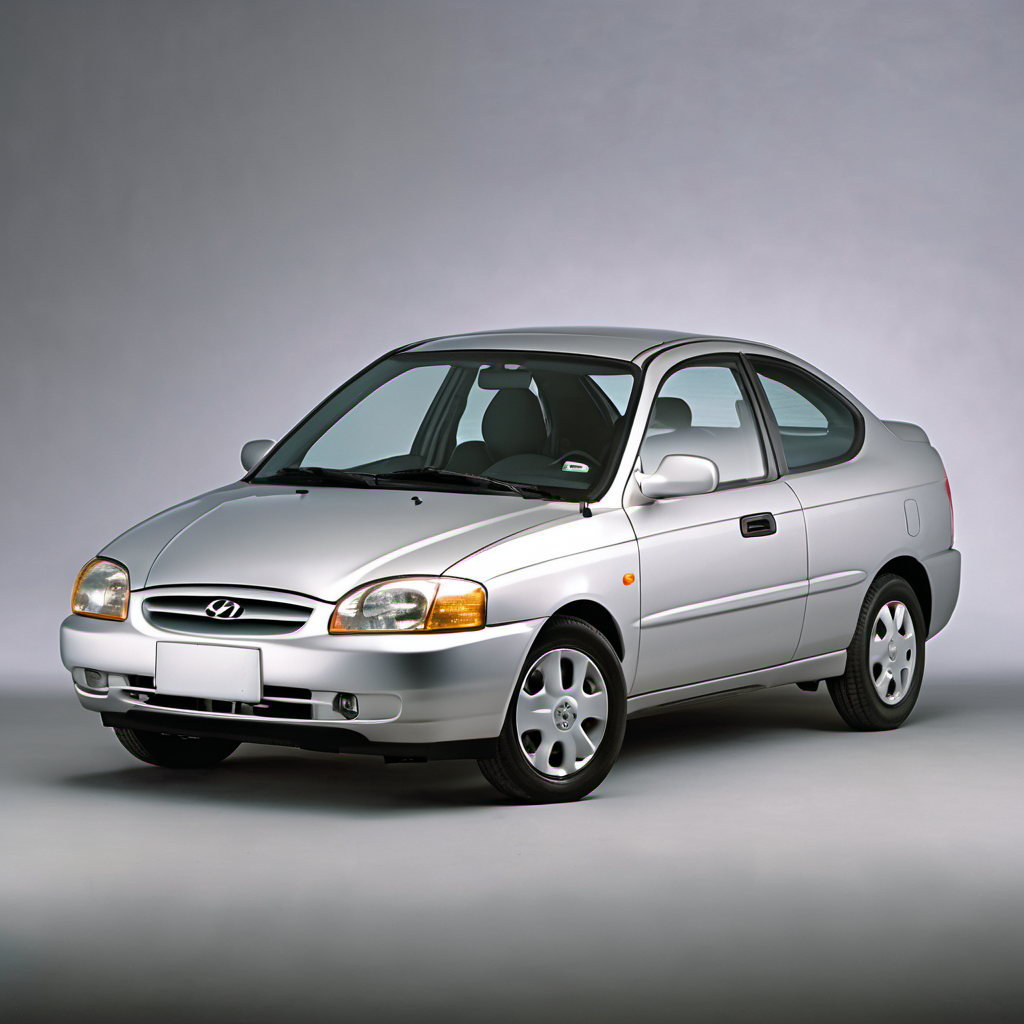
2001 Hyundai
1.5L I4 · Hatchback
The 2001 Hyundai Accent is a subcompact hatchback from Hyundai's second-generation Accent lineup (1999–2005). It was designed squarely around affordability — low purchase price, low insurance, and low fuel costs — rather than outright performance or premium features. In its day it was one of the cheapest new cars on the American market, and a well-kept example can still be an economical commuter even now. Powered by a 1.5L four-cylinder mated to either a 5-speed manual or 4-speed automatic, the Accent is straightforward to work on and inexpensive to maintain when serviced regularly. Parts availability is good through most auto-parts chains, and labor hours are low thanks to the simple engine bay. At over 20 years old, any surviving example should be evaluated carefully for rust (a real concern in salt-belt states like Wisconsin), timing belt condition, and deferred maintenance. Buyers who find a solid, rust-free example with documented service history are getting a genuinely practical city/commuter car. Expect nothing exotic — just honest, basic transportation.
The 2001 Hyundai Accent is a subcompact hatchback from Hyundai's second-generation Accent lineup (1999–2005). It was designed squarely around affordability — low purchase price, low insurance, and low fuel costs — rather than outright performance or premium features. In its day it was one of the cheapest new cars on the American market, and a well-kept example can still be an economical commuter even now. Powered by a 1.5L four-cylinder mated to either a 5-speed manual or 4-speed automatic, the Accent is straightforward to work on and inexpensive to maintain when serviced regularly. Parts availability is good through most auto-parts chains, and labor hours are low thanks to the simple engine bay. At over 20 years old, any surviving example should be evaluated carefully for rust (a real concern in salt-belt states like Wisconsin), timing belt condition, and deferred maintenance. Buyers who find a solid, rust-free example with documented service history are getting a genuinely practical city/commuter car. Expect nothing exotic — just honest, basic transportation.
This is an interference engine. If the belt snaps, pistons collide with open valves and the engine is destroyed. Replace the water pump and tensioner at the same time — labor is already done.
Older engine design with tighter tolerances — fresh oil keeps sludge from building up. Use the manufacturer-specified viscosity; 5W-30 is typical for this engine.
The aluminum components in the cooling system corrode when coolant additives deplete. Old coolant is one of the top causes of radiator and water pump failure on these cars.
Standard copper plugs on this engine wear relatively quickly. Fresh plugs restore fuel economy and prevent misfires that can damage the catalytic converter.
Brake fluid is hygroscopic — it absorbs moisture over time, lowering boiling point and promoting corrosion in brake lines. Especially important before Wisconsin winters.
The Accent's thin underbody sheetmetal is vulnerable to Wisconsin road salt. Inspect rockers, floor pans, and brake lines annually. Touch up any bare metal before winter.
Torn CV boots allow grease to escape and grit to enter the joint. Catching a torn boot early is a $80–120 fix; ignoring it leads to a $300–500 axle replacement.
A clogged air filter noticeably reduces power and fuel economy on the small 1.5L engine. It is a simple DIY item that takes minutes.
Always defer to the manufacturer's service manual for warranty-mandated intervals.
Total cost of ownership is very low when the car is rust-free and mechanically sound. The biggest financial risks are a neglected timing belt (can total the engine) and rust repair, which can quickly exceed the car's market value. A well-maintained example costs very little to keep on the road year to year.
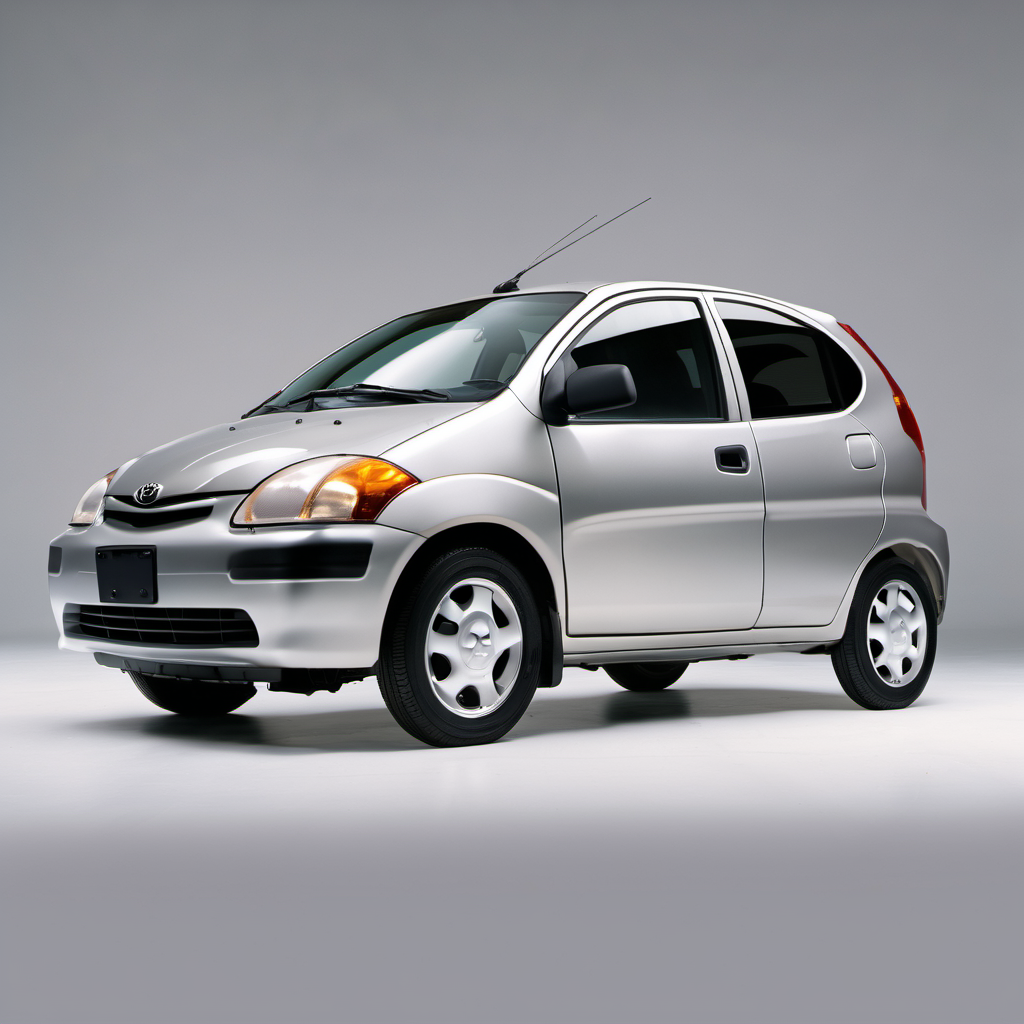
Same era, same mission — ultra-low-cost commuter with excellent fuel economy. The Echo's 1NZ engine has a slightly stronger long-term reliability reputation, and it is available as a hatchback or sedan.
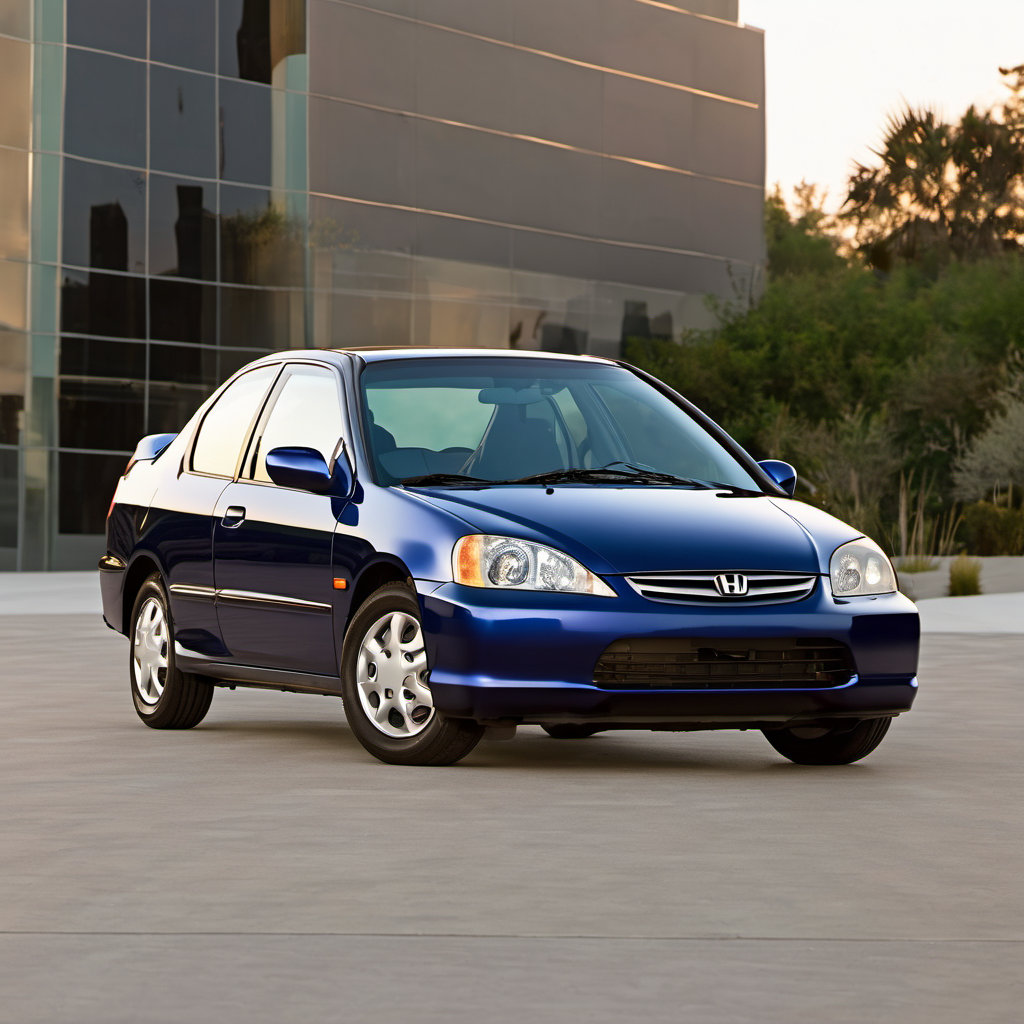
A step up in refinement and long-term durability. Civic hatchbacks of this era hold up extremely well, though they command higher used prices than the Accent.
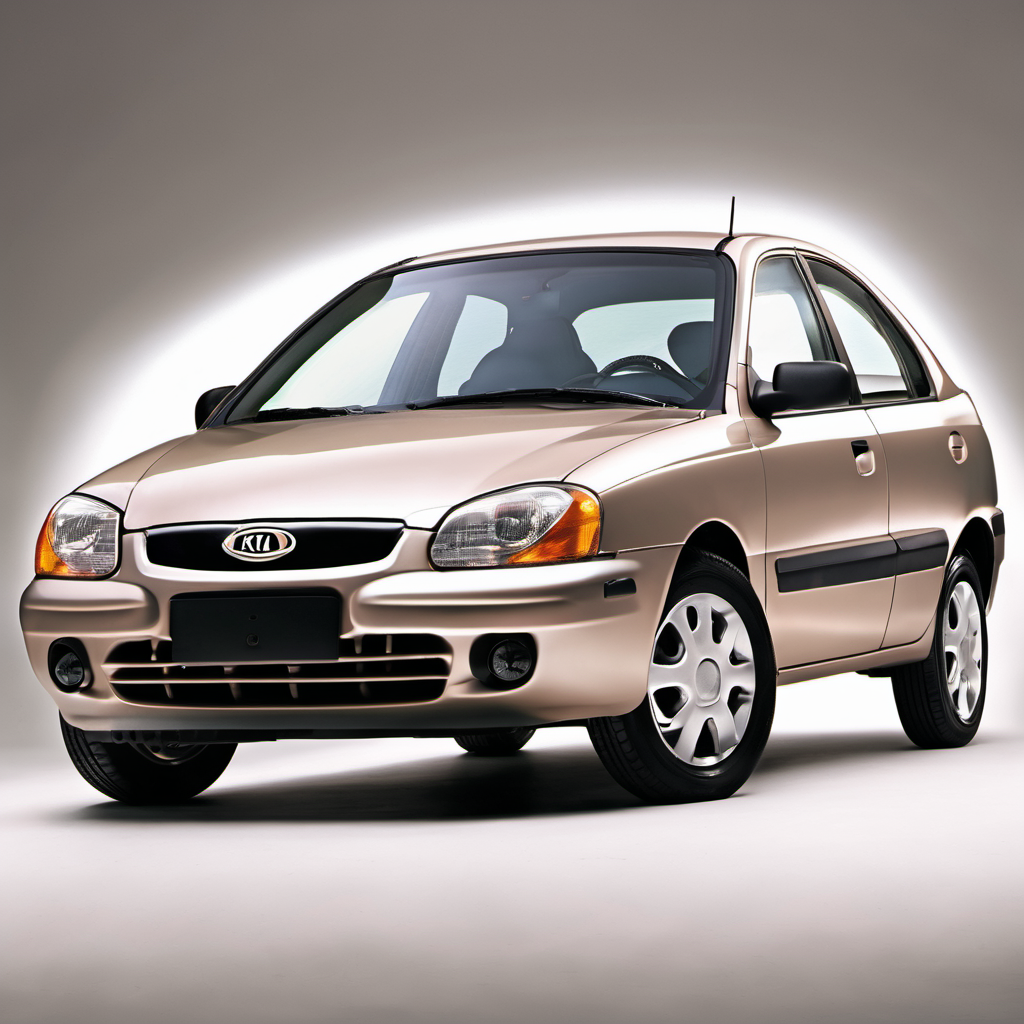
Hyundai's sister brand built on a similar platform with comparable pricing. Nearly identical ownership profile — same strengths and rust concerns.
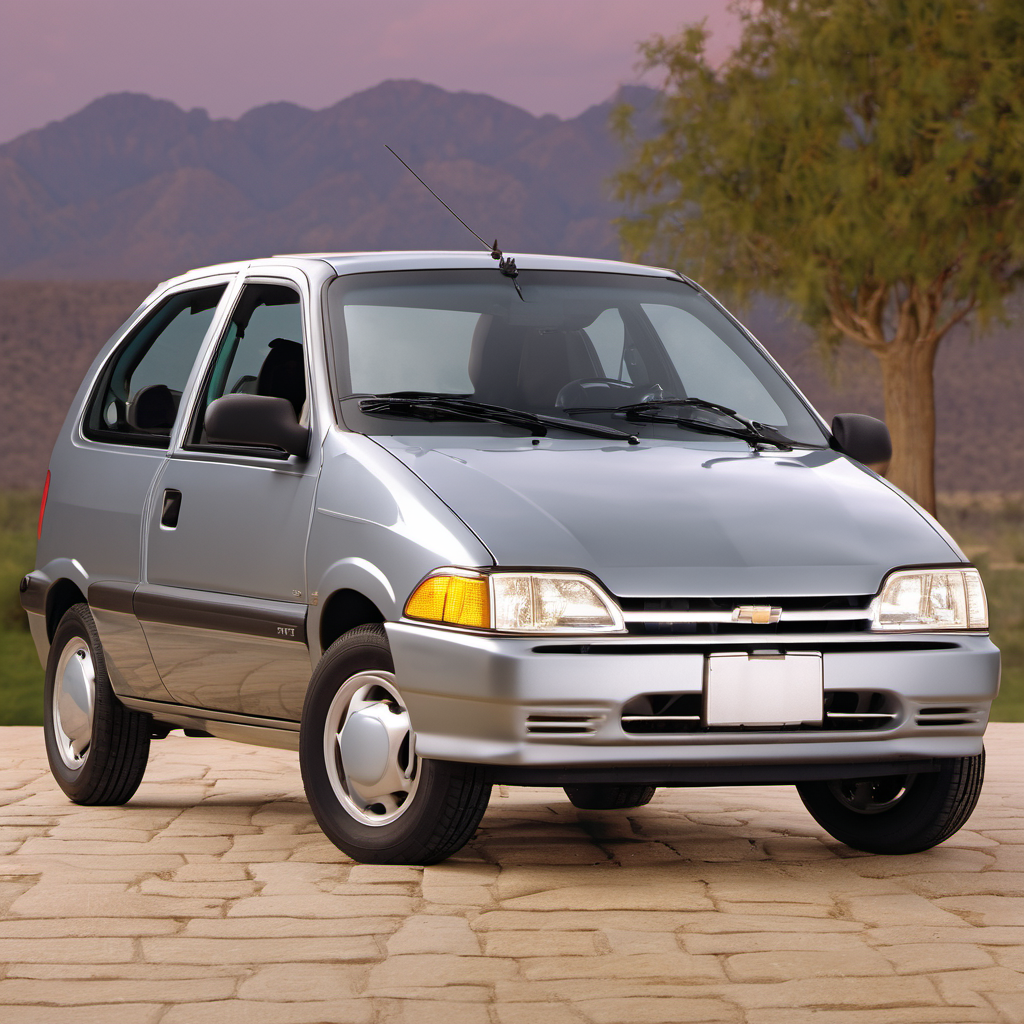
Another bare-bones budget hatchback of the same era. Even lighter and more economical, though GM discontinued it after 2001. Parts availability is now more limited than the Accent.