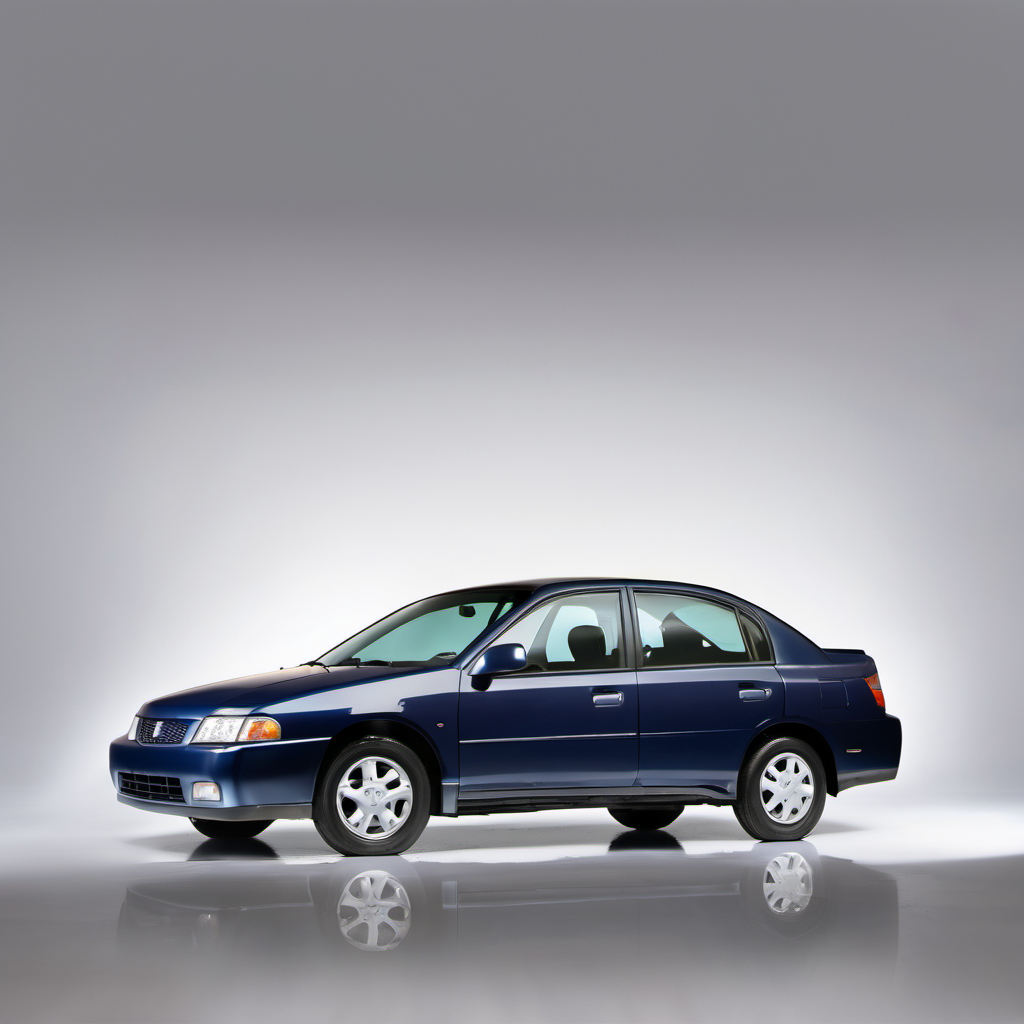
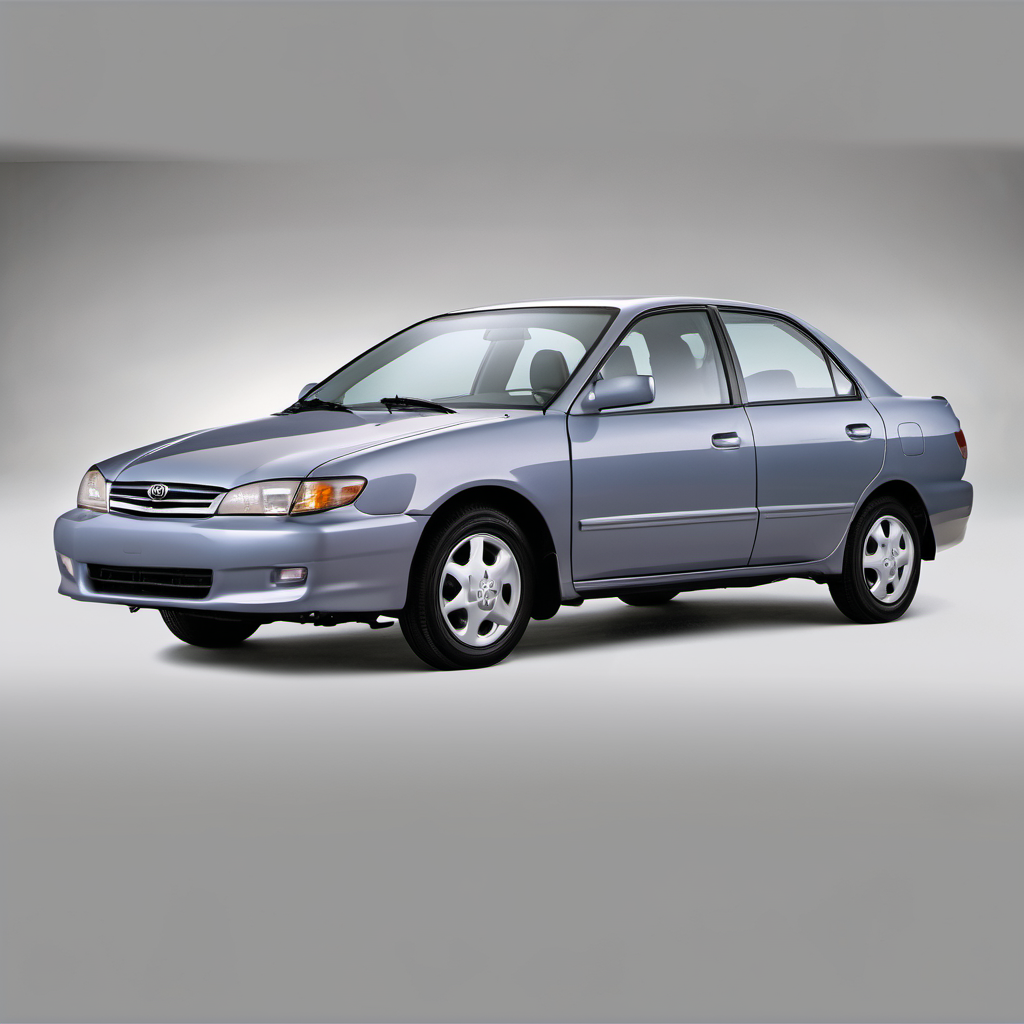
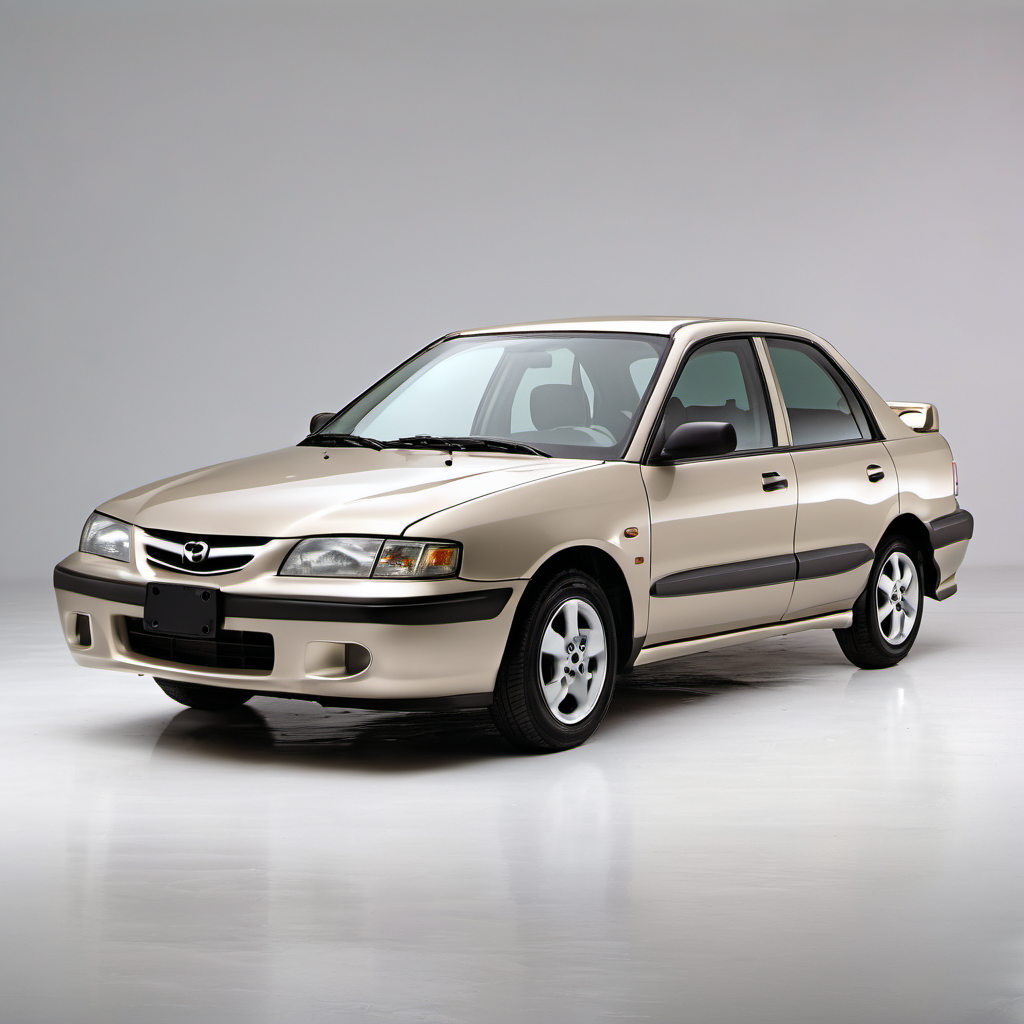
2000 Nissan Sentra Sedan

2000 Nissan

SentraSedan

Sedan

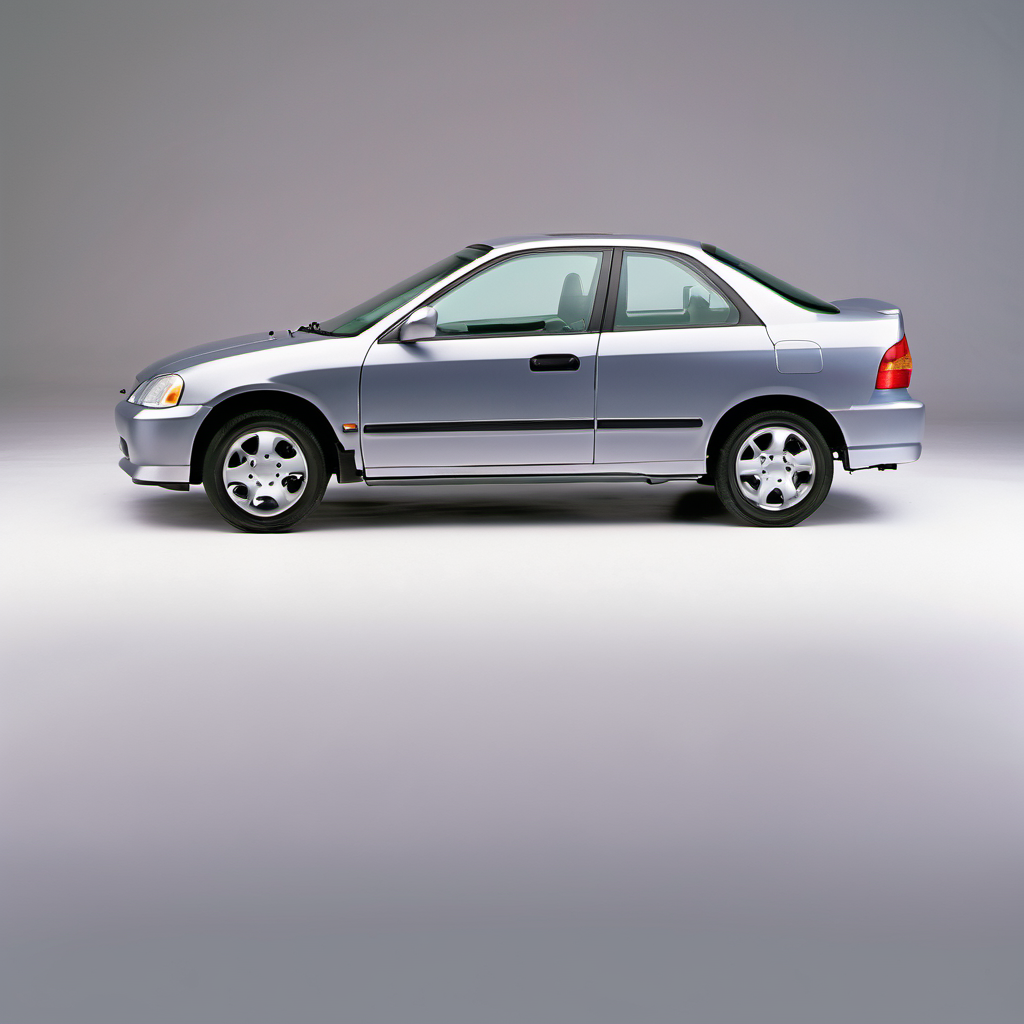
The 2000 Nissan Sentra is a compact front-wheel-drive sedan built on Nissan's B15 platform, which was a significant redesign over its predecessor. This generation brought a more modern interior, improved ride quality, and a choice of engines — the base 1.6L and the more popular 1.8L — making it a practical, affordable commuter car that punched above its class in refinement. With its slim purchase price and low running costs, the B15 Sentra was a staple of budget-conscious buyers and first-time car owners. The 1.8L four-cylinder strikes a reasonable balance between fuel economy and usable power for daily driving. It's not exciting, but it's honest transportation. By 2000, these cars are now 25+ years old and squarely in high-mileage or second/third-owner territory. Rust is a serious concern for any Wisconsin-area example. Surviving ones that have been maintained can still be solid budget runners, but deferred maintenance and body corrosion are the rule rather than the exception at this age.

Reliability
3/5
Verified data
Specs shown for Sentra — the most common configuration. Other trims may vary in engine, drivetrain, or fuel economy. Sign in to see your vehicle's exact specs.
Engine
[object Object]
Drivetrain
FWD
Fuel
Gasoline
MPG
23 city / 30 hwy / 26 combined
Seats
Doors
Body
Compact Cars

Overview

AI-curated

The 2000 Nissan Sentra is a compact front-wheel-drive sedan built on Nissan's B15 platform, which was a significant redesign over its predecessor. This generation brought a more modern interior, improved ride quality, and a choice of engines — the base 1.6L and the more popular 1.8L — making it a practical, affordable commuter car that punched above its class in refinement. With its slim purchase price and low running costs, the B15 Sentra was a staple of budget-conscious buyers and first-time car owners. The 1.8L four-cylinder strikes a reasonable balance between fuel economy and usable power for daily driving. It's not exciting, but it's honest transportation. By 2000, these cars are now 25+ years old and squarely in high-mileage or second/third-owner territory. Rust is a serious concern for any Wisconsin-area example. Surviving ones that have been maintained can still be solid budget runners, but deferred maintenance and body corrosion are the rule rather than the exception at this age.

Known for
  • Affordable purchase and ownership costs
  • Decent fuel economy for its era
  • Straightforward mechanicals that are easy and cheap to service
  • Roomy interior for a compact
  • Long service life when properly maintained
Best for
  • Budget-conscious daily commuters
  • First-time or young drivers
  • City and suburban driving
  • Owners who do their own basic maintenance
Watch for
  • Heavy rust on undercarriage, floor pans, and subframe — critical in Wisconsin
  • Coolant system neglect leading to head gasket issues
  • High-mileage timing chain stretch on 1.8L engines
  • Worn CV axle boots and joints from age
  • Deferred maintenance on cars with murky ownership history

Common issues by mileage

6 known

Coolant system degradation / head gasket failure

medium
Typically appears
100k–160k mi
Estimated repair
$800 – $1,800

CV axle boot cracking / CV joint failure

high
Typically appears
80k–130k mi
Estimated repair
$150 – $400

Oxygen sensor failure (upstream/downstream)

medium
Typically appears
90k–150k mi
Estimated repair
$120 – $280

Undercarriage and floor pan rust

high
Typically appears
Any mileage — age-dependent
Estimated repair
$200 – $3,000

Timing chain stretch / guide wear (1.8L QG18DE)

medium
Typically appears
120k–180k mi
Estimated repair
$400 – $900

Exhaust manifold cracking / exhaust leaks

medium
Typically appears
100k+ mi
Estimated repair
$150 – $500

Maintenance schedule

  1. 1
    Every 5,000 miles or 6 months Engine oil and filter change

    The QG18DE is oil-sensitive; extended intervals accelerate timing chain wear and sludge buildup, both of which are expensive on this engine.

  2. 2
    Every 30,000 miles or 2 years Coolant flush and refill

    Degraded coolant becomes acidic and attacks the aluminum cylinder head and gasket. Old coolant is the leading cause of head gasket failures on this engine.

  3. 3
    At 120,000 miles, or if rattling on cold start is heard Timing chain and guides inspection

    The QG18DE uses a timing chain, not a belt — but guides and tensioners do wear. A cold-start rattle is a warning sign that should not be ignored.

  4. 4
    Every 30,000 miles or annually CV axle boot inspection

    Cracked boots allow grease out and grit in, destroying the joint quickly. Catching a torn boot early saves a full axle replacement.

  5. 5
    Every 2 years regardless of mileage Brake fluid flush

    Brake fluid absorbs moisture over time. Wisconsin's temperature swings accelerate this; degraded fluid raises brake fade risk and promotes caliper corrosion.

  6. 6
    Every 30,000 miles (standard plugs) Spark plug replacement

    Worn plugs cause misfires and reduce fuel economy. On a high-mileage engine, fresh plugs also make diagnosing other issues easier.

  7. 7
    Annually, ideally before winter Undercarriage rust inspection and treatment

    Wisconsin road salt accelerates corrosion on subframe, brake lines, and fuel lines. Catching surface rust before it reaches structural metal keeps repair costs manageable.

  8. 8
    Every 15,000–20,000 miles Air filter replacement

    A clogged air filter hurts fuel economy and can cause rough idle on a small-displacement engine like this one.

Always defer to the manufacturer's service manual for warranty-mandated intervals.

Cost of ownership

Annual maintenance
$400 – $900
Fuel
At ~26 MPG combined and typical Lake Geneva driving, expect roughly $1,400–$1,700/year in fuel at current upper Midwest gas prices.
Insurance
Typically one of the cheapest vehicles to insure — expect $700–$1,100/year for full coverage depending on driver profile, though liability-only is common on a car this age.

A well-maintained 2000 Sentra is about as cheap to own as it gets. Routine maintenance is inexpensive and most repairs are straightforward. The real wildcard at this age is rust and deferred maintenance — a single major repair (head gasket, subframe rust, brake lines) can exceed the car's market value. Keep up on fluids, check the undercarriage annually, and this car can run cheaply for years.
Seasonal care

Lake Geneva, WI
Winter
  • Test the battery before first hard freeze — cold-cranking capacity drops sharply below 20°F and a marginal battery will fail. A 25-year-old car likely needs a new battery.
  • Switch to a full-synthetic 5W-30 oil if not already running it — it flows far better at sub-zero temperatures for cold starts.
  • Inspect and replace wiper blades with winter-rated blades before snow season; the stock-style blades pack with ice.
  • Top off washer fluid with a rated -20°F or colder formula — standard fluid will freeze in the lines and crack the reservoir.
  • Flush and inspect brake lines and fuel lines for rust pinholes before winter; salt and freeze-thaw cycles accelerate failures on a car this age.
  • Check tire tread depth seriously — all-season tires at or below 4/32" tread are unsafe in Wisconsin snow and should be replaced before winter driving.
Summer
  • Inspect the cooling system hoses and thermostat — heat soak on a high-mileage engine with aging rubber hoses is a real breakdown risk.
  • Check A/C refrigerant charge and cabin air filter; a 25-year-old system may have slow refrigerant leaks that only show up under summer load.
  • Monitor tire pressure weekly — air expands in heat and overinflation accelerates center tread wear on these smaller tires.
  • Check coolant concentration with a tester — it should protect to at least -34°F, which also raises the boiling point for hot summer operation.

Comparable vehicles

If you're shopping for one

Red flags
  • Any visible rust through the floor pans or structural subframe — walk away, the repair cost exceeds the car's value.
  • Milky or foamy oil on the dipstick or oil cap — likely head gasket failure.
  • Engine that won't start cleanly when cold, or a cold-start rattle that lasts more than a few seconds.
  • A check engine light that the seller says 'just came on' — get it scanned before buying.
  • Sellers who refuse a pre-purchase inspection at an independent shop.
  • Strong air freshener smell inside — often used to mask musty water intrusion from rusted floor pans.
What to inspect
  • Lift the car and inspect the subframe, floor pans, and brake/fuel lines for rust — this is the single most important check on any Wisconsin Sentra this age.
  • Check for coolant in the oil (milky dipstick) or oil in the coolant reservoir — head gasket telltale signs.
  • Listen for a cold-start timing chain rattle; let the engine sit overnight and start it cold if possible.
  • Check all four CV axle boots for cracking or grease fling marks on the inner fender.
  • Test the heater, defroster, and A/C — HVAC repairs on a 25-year-old budget car can cost more than the car is worth.
  • Pull a vehicle history report and ask for maintenance records — a car with no records should be priced accordingly.
AI profile generated 13 days ago · claude-sonnet-4-6 · v2.