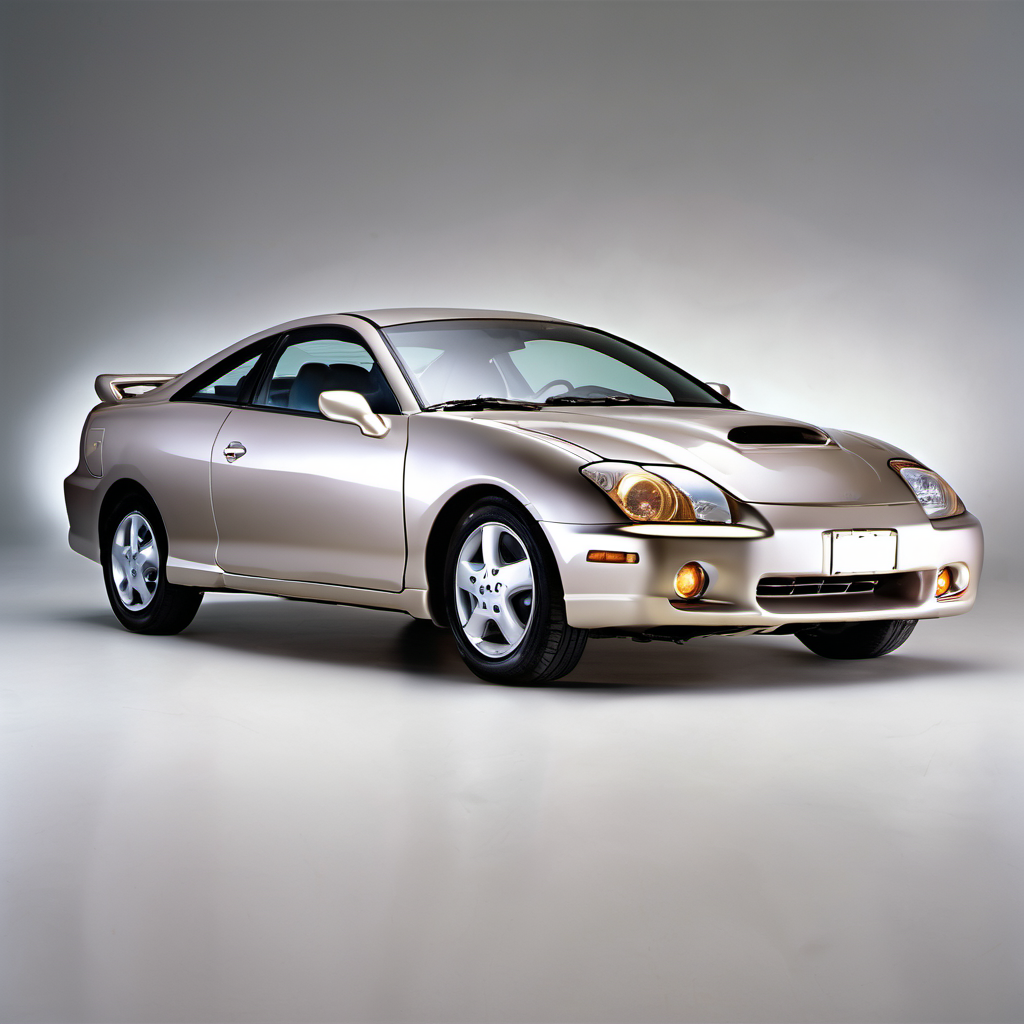
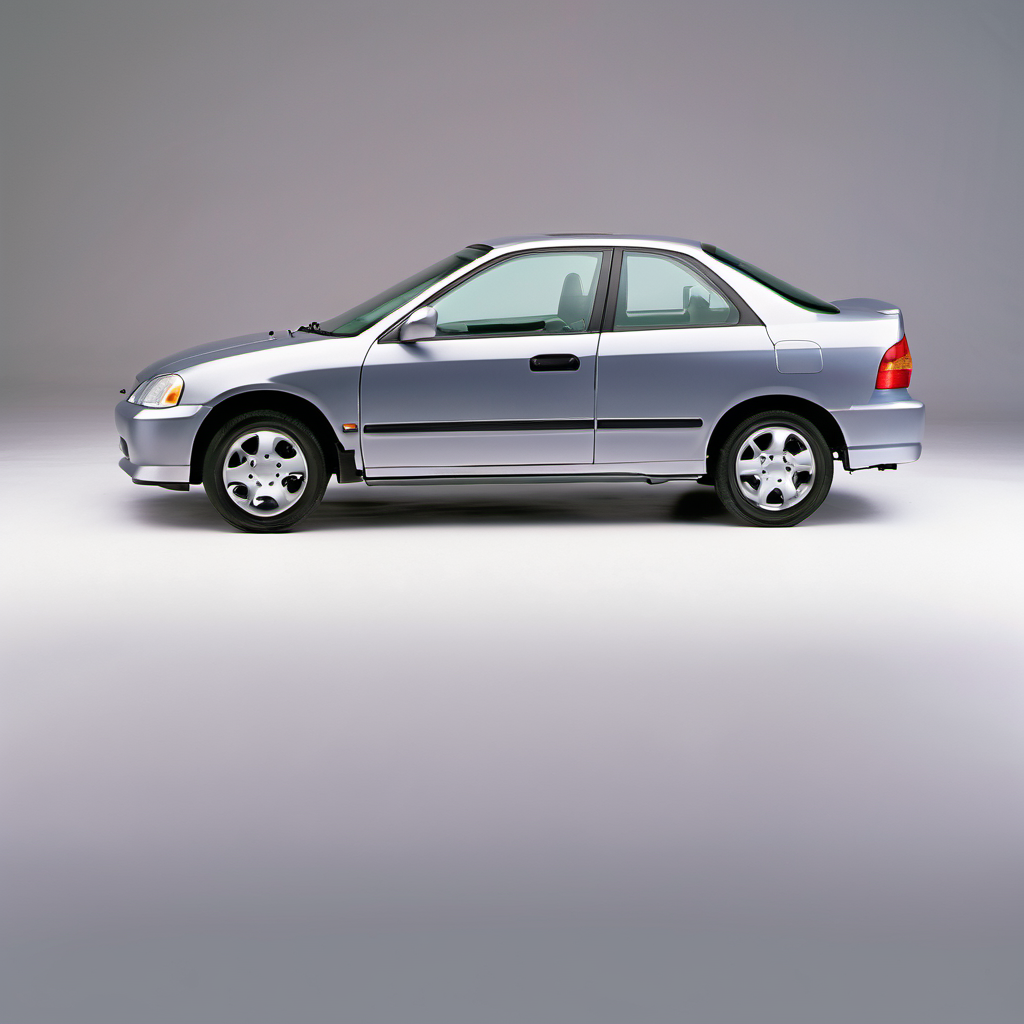
2000 Toyota Celica Hatchback

2000 Toyota

CelicaHatchback

Hatchback

The 2000 Toyota Celica marked the debut of the seventh-generation model — a complete redesign that brought sharper styling, a lighter chassis, and a significantly improved interior. It came with two engine choices: the standard 1ZZ-FE 1.8L producing 140 hp, and the high-strung 2ZZ-GE 1.8L VVTL-i making 180 hp in the GT-S trim. Both are front-wheel-drive two-door hatchbacks with a sporty but practical character. The Celica earned a loyal following for being genuinely fun to drive without the insurance and fuel penalties of a larger sports car. It's light, responsive, and — when maintained properly — very reliable. The GT-S version in particular is a driver's car that rewards rev-happy driving, but it demands that you respect its engine's oil consumption habits. At 25 years old, these cars are now squarely in used/enthusiast territory. Rust, deferred maintenance, and worn-out suspension components are the real risks at this age. Find a clean, documented example and you'll have a rewarding, economical daily driver or weekend car.

Reliability
4/5
Verified data
Specs shown for Celica — the most common configuration. Other trims may vary in engine, drivetrain, or fuel economy. Sign in to see your vehicle's exact specs.
Engine
[object Object]
Drivetrain
FWD
Fuel
Gasoline
MPG
23 city / 31 hwy / 26 combined
Seats
Doors
Body
Subcompact Cars

Overview

AI-curated

The 2000 Toyota Celica marked the debut of the seventh-generation model — a complete redesign that brought sharper styling, a lighter chassis, and a significantly improved interior. It came with two engine choices: the standard 1ZZ-FE 1.8L producing 140 hp, and the high-strung 2ZZ-GE 1.8L VVTL-i making 180 hp in the GT-S trim. Both are front-wheel-drive two-door hatchbacks with a sporty but practical character. The Celica earned a loyal following for being genuinely fun to drive without the insurance and fuel penalties of a larger sports car. It's light, responsive, and — when maintained properly — very reliable. The GT-S version in particular is a driver's car that rewards rev-happy driving, but it demands that you respect its engine's oil consumption habits. At 25 years old, these cars are now squarely in used/enthusiast territory. Rust, deferred maintenance, and worn-out suspension components are the real risks at this age. Find a clean, documented example and you'll have a rewarding, economical daily driver or weekend car.

Known for
  • Lightweight, nimble handling with sharp steering
  • Fuel-efficient and easy on consumables
  • Two distinct personalities: relaxed GT vs. rev-happy GT-S
  • Strong long-term reliability when oil is kept fresh
  • Sporty styling that still holds up visually
Best for
  • Solo commuters or couples wanting a sporty daily driver
  • Budget-minded enthusiasts who wrench their own cars
  • Drivers who prioritize handling over cargo space
  • Fuel economy-conscious buyers who still want fun
Watch for
  • 2ZZ-GE engine (GT-S) burns oil — must check frequently
  • Rust on rocker panels, rear wheel arches, and undercarriage on older examples
  • Worn or collapsed rear suspension bushings affecting handling
  • High-mileage examples with neglected timing and oil change intervals
  • Aftermarket modifications that may mask mechanical problems

Common issues by mileage

6 known

2ZZ-GE Engine Oil Consumption (GT-S only)

high
Typically appears
60–150k mi
Estimated repair
$800 – $3,500

Camshaft Position / VVT-i System Faults

medium
Typically appears
80–150k mi
Estimated repair
$150 – $600

Oxygen Sensor Heater Circuit Failure

medium
Typically appears
80–130k mi
Estimated repair
$120 – $350

Rear Suspension Bushing Wear

high
Typically appears
80–150k mi
Estimated repair
$200 – $600

Rust — Rocker Panels, Rear Wheel Arches, Undercarriage

high
Typically appears
All mileages on WI/Midwest cars
Estimated repair
$300 – $3,000

Ignition Coil Pack Failure

medium
Typically appears
100–180k mi
Estimated repair
$80 – $250

Maintenance schedule

  1. 1
    Every 5,000 miles — every 3,000 if GT-S Engine oil and filter change

    The 2ZZ-GE (GT-S) is known for oil consumption; shorter intervals help catch problems early and protect the engine. The 1ZZ-FE benefits from fresh oil to keep sludge away.

  2. 2
    Every fill-up on GT-S; monthly on GT Check engine oil level

    GT-S engines can consume a quart every 1,000–2,000 miles without warning. Running low even briefly causes accelerated wear.

  3. 3
    Every 30,000 miles Inspect and replace spark plugs

    These engines are sensitive to plug condition. Worn plugs cause misfires and rough idle more noticeably than in low-revving engines.

  4. 4
    Every 5 years or 50,000 miles Replace coolant

    Toyota's long-life coolant degrades on a 25-year-old car. Fresh coolant prevents water pump and radiator corrosion.

  5. 5
    Every 60,000 miles or annually Inspect drive belts (serpentine and timing chain tensioner)

    The 1ZZ-FE uses a timing chain, not a belt, but the chain tensioner and accessory belts age with time. Inspect for cracking and stretch.

  6. 6
    Every 2 years or 30,000 miles Inspect rear suspension bushings and control arm mounts

    Worn rear bushings are very common at this age. They degrade handling and cause unusual tire wear — a quick visual check prevents a bigger problem.

  7. 7
    Every 2 years Flush and replace brake fluid

    Brake fluid absorbs moisture over time. In Wisconsin's temperature swings, degraded fluid raises the risk of a spongy pedal or brake fade.

  8. 8
    Annually before winter Inspect and lubricate door hinges, hood latch, and trunk struts

    Salt and freeze-thaw cycles seize hinges and corrode latches quickly on older vehicles. A little grease each fall prevents expensive repairs.

Always defer to the manufacturer's service manual for warranty-mandated intervals.

Cost of ownership

Annual maintenance
$400 – $900
Fuel
Excellent — averaging 26 mpg combined on regular 87-octane makes this one of the cheaper vehicles to fuel at any gas price.
Insurance
Generally low — small sporty car with modest horsepower. Expect slightly higher premiums than a comparable sedan, but nothing extreme. Shop around; rates vary significantly for vehicles in this age and class.

This is a genuinely cheap car to own when it's healthy. Parts are affordable and widely available. The main cost wildcard is the 2ZZ-GE engine in GT-S trim if oil consumption has been ignored — that can turn into a $1,500–$3,500 repair. On a well-maintained GT trim, annual costs are low and predictable.
Seasonal care

Lake Geneva, WI
Winter
  • Apply underbody rust inhibitor every fall — Wisconsin road salt is brutal on these aging unibodies, especially rocker panels and rear arches.
  • Switch to a full-synthetic 5W-30 oil before temperatures drop below 20°F to ensure quick cold-start lubrication.
  • Test the battery in October. The Celica's small battery has limited cold-cranking reserve — a weak battery that starts fine in September will fail in January.
  • Use winter-rated windshield washer fluid rated to at least -25°F. The low hood angle means the windshield ices fast.
  • Fit dedicated winter tires if you drive it through snow. The stock all-seasons on a 25-year-old car are likely hardened and unsafe in below-freezing temps.
  • Keep the fuel tank above half in extreme cold — it reduces condensation in the tank and keeps the fuel pump cooler.
Summer
  • Check tire pressure monthly — for every 10°F rise in temperature, pressure increases about 1 PSI. The Celica's sporty tires are sensitive to overinflation.
  • Inspect the A/C system before summer. Refrigerant leaks and aging hoses are common on 25-year-old systems — recharging a leaky system is money wasted.
  • Monitor coolant temperature during hot-weather stop-and-go. The 1ZZ-FE fan and thermostat should be confirmed operational.
  • Park in shade when possible — the large rear hatch glass traps heat and stresses the interior plastics and any remaining weatherstripping.

Comparable vehicles

If you're shopping for one

Red flags
  • Excessive blue or white smoke from the exhaust at startup or under acceleration — indicates oil consumption or head gasket issues.
  • Any rust through the floor, rocker panels, or rear subframe mounts — structural rust on a 25-year-old unibody is a deal-breaker.
  • No maintenance records or receipts — at this age, undocumented history is a liability.
  • Heavy aftermarket modifications (suspension, engine) with no receipts — may hide abuse or hide pre-existing damage.
  • Mismatched paint panels or evidence of body filler — indicates past collision that may have compromised the chassis.
  • Check engine light on or recently cleared codes — run a scan before purchase, not after.
What to inspect
  • Pull the oil dipstick and look for sludge — dark, thick, tar-like oil means the engine was neglected. Walk away.
  • Check the oil consumption rate: ask the seller when oil was last changed and have them confirm current level on the dipstick.
  • Inspect all four wheel arches and the full length of both rocker panels for rust bubbles, soft spots, or body filler.
  • Get under the car and look at the rear suspension subframe, floor seams, and exhaust hangers for rust-through.
  • Test the A/C — if it blows warm, budget for a leak diagnosis and recharge at minimum.
  • Listen for a rattling timing chain on cold start (1ZZ-FE) — that indicates low oil pressure or a worn tensioner.
  • Check that the VVTL-i system engages on the GT-S: above ~6,200 RPM the engine note changes distinctly. If it doesn't, the lift mechanism may be stuck.
AI profile generated 59 min ago · claude-sonnet-4-6 · v2.